Hindi Name Generator
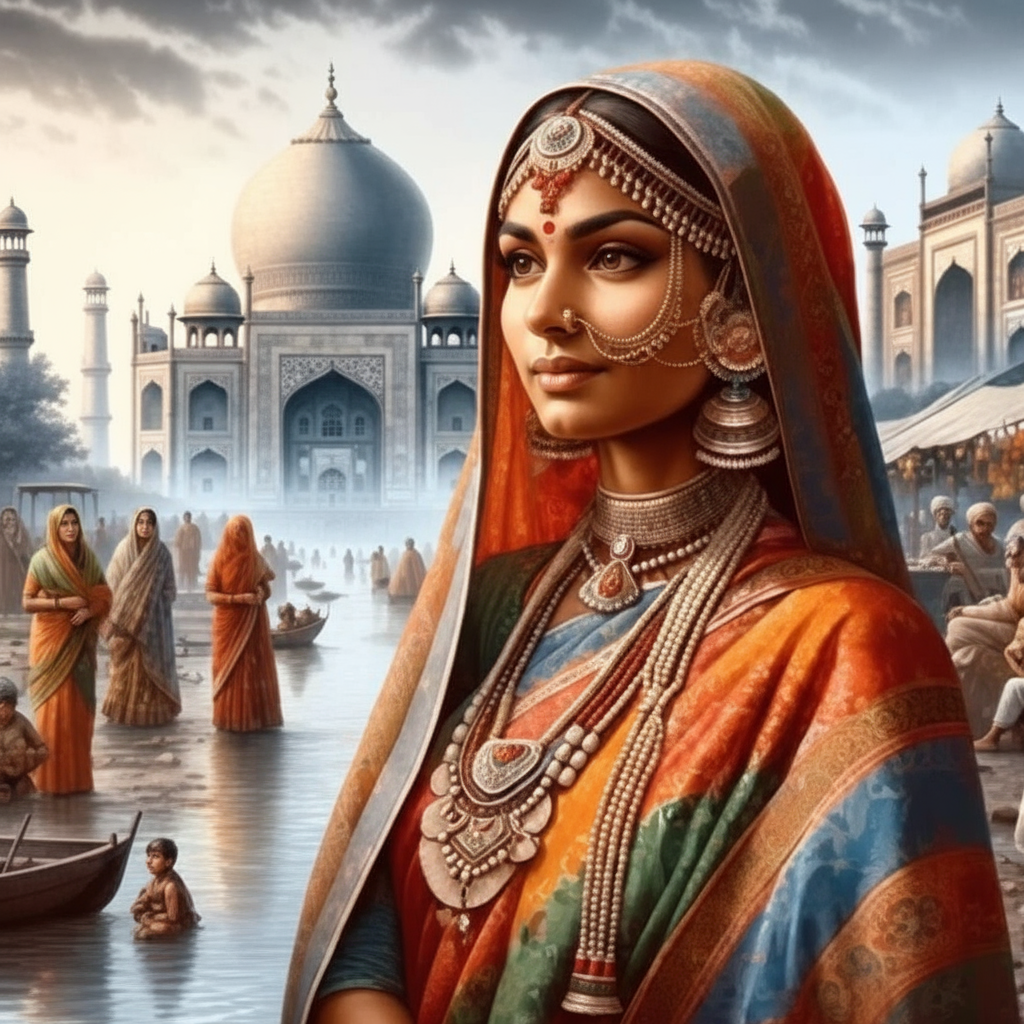
Celebrate Indian heritage with our Hindi name generator! Create vibrant names great for Bollywood fantasy, South Asian RPG, or mythological campaigns.
Gender Preference
Generating magical names...
Create Authentic Indian Names with Meaning
Hindi names carry centuries of cultural wisdom, spiritual depth, and linguistic beauty. Whether you're crafting characters for a Bollywood-inspired fantasy novel, building an RPG campaign set in ancient India, or simply exploring the rich traditions of South Asian naming, understanding the meanings and patterns behind these names transforms them from simple labels into powerful storytelling tools.
With over 600 million speakers worldwide, Hindi stands as one of the world's most influential languages. Each name drawn from this tradition connects to Sanskrit roots, Vedic philosophy, and regional customs that have shaped Indian identity for millennia. An AI-powered Hindi name generator can help you discover authentic names that resonate with cultural accuracy while sparking creative inspiration for your projects.
The Cultural Significance of Hindi Names
Hindi belongs to the Indo-European language family and serves as the official national language of India. According to Ethnologue's 2025 data, Hindi ranks as the fourth most spoken native language globally and third when counting total speakers. This linguistic reach extends beyond India's borders—Hindi functions as an official language in Fiji and maintains significant speaker populations across multiple countries.
The language's influence stems from its deep connection to Sanskrit, often called the mother of modern North Indian languages. As noted by the Central Sanskrit University, "All the modern Indian languages used in north part of India have evolved from Sanskrit." This ancestral link means Hindi names frequently draw from a shared vocabulary of spiritual concepts, natural phenomena, and virtues refined over thousands of years.
Names in Hindi culture traditionally carry profound meaning. Parents don't simply choose sounds they find pleasant; they select names that function as blessings, aspirations, or spiritual protections. A name like Aarav (meaning "peaceful") or Vivaan (meaning "full of life") embeds parental hopes directly into a child's identity. This practice connects to the ancient Hindu ritual of Namakarana (Sanskrit: नामकरणम्, literally "name-giving"), a samskara or rite of passage performed to formally name a baby.
According to traditional texts, the Namakarana ceremony typically occurs on the tenth or twelfth day after birth. As documented in scholarly sources, "The naming ritual solemnizes the child as an individual, marking the process by which a child is accepted and socialized by people around them." The ceremony includes gathering family and friends, bathing the infant in new garments, and announcing the chosen name—a practice that transforms naming into a communal celebration of new life.
Understanding Hindi Name Structure and Patterns
Ancient Sanskrit texts provide detailed guidelines for constructing names, many of which persist in modern Hindi naming conventions. These patterns reflect both linguistic beauty and cultural symbolism.
Gender-Specific Patterns
Traditional naming conventions follow distinct patterns for male and female names:
Female names typically feature:
- Odd number of syllables
- Endings in long "ā" or "ī" sounds
- Resonant, melodic qualities
- Examples: Priya (प्रिया), Aarti (आरती), Kavya (काव्या)
Male names commonly include:
- Two or four syllables
- Beginning with sonant sounds
- Semivowel in the middle
- Ending in visarga (a specific Sanskrit sound marker)
- Examples: Arjun (अर्जुन), Dhruv (ध्रुव), Kiran (किरण)
Some names transcend gender boundaries. Kiran (meaning "ray of light") works equally well for any child, as do names like Chetan (consciousness) and Pran (life force).
Syllable Significance
The number of syllables in a name carries weight beyond mere pronunciation. Single-syllable names like Raj (rule) or Ved (knowledge) convey directness and power. Two-syllable names such as Aarav or Myra balance memorability with elegance. Longer names like Aaradhya (worshipped) or Advaita (non-duality) often indicate philosophical or spiritual depth.
This syllabic structure isn't arbitrary—it reflects principles of phonetic harmony derived from Vedic chanting traditions, where sound itself carries transformative power.
From Devanagari to Roman Script: Understanding Transliteration
Hindi names originate in the Devanagari script (देवनागरी), the writing system used for Sanskrit, Hindi, and several other Indian languages. When these names appear in English or other Latin-alphabet languages, they undergo transliteration—conversion of the script while preserving pronunciation.
The International Alphabet of Sanskrit Transliteration (IAST) serves as the standard scholarly method for this conversion. According to linguistic sources, IAST is "a transliteration scheme that allows the lossless romanisation of Indic scripts as employed by Sanskrit and related Indic languages." This system uses diacritical marks (like ā, ī, ṣ) to represent sounds that don't exist in English.
For example:
- Krishna (कृष्ण) becomes Kṛṣṇa in IAST
- Lakshmi (लक्ष्मी) becomes Lakṣmī in IAST
- Ganesh (गणेश) becomes Gaṇeśa in IAST
Most modern usage simplifies these transliterations by removing diacritical marks, making names easier to type and pronounce for global audiences. However, this simplification sometimes obscures the original pronunciation and meaning—something worth considering when creating authentic characters.
Sanskrit Roots and Vedic Connections
The majority of Hindi names trace their etymology to Sanskrit, connecting modern identity to ancient philosophical traditions. Understanding these roots enriches your appreciation of what each name represents.
Divine and Mythological Names
Many popular names reference Hindu deities or epic characters:
- Arjun (bright, shining) – The warrior hero from the Mahabharata
- Krishna (dark, black) – The beloved deity known for wisdom and divine play
- Siya or Sita (furrow) – The virtuous heroine of the Ramayana
- Anika (Grace) – Associated with Goddess Durga
- Sanvi (knowledge) – Connected to Goddess Lakshmi
- Ishani (goddess) – Another name for Parvati
These names don't simply honor mythological figures; they invoke the qualities those figures embody. Naming a character Arjun suggests courage and moral struggle. Siya evokes devotion and inner strength.
Nature-Inspired Names
Hindi culture sees divinity reflected in natural phenomena, leading to numerous nature-based names:
- Jyotsna (moonlight) – Feminine beauty and calm
- Chanda (moon) – Also means fierce, showing duality
- Hema (golden) – Precious and radiant
- Vihaan (dawn) – New beginnings
- Reyansh (first ray of sun) – Hope and illumination
Virtue and Quality Names
Abstract concepts become personal attributes through naming:
- Aditi (boundless, limitless) – Freedom and infinity
- Nihal (content, gratified) – Inner peace
- Harshad (one who gives joy) – Positive energy
- Divya (divine, heavenly) – Spiritual elevation
- Lila (play, divine play) – The cosmic dance of existence
Philosophical Concepts
Some names embed complex philosophical ideas:
- Advaita (non-duality) – The Vedantic concept that reality is one
- Bharat (maintained, supported) – Also the Sanskrit name for India
- Gita (song) – References the Bhagavad Gita, a sacred text
- Rishi (sage, poet-seer) – One who perceives eternal truths
How AI-Powered Hindi Name Generators Work
Modern name generators use algorithms that analyze authentic naming patterns to produce culturally appropriate options. A quality Hindi name generator considers multiple factors:
Database of Authentic Names
The foundation is a comprehensive database drawing from:
- Classical Sanskrit texts and epic literature
- Regional variations across India
- Contemporary naming trends
- Verified meanings and etymologies
Pattern Recognition
The generator identifies linguistic patterns:
- Common phonetic structures (soft consonants with open vowels)
- Gender-specific endings (-a, i for female; consonants for male)
- Syllable counts that sound natural
- Letter combinations that exist in Hindi
Meaning Integration
Each generated name includes its meaning and cultural context. This transforms the tool from a random name picker into an educational resource that helps you understand what you're choosing.
Customization Options
Advanced generators offer filters for:
- Gender preference (male, female, or any)
- Name length (short, medium, or long)
- Syllable count (one through four or more)
- Starting or ending letters (useful for family naming conventions)
Practical Applications for Creative Projects
An AI Hindi name generator serves multiple creative purposes across various media.
Fantasy Literature and Worldbuilding
Writers crafting South Asian-inspired fantasy worlds need names that feel authentic without requiring years of linguistic study. The right name immediately grounds a character in a cultural context. A merchant named Jayendra (lord of victory) suggests ambition and success, while a healer called Dipti (brightness, glow) evokes warmth and hope.
When building entire fantasy civilizations, generating multiple names from the same etymological family creates cohesion. Names sharing the "Aa-" prefix (Aarav, Aanya, Aadi) might indicate nobility, while names ending in "-esh" (Mahesh, Ganesh, Ramesh) could denote priestly castes.
RPG Character Creation
Tabletop and video game players often seek names that match their character concepts. A D&D campaign set in a Vedic-inspired realm benefits from names carrying appropriate weight. That paladin dedicated to protecting the innocent gains depth when named Rudra (roarer, one who removes pain) after Shiva's fierce aspect.
The meaning behind each name can also inform roleplay. A rogue called Chetan (consciousness, perception) might have exceptional awareness, while a bard named Kavya (poetry) obviously excels at artistic expression.
Bollywood-Inspired Stories
Contemporary Bollywood cinema has popularized certain name styles while reviving classical ones. Names like Aaradhya, Vihaan, and Ananya reflect modern preferences for melodic sounds with spiritual meanings. A generator familiar with current trends helps create characters that feel both timeless and contemporary.
Mythological Campaigns
Games or stories directly adapting Hindu mythology require names that respect the source material. Using traditional names correctly—understanding that Parvati means "daughter of the mountain" or that Shiva connects to auspiciousness—maintains authenticity while honoring the original narratives.
Regional Variations and Linguistic Diversity
Hindi naming traditions aren't monolithic. Regional variations across India add layers of complexity and opportunity for nuanced worldbuilding.
North vs. South Indian Patterns
Northern regions tend toward names with Persian, Arabic, and Central Asian influences due to historical interactions. Southern regions maintain stronger Dravidian linguistic elements despite Sanskrit influence.
Caste and Community Markers
Historically, certain name endings or prefixes indicated caste or community affiliation. While modern India increasingly moves away from these markers, understanding them helps create historically informed fantasy worlds. Names ending in "-kar" often indicated artisan castes, while "-sharma" marked Brahmin lineages.
Religious Influences
Hindu names dominate but aren't exclusive. Muslim names in India often blend Arabic roots with Hindi pronunciation. Sikh naming conventions frequently use Singh (lion) for males and Kaur (princess) for females. Christian Indians might use biblical names adapted to local pronunciation.
A generator offering regional filters or religious category options provides more targeted results for specific creative needs.
Best Practices for Using Generated Names
Simply generating a list of names isn't enough—thoughtful implementation makes them memorable and meaningful.
Match Names to Character Roles
Consider the symbolic weight each name carries. A villain named Kali (the fierce goddess) works if you understand and respect the complexity of that deity. A hero called Dhruv (the pole star, constant) suggests an unwavering moral compass.
Consider Pronunciation for Your Audience
If your readers or players primarily speak English, avoid names with sounds that cause consistent mispronunciation. Names like Arjun and Priya work well globally, while Kshatriya might trip up non-Hindi speakers.
Alternatively, include a pronunciation guide if accuracy matters more than accessibility.
Create Family Naming Patterns
Real families often share naming elements. Siblings might all have names starting with the same letter, or a family might favor nature metaphors across generations. This detail adds realism to your fictional world.
Respect Cultural Context
Names carry cultural weight beyond their literal meanings. Using names of major deities casually can feel disrespectful to Hindu readers. Understanding that Rama and Krishna aren't just "cool names" but represent deeply revered figures shows cultural awareness that strengthens your work.
Frequently Asked Questions
How does a Hindi name generator work?
The generator draws from databases of authentic Sanskrit roots, Vedic traditions, and contemporary Indian naming patterns to produce culturally meaningful names. When activated, it creates multiple names at once, each accompanied by its meaning and etymological background. The algorithm considers phonetic structures common in Hindi—soft consonants paired with open vowels, honorific suffixes, and spiritual terminology that has defined Indian naming for thousands of years.
Can I customize names by gender?
Yes, quality generators offer gender preference options, including male, female, and non-binary choices. Hindi names carry distinct gender markers—female names often end in "a," "i," or "ti" (like Priya, Aarti, Dipti), while male names frequently conclude with consonants or "an/en" sounds (like Arjun, Chetan). Selecting a specific gender ensures the output respects these linguistic patterns while providing accurate meanings.
What information does each generated name include?
Each name typically comes with its literal meaning and etymology. The meaning explains what the name signifies—whether it references divine attributes (like "lord of victory"), natural phenomena (like "moonlight"), virtues (like "noble"), or spiritual concepts (like "non-duality"). The etymology traces the name's linguistic origins, typically pointing to Sanskrit roots, regional Hindi dialects, or connections to Hindu mythology.
Are generated names authentic or random combinations?
Reputable generators produce authentic names drawn from existing naming traditions rather than random syllable combinations. They analyze patterns in real Hindi names to ensure outputs sound natural to native speakers. However, the "authenticity" exists on a spectrum—some tools prioritize traditional classical names while others include modern innovations and regional variations.
Can I filter names by syllable count or length?
Advanced generators offer granular control through filters for name length (short, medium, long), specific syllable counts (one through four or more), and even which letters names should start or end with. This proves valuable when you need names fitting specific requirements—perhaps your fantasy world uses three-syllable naming conventions, or you want all characters from a particular family to share names beginning with "A" as many Indian families traditionally do.
How do I know if a name's meaning fits my character?
Review both the literal translation and cultural associations. A name meaning "fierce" might work for a warrior, but clash with a peaceful healer. Research beyond the generator's brief description—names of deities carry entire mythologies that might inform character development. If a name references a specific god or epic hero, understanding that figure's story adds depth to your choice.
Are there names that work for any gender?
Several Hindi names transcend gender boundaries. Kiran (ray of light), Pran (life force), Chetan (consciousness), and Anmol (priceless) work equally well regardless of gender. When seeking non-binary or gender-neutral options, look for names rooted in abstract concepts, natural phenomena, or universal virtues rather than gendered deities or traditional male/female patterns.
Can I use these names if I'm not Indian?
Using names from cultures outside your own requires care and respect. If you're creating fiction or games, thoroughly research the meanings and cultural contexts. Avoid stereotypes, don't use sacred names frivolously, and consider having cultural consultants review your work. The goal should be celebrating and honoring Hindi naming traditions, not appropriating them superficially.
Celebrating Heritage Through Authentic Naming
Names bridge past and present, carrying forward wisdom accumulated across generations. When you choose a Hindi name—whether for a character, a game avatar, or personal understanding—you participate in a tradition spanning thousands of years.
The beauty of Hindi naming conventions lies not in memorizing lists but in recognizing how each name connects to larger philosophical frameworks. A name isn't just a label; it's a compressed story, a blessing, and an identity all at once. Whether you're exploring names like Aarav (peaceful), Ishika (paintbrush, sacred), or Reyansh (first ray of sun), you're accessing a rich vocabulary of meaning refined by countless parents, poets, and spiritual seekers.
An AI-powered Hindi name generator serves as a starting point for this exploration—not an ending. The tool can introduce you to authentic options, explain their meanings, and help you understand patterns. But the real work happens when you take those generated names and weave them into narratives that honor their origins while creating something new.
For writers, game designers, and worldbuilders, this approach transforms naming from a checklist item into an opportunity for cultural appreciation and storytelling depth. Each carefully chosen name becomes a small act of respect for the Hindi language's global influence and enduring beauty.
Ready to discover the perfect name for your character or project? Explore an AI Hindi name generator and let centuries of tradition inspire your creative work.