Arabic Name Generator
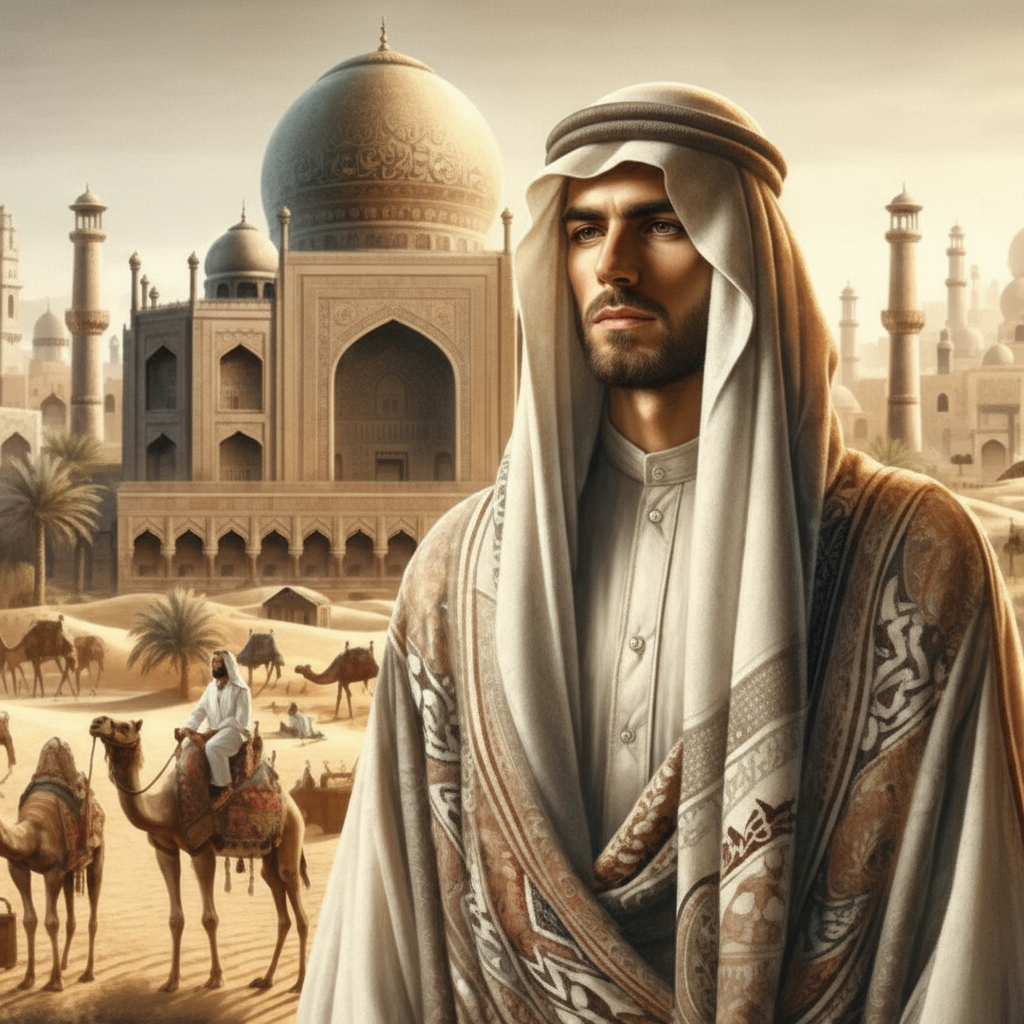
Journey through Arabian Nights with our Arabic name generator! Discover exotic names perfect for desert fantasy RPG, One Thousand Nights campaigns, or Middle Eastern stories.
Gender Preference
Generating magical names...
Find Meaningful Names Rooted in Tradition
Choosing a name carries weight. For Arabic names, that weight multiplies—each carries centuries of history, family lineage, and spiritual significance woven into syllables that have traveled across continents and generations.
Whether you're naming a newborn, creating a character for your novel, or exploring your heritage, an Arabic name generator offers a starting point. But understanding what makes these names authentic requires more than clicking a button. You need to grasp the cultural framework that transforms a simple identifier into a living record of ancestry, faith, and identity.
This guide walks you through using an Arabic name generator effectively while honoring the rich traditions behind these names. You'll learn how to filter results, decode meanings, and appreciate the conventions that make Arabic naming one of the world's most sophisticated systems.
The Cultural Significance of Arabic Names
Arabic names function as genealogical documents. Unlike Western conventions that typically use a straightforward first-and-last format, traditional Arabic nomenclature builds identity through layers: the personal name (Ism), patronymic lineage (Nasab), place of origin or tribal affiliation (Nisba), earned epithets (Laqab), and honorific titles (Kunya).
Consider the name "Muhammad ibn Salman ibn Amin al-Farisi." Each component tells part of the story:
- Muhammad (the praised one) serves as the personal identifier
- Ibn Salman reveals his father's name (Salman means "secure")
- Ibn Amin reaches back to his grandfather (Amin means "trustworthy")
- Al-Farisi discloses Persian ancestry
This structure doesn't just identify—it situates a person within family, tribe, and region across multiple generations.
Many Arabic names draw from the Quran, prophetic tradition, or aspirational virtues. Names like Abdullah ("servant of God"), Fatima (meaning "to abstain," carried by the Prophet's daughter), or Hassan ("handsome") reflect values central to Islamic culture. Yet Christian Arabs also participate in these naming traditions, choosing Arabic forms of biblical names like Butrus (Peter), Maryam (Mary), or Girgis (George).
The meanings embedded in Arabic names aren't decorative. They function as daily reminders of character ideals, family expectations, and spiritual commitments.
How to Use an Arabic Name Generator: Step-by-Step
Modern Arabic name generators combine traditional naming patterns with customizable filters, letting you narrow results while respecting authentic conventions.
Select Your Gender Preference
Start by choosing whether you need male, female, or gender-neutral options. Arabic names typically carry distinct gender markers:
- Male names often include prefixes like Abd- (servant of) combined with divine attributes: Abdulrahman ("servant of the Most Merciful"), Abdulaziz ("servant of the Mighty")
- Female names frequently reference natural beauty or virtues: Zahra ("flower"), Amina ("faithful"), Layla ("night")
Some generators default to "Any" gender, mixing results in a single batch—useful when you're exploring broadly or need multiple character names.
Apply Advanced Filters for Precision
Quality generators offer granular controls beyond basic gender selection:
Name Length: Short names (1-2 syllables) like Ali, Nour, or Zayn work well for contemporary settings. Medium-length names (2-3 syllables) such as Kareem, Samira, or Rashid balance tradition with accessibility. Long names (4+ syllables) like Abdulrahman or Zaynab carry formal weight suited to traditional contexts.
Syllable Count: Specify exact syllable requirements when phonetic rhythm matters. A 2-syllable name like Saif or Layla flows differently from a 4-syllable option like Muhammed or Aaliyah. This filter proves valuable when matching names to poetic meter or creating character name patterns.
Prefix and Suffix Filters: Target specific name components by choosing how names start or end:
- Names beginning with "Abd-" signal theophoric combinations (names containing God's attributes)
- Names ending in "-din" (religion) or "-ullah" (Allah) maintain traditional religious resonance
- Female names ending in "-a" or "-ah" follow common Arabic patterns
- Names starting with "Al-" typically indicate nisba elements (origin/tribal markers)
Understanding the Generated Results
When you click generate, quality tools provide more than random combinations. Each result should include:
- The full name: Both given name and surname/family name together
- Meaning breakdown: Individual definitions for each component
- Etymology confirmation: Verification of Arabic linguistic roots
For example, a generated name like "Youssef Khaled" might display: "God increases (in piety, influence, and prestige); eternal"—where Youssef's meaning precedes the semicolon and Khaled's follows.
Cross-reference these meanings with your naming purpose. A character embodying wisdom might suit Hassan ("good, handsome") or Rashid ("rightly guided"), while someone representing resilience could carry Tariq ("morning star," "he who knocks at the door").
Understanding Arabic Naming Conventions
The five traditional components of Arabic names each serve distinct functions:
Ism (اسم): The Given Name
The Ism is your personal identifier—what people actually call you. These names typically fall into categories:
- Quranic/Prophetic names: Muhammad, Ali, Fatima, Maryam
- Virtue names: Kareem ("generous"), Iman ("faith"), Jamil ("beautiful")
- Nature names: Zahra ("flower"), Layla ("night"), Nour ("light")
- Theophoric names: Combinations with Abd- plus divine attributes
Parents often choose Isms that reflect hopes for their child's character or invoke divine protection.
Nasab (نسب): Patronymic Lineage
The Nasab traces paternal ancestry using ibn (son of) or bint (daughter of). Traditional full names might include several generations: "Ali ibn Muhammad ibn Yusuf" indicates Ali, whose father is Muhammad, whose father is Yusuf.
While historically common, most contemporary Arabs omit ibn/bint in daily use, preserving it mainly for formal documentation or traditional contexts in regions like Saudi Arabia and other Gulf states.
Nisba (نسبة): Attribution of Origin
The Nisba connects identity to place, tribe, or profession, typically using the suffix -i (masculine) or -iyyah (feminine):
- Geographic: al-Misri (Egyptian), al-Baghdadi (from Baghdad)
- Tribal: al-Qurashi (from the Quraysh tribe)
- Occupational: al-Khayyat (the tailor), al-Najjar (the carpenter)
This component functions similarly to Western surnames but carries deeper cultural specificity.
Laqab (لقب): Honorific Epithet
The Laqab describes character, achievements, or physical traits. Historical figures often carried famous Laqabs:
- Harun al-Rashid ("the Rightly Guided")
- Salah al-Din ("righteousness of the faith")
- al-Farouq ("the one who distinguishes truth from falsehood")
Modern usage restricts Laqabs primarily to family surnames, though the tradition persists in formal titles.
Kunya (كنية): Respectful Teknonym
The Kunya uses Abu ("father of") or Umm ("mother of") followed by a child's name. Abu Bakr means "father of Bakr," while Umm Salma means "mother of Salma."
Interestingly, Kunyas aren't always literal. They can reference hoped-for children, virtues, or serve as respectful nicknames. Even childless individuals might receive a Kunya as an honorific.
The Etymology Behind Popular Arabic Names
Understanding name meanings transforms selection from arbitrary choice to intentional storytelling.
Theophoric Names (Abd- combinations): These compound names pair "servant" with one of Allah's 99 names. Abdulrahman combines Abd (servant) with al-Rahman (the Most Merciful). Avoid using Abd- alone—it's incomplete without the divine attribute.
Nature-Inspired Names: Many Arabic names reference the natural world. Yasmin means "jasmine flower," Rania means "gazing" (as in gazing at beauty), and Tariq refers to the "morning star"—the planet that announces dawn.
Virtue Names: Arabic naming traditions emphasize aspirational character traits. Amin means "trustworthy," Rashid means "rightly guided," and Kareem translates to "generous"—qualities parents hope their children embody.
Historical Names: Names like Omar, Ali, Hassan, and Fatima carry immense historical weight, referencing companions of the Prophet Muhammad and early Islamic figures. These names signal cultural continuity across generations.
Pay attention to transliteration variations. Muhammad appears as Mohammed, Mohamed, or Muhammed depending on regional spelling preferences. These variations don't change the core Arabic name—they reflect how different cultures represent Arabic sounds in Latin script.
Modern Naming Trends vs. Classical Traditions
Contemporary Arabic naming practices balance heritage with globalization.
Shorter Modern Forms: While traditional full names might span five or six components, modern legal documents typically simplify to three elements: given name, father's name, and family name. "Yousef Mahmoud Al-Fahad" condenses what historically might have been "Yousef ibn Mahmoud ibn Hasan ibn Ahmad al-Fahad al-Najdi."
Revival of Classical Names: Paradoxically, as some Arabs adopt Western names like Maya or Adam (which technically have Arabic roots too), others actively revive older Arabic names that had fallen out of fashion. Names like Suhayb, Anas, and Safiyyah experience renewed popularity among parents seeking authentic connections to Islamic heritage.
Cross-Cultural Influences: Diaspora communities often choose names that work across languages. Layla, Omar, and Sara require minimal pronunciation adjustment in English, French, or Spanish contexts, making them practical for multicultural families.
Gender Considerations: Arabic names maintain strong gender distinctions, though some names work for both. Nour ("light") can be masculine or feminine, while most names carry clear gender markers through suffixes or meanings.
Regional differences matter too. Moroccan naming customs differ from those in the Levant, Gulf states, or Egypt. A generator that acknowledges these variations provides more authentic options.
Frequently Asked Questions
What makes Arabic names different from Western names?
Arabic names traditionally include multiple components that trace lineage, origin, and character rather than simply identifying an individual. Where Western names might use "John Smith," an Arabic equivalent could be "Yusuf ibn Muhammad al-Masri" (Yusuf, son of Muhammad, the Egyptian), embedding family history and geographic roots into the name itself.
Can I use an Arabic name if I'm not Arab or Muslim?
Names themselves aren't restricted by ethnicity or religion, though cultural sensitivity matters. If you're naming a character, understanding naming conventions prevents stereotypes and errors. For personal use, consider that some names carry deep religious significance—using a theophoric name (containing God's attributes) might feel appropriate without a cultural connection. Names like Layla, Omar, or Maya have become internationally common with less cultural weight.
Why do some Arabic names include "al-" or "ibn"?
"Al-" is the Arabic definite article (like "the" in English), typically appearing in nisbas (origin/tribal names) and laqabs (epithets). "Al-Masri" means "the Egyptian," while "al-Hakim" means "the wise one." "Ibn" means "son of" and marks patronymic lineage—"Omar ibn Khaled" indicates Omar, son of Khaled.
Are there rules about naming children in Islamic tradition?
Islamic tradition encourages names with good meanings and specifically recommends names of prophets. Names combining Abd- with Allah's attributes (like Abdullah or Abdulrahman) are highly favored. Names with negative meanings or associations with pre-Islamic polytheism are discouraged. Beyond this, parents have considerable freedom in selecting names.
How do I know if an Arabic name is masculine or feminine?
Arabic names typically carry clear gender markers. Female names often end in -a, ah, or -iyyah (Fatima, Zaynab, Safiyyah), while male names more commonly end in consonants (Hassan, Khalid, Tariq). Names beginning with Abd- are always masculine. Some names like Nour work for both genders, though context usually clarifies usage.
What's the difference between a nickname and a Kunya?
A nickname is informal and often playful—think "Fifi" or "Bobo" formed by repeating syllables. A Kunya is a respectful title using Abu/Umm plus a name, traditionally the eldest child's name. While both are alternative identifiers, Kunyas carry cultural significance and show respect, especially for adults and elders.
Can Arabic Christians use Muslim names?
Arab Christians and Muslims share many names since both draw from Arabic linguistic roots and regional culture. However, explicitly Islamic names like Muhammad or names of the Prophet's companions are typically Muslim-specific. Conversely, names honoring Jesus (Isa in Arabic for Muslims, Yasu' for Christians) or Christian saints like Butrus (Peter) signal Christian identity. Many names work for both communities—Kareem, Layla, Nadia.
How do married women's names work in Arabic culture?
Unlike Western traditions, where women often adopt their husband's surname, Arab women retain their birth names throughout life. A woman named "Layla Hassan" remains "Layla Hassan" after marriage—she doesn't become "Layla [husband's name]." Socially, she might be referred to as "wife of [husband's first name]," but her legal name never changes.
Why do some Arabic names seem very long?
Traditional full names include all five components: Ism (given name), Nasab (lineage), Nisba (origin), Laqab (epithet), and sometimes Kunya (honorific). "Muhammad ibn Salman ibn Abdulaziz al-Saud" traces three generations plus a family dynasty. In practice, people use shortened versions—just the Ism in casual settings, or Ism plus father's name plus family name in formal contexts.
Are the generated Arabic names authentic?
Quality generators combine authentic Arabic naming patterns with traditional meanings, producing culturally plausible results. However, they can't replace genuine cultural knowledge. Use generators as starting points, then research the specific names to verify meanings, cultural appropriateness, and regional variations. Real Arabic names carry nuance that algorithms approximate but don't fully capture.
Finding Your Perfect Arabic Name
An Arabic name generator serves as a gateway, not a destination. The tool helps you navigate thousands of possibilities, filtering by length, sound, and meaning. But the real work begins after generation—researching the cultural weight each name carries, understanding how it fits your purpose, and respecting the traditions it represents.
If you're naming a child, consider consulting family elders or community members who can share insights about names' cultural resonance and pronunciation nuances. For character creation, verify that your chosen name matches the character's background—regional origin, time period, religious affiliation, and social class all influence authentic name selection.
The most meaningful names balance personal preference with cultural authenticity. They honor tradition while allowing space for individual identity. An Arabic name isn't just a label—it's a bridge connecting present to past, individual to community, and human to the divine qualities Arabic names so often invoke.
Start generating, keep learning, and choose thoughtfully. The right name waits within those ancient syllables, ready to carry new stories forward.