Tiefling Name Generator
Embrace infernal heritage with our tiefling name generator! Craft devilish names perfect for DnD 5e, Pathfinder campaigns, or dark fantasy character stories.
Gender Preference
Generating magical names...
The Ultimate Tiefling Name Generator for D&D 5e & Baldur's
You've spent hours building your tiefling warlock's backstory—the pact with a mysterious patron, the internal struggle with infernal heritage, the dramatic entrance planned for session one. But when your DM asks, "What's your character's name?" you freeze. Generic fantasy labels feel wrong. Random harsh consonants sound forced. You need something that captures both the weight of demonic ancestry and the personality you've carefully crafted.
This is where most players stumble. Tiefling names aren't just labels—they're statements about identity, heritage, and destiny. Whether you're creating a brooding rogue for your next D&D campaign or crafting an NPC for Baldur's Gate 3, the right name transforms a collection of stats into a living, breathing character. Below, you'll discover how tieflings approach naming, explore extensive lists organized by gender and style, and learn to use naming conventions that bring authenticity to your infernal heritage.
What Makes Tiefling Names Unique?
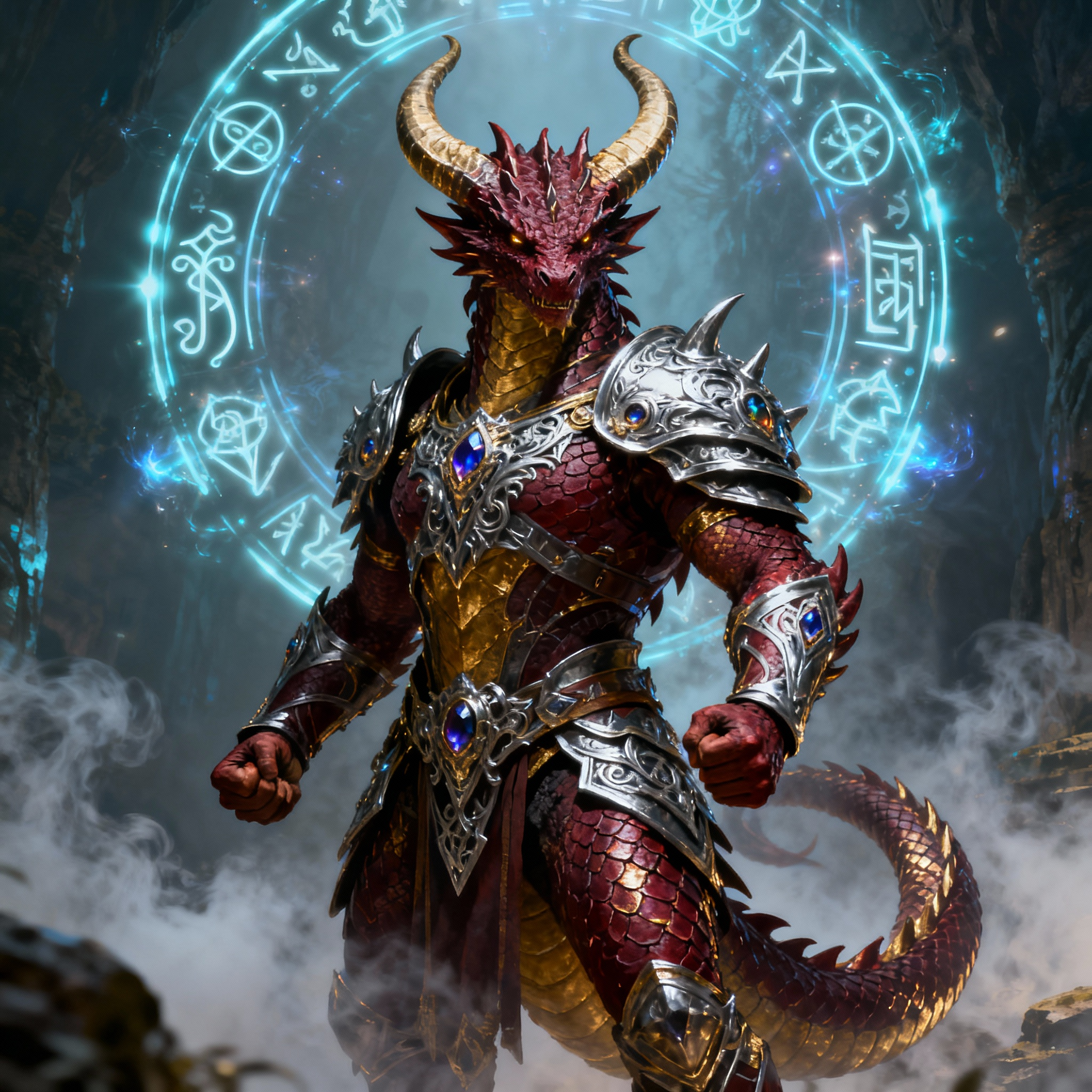
Tieflings trace their lineage to ancient pacts between humans and Asmodeus, overlord of the Nine Hells. This infernal heritage manifests in more than just physical traits like horns, tails, and unusual skin tones—it shapes how tieflings name themselves and are named by others.
Unlike races with unified cultural traditions, tieflings adopt three distinct naming approaches. Some carry Infernal names derived from the language of devils, passed down through generations. These names feature harsh consonants, guttural sounds, and melodic syllables that hint at ancient power. Names like Damakos, Kallista, and Morthos fall into this category.
Others embrace virtue names—single words representing concepts, ideals, or emotions. A tiefling named Despair might struggle against a grim destiny. One called Glory could strive to prove themselves worthy despite prejudice. Virtue names like Hope, Malice, or Temerity announce what the tiefling aspires to become or what society has forced them to embody.
Finally, many tieflings simply adopt names from their mortal culture. A tiefling raised in a human village might carry a perfectly ordinary name like Thomas or Elena, choosing to blend in rather than emphasize their fiendish appearance.
Traditional Tiefling Naming Conventions in D&D 5e
The Player's Handbook establishes clear patterns for tiefling nomenclature. Male Infernal names include Akmenos (steadfast soul), Barakas, Damakos (wounded spirit), Ekemon (truth bearer), Iados (unseen hand), Kairon (eternal flame), Leucis (light in darkness), Melech (king), Mordai, Morthos (dark strength), Pelaios (ancient one), Skamos, and Therai (guiding star).
Female Infernal names feature Akta (fiery one), Anakis (destined leader), Bryseis (noble heart), Criella (eternal flame), Damaia, Ea, Kallista (most beautiful), Lerissa (whispered charm), Makaria (blessed one), Nemeia, Orianna (golden dawn), Phelaia (radiant flower), and Rieta (starry night).
Virtue names transcend gender entirely. The official list includes Art, Carrion, Chant, Creed, Despair, Excellence, Fear, Glory, Hope, Ideal, Music, Nowhere, Open, Poetry, Quest, Random, Reverence, Sorrow, Temerity, Torment, and Weary. These names embody philosophical concepts rather than traditional meanings. A tiefling might choose "Carrion" to represent cleaning up the world's decay, or "Random" to embrace the chaos of their existence.
Mordenkainen's Tome of Foes expands these options with bloodline variants tied to specific archdevils of the Nine Hells, each bringing unique magical abilities and thematic naming opportunities.
Tiefling Names by Gender
Male Tiefling Names
Male tiefling names often emphasize strength, mystery, or ancient power. Consider these options for your next character:
Infernal Origins:
- Akmenos — Steadfast soul; perfect for paladins defying their heritage
- Amnon — Faithful; Hebrew-derived, suggesting religious devotion
- Damakos — Wounded spirit; ideal for characters with tragic backstories
- Ekemon — Truth bearer; suits investigators or clerics
- Iados — Unseen hand; excellent for rogues or spies
- Kairon — Eternal flame; captures elemental power
- Leucis — Light in darkness; represents redemption
- Melech — King; conveys natural leadership
- Morthos — Dark strength; embodies raw power
- Pelaios — Ancient one; suggests wisdom beyond years
- Therai — Guiding star; symbolizes hope and direction
Mythological Inspiration:
- Azrael — Angel of Death from Hebrew tradition
- Baalzebul — Grand Duke of Hell
- Corvus — Latin for raven; associated with omens
- Fenrir — Fearsome wolf god from Norse mythology
- Mephistopheles — Demon from German legend
- Thanatos — Greek god of peaceful death
- Zariel — Fallen angel who rules Avernus, first layer of the Nine Hells
Female Tiefling Names
Female tiefling names blend elegance with underlying menace, offering complexity through contradiction:
Infernal Origins:
- Akta — Fiery one; captures passionate nature
- Anakis — Destined leader; suggests natural authority
- Bryseis — Noble heart; represents inner goodness
- Criella — Eternal flame; embodies immortal passion
- Kallista — Most beautiful; Greek origin, ironic given societal prejudice
- Lerissa — Whispered charm; perfect for bards or sorcerers
- Makaria — Blessed one; represents hope against expectations
- Nemeia — Mysterious; leaves room for interpretation
- Nymessa — Hidden gem (from Baldur's Gate 3)
- Orianna — Golden dawn; symbolizes new beginnings
- Phelaia — Radiant flower; beauty despite harsh circumstances
- Rieta — Starry night; evokes mystery and wonder
Dark Mythology:
- Astarte — Goddess of war and love
- Hecate — Greek goddess of magic and witchcraft
- Ishtar — Mesopotamian goddess of war and sexual love
- Lilith — Adam's first wife in Jewish folklore, who refused submission
- Mania — Roman goddess of the dead
- Nyx — Greek personification of night
Gender-Neutral Virtue Names
Virtue names transcend gender, representing ideals, vices, or destinies:
Positive Aspirations:
- Clarity
- Excellence
- Fortune
- Gentle
- Glee
- Glory
- Harmony
- Hope
- Justice
- Lucky
- Muse
- Poetry
- Reverence
- Song
- Truth
Darker Concepts:
- Avarice
- Calamity
- Carrion
- Creed
- Despair
- Doom
- Entropy
- Fear
- Harbinger
- Hatred
- Malice
- Nowhere
- Oblivion
- Panic
- Plague
- Relentless
- Sorrow
- Temerity
- Torment
- Tyranny
- Vengeance
Baldur's Gate 3 Tiefling Name Examples
Larian Studios populated Baldur's Gate 3 with memorable tiefling NPCs whose names demonstrate authentic naming conventions in practice. The tiefling refugees you encounter showcase the diversity of infernal nomenclature:
Notable Characters:
- Zevlor — Hellrider Paladin leading the refugees
- Alfira — Bard is struggling to complete her song
- Dammon — Blacksmith who can forge infernal iron
- Mol — Young thief running a gang of children
- Karlach — Companion character, former Blood War soldier
- Rolan — Ambitious wizard with siblings Cal and Lia
- Arabella — Child caught in dangerous circumstances
- Zorru — Scout with information about githyanki
- Lakrissa — One of the refugees seeking safety
These names span the spectrum from traditional Infernal (Zevlor, Dammon) to more human-influenced variants (Rolan, Arabella). Notice how each name feels distinct while maintaining authenticity within tiefling naming traditions.
Fire-Inspired Names for Infernal Heritage
Given the association between the Nine Hells and flame, fire-themed names resonate strongly with tiefling characters:
Male Fire Names:
- Agni — Sanskrit for fire
- Barak — Hebrew for lightning
- Ignatius — Latin for fire
- Ognyan — Bulgarian for fiery
- Panu — Finnish for fire
- Pyrrhus — Greek for flame-colored
Female Fire Names:
- Aalish — Persian for flame
- Calida — Latin for fiery, hot
- Ea — Celtic for fire
- Fiamma — Italian for flame
- Narine — Arabic for fire
- Nuria — Arabic for bright
- Seraphina — Hebrew for fiery one
- Sunniva — Norwegian for sun gift
Gender-Neutral:
- Ember — English for spark
- Phoenix — Mythical bird reborn from ashes
Tiefling Last Names and Surnames
While the Player's Handbook focuses primarily on first names, many players create surnames for their tiefling characters. These often reference their infernal nature or attempt to reclaim their narrative:
Infernal-Themed Surnames:
- Burningclaw
- Cinderheart
- Doomcaller
- Firefall
- Grimfyre
- Hellstride
- Lightreaver
- Nightthorn
- Ravenmark
- Shadowseer
- Silversorrow
Cultural Surnames:
Tieflings raised in human societies might adopt their family's surname or create new ones reflecting their experiences. A tiefling blacksmith might take "Ironforge," while one who survived persecution could choose "Endurance."
How to Use a Tiefling Name Generator
A quality tiefling name generator saves time while maintaining authenticity. Here's how to maximize its potential:
Step 1: Define Your Character Concept
Before generating names, establish your character's background. Are they embracing their infernal heritage or fighting against it? Were they raised among humans or in an infernal cult? A character concept guides which names resonate.
Step 2: Consider Gender and Style
Most generators offer gender filters (male, female, gender-neutral) and style options (Infernal names vs. virtue names). Match these to your character. A tiefling warlock who made a pact with their ancestors' patron might prefer traditional Infernal names, while a paladin seeking redemption might choose a virtue name like "Valor" or "Justice."
Step 3: Generate Multiple Options
Don't settle for the first result. Generate 10-15 names and compare them. Read each aloud—names used at the gaming table should be easy to pronounce and remember. Avoid overly complicated spellings that will frustrate your DM and fellow players.
Step 4: Check for Meaning
Quality generators provide meanings and etymological information. A name meaning "dark flame" carries different implications than "gentle dawn." Ensure the meaning aligns with your character's personality and goals.
Step 5: Customize and Combine
Feel free to modify generated names. Maybe you love "Morthos" but want something slightly different—"Morthis" or "Morthen" might work better. You can also combine elements: take a first name from one generation and a surname from another.
Roleplaying Tips: Names and Identity
Your tiefling's name should inform how you roleplay them. Consider these approaches:
Embracing Infernal Names
A tiefling who carries a traditional Infernal name like Damakos or Kallista might have strong ties to their heritage. They could reference family traditions, speak Infernal phrases, or display pride in their ancestry despite others' prejudice. This creates interesting tension when they encounter devils or cultists who assume allegiance based on appearance.
Choosing Virtue Names
Virtue names represent active decisions about identity. A tiefling called "Hope" consciously chose optimism over despair. One named "Malice" either embraced bitterness or ironically reclaimed a slur. In your roleplay, reference moments when living up to your virtue name proves difficult or when you fall short of that ideal.
Hiding Behind Human Names
A tiefling with a name like "Thomas Ashford" likely tried assimilating into human society. They might introduce themselves formally, avoid discussing their heritage, or react with surprise when others immediately recognize their infernal bloodline despite their "normal" name. This creates opportunities for scenes about acceptance and identity.
Carrying Multiple Names
Many tieflings have both a birth name and a chosen name. Perhaps "Malak" became "Despair" after a traumatic event, or "Fear" reclaimed her birth name "Ea" after finding acceptance. These transitions make for powerful character arcs.
Creating Authentic Tiefling Characters
Beyond names, several elements contribute to authentic tiefling characterization:
Physical Appearance
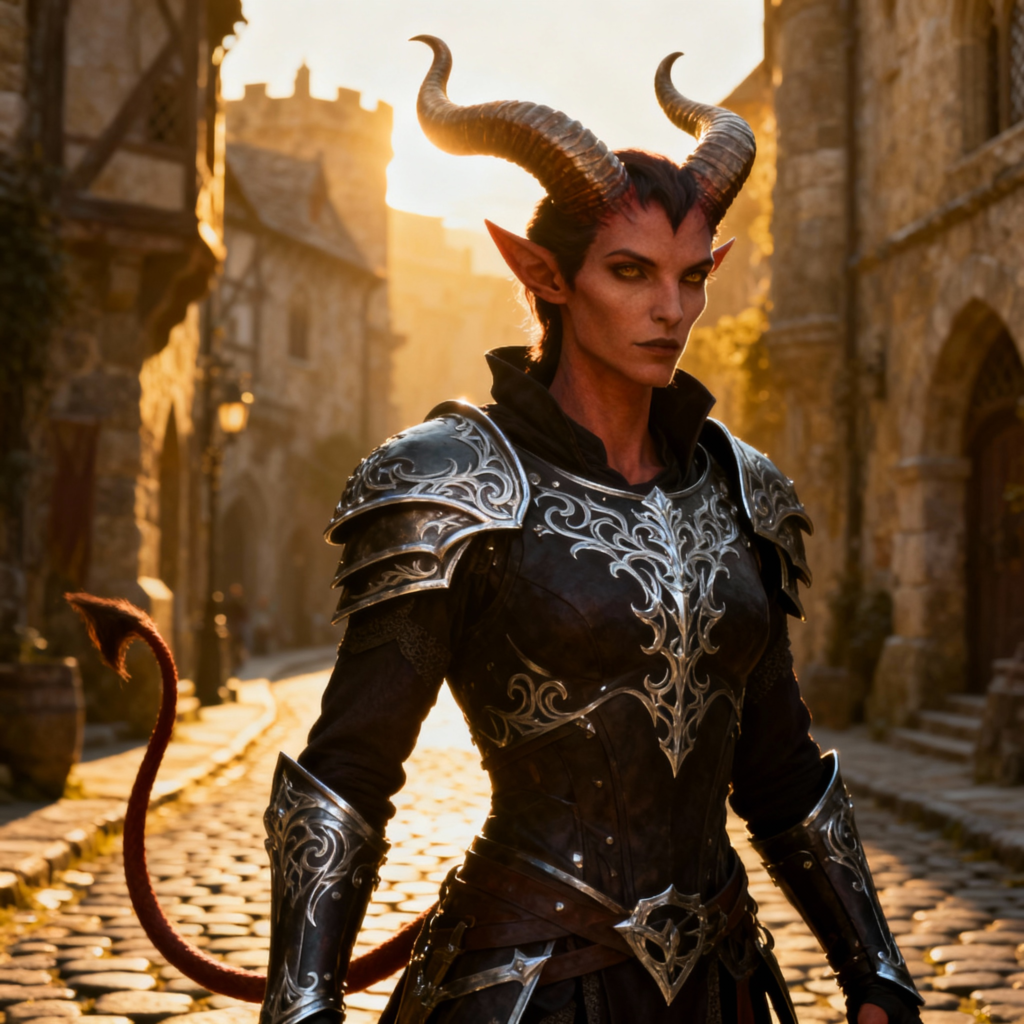
Describe your horns specifically—are they ram-like curls, gazelle-straight points, or antelope spirals? What color is your skin—human-toned, crimson, blue, purple? Do your eyes have visible pupils or solid colors? These details bring your character to life beyond "tiefling with horns."
Relationship with Heritage
How does your character feel about their infernal ancestry? Some tieflings study demonology to understand their nature. Others actively distance themselves from anything hellish. This internal struggle creates compelling roleplay opportunities.
Experiences with Prejudice
Tieflings face mistrust and fear in most D&D settings. Has your character developed thick skin and a sharp wit? Do they lead with charm or intimidation? Have they internalized stereotypes or actively fight against them? Your name choice often reflects these experiences.
Magic and Abilities
Tieflings possess innate magical abilities tied to their infernal bloodline. Thaumaturgy, hellish rebuke, and darkness spell represent this heritage. Consider how your character learned these abilities and whether they view them as gifts or curses.
Frequently Asked Questions About Tiefling Names
What's the difference between Infernal names and virtue names?
Infernal names derive from the language of devils, passed down through tiefling families over generations. They typically feature harsh consonants, melodic syllables, and carry meanings related to power, fire, or ancient concepts. Examples include Damakos (wounded spirit) and Kallista (most beautiful).
Virtue names are single words representing ideals, emotions, or concepts that tieflings choose for themselves. These names announce what the tiefling aspires to become or embody. Examples include Hope, Despair, Excellence, and Malice. Unlike Infernal names inherited from family, virtue names represent personal decisions about identity.
Can tieflings have normal human names?
Absolutely. Many tieflings raised in human societies adopt human naming conventions to blend in. A tiefling born in Waterdeep might be called Margaret Smith or Thomas Blackwood. The Player's Handbook explicitly states that tieflings born into another culture typically have names reflective of that culture. Using a human name often reflects a tiefling's desire to assimilate or their family's attempts to shield them from prejudice.
Are virtue names always positive concepts?
No. While some virtue names represent positive aspirations like Hope, Glory, or Excellence, others embody negative concepts or vices. The official list includes Despair, Fear, Torment, Carrion, and Random. These darker virtue names might represent a tiefling's acceptance of society's view of them, a self-fulfilling prophecy of failure, or an ironic reclamation of hateful labels. Some tieflings embrace these names as honest reflections of their experiences with prejudice.
How do I pronounce tiefling names correctly?
Most tiefling Infernal names follow intuitive pronunciation rules. "Damakos" sounds like DAH-mah-kohs. "Kallista" is pronounced kah-LISS-tah. "Morthos" sounds like MOR-thohs. For virtue names, simply use standard English pronunciation—Hope, Despair, Glory, etc.
When in doubt, ask your DM or fellow players how they'd pronounce a name. D&D prioritizes fun over linguistic accuracy, so the "correct" pronunciation is whatever your table agrees upon. If you're creating a custom name, ensure it's pronounceable at the table to avoid awkward moments.
Do tiefling surnames exist in official D&D lore?
The Player's Handbook and Mordenkainen's Tome of Foes focus primarily on first names, providing extensive lists of male and female Infernal names plus virtue names. However, tieflings can certainly have surnames, particularly those integrated into human society who adopt family names.
Many players create custom surnames for their characters, often combining words that evoke infernal imagery (Hellstride, Shadowseer, Grimfyre) or referencing their character's experiences (Endurance, Outcast, Redeemed). Baldur's Gate 3 shows some tieflings using surnames (like the Kallista family with members Iados, Leucis, Nemi, and Rozes), establishing precedent for this practice.
Can I name my tiefling after actual demons or devils?
You can, but consider the implications. Naming your character after powerful fiends like Asmodeus, Mephistopheles, or Baalzebub suggests either incredible hubris or a direct connection to that entity. Most tieflings avoid this precisely because it draws unwanted attention and reinforces stereotypes.
However, using variations or lesser-known demon names works well. Instead of "Asmodeus," try "Asmoda" or "Modeus." Reference mythological figures like Lilith, Hecate, or Fenrir rather than D&D's established pantheon of devils. This approach maintains infernal flavor without implying your 1st-level character claims descent from Hell's most powerful beings.
Should I match my name to my tiefling's subrace?
Mordenkainen's Tome of Foes introduced tiefling subraces tied to specific archdevils: Asmodeus, Baalzebul, Dispater, Fierna, Glasya, Levistus, Mammon, Mephistopheles, and Zariel. While you're not required to reflect this in your name, doing so adds thematic coherence.
A Zariel tiefling (gaining Strength bonus and martial spells) might choose a name suggesting warrior heritage like Damakos or Valor. A Glasya tiefling (focused on deception and illusion) could pick something mysterious like Lerissa or Whisper. A Levistus tiefling (with cold-based abilities) might reference ice or frost in their name. These connections enrich your character's background without being mandatory.
What if I want a tiefling name that doesn't sound "evil"?
Many tiefling names carry neutral or even positive connotations despite their infernal origins. Orianna means "golden dawn," Phelaia means "radiant flower," and virtue names like Hope, Gentle, or Muse explicitly reject darkness. Remember that tiefling appearance doesn't determine personality—a character with crimson skin and curling horns might be the group's most compassionate member.
Focus on meanings rather than harsh sounds. Names like Lerissa (whispered charm), Kallista (most beautiful), or Ea (fire) sound elegant rather than threatening. Pair these with surnames suggesting positive qualities: Lightbringer, Dawnkeeper, or Starwatcher. Your name should reflect your character's personality, not reinforce stereotypes about tieflings.
Find Your Perfect Tiefling Name
Naming your tiefling character represents more than checking a box on your character sheet. The right name captures their relationship with infernal heritage, their hopes for the future, and the weight of generations of prejudice or pride. Whether you choose the ancient power of Morthos, the defiant hope of a virtue name, or the subtle assimilation of a human-sounding identity, your tiefling's name tells a story before you roll your first initiative.
Use the lists above as starting points, mix and match elements that resonate with your character concept, and remember that names can evolve. The tiefling who begins their journey as "Malice" might earn a new name—"Mercy" or "Valor"—after proving themselves to companions who looked past horns and crimson skin to see the hero within.
Your tiefling awaits. Choose their name with intention, speak it with pride, and let it carry the weight of the story you're about to tell.