Orc Name Generator
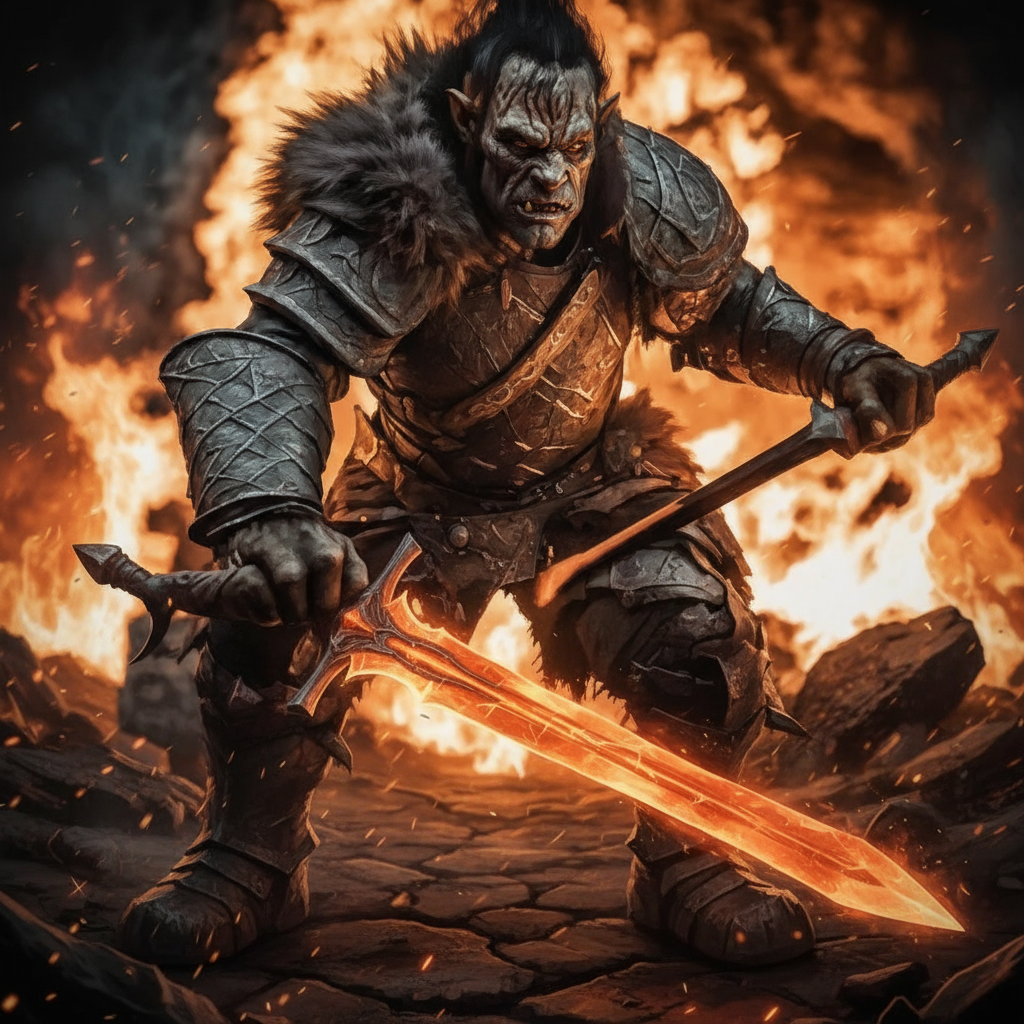
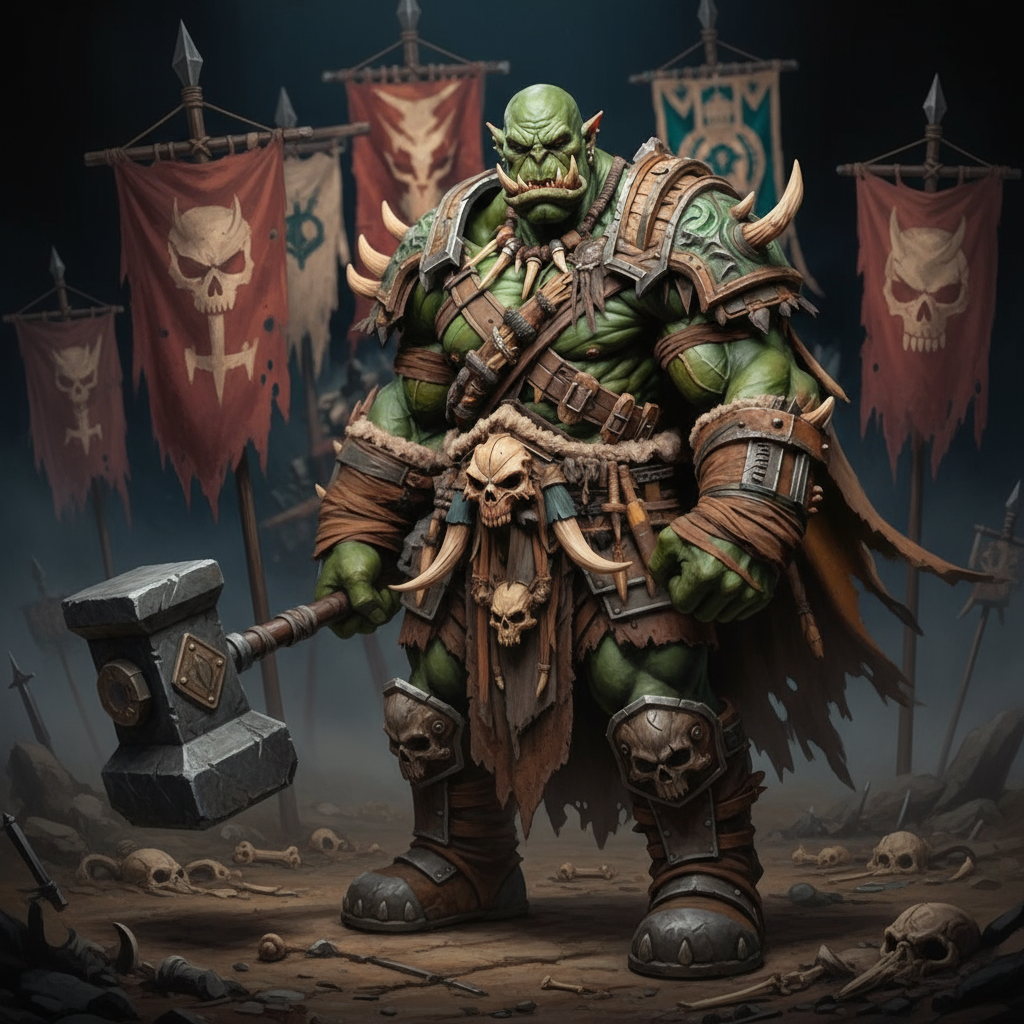
Raid with tribal fury using our orc name generator! Generate fierce warrior names perfect for Warhammer, DnD 5e, or Warcraft-style greenskin campaigns.
Gender Preference
Generating magical names...
Forge Legendary Warrior Names
Naming an orc shouldn't feel like guesswork. Whether you're building a savage warlord for your next D&D campaign or creating a proud chieftain for your World of Warcraft guild, the right name establishes immediate presence. It tells your audience this character earned their place through blood, honor, and unwavering strength.
This guide explores the cultural depth behind orc naming conventions, breaks down the phonetic patterns that make names sound authentically brutal, and provides practical strategies for customizing generated names to match your character's backstory. You'll discover how names like Thrall and Doomhammer aren't random collections of harsh syllables—they're compressed narratives of triumph, survival, and tribal legacy.
Understanding Orc Naming Traditions
Orc names carry weight because they function as reputation condensed into sound. These aren't gentle monikers bestowed at birth—they're declarations forged through demonstrated capability.
Traditional orc naming follows a two-part structure: a given name reflecting inherent traits, followed by a surname or epithet earned through deeds. Consider "Grom Hellscream." The first element identifies the individual, while "Hellscream" immortalizes his terrifying battle cry. This pattern appears across fantasy settings, from Tolkien's Middle-earth to Blizzard's Azeroth.
The phonetic construction matters just as much as meaning. Orc languages favor guttural consonants—hard K sounds, harsh Gs, and abrupt stops that mirror the physicality of orcish culture. Names like Durotan, Thrall, and Garrosh use these sounds deliberately, creating an aggressive cadence that feels appropriate for warriors who settle disputes through combat.
Cultural context shapes naming conventions differently across fantasy universes. In Warcraft lore, orc clans like the Frostwolf or Blackrock often influence surnames, tying individual identity to tribal heritage. D&D orcs might take names referencing their stronghold or patron deity. Elder Scrolls orcs use prefixes like "Gro-" (son of) or "Gra-" (daughter of) to denote lineage.
The most compelling orc names balance brutality with purpose. "Stonefist" suggests unyielding power earned through countless battles. "Bloodfang" indicates a warrior who draws blood with devastating efficiency. These aren't flowery epithets—they're battlefield résumés compressed into single words.
The Psychology Behind Orc Name Construction
Harsh consonants and aggressive phonetics don't just sound intimidating—they trigger psychological responses that align with orcish warrior culture. Research into phonosemantics suggests that certain sounds carry inherent associations: plosives like /k/, /g/, and /b/ convey impact and force, while guttural consonants like /r/ and /kh/ suggest roughness and aggression.
When you hear "Grommash" or "Kilrogg," your brain processes these sounds differently than softer names like "Elara" or "Finnian." The hard consonants create a percussive quality that mirrors the clash of weapons and the roar of battle—precisely the environment that defines orc existence.
Orc names typically average 4-6 sounds in length, as demonstrated by analysis of fantasy naming conventions. This brevity serves practical purposes. Short names are easier to bellow across battlefields, reducing syllabic complexity that might get lost amid combat chaos. Names like "Durg," "Thrall," and "Bolg" pack maximum impact into minimal sound.
The positioning of harsh consonants matters significantly. Initial plosives (like the /g/ in "Gul'dan" or /k/ in "Kargath") create immediate force, while word-final stops (the /g/ in "Uglúk" or /k/ in "Azog") leave lasting impressions. Clustering consonants—as in "Grommash" or "Drek'Thar"—intensifies the aggressive quality.
Cultural meaning layers additional depth onto phonetic construction. Orcs don't name children "Skullcrusher" at birth—that epithet comes later, after crushing actual skulls. Psychology recognizes that names evolve through achievement, creating aspirational pressure. A young orc bearing only a given name fights harder to earn that defining surname that will mark their place in tribal history.
Orc Name Variations Across Fantasy Settings
World of Warcraft: Clan Heritage and Honor
Warcraft orcs construct identity through clan affiliation and personal achievement. The Frostwolf Clan produces names like Durotan (meaning "Honor of the Clan") and Thrall (who transcended his slave name to become Warchief). Meanwhile, the Blackrock Clan favors names emphasizing martial prowess: Blackhand, Rend, and Maim.
Female orc names like Draka ("Fearless") and Garona ("Respected Assassin") demonstrate that orcish culture doesn't soften naming conventions based on gender. Both male and female warriors earn epithets through combat excellence, spiritual leadership, or tactical brilliance.
Warcraft's naming system also incorporates shamanistic elements. Names like Drek'Thar ("Wise Shaman") and Gul'dan ("Dark Sorcerer") reference spiritual roles rather than purely martial achievements, showing how orc society values multiple paths to power.
Dungeons & Dragons: Stronghold Surnames and Tribal Identity
D&D orcs follow different conventions depending on their cultural integration. Those living in human settlements might adopt Common tongue names, while isolated tribes maintain traditional orcish naming.
The stronghold surname system—where orcs identify by their tribal home—creates names like "Gorgol of the Broken Tooth" or "Thrain of the Iron Mountain." This geographical anchor grounds characters in specific communities with distinct values and histories.
Half-orcs navigate dual heritage through hybrid naming. They might carry an orcish given name (like "Korgath") paired with a human surname (like "Ironforge"), or vice versa, reflecting their struggle to belong in either culture fully.
Tolkien's Middle-earth: The Black Speech Legacy
Tolkien's orcs speak Black Speech, a language deliberately crafted to sound harsh and unpleasant. Names like Uglúk ("Savage warrior"), Azog ("Pale terror"), and Gorbag ("Fierce fighter") emerge from this linguistic foundation.
These names frequently incorporate the possessive suffix "-úk" or aggressive prefixes like "Az-" and "Gor-," creating consistency across Tolkien's orcish vocabulary. The phonetic patterns established in Middle-earth have influenced fantasy naming conventions for decades, establishing templates that modern generators still reference.
Warhammer: Savage Orcs and Tribal Warfare
Warhammer's greenskins embrace even more primitive naming structures. Savage Orcs specifically favor simple, direct names reflecting their rejection of "civilized" customs. Names like "Grimgor Ironhide" or "Wurrzag Ud Ura Zahubu" emphasize raw power over sophisticated meaning.
The Warhammer universe also introduces titles that function as names: "The Great," "The Black," "Da Big Boss." These descriptors often replace traditional surnames entirely, particularly among particularly successful warlords.
How to Use an Orc Name Generator Effectively
Name generators serve as creative springboards, not final destinations. The best approach treats generated results as raw material requiring refinement.
Start with clear parameters. Most quality generators offer filters for gender, name length, and phonetic preferences. If you're creating a female Blackrock warrior, specify those constraints upfront. This narrows results to culturally appropriate options rather than forcing you to sort through hundreds of generic alternatives.
Generate in batches, then compare. Create 10-15 names at once and examine them side-by-side. Look for patterns you find appealing—certain consonant clusters, particular syllable counts, or specific meanings that resonate with your character concept. This comparative analysis reveals your aesthetic preferences more clearly than examining single names in isolation.
Mix and match components. Generated names work brilliantly as modular parts. You might love the surname "Bloodfang" from one result and the given name "Korgath" from another. Combining these elements creates "Korgath Bloodfang"—a name that feels earned rather than randomly assigned.
Test pronunciation aloud. Orc names should feel comfortable in your mouth when roleplaying. If you stumble over consonant clusters or trip on syllable transitions, the name won't work during actual gameplay. Say it five times fast—if it still sounds good, you've found something workable.
Consider etymology and meaning. Quality generators provide meaningful breakdowns alongside names. A warrior focused on defensive tactics might suit "Stonefist" (unyielding power) better than "Bloodfang" (aggressive offense). Meaning adds narrative depth that pure sound can't provide alone.
Check for unintended associations. Before committing to a name, verify it doesn't accidentally reference something inappropriate or comedic. Fantasy naming occasionally produces unfortunate combinations that sound fine in isolation but carry baggage in a broader cultural context.
Iterate based on feedback. Share potential names with fellow players or gaming groups. Their immediate reactions provide valuable data—if everyone struggles to remember or pronounce your carefully chosen name, it's not working, regardless of how much you personally like it.
Customizing Generated Names for Character Depth
Raw-generated names become memorable characters through strategic customization that aligns sound with backstory.
Layer earned titles onto base names. Your orc might start as simply "Durg" but become "Durg the Unbreakable" after surviving an impossible siege, then evolve into "Durg Shieldbreaker" after defeating a legendary paladin. These accumulated epithets create a narrative progression visible in the name itself.
Incorporate clan affiliations deliberately. Rather than accepting generated surnames at random, choose or modify them to reflect tribal membership. If your character hails from a mountain fortress clan, surnames like "Stonefist," "Rockbreaker," or "Mountainborn" reinforce that heritage. Coastal raiders might favor "Wavecrusher," "Tidebringer," or "Stormfang."
Adjust phonetics to match personality. Aggressive, straightforward warriors suit harsh, plosive-heavy names like "Korgath" or "Grimgar." More cunning or strategic orcs might carry names with smoother consonants—"Thrain" or "Nazgrel"—suggesting calculated intelligence rather than pure brutality.
Add cultural linguistic markers. Different fantasy settings employ distinct phonetic signatures. Warcraft orcs frequently use apostrophes (Gul'dan, Drek'Thar, Ner'zhul), while Tolkien's Black Speech favors harsh consonant clusters without breaks. Matching these patterns signals which universe your character inhabits.
Consider generational naming patterns. Some orc cultures pass down name elements through families. A chieftain named "Durotan" might father "Thrall Durotanson," creating a lineage that players can trace. This works especially well for long-running campaigns where family legacy matters.
Modify for character arc. Names can evolve alongside character development. An orc who abandons brutal warrior culture to pursue shamanism might shed their violent epithet ("Skullcrusher") for something reflecting their new path ("Spiritseeker"). This transformation gives weight to roleplay choices.
Test thematic consistency. Your customized name should feel cohesive with your character's broader identity. A stealthy rogue doesn't suit "Thunderfist," regardless of how intimidating it sounds. Ensure name components align with combat style, personality traits, and narrative role.
Top 50 Orc Names by Category
Male Warrior Names
- Grommash Hellscream - Mighty rage, terrifying battle cry
- Durotan Frostwolf - Honor of the clan, cold wolf heritage
- Thrall Doomhammer - Warchief, weapon of destruction
- Kargath Bladefist - Blade fist, legendary weapon
- Orgrim Doomhammer - Legendary hammer wielder
- Blackhand Irongrasp - Iron fist, unyielding control
- Kilrogg Deadeye - Blind eye, sacrificed for vision
- Nazgrel Battleborn - Fearless hero, born for war
- Varok Saurfang - Noble strength, legendary warrior
- Eitrigg Honorbound - Tied to honor, oath-keeper
- Uglúk Savage - Savage warrior, brutal fighter
- Azog Defiler - Pale terror, one who desecrates
- Bolg Oppressor - Strong oppressor, tyrant
- Gorbag Fierce - Fierce fighter, relentless
- Mauhúr Silent - Silent hunter, patient stalker
- Shagrat Harsh - Harsh ruler, cruel commander
- Muzgash Darkscar - Dark scar, marked by battle
- Grugg Stonefist - Strong, unyielding power
- Durg Ironbreaker - Brutal, shatters iron
- Korgath Skullsplitter - One who cleaves skulls
Female Warrior Names
- Draka Fearless - Without fear, brave warrior
- Garona Halforcen - Respected assassin, hybrid heritage
- Aggra Earthmother - Savage, spiritual leader
- Sharka Vicious - Vicious, fierce combatant
- Zaela Dragonmaw - Protector, dragon clan
- Yrel Lighthammer - Lightbearer, paladin
- Nazgrim Loyalheart - Faithful warrior, devoted
- Thura Axeborne - Carries ancestral axe
- Oregorger Stonebreaker - Devours ore, breaks stone
- Gorgonna Bloodfang - Draws blood with fangs
Gender-Neutral Chieftain Names
- Bloodreaver - One who takes blood
- Ironhide - Tough skin, defensive prowess
- Doomhowl - Terrifying roar, voice of destruction
- Grimgor - Grim gore, dark violence
- Stormrage - Storm fury, elemental wrath
- Bonecrusher - Breaks bones, devastating strength
- Warfang - Battle tooth, combat expertise
- Skullthrone - Rules over death
- Ashbringer - Brings destruction, leaves ash
- Nightbane - Terror of Darkness
Shaman and Spiritual Names
- Drek'Thar Farseeing - Wise shaman, spiritual vision
- Ner'zhul Shadowmoon - Death knight, dark spiritualist
- Gul'dan Deceiver - Dark sorcerer, warlock
- Rehgar Earthfury - Earth shaman, elemental power
- Thrall Worldshaman - World shaman, spiritual leader
- Zalazane Hexlord - Voodoo practitioner
- Nobundo Broken - Redeemed shaman, transformed
- Geyah Elder - Wise elder, spiritual guide
- Greatmother Geyah - Ancestral wisdom keeper
- Palkar Spiritseeker - Searches for spiritual truth
Building Backstory Through Names
Every powerful orc name contains a story waiting to unfold. The difference between "Korgath" and "Korgath the Unbreakable" isn't just added words—it's a narrative compressed into identity.
Earned epithets reveal character arc. Consider how a young orc named simply "Thrall" evolves through slavery, liberation, shamanic awakening, and eventual leadership. Each phase of his journey could justify different surnames: "Thrall Chainbreaker" during escape, "Thrall Earthcaller" after discovering shamanism, and finally "Thrall Worldshaman" after achieving spiritual mastery. The name tracks growth.
Clan surnames establish heritage. An orc bearing "Frostwolf" immediately signals membership in Durotan's clan—a lineage emphasizing honor, strategic thinking, and shamanistic tradition over pure brutality. Contrast this with "Blackrock," which suggests militaristic discipline and warrior excellence. Players absorb this context before you speak a single word of backstory.
Physical descriptors anchor visual identity. Names like "Ironhide" or "Blacktooth" create instant mental images. When you introduce "Grommash Hellscream," audiences picture an orc whose battle cry literally terrifies enemies. The name performs world-building work automatically, freeing you to explore deeper characterization rather than establishing basics.
Contradictory names create intrigue. An orc bearing a brutal name like "Skullcrusher" who practices careful diplomacy generates immediate interest. The tension between reputation and behavior invites investigation. Similarly, a gentle name paired with savage actions suggests a fall from grace or deliberate deception.
Historical references add depth. Naming an orc "Doomhammer" after a legendary weapon connects them to broader lore. Even players unfamiliar with the reference recognize the name carries weight. This technique works particularly well in established settings like D&D's Forgotten Realms or Warcraft's Azeroth.
Linguistic evolution tells migration stories. An orc with a traditional Black Speech name like "Uglúk" living in human lands creates questions. Why hasn't this character adopted Common naming conventions? Are they a recent arrival, a stubborn traditionalist, or a refugee maintaining cultural identity in exile?
Frequently Asked Questions
What makes a good orc name for D&D campaigns?
Strong D&D orc names balance memorability with cultural authenticity. Aim for 4-7 sounds maximum—names like "Thrall," "Durotan," or "Garona" stick in players' minds without requiring repeated pronunciation corrections. Include at least one hard consonant (K, G, R, or guttural sounds) to maintain orcish phonetic character.
For longevity in ongoing campaigns, choose names that allow for evolution. A base name like "Korgath" can accumulate earned titles ("Korgath the Unyielding," "Korgath Ironbreaker") as your character develops, creating visible progression that other players notice and remember.
How do orc naming conventions differ between Warcraft and Tolkien's Middle-earth?
Warcraft orcs favor compound names reflecting clan heritage and personal achievement: Grom Hellscream, Durotan Frostwolf, Thrall Doomhammer. These names often incorporate shamanistic or spiritual elements, acknowledging that orcish culture values mysticism alongside martial prowess.
Tolkien's orcs use Black Speech—a deliberately harsh language with consistent phonetic patterns. Names like Uglúk, Azog, and Gorbag employ the "-úk" suffix and aggressive prefixes (Az-, Gor-, Mau-) that signal Middle-earth origins. Tolkien's orcs rarely carry surnames, instead using simple descriptors when additional identification becomes necessary.
Can female orcs have the same aggressive names as males?
Absolutely. Orcish culture across most fantasy settings doesn't soften naming conventions based on gender. Female warriors like Draka ("Fearless"), Garona ("Respected Assassin"), and Aggra ("Savage") carry names as fierce as any male counterpart.
The key distinction lies in achievement rather than gender. A female orc who earns the epithet "Skullcrusher" through battlefield dominance deserves that title just as much as a male warrior would. Names reflect capability and reputation—characteristics not limited by gender in orcish societies that value strength above all else.
Should I use an apostrophe in my orc name?
Apostrophes serve specific purposes in fantasy naming. In Warcraft lore, they indicate glottal stops or breaks between name elements: Gul'dan, Drek'Thar, Ner'zhul. This convention signals a particular universe while adding visual distinction.
However, apostrophes can create pronunciation confusion during gameplay. If players constantly stumble over "Korg'ath," the name fails its primary function—easy identification. Use apostrophes sparingly and only when they enhance rather than complicate pronunciation. When in doubt, test by speaking the name aloud five times quickly.
How do I create orc names for homebrew settings?
Start by defining your setting's orcish linguistic patterns. Will your orcs use hard consonants exclusively, or allow softer sounds? Do surnames reflect achievements, clan affiliations, or geographic origins? Establishing these rules creates consistency.
Next, generate 20-30 sample names following your established patterns. Look for emergent themes—do certain consonant clusters appear repeatedly? Are particular syllable counts more common? These patterns become your setting's "orcish sound," which players will internalize and recognize.
Finally, create meaning frameworks. Decide whether names in your world reference gods, ancestral heroes, natural phenomena, or combat achievements. Consistent meaning structures help names feel connected to the broader culture rather than random collections of harsh syllables.
What if my generated orc name sounds too similar to existing characters?
Minor similarities don't matter—fantasy is full of variations on "Grim-," "-rok," and "-gar." However, avoid direct copies of famous names like Thrall, Grommash, or Durotan unless you're deliberately creating homages.
If a generated name feels too close to an existing IP, modify one element. Change "Grimgor" to "Grimrak" or "Korgor." Swap the surname: "Ironhide" becomes "Ironbreaker" or "Steelhide." These small adjustments create legal and creative distance while maintaining the phonetic qualities you found appealing.
How many names should my orc character have?
Most orcs start with a simple given name, then accumulate epithets through achievements. A young warrior might be simply "Durg," but after proving themselves becomes "Durg Ironbreaker," and eventually "Durg Ironbreaker the Unbreakable" after legendary battles.
For gameplay practicality, stick to two elements maximum during regular use: given name plus one surname or epithet. Reserve longer titles for formal introductions or important story moments. This keeps identification simple while maintaining the option for expanded naming during climactic scenes.
Forge Your Legendary Identity
The right orc name does more than identify your character—it establishes presence, signals cultural heritage, and creates immediate narrative weight. Whether you're building a savage Blackrock warrior, a wise Frostwolf shaman, or a cunning half-orc rogue navigating two worlds, your name becomes the first impression that shapes every interaction.
Names like Thrall, Durotan, and Grommash endure because they balance phonetic impact with meaningful depth. They sound appropriately fierce while carrying stories of honor, sacrifice, and achievement. Your character's name should accomplish the same, serving as a compressed narrative that hints at the journey ahead.
Use generators as creative tools rather than final answers. Generate multiple options, mix components that resonate, and customize results until the name feels earned rather than assigned. Test pronunciation aloud, verify it works in your chosen setting's linguistic framework, and ensure it can evolve alongside your character's development.
Above all, remember that the most memorable names emerge from understanding the culture behind them. Orc naming conventions aren't arbitrary collections of harsh sounds—they're systems reflecting values of strength, honor, and earned reputation. When your name embodies those principles, it transcends mere identification to become legend.