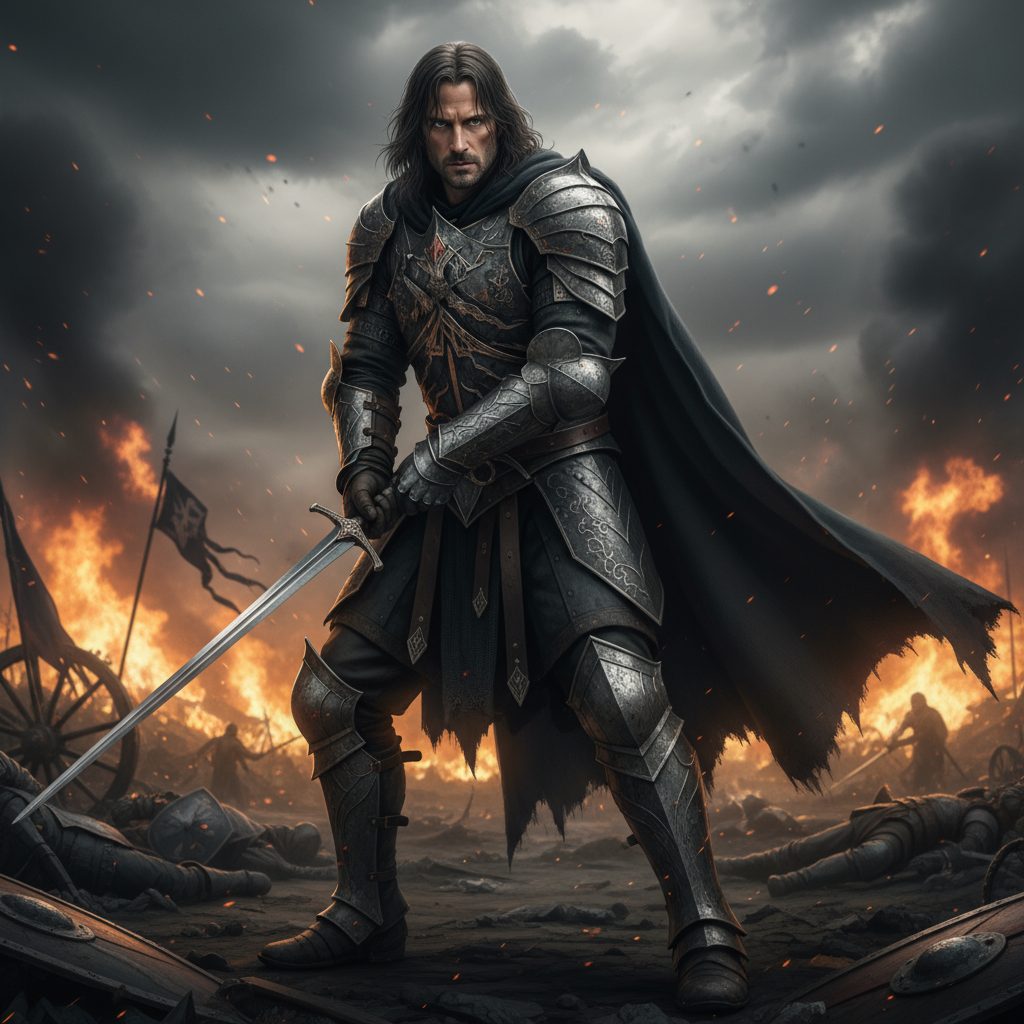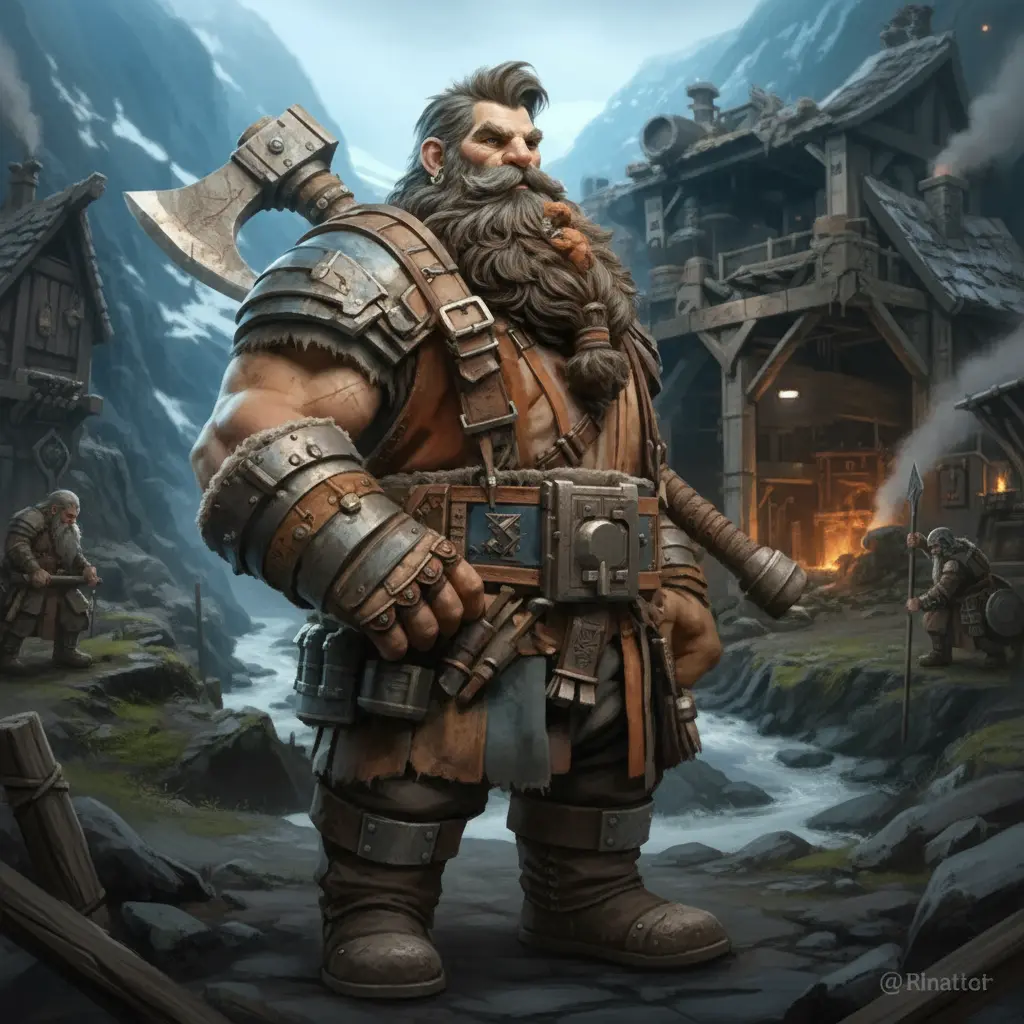
Half-Orc Name Generator
Overcome prejudice with strength using our half-orc name generator! Forge powerful warrior names perfect for DnD 5e, Pathfinder barbarians, or redemption stories.
Gender Preference
Generating magical names...
Forge Your Warrior Identity
Half-orcs exist at the crossroads of two worlds, carrying the raw strength of orcish ancestry and the adaptability of human heritage. These formidable beings face discrimination from both cultures yet forge identities through sheer determination and martial prowess. Whether you're creating a battle-hardened barbarian for your next D&D 5e campaign or developing a complex character struggling with dual heritage, the right name captures that fierce duality.
This guide explores the rich naming traditions of half-orcs, from guttural orcish sounds to softer human influences, and provides everything you need to create an authentic character identity that resonates at the table.
The Lore and History of Half-Orcs
Half-orcs emerged from the friction between human and orcish civilizations—sometimes through political marriages sealing uneasy alliances, other times through conquest and conflict. These unions produced offspring who inherited impressive physical strength from their orc lineage and remarkable adaptability from their human side.
The assassination of Mystra during the Spellplague reshaped how the peoples of Faerûn viewed these mixed-heritage individuals. King Obould Many-Arrows unified mountain orc tribes into the Kingdom of Many-Arrows, establishing the first recognized orcish realm and demonstrating that orcs could create civilized societies. The resulting treaties produced generations of half-orcs who served as living bridges between cultures.
Physical Characteristics
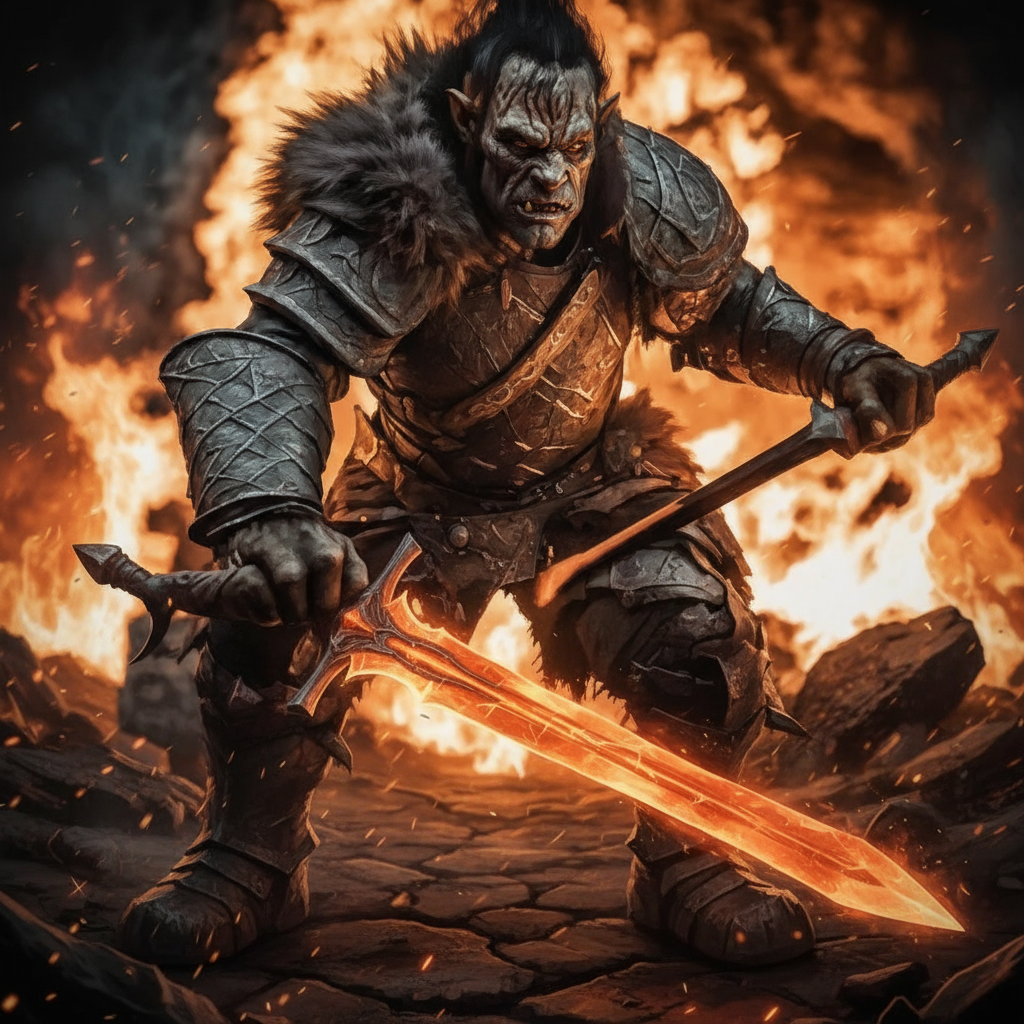
Half-orcs typically stand between 5 and 7 feet tall, with powerful builds weighing 180 to 250 pounds. Their skin ranges from grayish tones to greenish hues, and prominent lower canines often jut from their mouths. Sloping foreheads and heavy jawlines mark their orcish heritage, while their overall features remain more refined than full-blooded orcs.
These physical traits make half-orcs instantly recognizable, for better or worse. Many face prejudice in human settlements while struggling to prove themselves among orcish tribes that question their loyalty.
Cultural Identity
Half-orcs mature faster than humans, reaching adulthood around age 14, yet rarely live beyond 75 years. This compressed timeline shapes their worldview—they approach life with urgency, driven to prove their worth before time runs out.
Most half-orcs grow up feeling like outsiders. Those raised in human communities face suspicion and fear. Those living among orcs must constantly demonstrate strength to avoid being seen as weak. This perpetual struggle for acceptance drives many half-orcs toward adventuring, where deeds matter more than bloodlines.
Understanding Half-Orc Naming Conventions
Half-orc names reflect the tension between two cultural identities. Unlike elves with their flowing, melodic names or dwarves with their ancestral clan titles, half-orcs adopt naming practices based on their upbringing and aspirations.
Orcish Names
Traditional orc names feature short, harsh syllables with guttural consonants. Names like Gell (meaning "to shout"), Thokk ("brutal warrior"), and Krusk ("fierce leader") emphasize raw power and intimidation. These names aren't chosen for poetic beauty—they're designed to project strength and command respect through force of sound alone.
Male Orcish Names:
- Dench (brave warrior)
- Feng (sharp blade)
- Holg (strong arm)
- Imsh (mighty)
- Mhurren (silent protector)
- Ront (untamed strength)
- Shump (sturdy)
Female Orcish Names:
- Baggi (bag of muscles)
- Engong (fierce protector)
- Kansif (thunderous)
- Myev (quiet strength)
- Neega (fierce spirit)
- Ovak (wild beauty)
- Ownka (bold warrior)
- Sutha (strong heart)
- Vola (untamed strength)
- Yevelda (leader)
Human-Influenced Names
Half-orcs raised in human settlements often adopt standard human names to blend in. A character named "John" or "Marcus" might downplay their heritage to avoid discrimination. Others choose human names with harder consonants—William becomes "Will," Alexander becomes "Axel"—creating a middle ground between cultures.
Some half-orcs deliberately select intimidating human names. Titles like "Brock," "Thane," or "Garrick" sound appropriately fierce while remaining pronounceable for human companions.
Hybrid Naming Patterns
The most interesting half-orc names blend both traditions. A character might carry an orcish first name with a human surname, or vice versa. These hybrid names tell stories of mixed heritage and cultural navigation:
- Grum Bloodfist (Orcish "resolute" + Common "aggressive fighter")
- Davor Brokenaxe (Slavic "fierce" + Common warrior epithet)
- Tegrin Ironhide (Orcish "tenacious" + Common "resilient")
- Volga Grimjaw (Slavic "wild" + Common "stern leader")
- Ollgra Stonehand (Orcish "swift" + Common "strong worker")
These compound names often include epithets earned through deeds—"Bloodfist" suggests a brutal fighter, while "Stonehand" implies skilled craftsmanship or unwavering determination.
Linguistic Origins and Sounds
The Orc language, as described in D&D lore, consists of harsh, grating sounds with hard consonants. It lacks its own script, typically being written in Dwarvish characters when necessary. This phonetic harshness influences how half-orcs speak and name themselves.
Guttural Phonetics
Orcish names favor these sound patterns:
Hard consonants: K, G, R, T, D, Z, TH
Abrupt endings: -k, -g, -sh, -th, -r
Short, punchy syllables: One to two syllables dominate
Vowel preference: Short "u" and "o" sounds over soft "e" or "i"
Compare the orcish "Throkk" with the elven "Thranduil"—the former hits like a hammer blow, while the latter flows like water. This distinction isn't accidental. Orc names evolved in a culture that values direct confrontation over subtle diplomacy.
Human Adaptations
Half-orcs who adopt human names often unconsciously preserve some guttural elements. "Gregory" becomes "Grog," "Harold" shortens to "Hrol." This linguistic compromise lets them maintain a connection to their heritage while navigating human society.
Comprehensive Half-Orc Name List
Male Names
Name | Meaning | Origin |
Azog | Demon king | Orcish |
Dench | Brave warrior | Orcish |
Dorgh | Fierce spirit | Orcish |
Drogar | Ironheart | Orcish |
Durg | Bold | Orcish |
Feng | Sharp blade | Orcish |
Gorlak | Stormbringer | Orcish |
Gorgrim | Grim strength | Orcish |
Grendok | Fierce beast | Orcish |
Grom | Brave | Orcish |
Grunk | Unyielding | Orcish |
Henk | Determined | Orcish |
Holg | Strong arm | Orcish |
Hrok | Brave warrior | Orcish |
Imsh | Mighty | Orcish |
Karnok | Thunder's fury | Orcish |
Keth | Unyielding | Orcish |
Krulk | Tenacious | Orcish |
Krusk | Fierce leader | Orcish |
Luthok | Shadow walker | Orcish |
Mhurren | Silent protector | Orcish |
Narzug | Fear's shadow | Orcish |
Rogar | Mighty one | Orcish |
Ront | Untamed strength | Orcish |
Shump | Sturdy | Orcish |
Skarnak | Stonebreaker | Orcish |
Throk | Tenacious | Orcish |
Thranak | Thunderous | Orcish |
Thokk | Brutal warrior | Orcish |
Urgok | Fiery strength | Orcish |
Uruk | Mighty | Orcish |
Volen | Brave | Orcish |
Vrakar | Blood-blade | Orcish |
Zarnak | Defender | Orcish |
Zugoth | Iron terror | Orcish |
Female Names
Name | Meaning | Origin |
Azka | Fearless | Orcish |
Baggi | Bag of muscles | Orcish |
Drakara | Dragon wrath | Orcish |
Emen | Silent protector | Orcish |
Engong | Fierce protector | Orcish |
Fera | Brave heart | Orcish |
Kansif | Thunderous | Orcish |
Lokna | Determined | Orcish |
Lurka | Swift shadow | Orcish |
Myev | Quiet strength | Orcish |
Neega | Fierce spirit | Orcish |
Orka | Powerful | Orcish |
Ovak | Wild beauty | Orcish |
Ownka | Bold warrior | Orcish |
Rokara | Night strider | Orcish |
Shakara | Hunter | Orcish |
Shautha | Quiet strength | Orcish |
Sutha | Strong heart | Orcish |
Throkka | Warrior blood | Orcish |
Ula | Courageous | Orcish |
Ushara | Mountain protector | Orcish |
Valka | Warrior maiden | Orcish |
Vasha | Warrior | Orcish |
Vola | Untamed strength | Orcish |
Volen | Battle-hardened | Orcish |
Ygrin | Resilient | Orcish |
Yevelda | Leader | Orcish |
Zara | Strength | Orcish |
Gender-Neutral Names
Name | Meaning | Origin |
Grell | Stone fist | Orcish |
Krag | Mountain | Orcish |
Rath | Fury | Orcish |
Skar | Marked one | Orcish |
Thar | Thunder | Orcish |
Vrok | Iron | Orcish |
Zarn | Sharp | Orcish |
How to Use a Half-Orc Name Generator
Name generators streamline character creation by producing authentic-sounding options based on established naming conventions. Rather than struggling to invent something that "sounds orcish," you can explore hundreds of combinations that blend linguistic patterns appropriately.
Selecting Your Preferences
Most generators offer customization options:
Gender selection: Choose male, female, or neutral names
Syllable count: Control name length (1-4+ syllables)
Cultural emphasis: Lean more orcish or more human
Starting/ending letters: Match your preferences
Advanced generators also provide meaning breakdowns and etymology sources, showing whether components derive from Orcish, Common, Slavic, or other linguistic roots.
Generating and Refining
The process typically works like this:
- Set your parameters based on the character concept
- Generate multiple options (most tools produce 5-10 at once)
- Review meanings and pronunciation to ensure they fit
- Save favorites for later comparison
- Regenerate until something clicks
Don't settle for the first result. Generate dozens of names, save your top choices, then step away. Return later with fresh eyes—you'll know immediately which name suits your character.
Practical Tips
Say it out loud. Half-orc names should feel powerful in your mouth. If you stumble over pronunciation, your tablemates will too.
Consider nicknames. Many half-orcs adopt shortened versions—Mhurren becomes "Mur," Thrakka shortens to "Thrak." Build this into your character's social dynamics.
Match the backstory. A half-orc raised by humans shouldn't have a purely orcish name unless there's a compelling reason. Let naming choices reveal character history.
Test table readability. Your DM and fellow players need to remember your name. "Zugoth Bloodfist" sticks better than "Kh'ragzoth'ul the Unconquerable."
Roleplaying a Character with a Powerful Name
Names carry weight, especially for half-orcs who use them to establish identity in hostile worlds. Your character's name influences how NPCs react and shapes party dynamics.
Intimidation and Presence
The Menacing trait grants half-orcs proficiency in Intimidation, making names like "Throkk Bonecrusher" or "Azog the Defiler" mechanically reinforced. When you roll Intimidation checks, describe how your character uses their fearsome name to psychological advantage.
Example: "I step forward, the torchlight catching my tusks as I growl my name: 'Grendok Ironhide. You've heard of me.' I watch their expressions shift from defiance to recognition."
Cultural Navigation
Half-orcs constantly negotiate between identities. A character named "Grum" among orcish allies might introduce himself as "Gregory" in human cities. This code-switching demonstrates intelligence and adaptability—traits that make half-orcs compelling protagonists.
Roleplay these transitions. Let your voice change slightly when shifting between names. This small detail adds depth while signaling to your table that your character actively manages their reputation.
Earning Epithets
Orcish culture rewards deeds with additional name components. Your character might start as "Throk" but become "Throk Dragonsbane" after a particularly heroic battle. Work with your DM to incorporate earned titles that reflect campaign accomplishments.
This practice mirrors historical warrior cultures where names expanded with achievements. A half-orc accumulating epithets demonstrates their growing legend—"Krusk the Unyielding, Destroyer of the Red Hand, Shield of Thornhaven."
Name as Character Arc
Consider starting with a human name and transitioning to an orcish one (or vice versa) as your character's identity evolves. A half-orc named "Marcus" who reclaims their heritage might choose "Mhurren" after reconnecting with their orcish family. This name change marks significant character growth.
Tribal Clan Names and Surnames for World-Building
While individual names establish personal identity, clan names connect half-orcs to larger communities and histories. These surnames add richness to character backgrounds and create opportunities for deeper roleplay.
Orcish Clan Structures
Traditional orc clans organize around shared values or totemic symbols. Clan names typically follow an adjective-noun pattern:
Strength-based: Ironjaw, Stonefist, Steelback
Nature-themed: Stormclaw, Earthshaker, Firetusk
Weapon-focused: Axebiter, Bladewolf, Spearbreaker
Intimidation-oriented: Skullcrusher, Bonegnawer, Fleshrender
These names communicate what the clan values. The Ironjaw clan prizes endurance and fortitude. The Stormclaw clan honors ferocity and unpredictability. Half-orcs inherit these surnames and the expectations that accompany them.
Creating Original Clan Names
Follow this formula for authentic-sounding orcish clans:
[Powerful Adjective] + [Concrete Noun]
Powerful Adjectives: Iron, Stone, Blood, Storm, Shadow, Grim, Savage, Dark, Red, Black
Concrete Nouns: Fang, Claw, Fist, Axe, Skull, Tusk, Wolf, Bear, Mountain, Thunder
Combine these elements to generate names like "Grimfang Clan" or "Bloodaxe Tribe." The structure remains consistent while allowing infinite variation.
Human Surname Adaptations
Half-orcs with human upbringing might carry human surnames—Smith, Miller, Cooper—but often adopt or are given crude epithets that reference their appearance:
Descriptive surnames: Greyskin, Tuskborn, Strongarm
Occupation-based: Ironsmith (not just Smith), Warmaker, Guardbreaker
Location-derived: Borderlander, Northmarch, Mountainborn
These surnames acknowledge heritage while functioning within human naming conventions, creating that crucial hybrid identity.
Using Clan Names in Play
Clan affiliation creates instant plot hooks. If your half-orc belongs to the Bloodfist clan, and the party encounters Bloodfist raiders, immediate tension emerges. Are these your relatives? Enemies you've fled? Allies you can negotiate with?
Discuss clan significance with your DM during character creation. A well-integrated clan name enriches campaigns by providing ready-made connections to your character's past.
Frequently Asked Questions
What makes half-orc names different from full orc names?
Half-orc names often blend linguistic elements from both parent cultures, while full orc names remain entirely guttural and harsh. Half-orcs might soften traditional orcish names or adopt human names entirely, depending on their upbringing. This flexibility reflects their position between worlds—neither fully orc nor fully human, their names demonstrate the same adaptive quality that defines their existence.
Can half-orcs use standard human names?
Absolutely. Half-orcs raised in human communities frequently adopt human names to avoid discrimination. A half-orc named "Thomas" or "Sarah" signals their desire to integrate into human society, though their appearance still marks them as different. Some half-orcs later reclaim orcish names after accepting their heritage, creating a powerful narrative arc around identity and self-acceptance.
How do I pronounce orcish names correctly?
Orcish names emphasize hard consonants and short vowels. "Throkk" rhymes with "rock" with a hard "th" sound. "Grum" sounds like "groom" but shorter and sharper. "Mhurren" begins with a soft "m" followed by "hurren" (like "hurrying" without the final syllable). Practice saying names with aggressive emphasis—orcish speech prioritizes force over elegance, so don't worry about sounding too harsh.
Should my half-orc's name match their class or alignment?
Not necessarily. Names reflect cultural background more than current occupation. A half-orc wizard might carry a brutish name like "Thokk" because that's what their orcish tribe called them, creating an interesting contrast between perception and reality. Similarly, a lawful good half-orc paladin named "Bonecrusher" challenges assumptions about names determining character. Use this tension creatively rather than forcing perfect alignment between name and role.
Can I create compound surnames based on achievements?
Many orcish cultures award surnames based on deeds. Work with your DM to establish how your character earned (or can earn) titles. Starting as "Grell" and becoming "Grell Dragonslayer" after major accomplishments provides satisfying progression. Some campaigns reward players with new epithets at milestone levels, turning names into mechanical achievements that reinforce character development.
How do half-orc naming conventions vary by D&D setting?
Official D&D lore provides guidelines, but settings like Eberron, Forgotten Realms, and homebrew worlds interpret half-orc culture differently. In some settings, half-orcs enjoy greater acceptance and maintain distinct naming traditions. In others, persecution drives them to hide their heritage through human names. Consult your DM about setting-specific conventions before finalizing your character's name.
What if I want a completely unique name?
Use generators as inspiration rather than a prescription. Take elements from multiple generated names and combine them into something original. "Throkk" + "Bloodfist" might become "Throkar Bloodstone." Or invent entirely new combinations using orcish phonetic patterns—harsh consonants, short syllables, aggressive sounds. The key is consistency with established linguistic rules, so your unique name still sounds authentically orcish.
Forge Your Legend
Half-orc names carry stories of survival, strength, and the constant negotiation between two worlds. Whether you choose a traditional orcish name that roars with primal power, a human name that speaks to integration and adaptation, or a hybrid that honors both sides of your heritage, your character's name becomes the first word of their legend.
The right name transforms a collection of stats into a living character. It influences how NPCs react, shapes party dynamics, and provides constant reminders of where your half-orc came from and what they're fighting to become.
Ready to create your half-orc's identity? Use a generator to explore possibilities, say names aloud to test their power, and choose one that makes you eager to roll initiative. Your adventure begins with a name that strikes fear into enemies and pride into your character's heart.