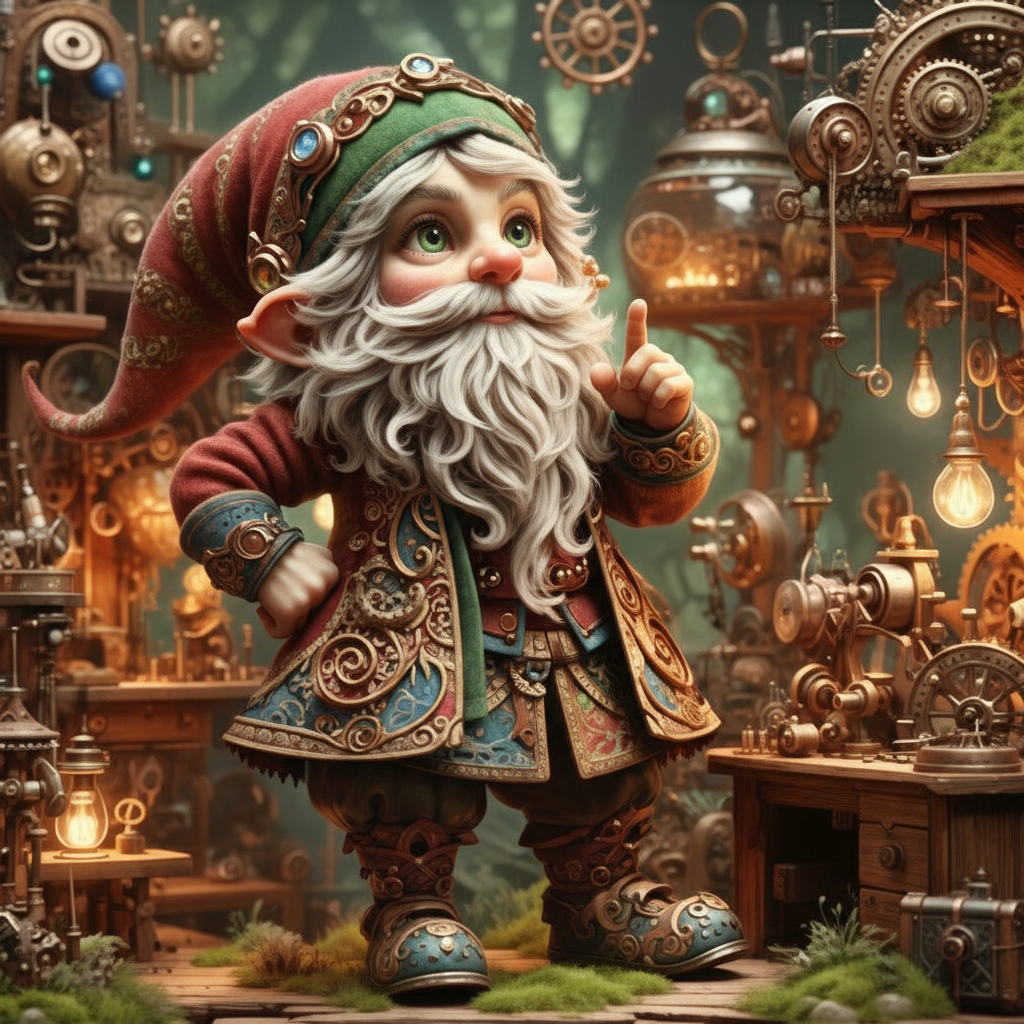
Gnome Name Generator
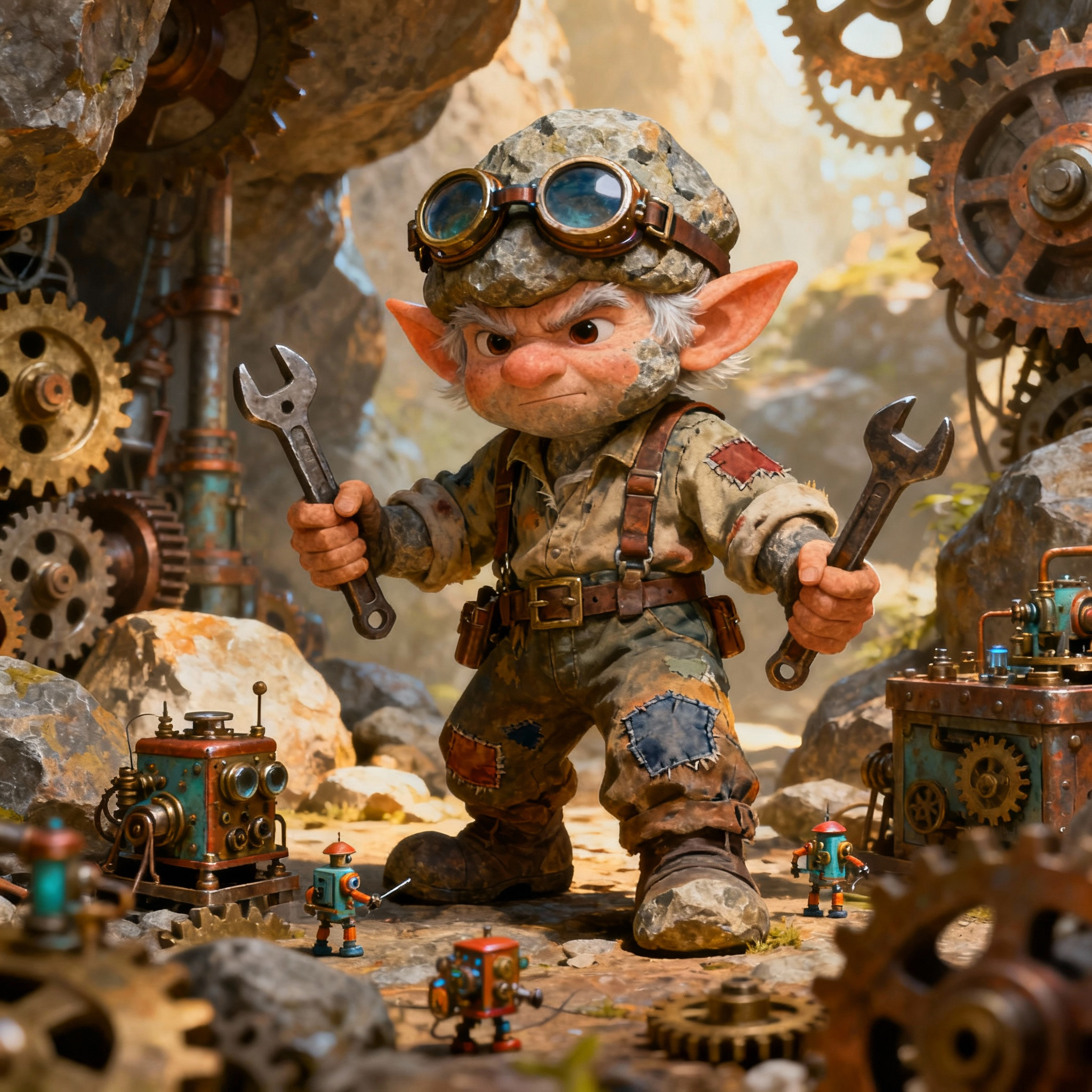
Tinker with innovation using our gnome name generator! Discover whimsical inventor names great for DnD 5e, Pathfinder artificers, or steampunk fantasy.
Gender Preference
Generating magical names...
Create Perfect Names for Your Fantasy Characters
Whether you're building a tinkering artificer for your next DnD campaign or crafting a whimsical forest gnome for a fantasy novel, finding the right name matters. A well-chosen gnome name doesn't just identify your character—it reveals their personality, hints at their backstory, and connects them to the rich traditions of gnomish culture.
Gnomes occupy a unique space in fantasy worlds. They're inventors and pranksters, gardeners and engineers, beings who balance curiosity with cleverness. Their names reflect this duality, blending playful sounds with meaningful elements that tell stories about clan heritage, individual quirks, and professional expertise.
This guide explores everything you need to know about gnome naming conventions, from the canonical structures found in Dungeons & Dragons to the whimsical traditions that span fantasy literature and gaming. You'll discover how to use a gnome name generator effectively, understand the cultural significance behind different naming patterns, and learn strategies for crafting names that bring your characters to life.
Understanding Gnome Naming Traditions
Gnome names follow distinct patterns that set them apart from other fantasy races. Unlike the flowing elegance of elven names or the harsh consonants of orcish monikers, gnome names embrace playful complexity.
The Three-Name System
According to official Dungeons & Dragons lore, gnomes love names—and most have half a dozen or so throughout their lives. Family members, clan elders, and friends all contribute names that may or may not stick over time. However, when dealing with "stuffy" humans and other races, gnomes typically use three names:
Personal Name: The given name chosen from family tradition or invented fresh. Examples include Alston, Boddynock, Breena, and Ellywick.
Clan Name: A surname identifying family lineage, appearing in three forms:
- Compound names like Bafflestone or Ironhide
- Traditional gnomish names such as Garrick or Nackle
- Repeating-pattern names like Humplebumple or Fabblestabble
Nickname: An earned epithet reflecting personality traits, achievements, or memorable incidents. Examples include Sparklegem, Stumbleduck, Doublelock, and Ashhearth.
Gender Patterns in Gnome Names
While gnome names share similar structures across genders, subtle differences emerge in their musicality. Female names like Bimpnottin, Caramip, and Waywocket tend to incorporate more vowels, creating softer, more melodic sounds. Male names such as Brocc, Dimble, and Zook often feature harder consonants, though the distinction remains minimal compared to other fantasy races.
Both styles maintain that characteristic gnomish quality—names that sound fun to say aloud, with syllables that bounce and roll off the tongue.
The Cultural Significance of Gnome Names
Gnome nomenclature reveals deep truths about their society and values. Every syllable carries weight, whether referencing their underground heritage, their relationship with nature, or their legendary skill in craftsmanship and invention.
Origins in European Folklore
The word "gnome" likely derives from the Latin word for "earth dweller," reflecting these beings' traditional connection to subterranean realms. European folklore presents gnomes as guardians of buried treasure and minerals, mystical protectors who live beneath gardens and fields.
This folkloric foundation influenced how fantasy writers and game designers developed gnomish culture. Garden gnomes, which first appeared in Europe during the early 1600s as symbols of good luck, evolved into the clay figurines popularized in Germany during the 1870s. By the time companies like Philipp Griebel and August Heissner began mass production, these protective guardians had become deeply embedded in cultural consciousness—a legacy that fantasy gaming would later reimagine through magical invention and mechanical ingenuity.
From Folklore to Fantasy Gaming
Dungeons & Dragons transformed gnomes from simple garden guardians into complex fantasy citizens. These beings became true tricksters who use their small size and humor to deceive friend and enemy alike. Their curiosity drives them toward engineering and invention, constantly experimenting with new creations.
This evolution shaped naming conventions significantly. Modern gnome names blend folkloric elements with occupational descriptors that celebrate their craftsmanship. A name like Jasper Stonecutter immediately conveys both the character's connection to earth (jasper being a spotted stone) and their professional skill as a worker in stone.
How Gnome Name Generators Work
Quality gnome name generators do more than randomly combine syllables. They apply authentic naming conventions drawn from multiple fantasy sources to create names that feel genuinely gnomish.
Key Features of Effective Generators
Authentic Structure: The best generators follow canonical naming patterns, producing combinations that match DnD 5e conventions, Pathfinder traditions, or World of Warcraft gnomish culture. Each generated name should include both personal and clan name elements.
Meaningful Etymology: Strong generators provide meaning breakdowns and origin explanations. Understanding that Pipkin references "a small earthenware pot" while Quickwhistle describes "someone nimble and quick to react" transforms simple names into character development tools.
Customization Options: Advanced filters let you specify gender preferences, name length, syllable count, and starting or ending letters. This precision helps you find exactly the right name for your character concept.
Multiple Variations: Generating five to ten names at once gives you options to compare, ensuring you find a combination that resonates with your character vision.
Using Generated Names Effectively
A gnome name generator serves as a starting point, not a final destination. Take the generated names and consider:
- Does the clan name reflect your character's family profession or heritage?
- Would a nickname better capture their personality or backstory?
- How do the name's syllables sound when spoken aloud during gameplay?
- Does the etymology align with your character's cultural background?
Strong names emerge when you combine generator output with thoughtful consideration of your character's unique identity.
Categories of Gnome Names
Gnome names fall into distinct categories, each reflecting different aspects of gnomish culture and personality.
Whimsical and Playful Names
These names emphasize the mischievous, fun-loving side of gnome nature. They feature bouncing syllables, alliteration, and sounds that make people smile:
- Fizzlebang Bumblebottom
- Tinkerbelle Gigglesprocket
- Wobblefeet Snickerdoodle
- Bimpnottin Tickletoes
Whimsical names work beautifully for gnome bards, illusionists, and characters whose primary trait involves humor and social manipulation.
Traditional and Heritage Names
Rooted in Germanic, Celtic, and Norse linguistic traditions, these names carry historical weight and cultural gravitas:
- Alaric Ironforge (noble ruler + metalworking)
- Fergus Stonehammer (strength + craftsmanship)
- Frieda Goldweaver (peace + artisan skill)
- Reinhard Silvergear (brave counsel + mechanical expertise)
Traditional names suit gnome clerics, paladins, and characters connected to ancient clans or established gnomish communities.
Nature-Inspired Names
These names reflect gnomes' deep connection to the natural world, particularly appropriate for forest gnome characters:
- Willow Mossbrook
- Acorn Leafwhisper
- Blossom Dewspring
- Ivy Bramblepatch
Nature names work exceptionally well for druids, rangers, and gnomes who live in harmony with woodland environments rather than underground warrens.
Inventor and Tinker Names
Celebrating gnomish engineering genius, these names emphasize mechanical skill and innovative thinking:
- Cogsworth Gearspring
- Sprocket Brasswidget
- Wrench Cogswell
- Gadget Steamwheel
Tinker names perfectly suit artificers, wizards specializing in magical devices, and any character obsessed with building contraptions.
Gnome Names Across Different Fantasy Settings
Each major fantasy platform interprets gnome culture differently, influencing appropriate naming conventions.
Dungeons & Dragons Gnomes
DnD presents three gnome subraces with distinct cultural identities:
Rock Gnomes are the quintessential inventors, obsessed with mechanical devices and engineering puzzles. Their names often reference tools, materials, and construction:
- Gimble Boltcounter
- Namfoodle Ironhide
- Sindri Copperforge
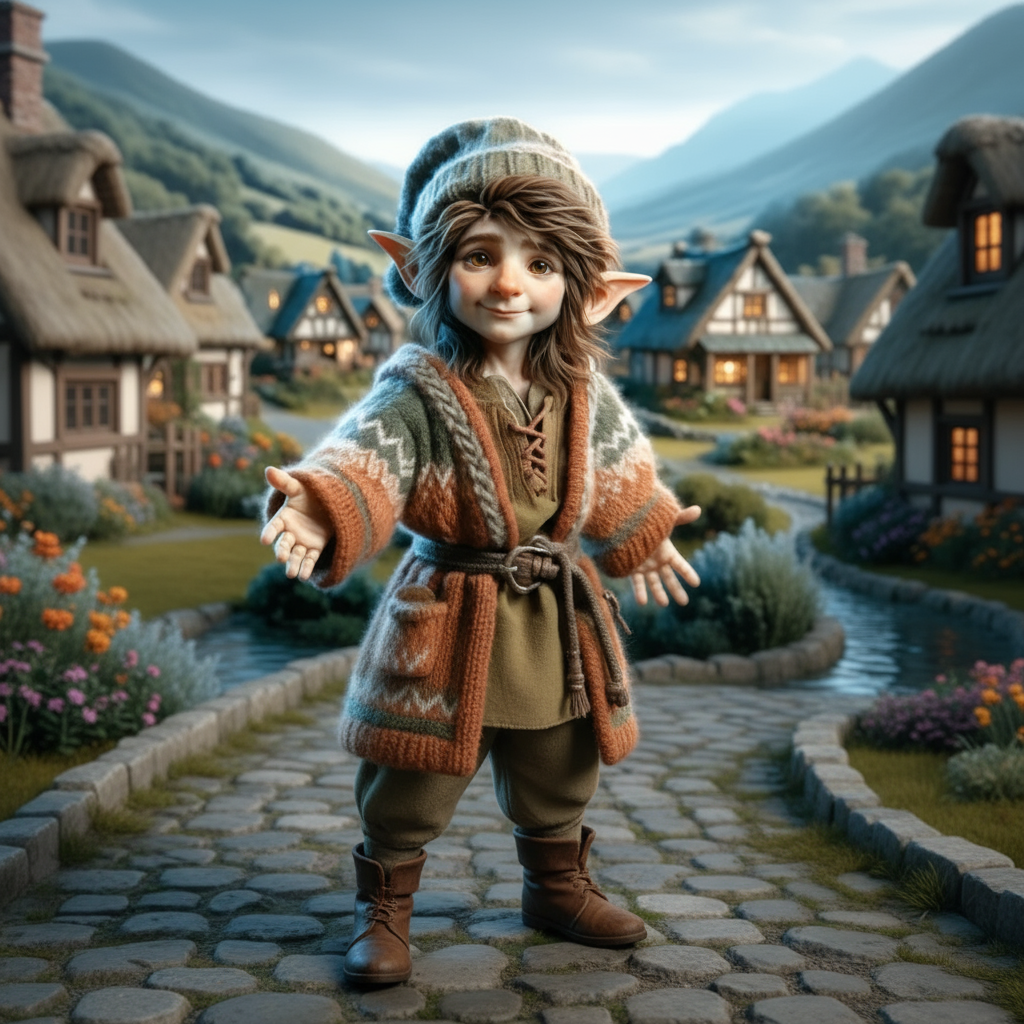
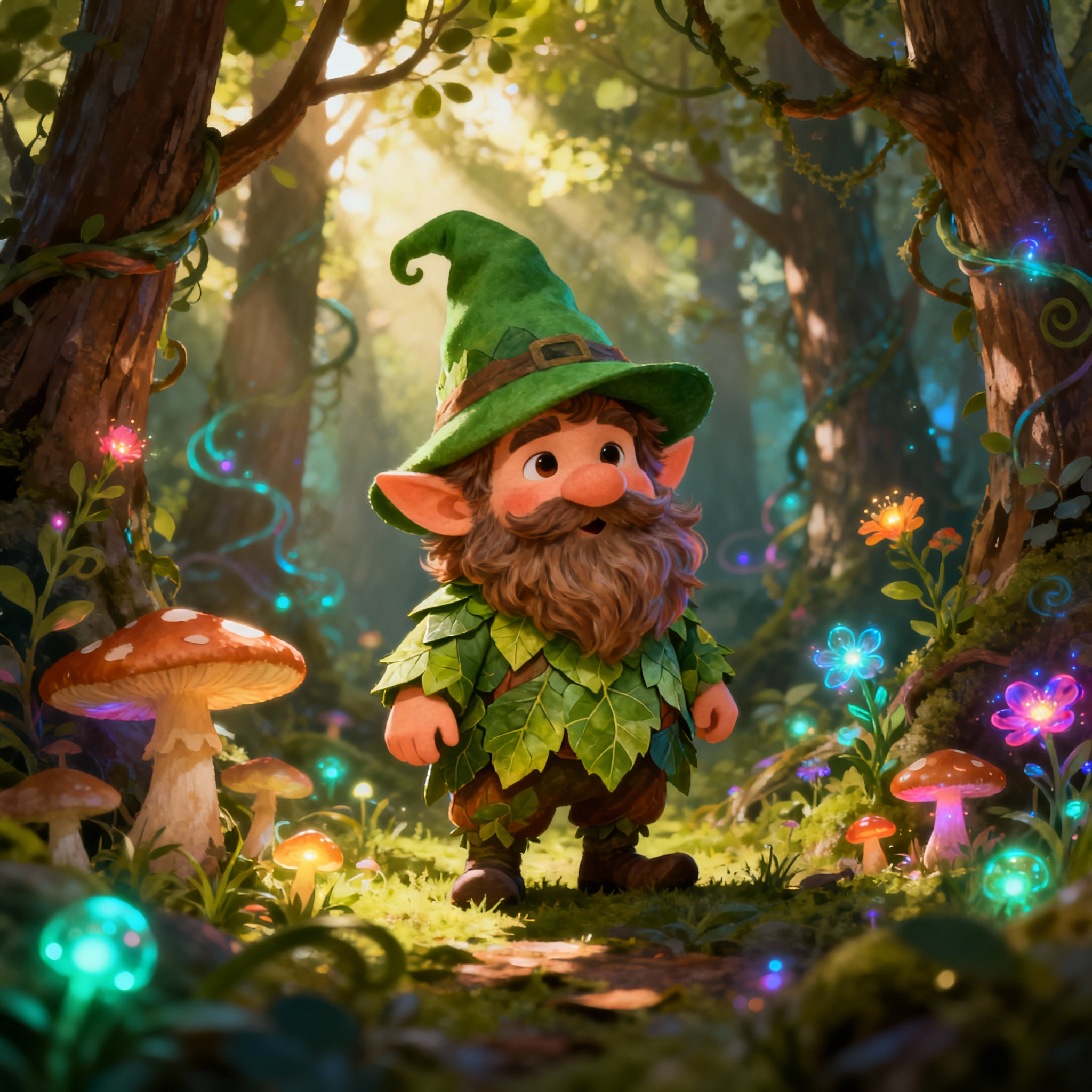
Forest Gnomes maintain stronger connections to nature and illusion magic. Their names incorporate woodland elements:
- Ella Bramblepatch
- Lorilla Mossvale
- Waywocket Thornweaver
Deep Gnomes (Svirfneblin) live in the Underdark, resulting in names that sound more somber and mysterious:
- Belwar Shadowstone
- Burrow Darkwhisper
Pathfinder Gnomes
Pathfinder gnomes face the Bleaching—a slow death from monotony—which shapes their entire culture around constant novelty-seeking. Names reflect this desperate creativity:
- Figgle Dewdrop (fidgety + morning freshness)
- Zilvazara Sparkleprism (complex compound emphasizing color and light)
- Quillathe Wonderwhirl (suggesting perpetual motion and discovery)
Pathfinder gnome names tend toward higher syllable counts and more elaborate construction, matching their need for constant stimulation.
World of Warcraft Gnomes
WoW gnomes are technological masters who rebuilt their civilization after a catastrophe. Their names emphasize engineering expertise and radiation-induced quirks:
- Millhouse Manastorm
- Gelbin Mekkatorque
- Thermaplugg Sicco
WoW gnome names often include references to mechanical components, scientific concepts, or technological innovations.
Tips for Creating Your Own Gnome Names
While generators provide excellent starting points, crafting your own names gives you complete creative control.
Start With Personality Traits
Consider your character's defining characteristics:
- Are they cautious or reckless?
- Do they prefer solitude or social chaos?
- What's their greatest fear or ambition?
Transform these traits into descriptive elements. A paranoid gnome might be "Doublelock," while an optimistic one could be "Brightwhirl."
Incorporate Professional Elements
Gnome clan names frequently reference occupations or family trades:
- Metalworking: Copperforge, Ironweld, Brasswright
- Gemcraft: Jewelshine, Sapphirecut, Opalpolish
- Alchemy: Potionbrew, Bubbleboil, Tincturemix
- Engineering: Geargrind, Sprocketsmith, Clockwright
Use Compound Construction
Traditional gnome clan names combine two descriptive elements:
- Physical trait + material: Shortstone, Quicksilver, Brightcopper
- Action + object: Bafflestone, Tinklecog, Rattlegear
- Adjective + noun: Merrybolt, Cleverwrench, Oddwheel
Test Pronunciation
Say potential names aloud multiple times. Gnome names should feel fun on the tongue, not awkward or tongue-twisting. If you stumble over syllables repeatedly, consider simplifying or adjusting vowel placement.
Consider Cultural Context
Think about where your gnome grew up:
- Urban gnomes might have surnames referencing city trades
- Rural gnomes could incorporate agricultural or pastoral elements
- Exiled gnomes might carry names from distant regions with different linguistic patterns
Building Character Through Names
A well-chosen name becomes a storytelling tool that enriches roleplay and deepens character development.
Names as Backstory Hooks
Every gnome name element can suggest history:
- "Rustygear" implies a family whose fortune declined, unable to maintain equipment
- "Newspring" might indicate immigrant status or a clan's fresh start
- "Lastforge" could suggest the sole survivors of a destroyed gnomish community
Use your character's name to create questions that drive character development. Why did their family earn that particular clan name? How did they acquire their nickname? Do they live up to their name's meaning or rebel against it?
Names and Personality Alignment
Consider how names influence behavior:
- Does "Sparklegem" feel pressure to maintain cheerfulness?
- Does "Doublelock" embrace paranoia or fight against suspicious tendencies?
- How does "Bumblebee" react when people don't take them seriously?
Exploring the relationship between name and identity creates depth and internal conflict that makes characters memorable.
Evolution Through Adventure
Remember that gnomes accumulate nicknames throughout life. Your character might start as "Gimble Ironhide" but earn the nickname "Flamebeard" after a particularly explosive alchemical accident. Tracking these earned epithets chronicles your character's journey and growth.
Frequently Asked Questions
What makes a gnome name sound authentic?
Authentic gnome names balance whimsy with structure. They typically feature a melodic first name (2-3 syllables) paired with a descriptive compound surname. The best names sound fun when spoken aloud while conveying meaningful information about family heritage or personal traits. Names should feel playful without becoming nonsensical, maintaining enough linguistic coherence to feel like they belong to a real culture.
How many names does a typical gnome have?
According to DnD lore, most gnomes accumulate half a dozen or more names throughout their lives, given by family members, clan elders, and friends. However, in practical social situations, they use three: a personal name, a clan name, and a nickname. The full collection of names represents their complete identity within gnome society, but the trimmed version facilitates interaction with other races who find lengthy nomenclature confusing.
Can I use the same naming conventions for rock gnomes and forest gnomes?
While both subtypes follow similar structural patterns, subtle differences reflect their cultural priorities. Rock gnome names lean toward mechanical and geological references (Gearspring, Stonecutter, Cogswell), while forest gnome names incorporate more nature elements (Bramblepatch, Mossvale, Leafwhisper). Both share the characteristic gnomish playfulness, but the vocabulary draws from different environmental contexts.
Should gnome names always sound silly?
Not necessarily. While gnomes are known for humor and mischief, they're also skilled craftspeople, brave adventurers, and complex individuals. Names can range from whimsical (Bumblebottom) to dignified (Stonehammer) to mysterious (Shadowwhisper). Match your name choice to your character's personality and role. A gnome paladin serving a serious oath might carry a more solemn name than a trickster rogue.
How do I choose between generated names?
Evaluate each option against multiple criteria: Does it match your character's personality? Can you pronounce it easily? Does the meaning align with their backstory? Do the syllables feel right when you say them aloud? Generate multiple batches and mix elements from different results. You might love the personal name from one generation and the clan name from another—combining them creates something uniquely suited to your character.
What if I want to honor real-world cultural naming traditions?
Many gnome names draw from Germanic, Celtic, and Norse linguistic roots. Research names from these traditions that carry meanings resonating with your character concept, then adapt them with gnomish modifications. For example, the German name "Reinhard" (brave counsel) could become "Reinhart Bravecog" for a gnome artificer. This approach grounds fantasy names in authentic linguistic heritage while maintaining gnomish character.
Do gnome naming conventions differ between games and fiction?
Yes, each fantasy setting interprets gnome culture uniquely. DnD emphasizes the three-name system with clan heritage and earned nicknames. Pathfinder gnomes face existential threats that influence their more desperate creativity in naming. World of Warcraft gnomes lean heavily into technological terminology. Fantasy literature varies wildly—Terry Pratchett's gnomes differ markedly from those in folklore. Use conventions matching your specific setting for consistency.
How important is the meaning behind a gnome's name?
Extremely important for deep character development. Understanding that your character's clan name "Quickwhistle" means "someone nimble and quick to react" informs how you roleplay their reflexes and decision-making. Etymology provides hooks for backstory creation and helps explain why your character developed certain skills or personality traits. Even if other players don't know the meaning, it guides your portrayal consistency.
Find Your Perfect Gnome Identity
Gnome names bridge the gap between whimsy and weight, creating identities that honor these inventive, curious beings while giving you tools for memorable storytelling. Whether you're rolling a rock gnome artificer obsessed with clockwork contraptions, a forest gnome druid who speaks to woodland creatures, or a deep gnome rogue navigating Underdark shadows, the right name establishes immediate character and cultural context.
Use a gnome name generator as your starting point, but don't stop there. Consider the three-name system's implications, explore how different fantasy settings interpret gnomish culture, and think deeply about how your character's name reflects their personality, heritage, and aspirations. Test names aloud during character creation sessions. Mix and match elements from multiple generations. Add nicknames earned through gameplay that chronicle your character's adventures and growth.
The gnomes waiting to inhabit your stories and campaigns deserve names as inventive and delightful as they are. Start generating possibilities, trust your instincts about what sounds right, and choose a name that makes you smile every time you introduce your character to the party.
Ready to discover your gnome's true name? Start exploring gnome name generators and let your creativity guide you toward the perfect combination of syllables that will define your character's journey.