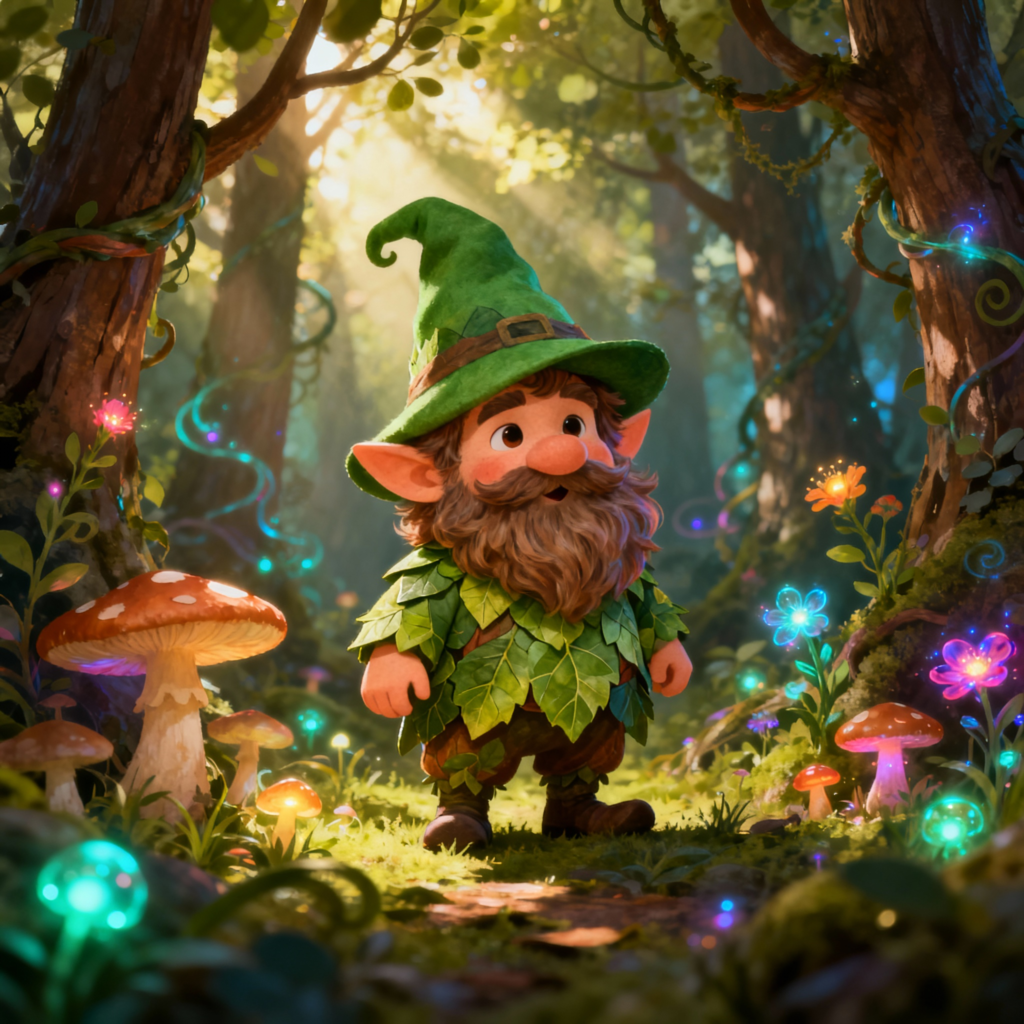
Forest Gnome Name Generator
Commune with woodland spirits using our forest gnome name generator! Create nature-loving names perfect for DnD 5e, Pathfinder druids, or fairy tale campaigns.
Gender Preference
Generating magical names...
Create Your Perfect Woodland Identity
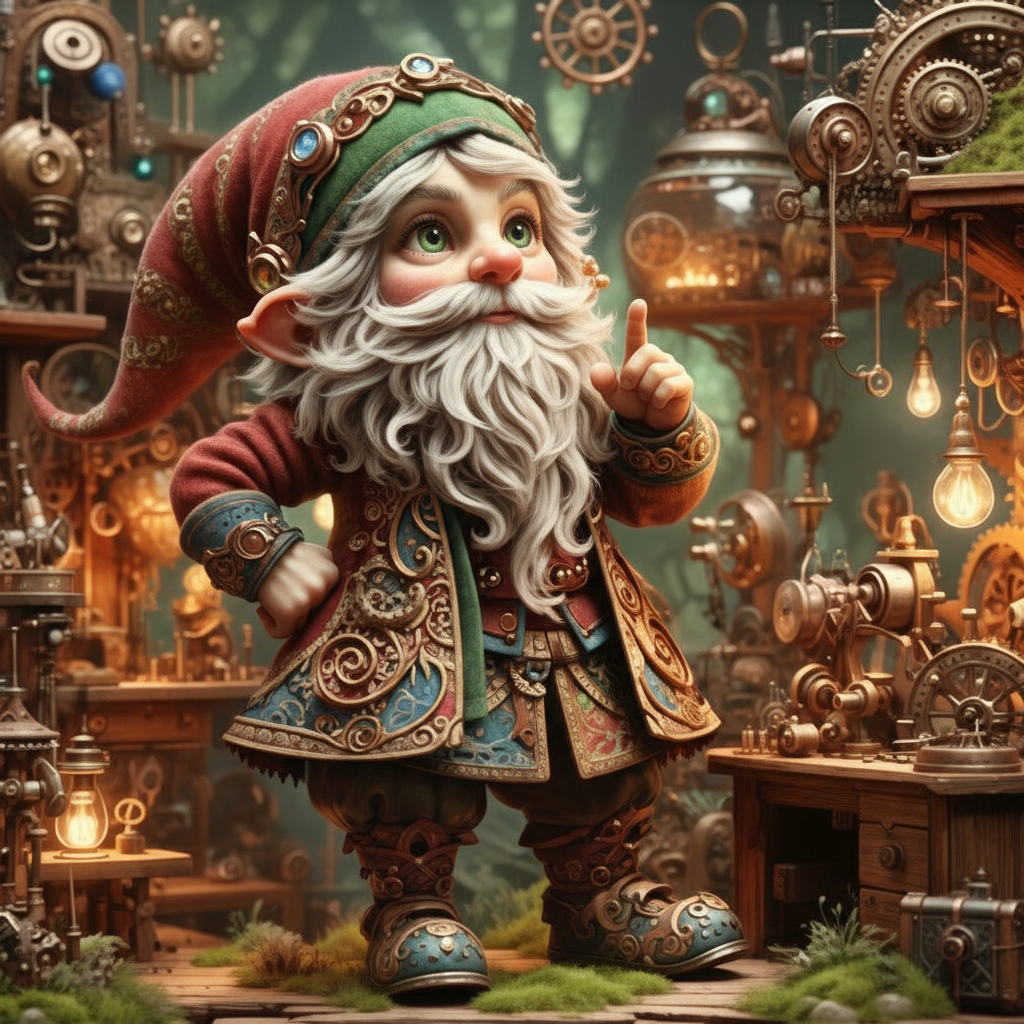
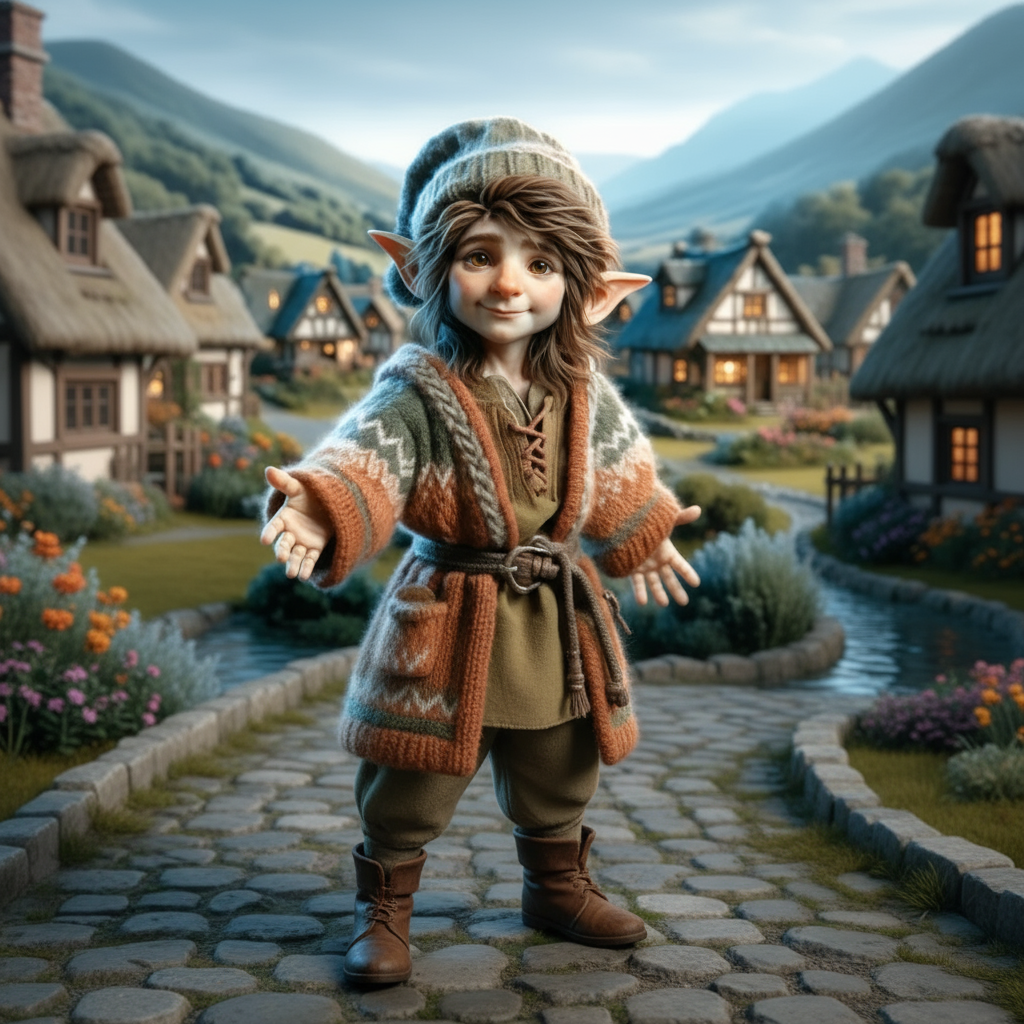
Picture a character no taller than 2'5", tucked beneath a mushroom cap, whispering secrets to squirrels while moonlight filters through ancient oak leaves. Forest gnomes occupy a unique space in tabletop roleplaying—they're neither the mechanical tinkerers of rock gnome society nor the boisterous adventurers of other races. Instead, these shy woodland stewards forge identities that echo the rustle of leaves and the sparkle of dewdrops.
Naming a forest gnome demands more than pulling random syllables from thin air. Their names carry the weight of centuries spent communicating with animals, studying the wisdom of treants, and navigating forest floors where every acorn and moss-covered stone holds meaning. Whether you're crafting a druid for your next DnD 5e campaign, developing a Pathfinder ranger, or building a character for original fantasy fiction, understanding forest gnome naming conventions transforms a simple label into a living, breathing identity.
This guide explores how forest gnome names blend plant references, earth elements, and forest imagery into memorable identities. You'll discover the etymology behind names like Bramblefoot and Mosscloak, learn how gender influences naming patterns, and find practical tips for choosing names that enhance your character's backstory and roleplay potential.
The Nature-Loving Spirit of Forest Gnomes
Forest gnomes don't merely live in woodlands—they become part of the ecosystem itself. Standing at roughly 2'5" and weighing around 30 pounds, these diminutive folk maintain hidden homes deep within forest territories where thick canopy obscures the sun and time of day loses meaning. Their naturally stealthy disposition allows them to move through undergrowth without disturbing a single leaf, and their illusion magic lets them blend seamlessly into their surroundings.
In DnD 5e, forest gnomes possess the unique ability to speak with small beasts—a trait that fundamentally shapes their worldview and naming traditions. They don't dominate nature; they collaborate with it. A forest gnome might spend decades cataloging squirrel migration patterns or decoding the messages carried in owl hoots. This patient's observant approach to life manifests in names that reference specific natural phenomena rather than grand abstractions.
Their community structures typically operate as gerontocracies, where elders advise younger members based on accumulated wisdom. These societies value balance between uniqueness and practicality—you won't find impossible-to-pronounce names like "Xylthrz'gn" among forest gnomes. Instead, they favor combinations that flow naturally, much like babbling brooks and wind through leaves.
Understanding Forest Gnome Naming Conventions
Forest gnome names follow a two-part structure: a given name and a family name (surname). This system creates names carrying both individual identity and generational meaning.
Given Names: The Individual Identity
First names often derive from Celtic tree traditions, seasonal plants, or natural phenomena. Male names like Rowan, Jasper, and Eldon evoke guardian qualities, earth treasures, and old wisdom. Female names such as Willow, Hazel, and Elara suggest graceful movement, wise protection, and illumination through moonbeams.
These aren't arbitrary choices. A forest gnome named Rowan likely exhibits protective instincts toward their community, while someone called Willow might possess exceptional agility or a talent for adapting to changing circumstances. The name functions almost like a prophecy—parents observe their child's emerging personality and choose accordingly.
Family Names: The Ancestral Legacy
Surnames reference environmental features, ancestral traits, or notable deeds that define a family line. Names like Bramblefoot suggest generations of gnomes who excel at navigating thorny terrain—perhaps scouts or guides who clear safe paths for their communities. Mosscloak implies a family skilled in camouflage and secrecy, possibly serving as sentries or spies. Greenthumb indicates horticultural expertise passed down through bloodlines.
Other examples include:
- Stonecrop: Earth protectors who maintain the boundary between forest and mountain
- Woodwhisper: Gnomes with exceptional perceptive awareness, able to hear what the trees communicate
- Dewdrop: Families associated with dawn rituals or morning gatherings
- Oakensprout: Those who weather storms and sunshine with equal resilience
The combination of given name and surname creates a complete identity. Elwyn Bramblefoot translates to "noble friend with a thorny path"—immediately suggesting a character who maintains loyalty despite difficult circumstances. Willow Mosscloak becomes "graceful protector, shrouded in mystery"—perfect for a ranger who moves unseen through woodland shadows.
How the Forest Gnome Name Generator Works
Modern name generators have evolved beyond simple randomization. The best tools offer customization options that let you sculpt names matching your specific character vision.
Basic Features
At minimum, a quality forest gnome name generator should offer gender preferences (Male, Female, or Any) and produce multiple options per generation. Each result should include not just the name itself, but also its combined meaning and etymology. For instance, seeing "Rowan Mosscloak" with the breakdown "Rowan (guardian) + Mosscloak (shrouded) = Guardian of the forest, shrouded in mystery" provides instant character depth.
Advanced Customization
The most useful generators include filters for:
Name Length: Choose between short (2-4 syllables), medium (5-7 syllables), or long (8+ syllables) constructions. Shorter names like "Pip Oakfoot" suit lighthearted campaigns, while longer options like "Meridian Whisperwood" carry more gravitas.
Syllable Count: Precise control over rhythmic qualities. A two-syllable name (Ro-wan) feels snappy and memorable, while four syllables (El-wy-na Brook-stone) creates a more lyrical quality.
Starting/Ending Letters: Match existing party naming conventions or achieve specific phonetic effects. If your party includes characters starting with similar sounds, filtering for different initial letters prevents confusion during gameplay.
These advanced options transform a generator from a random novelty into a practical tool for character development. Instead of generating hundreds of names hoping one fits, you narrow parameters to produce targeted results.
The Importance of Names in Roleplay
A name shapes how you think about your character and how others perceive you at the table. When you introduce yourself as "Bramblefoot," other players immediately form expectations—this gnome probably has stories about difficult journeys, possesses survival skills, and doesn't shy from hardship. Compare that to introducing yourself as "Dewsong," which evokes an entirely different personality: gentle, artistic, connected to dawn's quiet magic.
Names for Druids and Rangers
Forest gnomes gravitate toward nature-based classes, particularly druids and rangers. These classes already emphasize environmental connections, and an appropriately chosen name reinforces that theme. A druid named Hazel Stonecrop suggests earth-focused magic—perhaps specializing in stone-based spells or drawing power from mineral-rich soil. A ranger called Willow Woodwhisper implies exceptional tracking abilities and communication with forest creatures.
The name becomes shorthand for your character concept. When the dungeon master asks, "What does your character do?" you're already primed by the identity your name established. Jasper Greenthumb might immediately check local plants for medicinal properties, while Rowan Bramblefoot scouts ahead for safe passage through dangerous undergrowth.
Creating Memorable NPCs
Game masters benefit equally from thoughtful naming. When players encounter "Mossberry the Elder" running a woodland sanctuary, the name alone communicates age, wisdom, and a berry-gathering lifestyle. No additional description needed—players fill in details themselves based on naming cues. This efficiency matters when improvising non-player characters during sessions.
Male Forest Gnome Names
Male forest gnome names tend toward earthier sounds with harder consonants, though they maintain the flowing quality characteristic of woodland folk. These names often reference protective qualities, natural strength, or connection to forest guardianship.
Traditional Male Names
Rowan: Derived from the rowan tree, considered sacred in Celtic traditions for protective qualities against enchantment. A gnome named Rowan likely serves as a guardian or defender.
Jasper: References the semi-precious stone found in streams and forest clearings. Suggests a collector mentality or appreciation for nature's subtle treasures.
Eldon: Combines "eld" (old) with "don" (hill), implying ancient wisdom and elevated perspective. Perfect for elderly advisors or lore-keepers.
Garrick: Germanic origin meaning "spear ruler," adapted by forest gnomes to suggest leadership through nature rather than warfare.
Fenwick: "Fen" (marshland) + "wick" (dwelling), indicating families who inhabit wetland forest regions.
Creative Combinations
Pairing these given names with descriptive surnames creates distinctive identities:
- Rowan Bramblefoot: Guardian who navigates difficult terrain
- Jasper Greenthumb: Treasure-seeker skilled in horticulture
- Eldon Mosscloak: Ancient wisdom shrouded in mystery
- Garrick Stonecrop: Leader who protects earth boundaries
- Fenwick Woodwhisper: Marsh-dweller attuned to forest communications
Female Forest Gnome Names
Female forest gnome names emphasize softer phonetics and nature goddess associations. These names often reference graceful movement, lunar imagery, or nurturing relationships with growing things.
Traditional Female Names
Willow: The willow tree's flexible branches symbolize adaptability and grace. Gnomes bearing this name often excel at diplomacy or possess natural agility.
Hazel: Both a tree and a color, suggesting wisdom and earth-toned aesthetics. Hazel-named gnomes frequently become herbalists or healers.
Elara: Means "bright" or "shining one," with connections to lunar cycles. Appropriate for moon druids or those practicing nocturnal magic.
Briar: Though thorny, briar roses produce beautiful blooms—suggesting beauty emerging from defensive capabilities.
Fern: The ubiquitous forest plant, representing quiet growth and understated beauty.
Creative Combinations
These feminine names pair beautifully with nature-based surnames:
- Willow Woodwhisper: Graceful communicator with forest spirits
- Hazel Stonecrop: Wise protector of earth boundaries
- Elara Dewdrop: Bright spirit connected to dawn magic
- Briar Mosscloak: Beautiful defender shrouded in secrecy
- Fern Greenthumb: Quiet nurturer skilled in cultivation
Forest Gnome Lore and Naming Traditions
Understanding the cultural context behind names enriches your role-playing experience. Forest gnomes didn't arbitrarily decide to name themselves after plants and stones—these choices reflect centuries of specific lifestyle adaptations.
Connection to Ancient Oaks
Many forest gnome communities center around exceptionally old oak trees whose root systems create natural gathering spaces. These "elder oaks" often live for millennia, outlasting multiple gnome generations. Names referencing oaks (Oakensprout, Oakfoot, Oakshade) signal families who maintain particular elder oaks or inherited responsibilities tied to these sacred trees.
Stealth-Oriented Lifestyle
Forest gnomes developed their naturally stealthy abilities through necessity. Their small size makes them vulnerable to larger predators, so survival depends on remaining unnoticed. This reality shaped naming conventions toward whisper-like qualities—names designed to disappear into woodland settings rather than announce presence. You won't find bombastic names among forest gnomes; everything about their identity emphasizes subtle integration with surroundings.
Illusion Magic Heritage
The School of Illusion magic practiced by many forest gnomes seeps into how they perceive identity itself. A name isn't merely a label—it functions as a spell of identity, a carefully crafted illusion representing who you are to the world. This philosophical approach explains why forest gnome names carry such layered meanings. Each syllable was chosen deliberately to project specific impressions.
Rejection of Destructive Practices
Forest gnomes dislike axes and actively oppose cutting trees down. This cultural value prevents names that celebrate destruction or domination over nature. You'll never encounter a forest gnome named "Treefeller" or "Rootripper." Instead, names honor partnership with nature: Greenthumb (cultivation), Woodwhisper (communication), Stonecrop (boundary protection without destruction).
Tips for Choosing the Perfect Name
Selecting a forest gnome name involves more than picking something that sounds pleasant. Consider these factors to ensure your chosen name enhances rather than conflicts with your character concept.
Match Name to Backstory
Let your character's history guide name selection. A gnome raised by druids after their village was destroyed might carry a name like "Rowan Bramblefoot"—Rowan for the protective magic that saved them, Bramblefoot for the thorny path they've walked. Conversely, a gnome from an untroubled settlement who trained as a ranger for adventure's sake might choose "Willow Dewdrop," emphasizing grace and natural beauty over hardship.
Consider Class Synergy
Different classes suggest different naming conventions:
Druids: Emphasize plant and earth names (Hazel Stonecrop, Fern Greenthumb)
Rangers: Focus on tracking and perception (Willow Woodwhisper, Rowan Mosscloak)
Rogues: Choose stealthier sounds with sharper consonants (Briar Shadowfoot, Silas Quickleaf)
Wizards: Select names suggesting knowledge or arcane connection (Eldon Starwhisper, Elara Moonhollow)
Test Pronunciation
Say the name aloud several times. Will other players easily remember and pronounce it during the heat of combat? "Jasper Greenthumb" rolls off the tongue smoothly, while "Gwydion Thornwhisper" might cause table fumbles. Practical considerations matter—you'll speak this name dozens of times per session.
Allow for Nicknames
Forest gnomes often accumulate nicknames throughout their long lives (they live 350-500 years). A gnome formally named "Rowan Oakensprout" might be called "Row" by close friends or "Oakey" by childhood companions. Build flexibility into your naming choice.
Balance Uniqueness and Genre Expectations
Strive for names that feel distinctive without breaking immersion. "Moonbeam Starlight" sounds pretty but lacks the earthy groundedness expected from forest gnomes. "Hazel Stonecrop" maintains uniqueness while staying true to established conventions.
Connecting Names to Character Development
The most effective names grow with your character. Consider how your forest gnome's name might evolve through campaign events.
Earning Honorific Surnames
In some campaigns, forest gnomes add honorific surnames after significant achievements. A gnome named "Jasper Greenthumb" who saves their village from wildfire might become "Jasper Greenthumb the Ashenwalker." This addition honors the deed without replacing original identity.
Name Changes After Transformation
Druids who undergo significant magical transformations sometimes adopt new names reflecting their evolved nature. A druid who achieves communion with ancient tree spirits might transition from "Fern Dewdrop" to "Fern Rootspeaker," acknowledging a deepened connection.
Family Name Restoration
A gnome from a disgraced family line might quest to restore their surname's honor. Beginning as "Willow [No Surname]" and earning back "Willow Mosscloak" through heroic deeds creates a powerful narrative arc.
Frequently Asked Questions
What makes forest gnome names different from rock gnome names?
Forest gnome names emphasize organic, naturalistic elements reflecting their woodland lifestyle, while rock gnome names feature more mechanical or geological terminology. A forest gnome might be called "Hazel Greenthumb," whereas their rock gnome cousin could be "Zook Geargrin." The distinction reflects fundamental cultural differences—forest gnomes commune with nature, rock gnomes tinker with inventions.
Can I use the same naming conventions for deep gnomes?
Deep gnomes (svirfneblin) follow entirely different naming patterns due to their Underdark heritage. Their names tend toward harsher consonant clusters and reflect stone and darkness rather than plants and sunlight. While some syllables might overlap, the cultural contexts differ too dramatically for direct translation.
How long should my forest gnome's name be?
Most forest gnome names contain 4-8 syllables total when combining the given name and surname. "Willow Greenthumb" (5 syllables) represents the average. Shorter names feel casual and approachable; longer names carry more formality. Choose based on your character's personality and social standing.
Should my forest gnome's name change as they level up?
Not necessarily. Names represent core identity rather than power level. However, significant life events (multiclassing, achieving communion with nature deities, or becoming community leaders) might inspire name additions or modifications. Let narrative logic, rather than mechanical advancement, guide any changes.
What if I want a nature name that isn't specifically forest-related?
While forest gnomes strongly associate with woodlands, they occasionally venture into other biomes. A forest gnome raised near coastal regions might incorporate maritime elements (Coral, Shell, Tide) while maintaining forest gnome naming structures. Just ensure the name feels appropriate for a character whose cultural heritage remains rooted in woodland traditions.
Can forest gnome names include elements from real-world cultures?
Fantasy naming draws heavily from Celtic, Germanic, and Norse traditions, which already influenced forest gnome conventions in official DnD materials. Incorporating elements from these cultures feels natural. However, ensure you're honoring rather than appropriating—research the etymology and cultural significance of any real-world name elements you adapt.
How do I create forest gnome names for twins or siblings?
Consider thematic connections without making names too similar. Twins might be "Rowan" and "Willow" (both trees but different characteristics), or siblings could share surname elements while varying given names: "Jasper Greenthumb" and "Hazel Greenthumb." This creates a family connection without confusion.
What if my table already has multiple gnome characters?
Intentionally choose names with distinct opening sounds. If someone plays "Rowan Mosscloak," avoid names starting with R or M. This prevents the "wait, who's doing that?" confusion during crowded combat rounds. Coordinate with other players during character creation.
Begin Your Woodland Journey
Choosing the right forest gnome name transforms a character sheet into a living identity. Whether you select "Bramblefoot" to honor a thorny past, "Dewdrop" to celebrate dawn's gentle magic, or "Woodwhisper" to emphasize perceptive abilities, your name becomes the first words other players associate with your character.
The names we've explored—from Rowan's guardian strength to Willow's graceful adaptability, from Hazel's wise protection to Jasper's treasure-seeking spirit—offer starting points for your creative journey. But the perfect name emerges when you combine these elements with your character's unique backstory, class abilities, and personality quirks.
Remember that forest gnomes value balance: uniqueness without impracticality, nature-connection without cliché, meaning without pomposity. Your chosen name should feel like putting on comfortable boots for a forest walk—natural, appropriate, and ready for whatever adventure awaits beneath the ancient oaks.
Start your next tabletop adventure with a forest gnome name that captures both the whisper of leaves and the strength of roots running deep. The woodlands are waiting, and your character's story begins with the first introduction: "I am [Your Name Here], and the forest speaks through me."