Dragonborn Name Generator
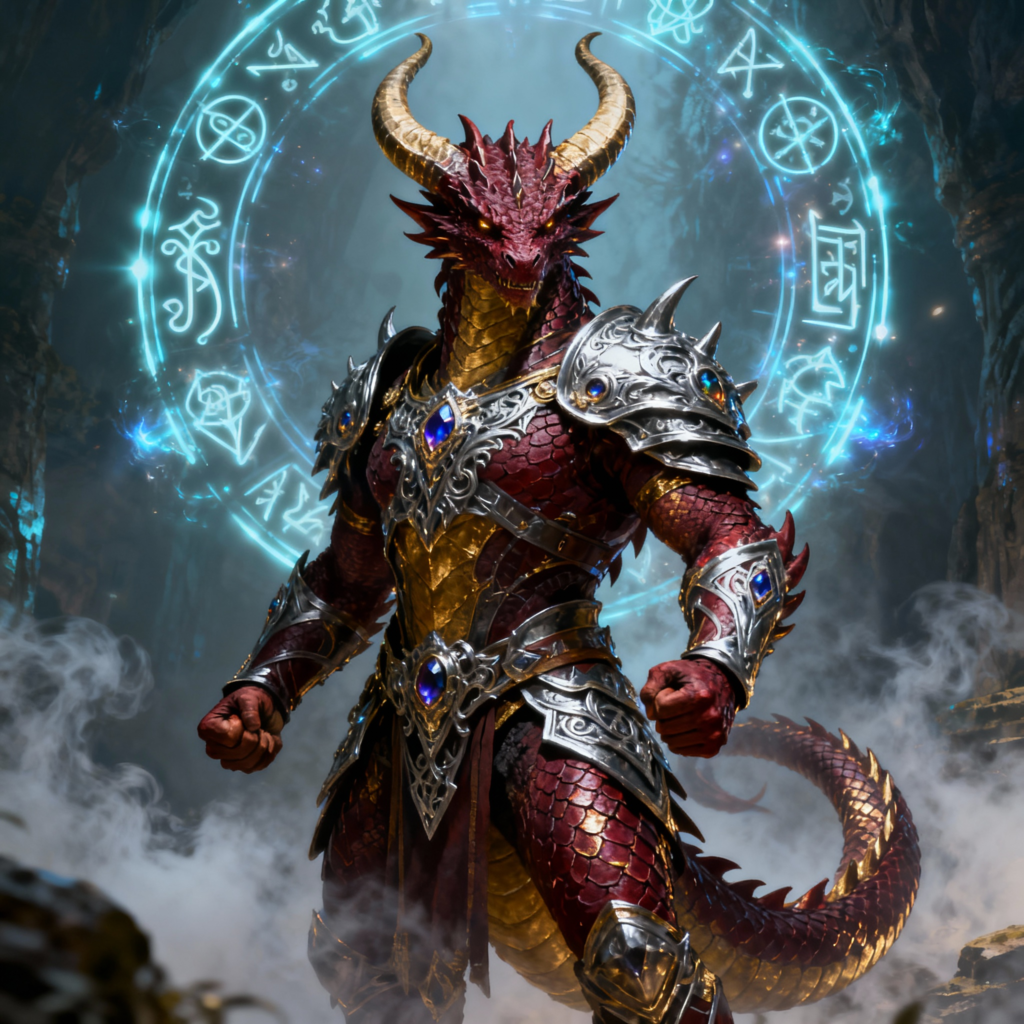
Breathe fire like dragons with our dragonborn name generator! Create draconic warrior names great for DnD 5e, Skyrim adventures, or reptilian fantasy races.
Gender Preference
Generating magical names...
Create Epic Names for Your D&D Character
Choosing the perfect dragonborn name isn't just about cobbling together harsh consonants and calling it a day. These dragon-blooded warriors carry names that echo through clan halls, whisper of ancient lineages, and command respect from allies and enemies alike. Whether you're creating a noble paladin for your next D&D 5e campaign or a fierce warrior in Baldur's Gate 3, understanding dragonborn naming conventions transforms generic characters into memorable legends.
A quality dragonborn name generator does more than spit out random syllables. It captures the essence of draconic heritage, honors clan traditions, and reflects the proud warrior culture that defines these scaled champions. This guide explores everything you need to craft authentic dragonborn identities—from ancient naming traditions to practical generator features that help you find that perfect combination of power and meaning.
Understanding Dragonborn Naming Traditions
Dragonborn names follow intricate cultural rules that most players overlook in their rush to join the adventure. According to official D&D lore, dragonborn receive personal names at birth, but they present their clan names first as a mark of honor. This inverted structure immediately signals something fundamental about dragonborn culture: the collective identity precedes the individual.
A childhood nickname often circulates among clutchmates during youth—descriptive terms like "Climber," "Shieldbiter," or "Zealous" that capture personality traits or memorable incidents. These informal names fade as dragonborn mature, replaced by their formal personal names once they prove themselves worthy.
The Three-Part Naming System
Every dragonborn carries three distinct names throughout their lifetime:
Childhood Name: A nickname given shortly after hatching, used affectionately among family and clutchmates. These names describe habits, physical traits, or notable events from youth.
Personal Name: The formal name granted upon reaching maturity, earned through actions that demonstrate honor, strength, or wisdom. This is how the dragonborn introduces themselves to outsiders.
Clan Name: The ancestral surname that binds the individual to their extended family. Clan names carry immense weight, as each dragonborn's actions reflect upon their entire lineage.
The formal address structure places clan identity before personal achievement: Daardendrian Medrash, not Medrash Daardendrian. This order reinforces the cultural truth that no dragonborn stands alone—every triumph or failure ripples through generations.
Male vs. Female Dragonborn Names
Male dragonborn names typically feature harder consonants and aggressive phonetics: Arjhan, Balasar, Bharash, Donaar, Ghesh, Heskan, Kriv, Medrash, Nadarr, Pandjed, Patrin, Rhogar, Shamash, Tarhun, and Torinn. These names evoke strength and martial prowess.
Female dragonborn names balance power with unexpected lyrical qualities: Akra, Biri, Daar, Farideh, Harann, Havilar, Jheri, Kava, Korinn, Mishann, Nala, Perra, Raiann, Sora, Surina, Thava, and Uadjit. Don't mistake softness for weakness—female dragonborn stand as equals in combat and clan leadership.
Both naming conventions draw from Draconic, the ancient language of dragons. The harsh, consonant-heavy sounds reflect how true dragons speak, with multiple hard syllables that rumble from deep within the chest.
Clan Names and Their Significance
Dragonborn clan names often prove challenging for non-draconic speakers to pronounce: Clethtinthiallor, Daardendrian, Delmirev, Drachedandion, Fenkenkabradon, Kepeshkmolik, Kerrhylon, Kimbatuul, Linxakasendalor, Myastan, Nemmonis, Norixius, Ophinshtalajiir, Prexijandilin, Shestendeliath, Turnuroth, Verthisathurgiesh, and Yarjerit.
These mouthfuls of syllables aren't arbitrary. Many clan names reference founding events, ancestral deeds, or geographic origins tied to the clan's history. Some dragonborn translate their clan names into Common for easier communication with other races: Bloodbane, Drakerider, Flamebrow, Hammerwing, Loremark, Moonscale, Peaceblade, Redmark, Silverspear, Spellscale, and Warbringer.
Bringing dishonor to a clan name carries severe consequences. Dragonborn who commit shameful acts may face expulsion and exile, stripped of their clan identity and forced to wander as "clanless" outcasts—a fate worse than death for a people who prize collective honor above all else.
How to Use a Dragonborn Name Generator
Modern dragonborn name generators offer sophisticated filtering options that help you craft names aligned with your character concept. The best generators provide more than randomized outputs—they give you control over the creative process.
Basic Generator Features
Most quality generators include these standard options:
Gender Selection: Choose male, female, or gender-neutral names to match your character's identity. This filter adjusts name structure and phonetic patterns to align with traditional conventions.
Generate Multiple Names: Create batches of 5-10 names at once, allowing you to compare options and mix-and-match elements you like from different results.
Instant Regeneration: Click to generate fresh batches until you discover a name that resonates with your character vision.
Advanced Filtering Options
The most useful dragonborn name generators include sophisticated controls:
Name Length: Filter by short (1-2 syllables), medium (3-4 syllables), or long (5+ syllables) names. Shorter names work well for players who prefer simplicity, while longer names capture authentic draconic complexity.
Syllable Count: Specify exactly how many syllables you want—helpful when you need a name that flows naturally in conversation or fits specific character requirements.
Starting Characters: Lock the first letter or syllable to maintain family resemblance across related characters or honor a particular draconic tradition.
Ending Characters: Control how names conclude, useful for creating clan variations or ensuring names end with powerful sounds.
These advanced options transform random generation into directed creativity, helping you craft names that feel personally meaningful rather than arbitrarily assigned.
Name Components and Draconic Meanings
Understanding the building blocks of dragonborn names adds depth to your character creation. While not every name generator provides etymology, knowing common patterns helps you recognize authentic-sounding combinations.
Common Prefixes and Their Associations
Dragonborn names often begin with elements that suggest personality traits or destined roles. While exact translations vary by campaign setting, these patterns appear frequently:
Names starting with "Ar-" (Arjhan, Arkhan) are often associated with leadership and nobility. The "Bal-" prefix (Balasar) suggests strength and protection. "Kr-" names (Kriv, Korth) evoke sharpness and precision—fitting for warriors. "Zor-" beginnings (Zorvak, Zorthan) hint at mystical power or ancient lineage.
For female names, "Ak-" (Akra, Akrava) connects to fire and passion. "Jha-" names (Jhara, Jharys) suggest wisdom and insight. "Ver-" (Verthica, Verana) often appears in names tied to scholarly pursuits or magic.
Suffix Patterns
Name endings carry equal significance. The "-ax" suffix (Torax, Ghesh becoming Gheshax) adds weight and authority. Names ending in "-ar" (Balasar, Tharar) emphasize martial prowess. The "-ash" ending (Bharash, Vrash) creates a sharp, decisive sound perfect for warriors.
Female names ending in "-ra" (Kiara, Sora) maintain elegance without sacrificing power. The "-is" suffix (Khoris, Surina becoming Surinis) adds a lyrical quality. Names concluding with "-na" (Thava, Verana) often belong to diplomats or clan leaders.
Elemental Connections
Many dragonborn names subtly reference their draconic ancestry's elemental affinity. Fire-aligned dragonborn (descended from red, gold, or brass dragons) may carry names with harder, explosive consonants. Lightning dragonborn (blue or bronze ancestry) favor sharp, crackling sounds. Cold-affiliated names (white or silver lineage) incorporate softer sibilants that hiss like ice.
These phonetic choices aren't rules—more like tendencies that emerge from draconic linguistic patterns. A generator that understands these connections produces names that feel cohesive with your character's mechanical abilities and backstory.
Creating Memorable Clan Identities
Your dragonborn's clan name shapes how other characters perceive them before a single word is spoken. These lengthy, consonant-heavy surnames aren't meant for casual conversation—they're declarations of heritage that command attention.
Traditional Clan Naming Patterns
Historical clan names often reference pivotal moments in the clan's founding. Verthisathurgiesh translates roughly to "Crippled Mountain," commemorating a legendary battle. Kepeshkmolik means "Storm Hide," honoring ancestors who weathered impossible challenges. Daardendrian carries the meaning "Legacy of Daar," preserving a revered founder's name across generations.
These names weren't chosen for convenience—they encode history. When your dragonborn speaks their full name, they invoke every ancestor who carried that identity before them.
Common vs. Translated Clan Names
Not every dragonborn uses their clan name's traditional draconic form. Some families translate their surnames into Common for practical reasons, especially those who interact frequently with other races.
Translated clan names maintain gravitas while improving pronunciation: Flamebrow instead of Khorthaxiandor, Silverspear rather than Arjenthilimar, Warbringer in place of Kalashnikosian. These translations preserve meaning without linguistic barriers.
Your generator choice affects this option. Some tools offer both draconic and translated versions, while others focus exclusively on authentic-sounding draconic constructions. Consider your campaign's tone—high-fantasy settings may prefer uncompromising draconic authenticity, while more accessible games benefit from translated alternatives.
Creating Family Connections
If you're building multiple related dragonborn characters, coordinate their names through shared elements. Siblings from the same clan share their surname but receive different personal names. Cousins might carry subtle variations—slight shifts in suffix or shared prefixes that hint at blood ties without being identical.
A quality name generator allows you to lock certain elements while randomizing others, making it easy to create a cohesive family unit with distinct individuals.
Practical Tips for Choosing Your Perfect Name
With hundreds of possible combinations, selecting the right name requires a strategy beyond random clicking. These approaches help you narrow options efficiently.
Align Names with Character Class and Background
Your dragonborn's class should influence name selection. Paladins and clerics often carry names that evoke protection, justice, or divine connection—think Balasar (protector) or Shamash (sun god). Sorcerers and warlocks benefit from names suggesting mystical power: Mehen (guardian of secrets) or Ghesh (spark of magic). Fighters and barbarians need names that sound formidable in battle cries: Kriv, Torinn, Rhogar.
Background matters too. A noble dragonborn from an ancient clan carries a different naming weight than an outlander who grew up away from traditional society. The former maintains strict clan formality, while the latter might blend draconic and Common elements more freely.
Test Pronunciation and Flow
Generate several candidates, then say them aloud. Your dragonborn's name will be spoken hundreds of times throughout your campaign—at your table, in character voices, during dramatic moments. If you stumble over syllables every time, pick something easier.
That said, don't sacrifice authenticity for convenience. Dragonborn names should require slight effort to pronounce—that's part of their cultural identity. Just avoid combinations that twist your tongue into knots.
Consider Party Dynamics
Your dragonborn's name exists in context with other party members. If your group already includes characters with short, simple names like "Jin" or "Sam," your dragonborn's "Verthisathurgiesh Arjhan" creates an interesting contrast. Conversely, if everyone chose elaborate names, you might opt for something more concise to stand out differently.
Mix and Match Generator Results
Don't feel bound to accept generated names wholesale. Take a personal name from one result and pair it with a clan name from another. Swap suffixes between options you like. The generator provides raw materials—you're the craftsperson who shapes them into something uniquely yours.
Many players generate 20-30 names, note their favorites, then create hybrids combining the best elements from multiple results.
Bringing Your Dragonborn to Life
A name alone doesn't create a character—it's the foundation upon which you build personality, motivations, and story. Use your chosen name as a creative springboard.
What Does Your Name Reveal?
Consider what your dragonborn's name suggests about their background. A character named Climber (childhood nickname) who grew into the personal name Ghesh and carries the clan name Skyreach likely comes from a family known for mountaineering or serving as scouts. That simple combination generates story hooks: Why did they become adventurers? What drove them from their high-altitude clan homes?
A dragonborn called Shieldbiter (childhood), who became Kriv of Clan Ironjaw, clearly developed a reputation for ferocity. Build on that foundation—are they trying to live up to an aggressive name, or working against type by becoming an unexpected voice of peace?
Honor and Reputation
Dragonborn culture revolves around honor. Your character's name represents not just personal identity but a promise of conduct. How seriously does your dragonborn take this responsibility? Do they feel burdened by ancestral expectations tied to a prestigious clan name, or liberated by coming from a lesser-known family?
Characters who fail to uphold their name's honor face devastating social consequences. This tension creates rich roleplaying opportunities—the paladin who slipped once and now obsessively seeks redemption, the rogue who hides their clan name to protect it from their criminal activities.
Name-Driven Character Arcs
Let your dragonborn's naming journey inform character development. Perhaps they begin the campaign using only their personal name, ashamed of a dishonored clan. As they perform heroic deeds, they slowly reclaim pride in their heritage, eventually speaking the full clan name with renewed dignity.
Or reverse it: a young dragonborn proud of their illustrious clan name discovers uncomfortable truths about their ancestors' past, forcing them to decide whether the name defines them or if they'll forge a new legacy.
Frequently Asked Questions
What's the difference between dragonborn names in D&D 5e vs. Skyrim?
D&D 5e dragonborn follow structured naming conventions with clan names preceding personal names, drawn from official Dungeons & Dragons lore. Skyrim's dragonborn (the Dovahkiin) typically use Nordic or fantasy names less rigidly tied to draconic language patterns. D&D emphasizes cultural tradition and honor-based naming, while Skyrim offers more flexibility. A name generator designed for D&D 5e produces results aligned with Player's Handbook conventions, whereas Skyrim-focused generators might incorporate more Norse-influenced elements.
Can I use the same dragonborn name for multiple characters?
Technically, yes, though it diminishes uniqueness. If you're playing in different campaigns with separate groups, reusing a name you love is perfectly acceptable—those stories won't intersect. However, using identical names for multiple characters in the same campaign or connected story arcs creates confusion for other players and dilutes your characters' individual identities. Consider using variations instead: keep the personal name but change the clan name, or alter a few letters to create a "family member" version.
How do I pronounce complex dragonborn clan names?
Break long clan names into smaller chunks and practice each syllable separately before combining them. Verthisathurgiesh becomes "Ver-thi-sa-THUR-geesh" when you segment it. Most consonant clusters in draconic names follow standard English phonetic rules—"th" sounds like "think," "sh" sounds like "ship." Don't stress perfection; even at professional D&D tables, players approximate pronunciation. If a name proves consistently difficult, ask your DM about using a translated Common version instead.
Should my dragonborn's name match their dragon ancestry color?
Not necessarily, though subtle connections add flavor. A red dragonborn descended from fire dragons might favor names with harsher, explosive consonants (Ghesh, Bharash), while a silver dragonborn could lean toward smoother sounds (Surina, Mishann). These are tendencies, not requirements. Clan names tell more history than personal names do—a fire-aligned dragonborn from Clan Frostscale creates interesting backstory questions about mixed lineages or clan migrations.
Can dragonborn change their names?
Childhood nicknames naturally fade as dragonborn mature, replaced by adult personal names. Beyond this transition, name changes are rare and significant. A dragonborn might adopt a new personal name after a life-changing event that fundamentally reshapes their identity. Clan names never change voluntarily—abandoning your clan name means severing all family ties, becoming clanless. Dragonborn expelled from their clans lose the right to use their ancestral name, a shame that follows them. Some disgraced dragonborn eventually earn membership in new clans through extraordinary service, gaining a different clan name.
What if my generated name doesn't feel right?
Trust your instincts. Generate additional batches until something resonates, or manually adjust elements you like. Mix a personal name from one result with a clan name from another. Swap syllables, change endings, or modify prefixes. The generator provides inspiration, not commandments. Your connection to the name matters most—if "Kriv of Clan Silverspear" sparks excitement while "Verthisathurgiesh Medrash" feels like homework, go with the former.
Are there naming rules for dragonborn of different alignments?
D&D lore doesn't assign specific naming patterns to different alignments. An evil dragonborn doesn't automatically receive a "darker-sounding" name than a good one. Names reflect cultural heritage and family history, not moral choices. That said, you can create personal associations—perhaps your lawful good paladin was named Balasar (protector) with hopeful intent, while your chaotic evil warlock ironically carries the name Shamash (sun god) despite serving dark powers. The contrast between name meaning and actual behavior creates compelling storytelling.
How important is clan name vs. personal name in roleplay?
Both matter, but context determines which takes precedence. When introducing themselves to other dragonborn, characters lead with clan names—it's a sign of respect and establishes social standing. With non-dragonborn, personal names often come first for practicality, though formal situations still warrant full clan introduction. Your character's relationship with their clan identity shapes this choice. A dragonborn proud of their heritage emphasizes their clan name constantly; one escaping family expectations might minimize it.
Forge Your Legend
Your dragonborn's name is more than a label on a character sheet—it's a declaration of heritage, a promise of honor, and the first note in an epic tale waiting to unfold. Whether you're wielding a paladin's righteous fury, channeling a sorcerer's arcane might, or leading your party as a noble warrior, the right name grounds your character in D&D's rich dragonborn culture.
Take time with this choice. Experiment with generator filters, test combinations aloud, and consider how each option reflects your character's personality and goals. The perfect name will feel inevitable once you find it—a combination of sounds that captures exactly who this dragonborn is and who they're destined to become.
Your clan awaits. Your legend begins with a name. Choose wisely, and may your roar echo through the ages.