
Fantasy Race Name Generators
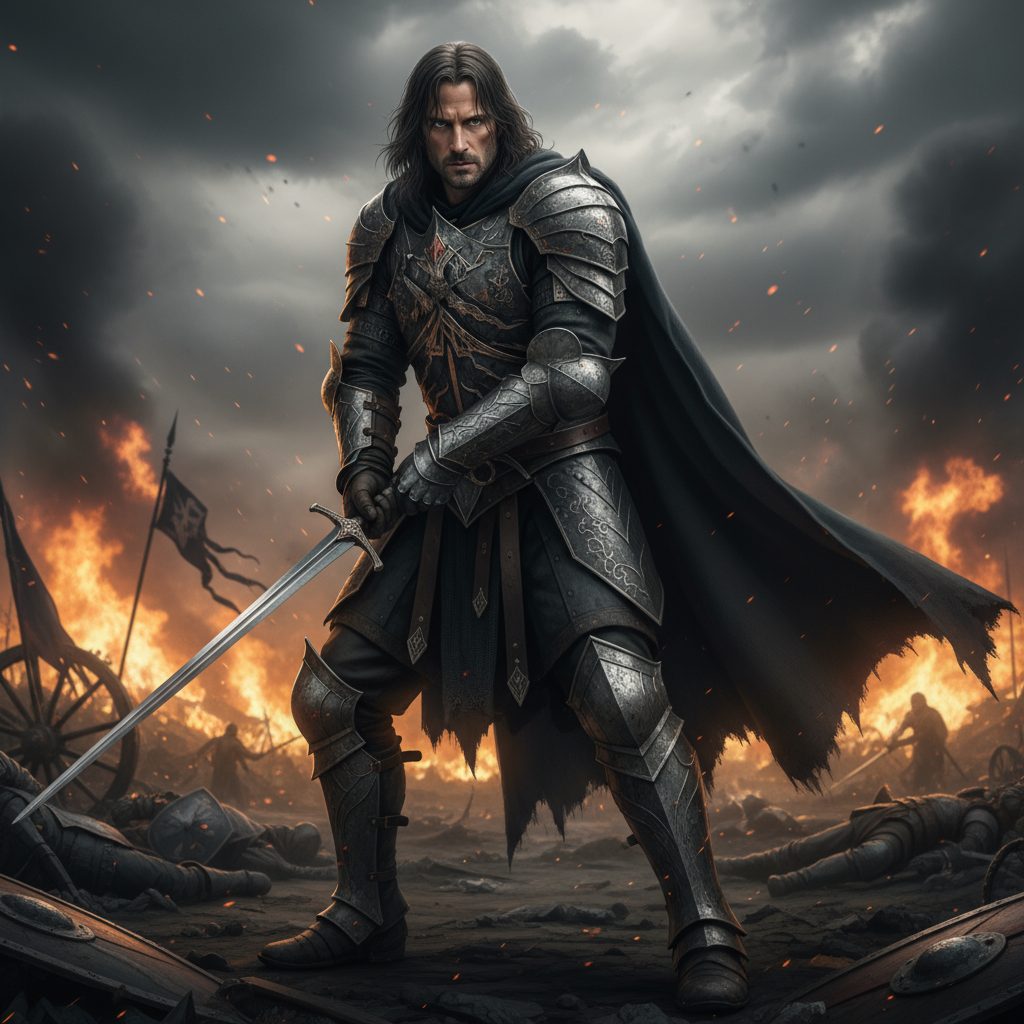
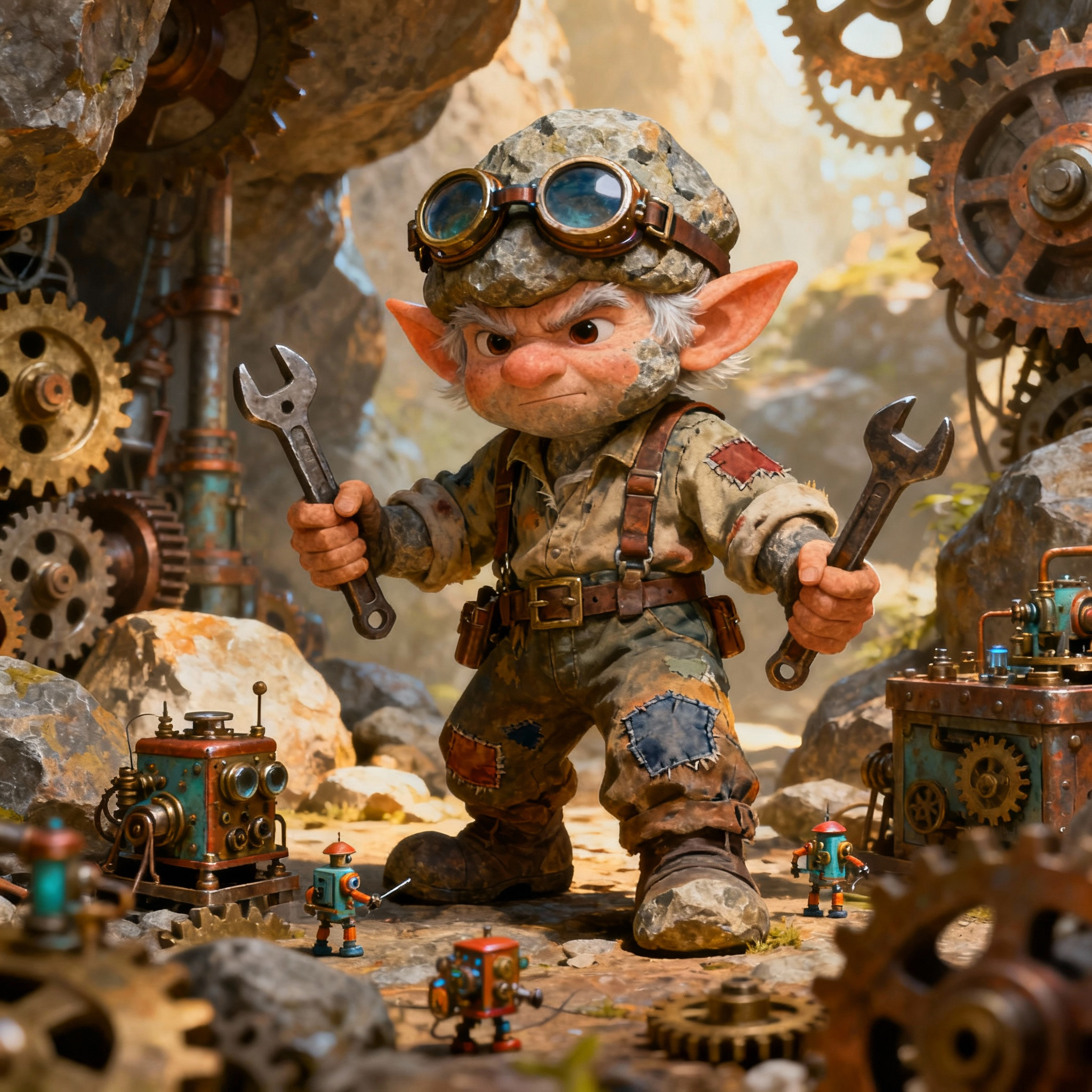
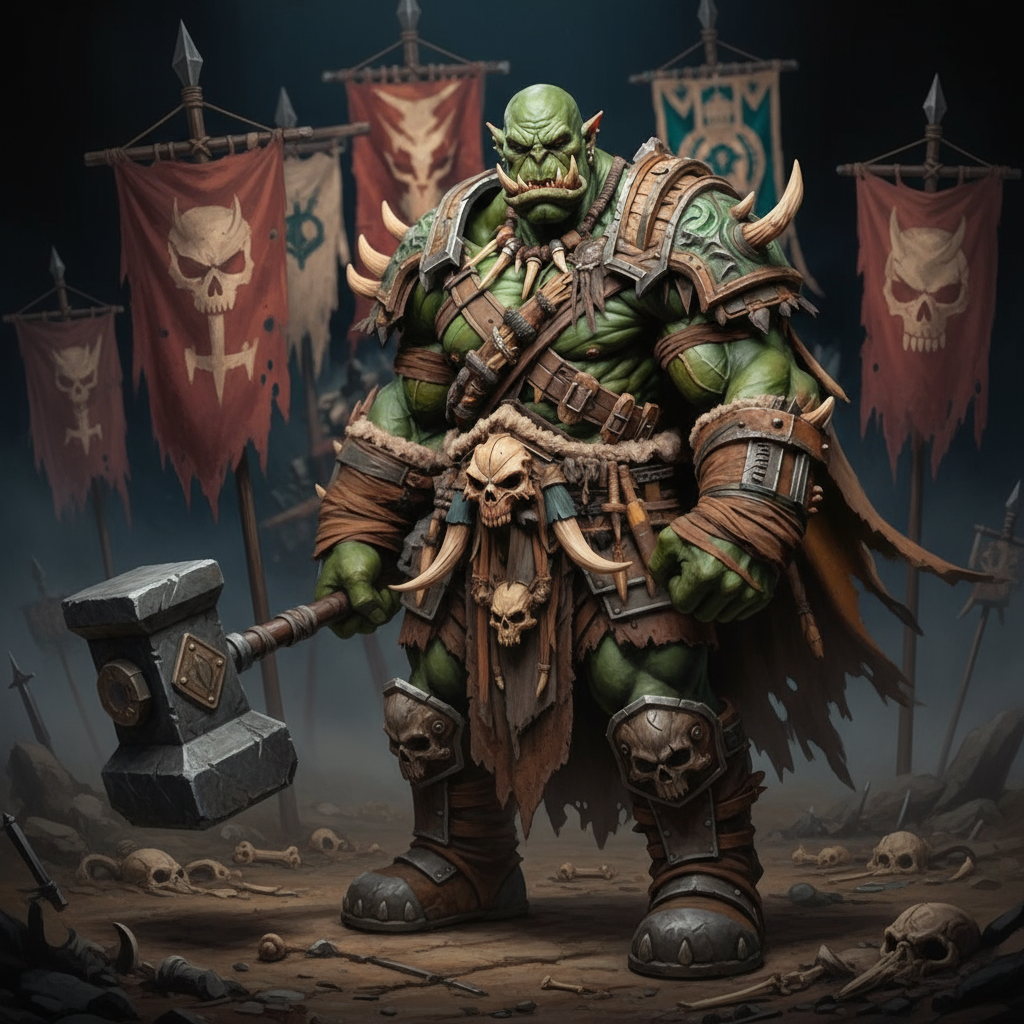
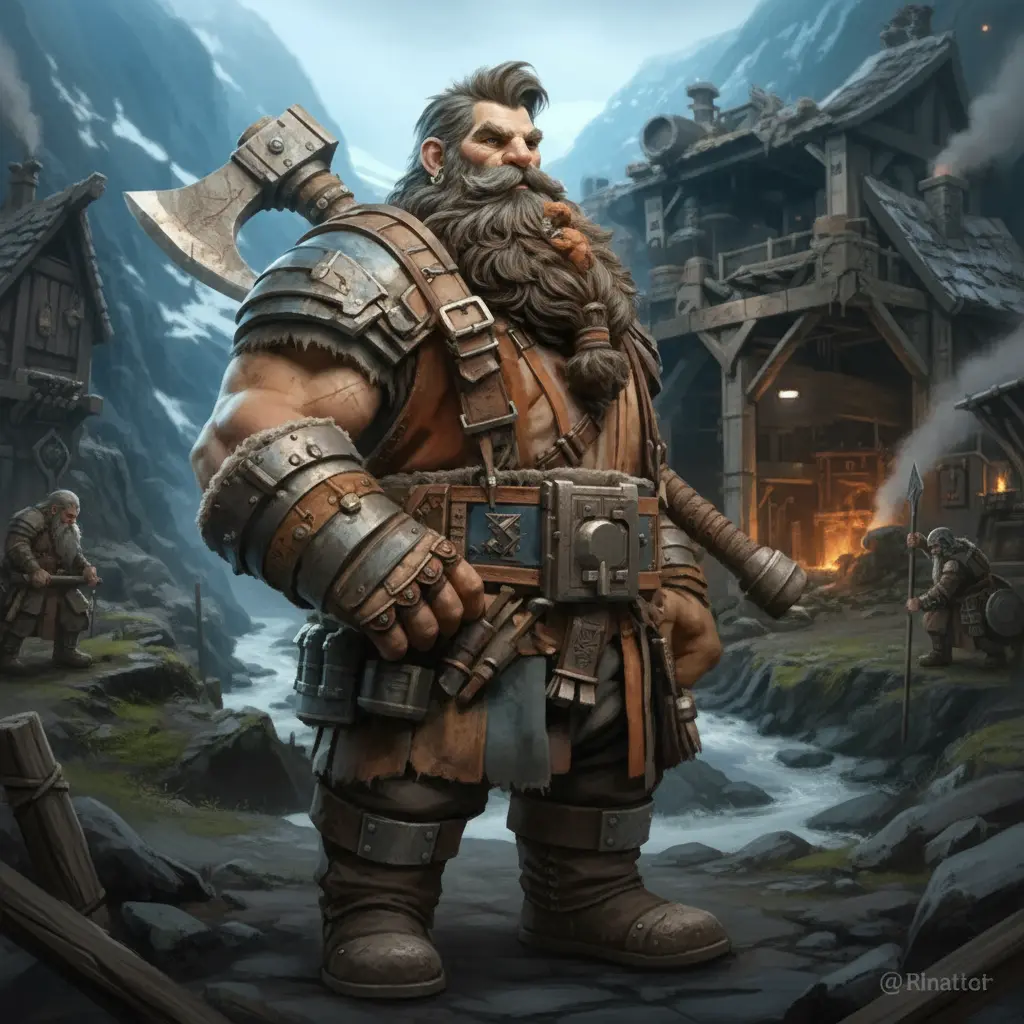
Build Authentic Worlds
Creating a believable fantasy world demands more than maps and magic systems. The names your characters carry shape how readers perceive entire cultures. A dwarf called "Steve" breaks immersion faster than any plot hole, while a thoughtfully constructed name like "Thorin Oakenshield" immediately conveys heritage, strength, and story.
Fantasy race name generators solve a persistent worldbuilding challenge: producing culturally consistent names that feel authentic without requiring linguistic expertise. Whether you're a Dungeon Master improvising NPCs during a D&D session or an author populating an entire civilization, understanding how these tools work—and the linguistic principles behind them—transforms generic labels into meaningful character elements.
Understanding Fantasy Races: Beyond the "Country of Hats"
Fantasy literature has long struggled with what critics call the "country of hats" problem: reducing entire species to single defining traits. All dwarves mine and forge. All elves shoot arrows and commune with nature. All orcs exist for heroes to slay.
Modern worldbuilding recognizes this oversimplification. Real cultures exhibit internal diversity, regional variations, and individual exceptions. Your dwarf might be a diplomat, your elf a blacksmith, your orc a philosopher. Yet naming conventions still matter because they signal cultural identity without requiring exposition dumps.
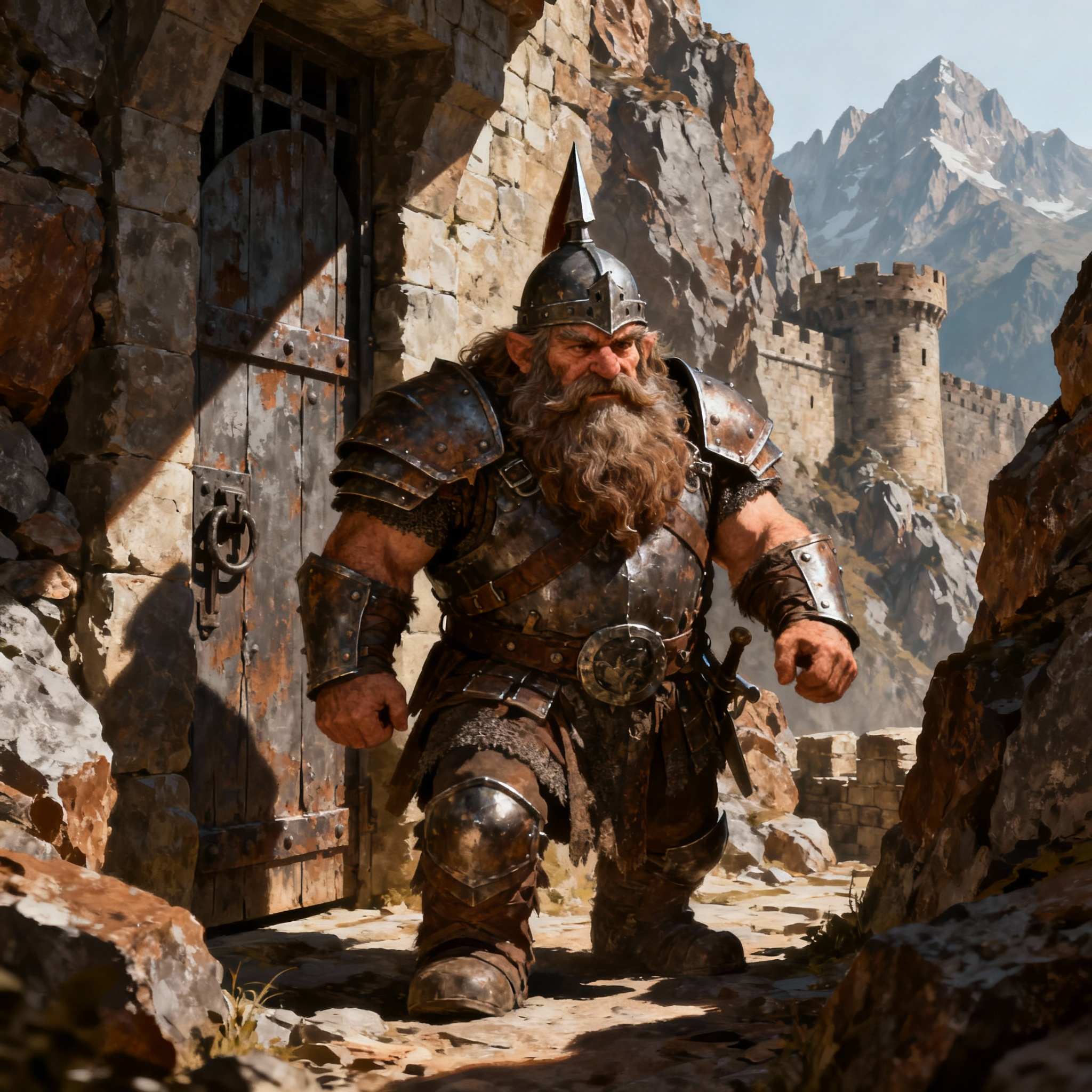
The key lies in understanding what makes each fantasy race distinct while avoiding stereotypes that flatten complexity. Dwarven names traditionally draw from Germanic and Norse roots—languages emphasizing hard consonants and weighty syllables. This phonetic pattern evolved from Tolkien's Middle-earth, where dwarves spoke languages inspired by Old Norse and Hebrew. The convention stuck because those sounds evoke the stoic, mountain-dwelling craftsmen readers expect.
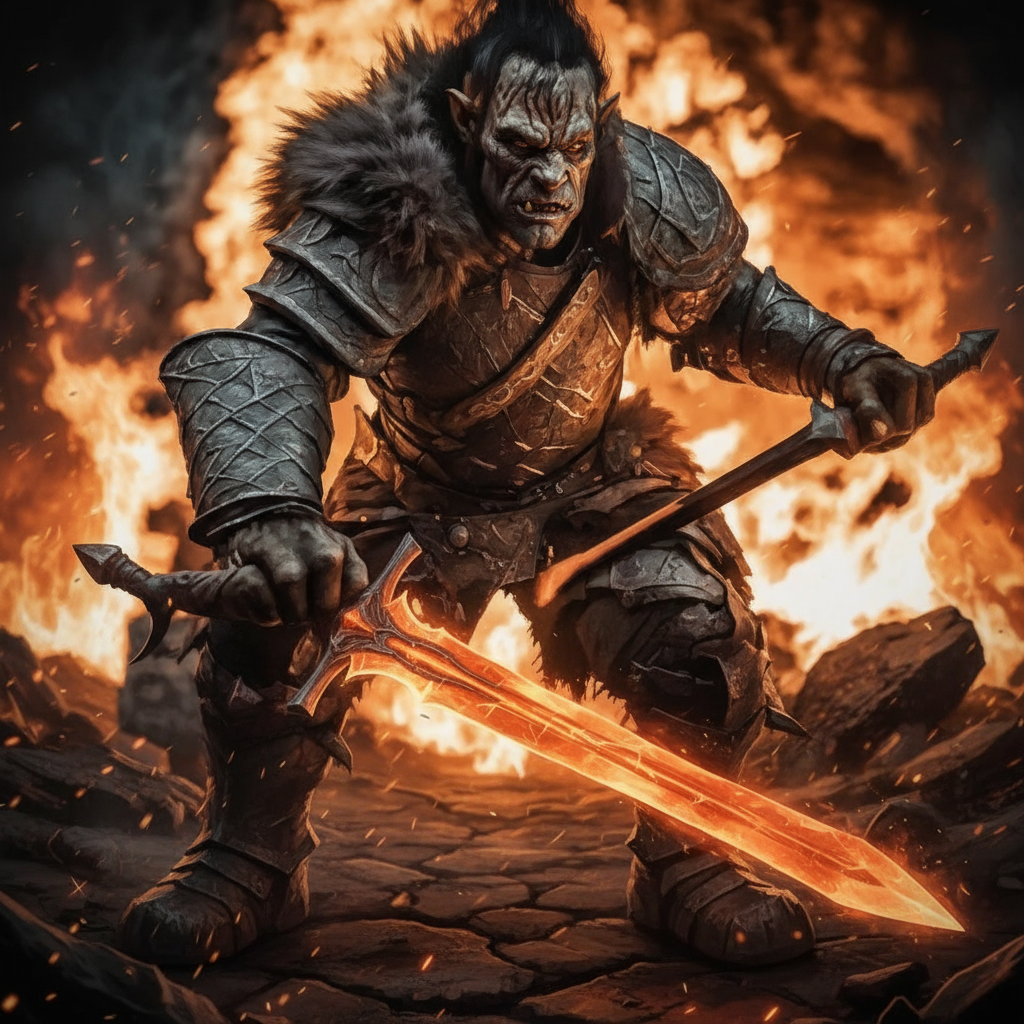
Elvish names flow with liquid consonants and elongated vowels, reflecting Tolkien's constructed Sindarin and Quenya languages based on Finnish and Welsh. Orcish naming gravitates toward harsh, guttural phonemes. These patterns aren't arbitrary—they're cultural shorthand, immediately communicating information about fictional societies through sound alone.
How Fantasy Race Name Generators Actually Work
Modern name generators employ sophisticated algorithms far beyond random letter combinations. The most effective tools use Markov chains—mathematical models calculating the probability of one letter or syllable following another based on training data.
A Markov chain name generator analyzes existing names from a specific culture or fantasy race, building a model showing which letters commonly appear together. For example, after analyzing dwarf names like "Thorin," "Gimli," and "Balin," the model learns that 'th' often begins names, 'in' frequently ends them, and certain consonant clusters appear more than others.
According to documentation from procedural name generation tools, "given a set of words as training data, the name generator calculates the probability of a letter appearing after the sequence of letters chosen so far." The generator checks models looking up to 'n' characters back (the "order" setting), falling back to simpler patterns when necessary through an approach called Katz's back-off model.
More advanced generators also employ phonotactic rules—the linguistic principles governing which sound combinations are permissible in a language. Fantasy names generated from basic phonetic rules use what's called CVC syllable syntax (consonant-vowel-consonant). A name generator using this method might specify that syllables follow a "(C)VC" pattern, meaning every syllable always contains a vowel followed by a consonant, with an optional consonant at the beginning.
The Evennia game engine documentation explains: "Fantasy names are generated from basic phonetic rules, using CVC syllable syntax." This creates pronounceable results while maintaining the phonetic character of specific fantasy races. A dwarf name generator might emphasize complex consonant clusters like "thr," "gr," and "dw," while an elvish generator favors flowing combinations like "ll," "th," and "ae."
Additional filtering narrows results based on desired characteristics: name length, syllable count, specific starting or ending letters, or similarity to existing names using the Damerau-Levenshtein distance (a measure calculating how many single-character edits separate two words).
Deep Dive: Linguistic Etymology and Name Meanings
The most valuable name generators don't just produce random sounds—they explain what each name means and where it comes from. This linguistic grounding transforms arbitrary labels into storytelling tools.
Germanic Roots: The Foundation of Dwarven Names
Traditional dwarven naming draws heavily from Germanic languages, particularly Old Norse and Old High German. According to historical linguistic research, "Germanic given names are traditionally dithematic; that is, they are formed from two elements (stems), by joining a prefix and a suffix."
Consider the name "Thorin." The element "Thor-" derives from the Norse god of thunder, while "-in" serves as a diminutive suffix. The name literally means "little Thor" or "Thor's descendant." This two-part construction appears throughout Germanic naming: "Adal-" (noble) + "-bert" (bright) creates "Adalbert," meaning "noble and bright."
Common Germanic name elements include:
- Bern/Beorn (bear): suggests strength and ferocity
- Hart/Hard (hard, firm, brave): emphasizes resilience
- Ric/Reich (ruler, king): indicates leadership
- Wulf/Wolf (wolf): evokes warrior spirit
- Helm (helmet, protection): signals defensive prowess
A dwarf named "Bernhard Ironhelm" carries meanings stacking across both elements: "bear-hard" (brave as a bear) plus "one who protects with iron"—a name telegraphing both personality and profession.
Celtic Influences: Fire and Exaltation
Celtic languages contribute distinctive phonetic patterns, particularly for fantasy races with mystical or nature-oriented cultures. The Irish goddess Brigid provides an instructive example.
The Westport Library's mythology guide explains: "Stemming from the Proto-Celtic word Briganti, meaning 'the High One' or 'the Exalted One,' Brigid is the origin of the popular name Bridget." The etymology connects to Proto-Indo-European roots meaning "to rise" or "high," the same linguistic family giving English the word "bright."
Celtic name elements often reference natural phenomena, spiritual concepts, or social status:
- Dubh (black, dark): appears in names like "Dubhgall."
- Fionn (fair, bright): creates names like "Fionnuala."
- Brigid/Bride (exalted one): emphasizes elevated status
- Mac/Mc (son of): establishes genealogy
- O' (grandson/descendant of): traces lineage
A half-elf character named "Fionn MacBrigid" would mean "fair one, son of the exalted"—immediately suggesting both physical appearance and noble heritage.
Latin Elements: Structured Elegance
Classical Roman naming employed the tria nomina system: praenomen (personal name), nomen (family name), and cognomen (additional surname). While this specific structure rarely appears in fantasy directly, Latin roots pervade fantasy naming for cultures emphasizing order, law, or imperial power.
Roman nomenclature research notes: "The most important of these names was the nomen gentilicium, or simply nomen, a hereditary surname that identified a person as a member of a distinct gens." This emphasis on family identity over individual distinction influences fantasy races valuing clan or house affiliation.
Latin name elements frequently encountered include:
- Magnus (great): suggests importance or physical size
- Felix (lucky, fortunate): implies favor or blessing
- Aurum (gold): references wealth or preciousness
- -ius/-ia/-um: standard Latin noun endings indicating grammatical case
- -tor/-trix: agent noun suffixes (one who does something)
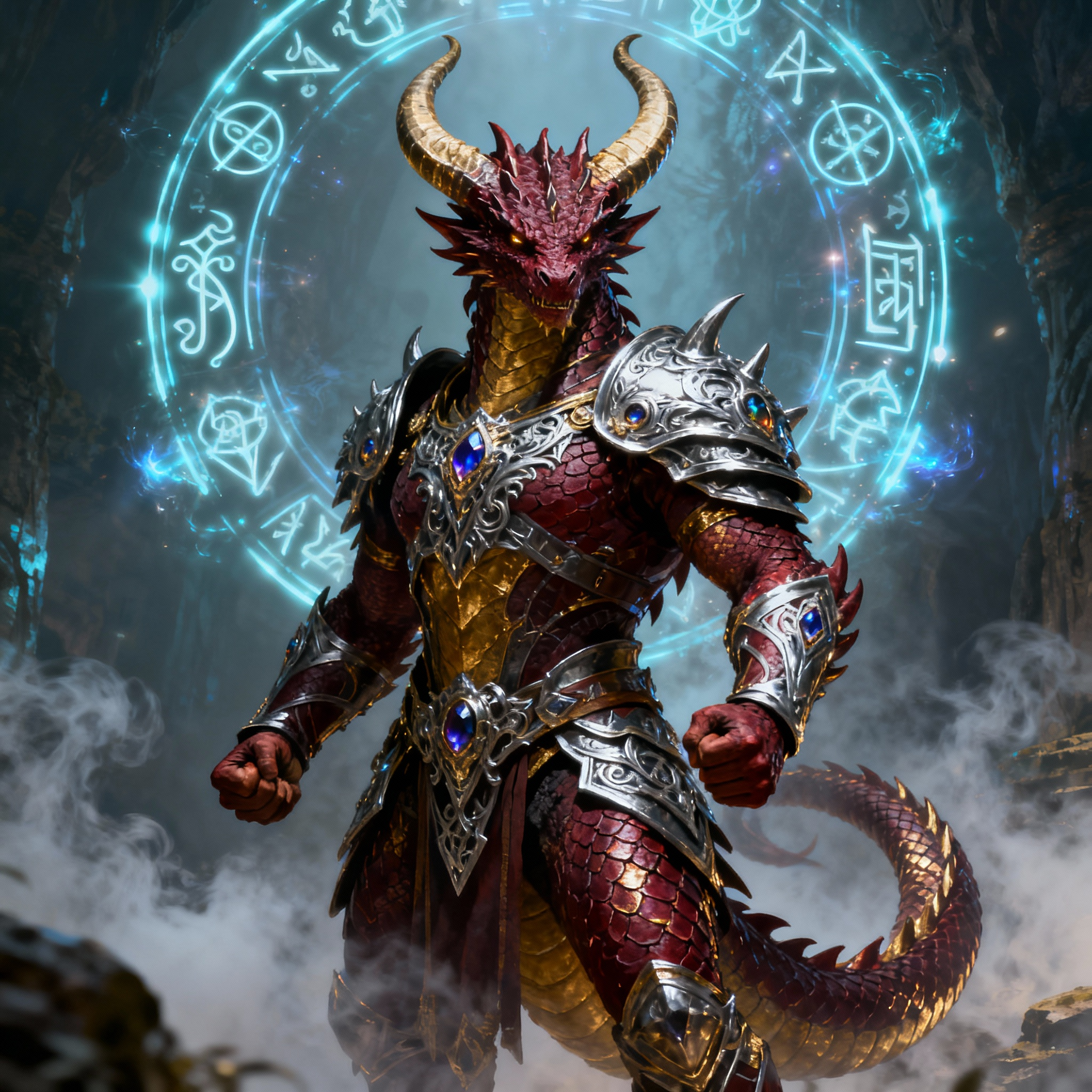
A tiefling scholar might bear the name "Magnus Goldwright," combining Latin grandeur with English craft tradition—suggesting someone of notable intellect who works with precious knowledge.
For Dungeon Masters: Naming NPCs That Matter
Running a D&D campaign means constantly introducing characters you never planned. Your party veers left into an unwritten district. They interrogate the guard you assumed would remain scenery. They befriended the merchant who existed only to sell health potions.
Every improvised NPC needs a name, and generating one on the spot often produces disasters. "Uh, his name is... John. John Smith. The dwarf." Immersion shatters. Players remember the moment your creativity failed.
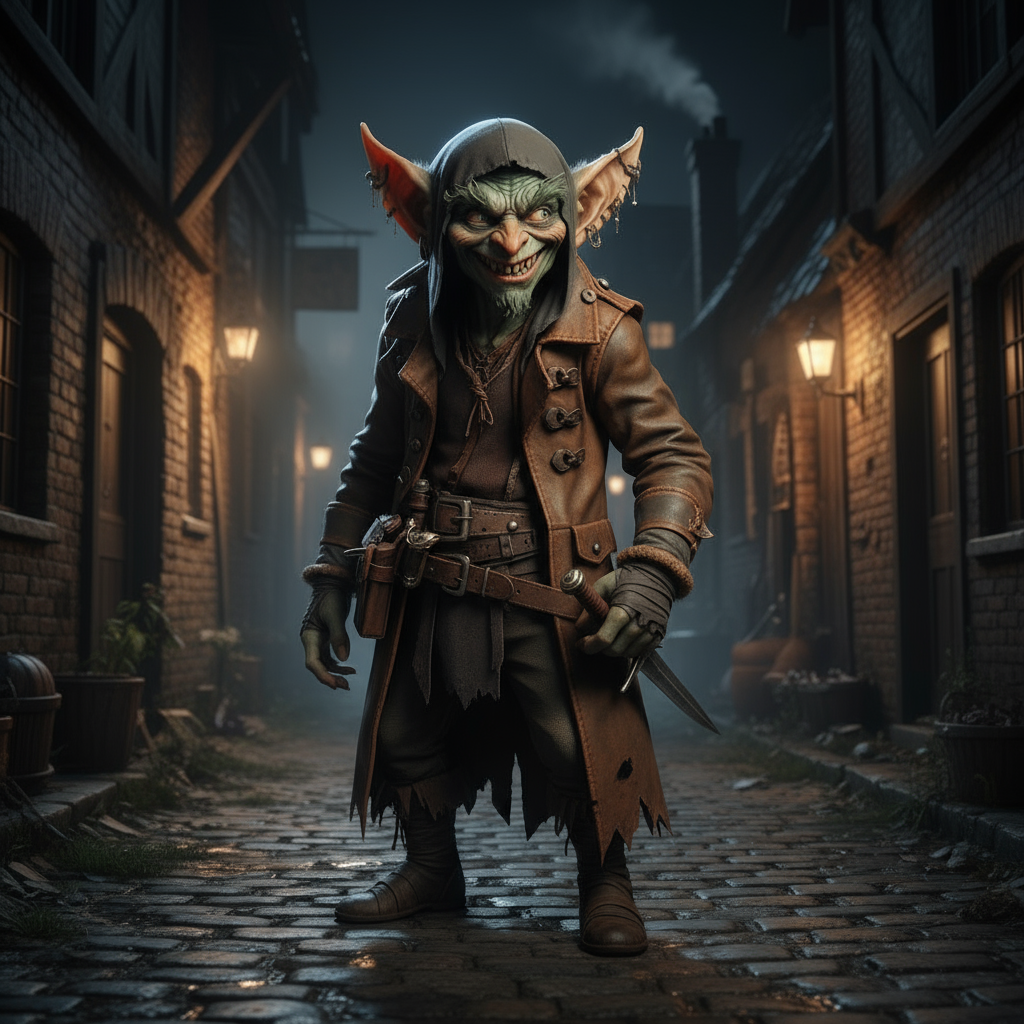
Pre-generated name lists help, but memorizing dozens of options proves impractical. A better approach: understand naming patterns well enough to construct culturally appropriate names instantly. When players unexpectedly interact with a goblin merchant, you can quickly produce "Griznack Coinpincher" because you recognize "Griz-" sounds appropriately goblinoid and "-nack" provides a sharp ending, while "Coinpincher" immediately suggests both profession and personality.
Keep a tab open with your preferred race name generator during sessions. When improvisation demands an NPC, generate three to five options, scan the meanings, and select one matching the character's narrative function. A dwarf guard at a treasury might be "Dolgrim Ironvault" (hidden fierce one; keeper of metal wealth), while a friendly tavern owner could be "Borin Alebrewer" (battle-ready one; crafter of drink)—names whose meanings reinforce their roles without explicitly stating them.
The meaning and etymology information serves another purpose: instant backstory hooks. When your players ask where "Dolgrim Ironvault" got his name, you already know his parents chose a name meaning "hidden fierce one"—perhaps because he was a sickly child who surprised everyone by surviving and joining the guard. The etymology points to dwarven traditions, suggesting Dolgrim comes from an old clan maintaining ancient naming customs.
For Authors: Cultural Consistency at Scale
Fantasy authors face a different challenge: populating entire civilizations with hundreds of named characters while maintaining internal consistency. Readers notice when your elf kingdom uses Germanic dwarf names, or when siblings bear names from incompatible linguistic traditions.
Establishing naming conventions early prevents these errors. Before writing, generate fifty names for each major culture in your world. Analyze the patterns: What phonemes appear frequently? How many syllables do typical names contain? What elements repeat across multiple names, suggesting cultural significance?
Create a naming guide documenting these patterns. Your northern dwarf clans might favor names beginning with "Th-" (Thorin, Thrain, Thror), while southern dwarves prefer "B-" sounds (Balin, Bifur, Bombur). Establish what different name elements mean within your world. Perhaps "-kin" endings indicate the youngest children, while "-dak" marks warrior families.
This preparation accelerates writing. When introducing a new elf character, you don't stare at blank pages wondering what sounds "elfin." You consult your established patterns, combine appropriate elements, and continue writing. The name "Aerendil Starweaver" emerges naturally because you know "Aer-" means "air/sky" in your elvish language, "-endil" suggests "lover/friend," and "Starweaver" aligns with your established convention of celestial surnames for noble houses.
Etymology information proves especially valuable when constructing fantasy languages. You don't need to invent entire working languages (unless you enjoy linguistics), but understanding how real-world naming evolved helps create believable fictional equivalents. If your orc culture evolved from nomadic tribes, their names might lack hereditary surnames, instead using descriptive epithets: "Grommash" (the individual's name) "of the Warsong clan" (tribal affiliation), "Skullcrusher" (earned title from notable deed).
Avoiding Common Fantasy Naming Pitfalls
Even understanding linguistic principles, writers stumble into predictable traps:
Apostrophe abuse: Adding random apostrophes doesn't make names sound exotic—it makes them unpronounceable. "K'th'rax'qul" forces readers to stop and puzzle out pronunciation, ejecting them from the narrative. Use apostrophes sparingly, only where they indicate genuine phonetic features like glottal stops in constructed languages.
Unpronounceable consonant clusters: "Qxzthrk" might look alien, but names readers can't mentally pronounce become forgettable jumbles. Stick to phonotactic rules from real languages—if a combination doesn't appear in any natural human language, there's probably a reason.
Inconsistent cultural borrowing: A single character bearing names from three different linguistic traditions suggests sloppy worldbuilding. "Sven de la Cruz Patel" mashes Scandinavian, Spanish, and Indian names together without explanation. Unless you're deliberately depicting a cosmopolitan culture where such mixing makes diegetic sense, maintain consistency.
Meaning-free combinations: The worst generators simply smash random syllables together. "Zorthan Blackstone" sounds like a fantasy name, but means nothing. Good names work on multiple levels—phonetically appropriate, etymologically grounded, and semantically relevant to the character.
Ignoring gender conventions: While fantasy worlds can certainly subvert real-world gender norms, readers expect some consistency. If your dwarf society uses "-hild" endings exclusively for female names (following Germanic patterns), switching randomly to male characters confuses audiences.
Start Your Adventure: Practical Next Steps
Building immersive fantasy worlds requires attention to details most readers never consciously notice. They won't analyze the linguistic roots of your dwarf names, but they'll feel when something sounds wrong. They won't trace the etymology of elvish surnames, but they'll sense cultural coherence when all elements align.
Name generators serve as starting points, not final authorities. Generate options, examine their meanings and etymologies, then adapt them to your specific world. Maybe "Thorin Oakenshield" becomes "Thorin Ironoak" because your dwarves associate iron with nobility differently than Tolkien's. Perhaps "Aerendil Starweaver" shifts to "Aerendil Skyweaver" because your elves haven't developed astronomy yet.
The goal isn't linguistic perfection—it's creating names that enhance rather than distract from your storytelling. A well-chosen name reinforces character, culture, and theme without requiring explanation. When readers encounter "Grommash Skullcrusher," they immediately understand something about orc culture's emphasis on martial prowess and earned titles. When they meet "Hope Brighthollow," they sense a tiefling deliberately choosing virtue over inherited infernal nature.
Take your worldbuilding seriously by taking names seriously. Generate dozens of options. Study their meanings. Understand their etymologies. Then craft names that transform arbitrary labels into cultural artifacts—small pieces of your fictional world that readers can hold, examine, and believe.