
Fantasy Location Name Generators
Create Memorable Worlds
Names shape worlds. A village called Thornhollow whispers danger. A city named Starfall promises wonder. Before you sketch your first map or write a single scene, the names you choose will influence how readers—and players—experience your fictional realm.
Creating compelling fantasy location names isn't about random syllables or excessive apostrophes. It's about understanding how real places earned their identities, then applying that logic to your imaginary geography. Whether you're building a Dungeons & Dragons campaign, drafting your first novel, or designing an RPG world, the right names anchor your setting in something that feels authentic.
A fantasy location name generator streamlines this process by producing names rooted in actual naming conventions—the patterns villages, cities, and kingdoms follow when they grow organically over centuries. Let's explore how to use these tools effectively and understand the principles that make fantasy place names truly memorable.
Understanding Naming Conventions Across Scales
Real settlements don't name themselves randomly. A pattern emerges when you study how places across history acquired their identities: smaller communities favor descriptive simplicity, while larger entities embrace complexity and mystique.
Villages typically combine geographical features with functional descriptors. Look at actual English place names like Oxford (where oxen crossed), Ashford (ford by the ash trees), or Millbrook (brook with a mill). These names emerged from settlers describing what they saw. Your fantasy villages should follow similar logic—Shadowfen tells visitors exactly what to expect, while Oldwick suggests established history without elaborate explanation.
Anglo-Saxon suffixes like '-ton' meant farm or hamlet, '-ham' indicated a village or estate, and '-bury' signified a fortified place. According to English Heritage, "you'll begin to notice some simple suffixes like 'ton' (farm or hamlet), 'ham' (village or estate), 'ly' or 'ley' (wood or a clearing)." These patterns created names that were both functional and evocative—qualities your fantasy villages should replicate.
Towns occupy the middle ground. They're large enough to support specialized trades and attract attention, yet intimate enough that strangers still draw curious glances. Town names often honor founders, commemorate historical events, or combine cultural markers with geography. Ravenhold suggests both a defensive structure and regional significance. Kings Cross implies important roads meeting at a historically relevant junction.
Cities demand gravitas. Historical metropolises often bear names whose origins became obscured across centuries—London, Paris, and Rome carry weight precisely because their etymologies require scholarly investigation. Your fantasy cities can employ a similar mystique through names that feel ancient, names suggesting multiple conquering civilizations layering influence over time.
Countries and continents require names broad enough to encompass diverse populations and landscapes. These often derive from founding peoples, mythological events, or geographical features visible at a continental scale. The naming conventions here shift from functional descriptors toward the elemental and mythic—names that feel discovered rather than invented.
The Village Generator: Crafting Intimate Communities
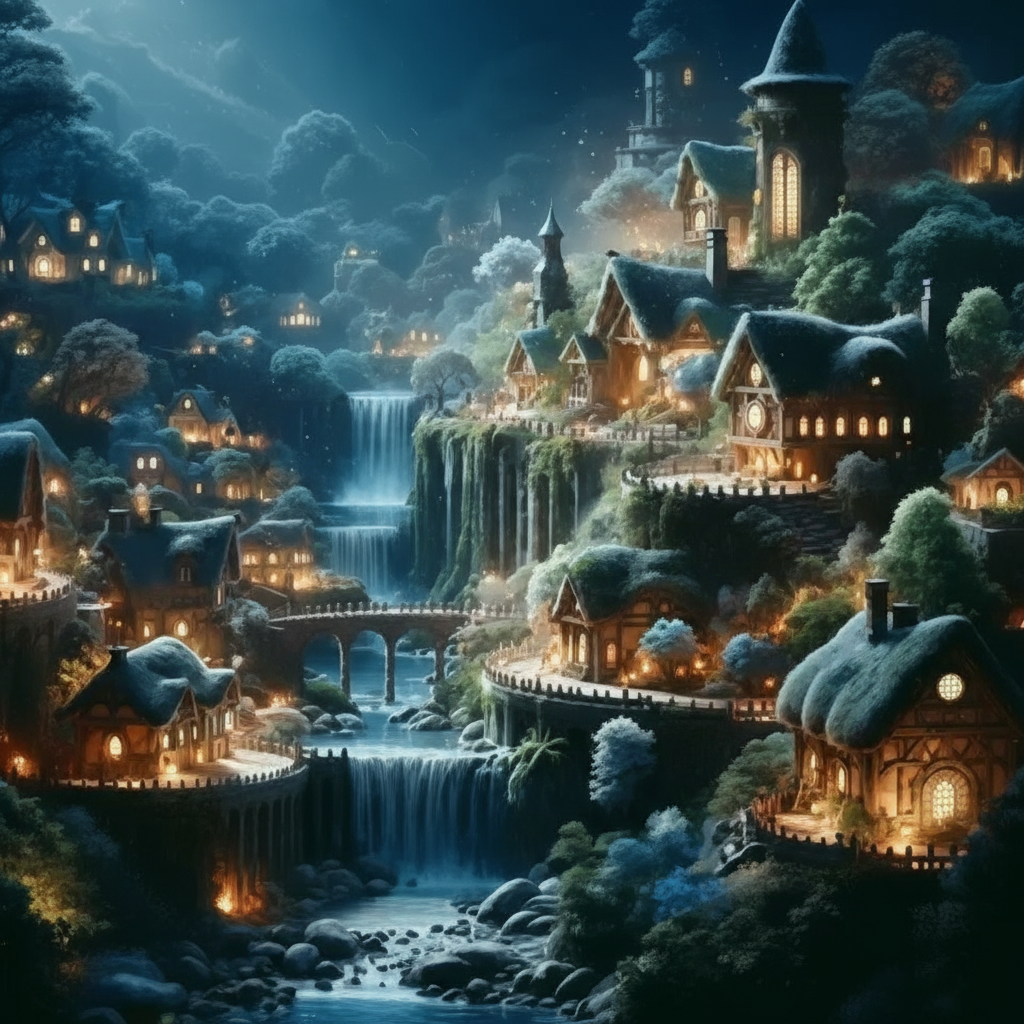
Villages form the foundation of most fantasy worlds. They're where heroes begin their journeys, where farmers till familiar fields, and where the blacksmith knows your grandfather's story. A village name generator produces appellations suited for these cozy, rustic settlements—combinations that evoke thatched roofs, cobblestone paths, and that unmistakable sense of places where magic might lurk beneath ordinary surfaces.
Effective village names share common characteristics: they're pronounceable, descriptive, and grounded in tangible features. Thornhollow immediately suggests a depression in the land where thorny bushes grow. Millstone Ford describes both a river crossing and the industry nearby. These names work because they sound like something actual settlers would call a place.
The best village names hint at history without requiring exposition. "Oldwick" implies age through a simple prefix. "Newbury" suggests recent establishment or rebuilding after destruction. "Ashdale" combines tree type with valley formation—six letters conveying both geography and vegetation.
When generating village names, prioritize functionality over flourish. These settlements don't need exotic appellations—they need names that feel lived-in. Think about what early inhabitants would notice first: the river bend, the surrounding forest, the defensive hilltop position. Let those observations guide your naming choices.
A village name generator becomes particularly valuable during worldbuilding's detail-work phase. You don't need hours to name every hamlet on your map, but you do need those names to maintain consistency. Generate batches of options, identify appealing patterns, and build a naming convention you can apply across your fictional region.
From Towns to Cities: Scaling Up Your Nomenclature
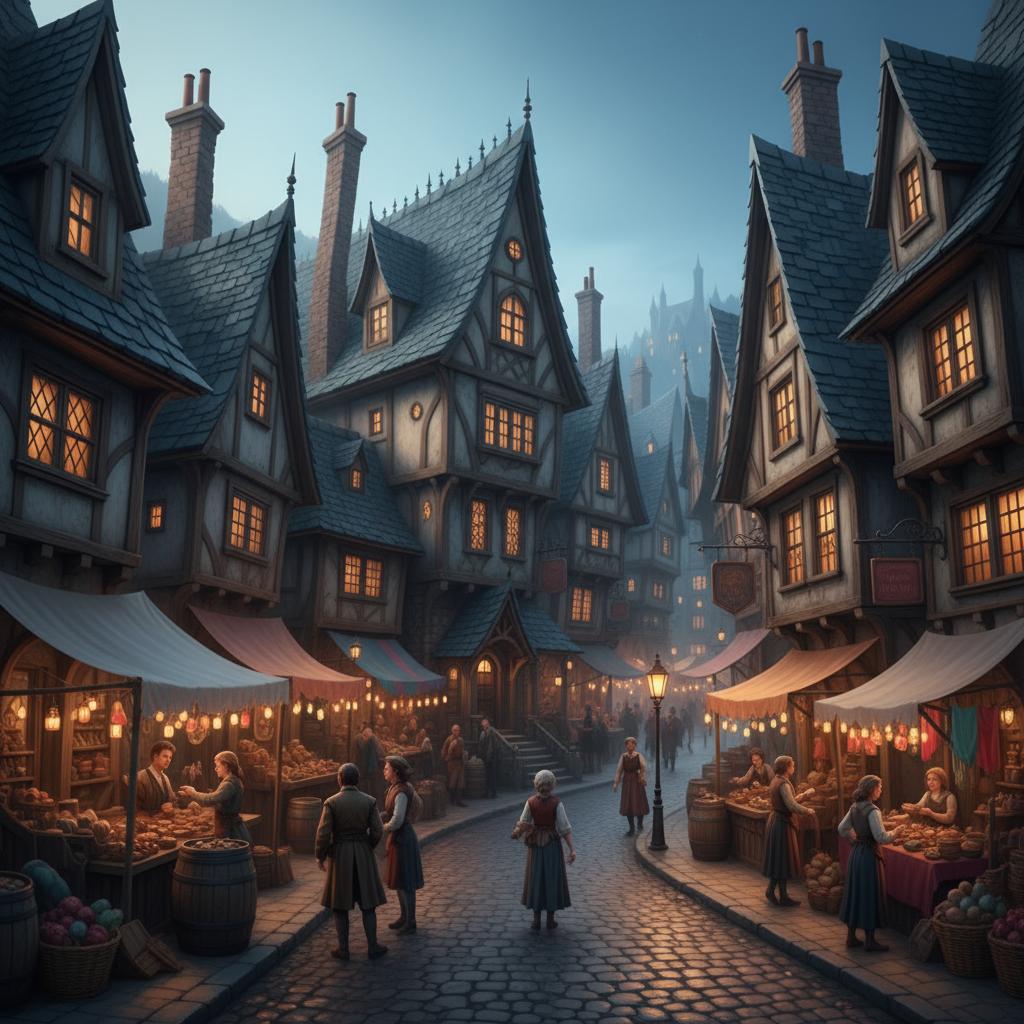
Towns represent growth and transition. They're communities that outgrew village intimacy but haven't achieved city anonymity. Town names often reflect this intermediate status through combinations of historical references and geographical markers.
Consider how real towns evolved their names. Many English towns combine personal names with geographical suffixes: Birmingham (Beorma's people), Nottingham (homestead of Snot's people), Buckingham (riverside land of Bucca's people). Your fantasy towns can follow similar patterns—just ensure the personal names and suffixes match your fictional culture's linguistic style.
Town names benefit from suggesting commercial or strategic importance. Crosshaven implies a port at a trading crossroads. Ironbridge describes both a landmark and a likely metallurgical industry. These names tell visitors something essential about the community's role in the wider world.
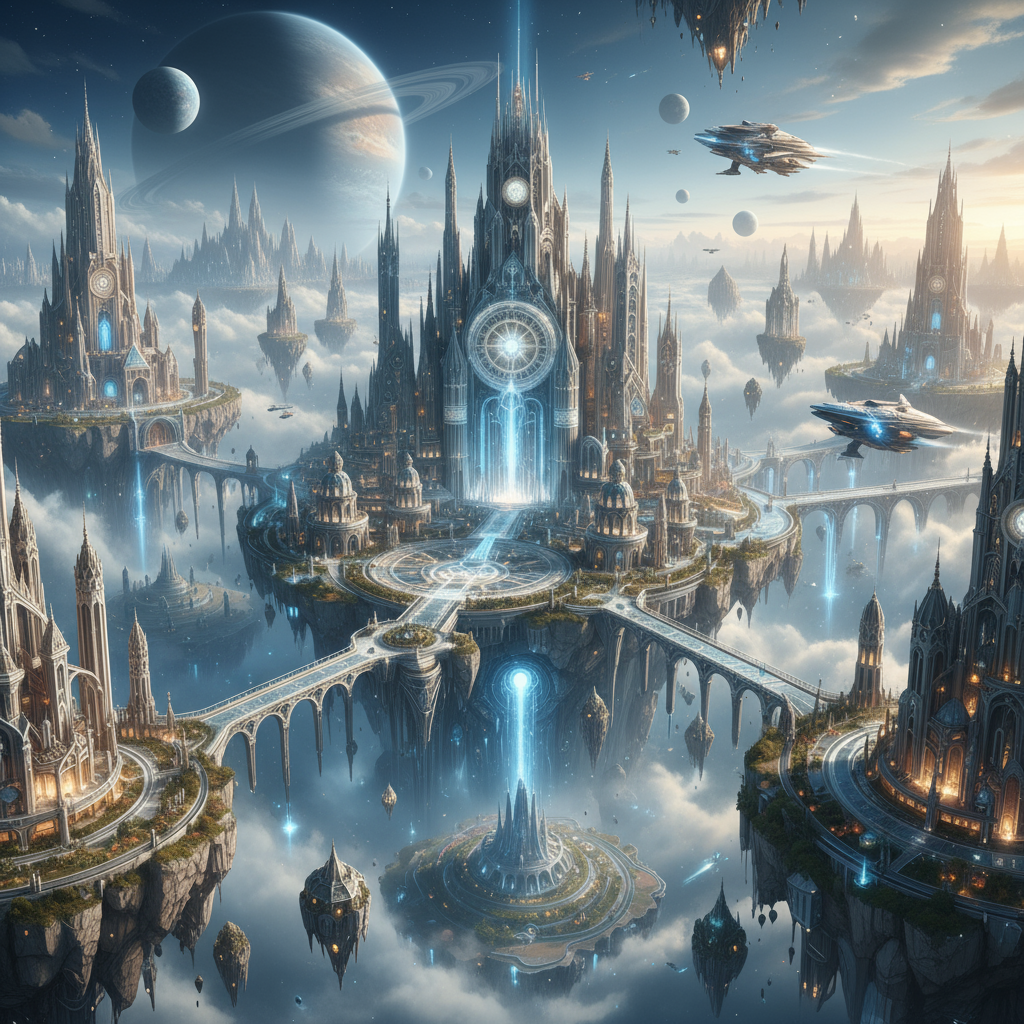
Cities, by contrast, need names that can anchor political intrigue, house diverse populations, and suggest ancient foundations. City naming conventions shift from the descriptive toward the mythological and commemorative. A city might be named for its legendary founder, a decisive battle, or a religious significance that predates written records.
The distance between "Millford" (village) and "Stormhaven" (city) isn't just population—it's the weight of accumulated history. Cities collect names like sediment, sometimes preserving ancient appellations that outlived the languages that created them. According to BBC Bitesize, "the place-names are more English than many of the Hobbit names. And it is the place-names which reveal something of the Shire's past and mythology."
When using a town or city name generator, pay attention to phonetic weight. Shorter, simpler combinations suit towns (Redmarch, Brightwater). Longer, more complex arrangements better serve major cities (Karthendell, Silvermoon Citadel). The number of syllables often corresponds with perceived importance in fantasy nomenclature.
Mapping the Macro: Countries, Continents, and Worlds
Country names require thinking beyond individual communities toward identities that can encompass entire cultures. These aren't just geographical markers—they're names characters will defend, betray, and invoke in oaths.
Real countries often derive names from dominant ethnic groups (England from Angles, France from Franks) or geographical features at massive scale (Iceland, Greenland). Your fantasy kingdoms can follow similar patterns. The Summerlands suggest both climate and cultural character. The Iron Provinces hints at either metallurgical wealth or unbending governance—the ambiguity adds depth.
A country name generator produces appellations that feel appropriate for fantasy nations, kingdoms, and empires. These names should suggest founding legends, dominant cultures, or mythological associations without requiring immediate explanation. When a character mentions "the Northern Reach" or "the Amber Dominion," readers should intuitively grasp something essential about that realm.
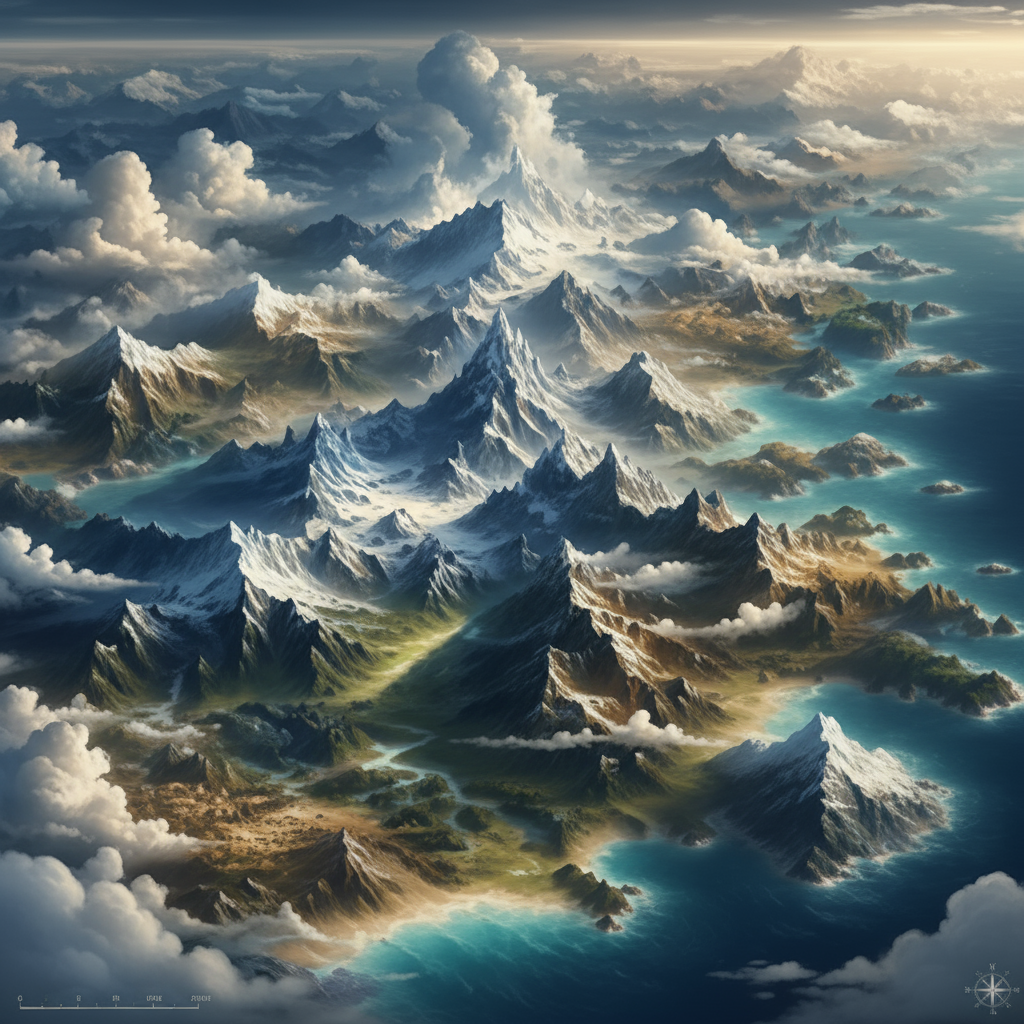
Continents represent the broadest geographical canvas. Their names tend toward the primordial—appellations that feel older than recorded history. Early cartographers inscribed these names on maps without fully understanding what mysteries those landmasses contained.
Continent names benefit from elemental or directional simplicity (Westmarch) or mythological resonance (Aetheria, Valoria). They rarely carry founder surnames or functional descriptors found in settlement names. Instead, they evoke the scale and mystery appropriate to massive geographical divisions.
World names carry unique responsibility. They're the foundation upon which everything else rests—the name appearing on every map, that characters use when discussing their entire reality. Middle-earth, Azeroth, and the Cosmere became synonymous with the fictional universes they represent through memorability, pronounceability, and that ineffable quality of feeling simultaneously exotic and inevitable.
Best Practices for World-Builders: Integration and Consistency
Generated names become truly valuable when integrated thoughtfully into your worldbuilding. Random selections without context create disjointed geography. Names chosen with attention to cultural patterns and historical logic create the illusion of authentic linguistic evolution.
Start by establishing linguistic rules for each fictional culture. Elvish settlements might favor flowing vowel combinations and nature references. Dwarven holds could prefer harsh consonants and compound words referencing stone or metal. Human kingdoms might blend various influences reflecting conquest and trade. Document these patterns and reference them consistently.
According to worldbuilding expert Caro C. Smith, "main characters should have names that start with different letters. Countries/cities/location names should also start with different letters." This prevents reader confusion and maintains distinctiveness across your fictional geography. If you have characters named Kael, Kara, and Kris visiting cities called Karthun, Keldrimar, and Kastholm, readers will struggle tracking who's where.
Test every name aloud before committing. Pronunciation matters more than etymology. Readers won't consult linguistic appendices—they'll sound names out mentally while reading. If that internal pronunciation creates awkward tongue shapes or confusing syllable stress, immersion breaks regardless of how clever your constructed language derivation might be.
Consider historical layering when naming conquered or culturally blended territories. Real places accumulate names over time. Your human kingdom might have conquered Elvish territories three centuries ago—those settlements could retain Elvish names with human pronunciation shifts, or human descriptors attached to Elvish root words. This layering suggests deep history without requiring extensive exposition.
Use geographical features consistently. Settlements near rivers often reference water (Riverrun, Streamford). Coastal communities acknowledge the sea (Saltmere, Wavehaven). Mountain holds describe elevation (Highpeak, Skyhold). Forest villages name themselves for the woods (Greenwood, Thornmarsh). Let the landscape suggest names rather than imposing completely invented appellations.
Borrow strategically from real languages. Tolkien based Elvish on Finnish and Welsh. You don't need linguistic degrees to employ similar techniques. Choose real-world language families matching your fictional culture's aesthetic, then modify existing words until something original emerges. Ancient Greek, Latin, Old Norse, and Celtic languages provide particularly rich material for traditional fantasy settings.
Bringing Your World to Life with Generated Names
A fantasy location name generator serves as both a brainstorming tool and a creative catalyst. These generators prove most valuable during planning phases and improvisational moments—tabletop sessions where players unexpectedly visit locations you haven't prepared, or drafting sessions where narrative momentum matters more than perfect nomenclature.
Generate liberally. Produce dozens of options, note which elements resonate, combine appealing components, and iterate until something perfect emerges. The goal isn't finding a finished product in one click—it's gathering raw material for customization and refinement.
Different generator categories serve distinct purposes. Village generators provide names for starting locations, peaceful retreats, and intimate settings where the local blacksmith knows everyone's business. Town generators produce names for growing settlements, market hubs, and communities complex enough to support competing interests. City generators deliver appellations worthy of capitals, trade centers, and locations demanding political intrigue.
Country and continent generators help anchor entire cultures and establish geographical scale. World generators provide that crucial foundation name—the identifier appearing on every map, binding your fictional universe into cohesive identity.
The fantasy worlds you're building deserve settings as memorable as the characters inhabiting them. Whether your next project requires a single village for a short story or an entire planetary system for an epic series, generated names provide the starting point. They offer the linguistic patterns and authentic feel that transform blank maps into lived-in geography.
Start with sound rather than meaning. Build consistency through documented patterns. Layer history into names through cultural blending. Test pronunciation aloud. Let geography inform your choices. Study successful examples from published fantasy worlds. Generate freely, customize thoughtfully, and remember that the best fantasy location name ultimately serves your story.
Your fictional realms await their names. Browse the generators that match your current needs—villages for intimate communities, cities for grand capitals, continents for sweeping geography, or worlds for the foundations of entire universes. The mystical settings you're creating deserve identities that spark imagination and anchor epic tales. Generate, refine, and build worlds that readers and players will remember long after the stories end.