Nymph Name Generator
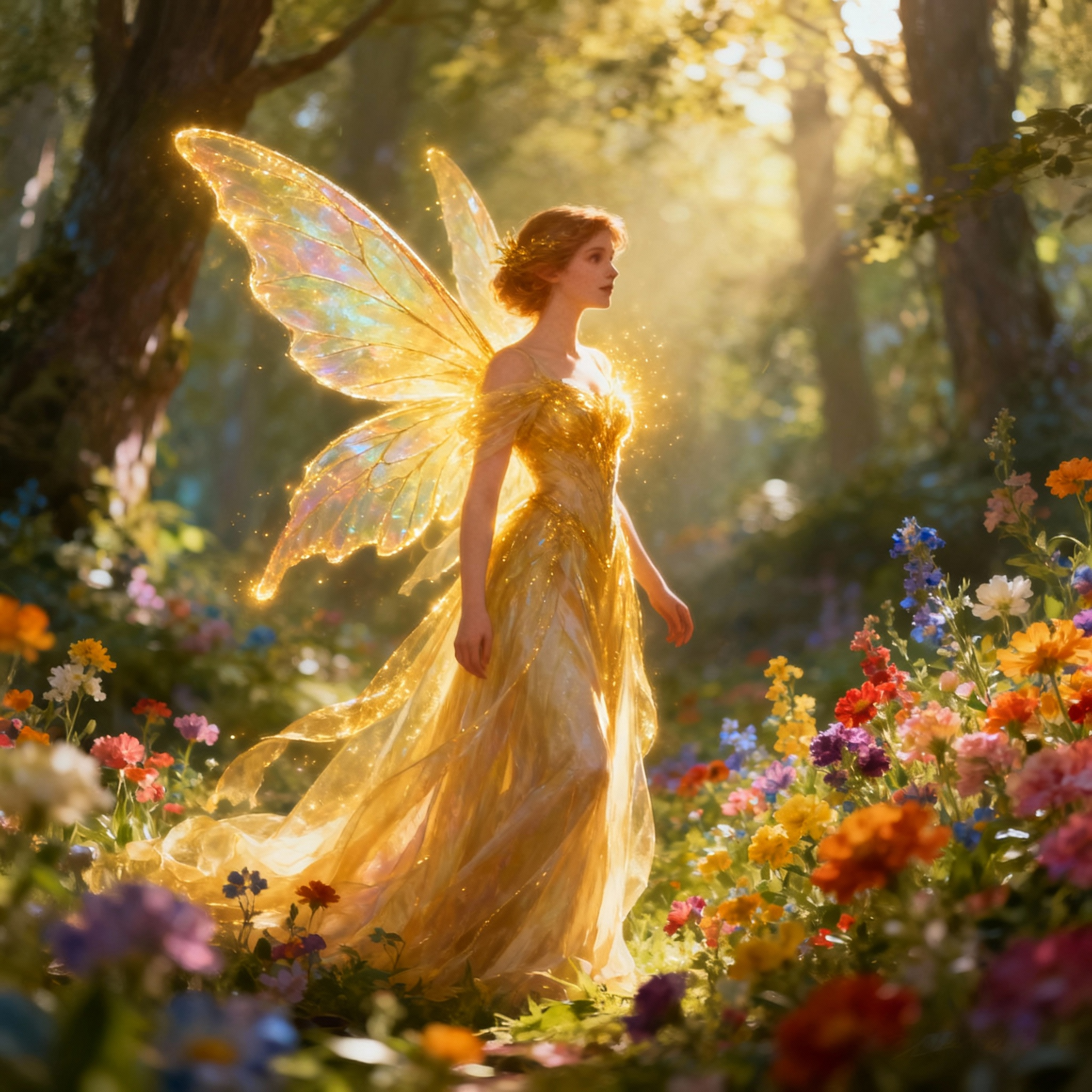
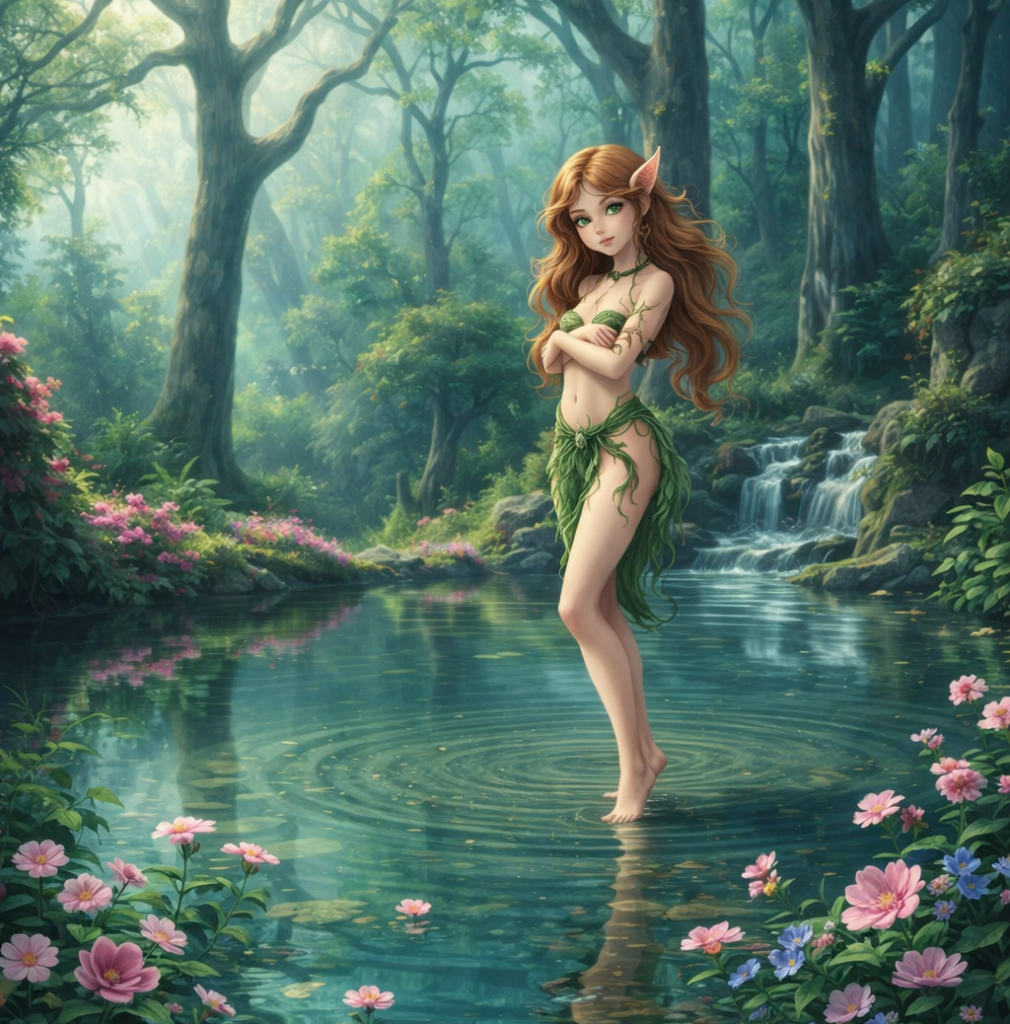
Guard sacred groves with our nymph name generator! Craft beautiful nature deity names ideal for Greek mythology, DnD 5e dryads, or pastoral fantasy.
Gender Preference
Generating magical names...
Craft Enchanting Names for Your Fantasy World
Ancient Greek forests whispered with secrets, and among the rustling leaves dwelt beings of extraordinary grace—nymphs, the minor goddesses who embodied nature's untamed beauty. For fantasy writers, game masters, and worldbuilders, capturing that ethereal quality in a single name can transform a character from concept to living myth. Whether you're creating a Naiad guardian for your DnD campaign, a Dryad sage for your novel, or an Oread protector for your RPG, the right name becomes the bridge between our world and theirs.
Nymphs weren't simply decorative figures in Greek mythology—they were the animate spirits of springs, groves, mountains, and seas. The Nereids danced through saltwater realms, while Dryads bound their life force to ancient oaks. Each type carried distinct characteristics, and their names reflected these elemental ties. Yet finding that perfect balance between authenticity and originality challenges even experienced creators.
A nymph name generator serves as your portal to this mythological naming tradition, offering fresh combinations that honor ancient conventions while sparking new inspiration. By understanding the categories, linguistic patterns, and storytelling potential behind these names, you'll discover how to weave mythology seamlessly into your creative projects.
The Mythological Roots of Nymph Names
Greek mythology classified nymphs into distinct categories based on their dwelling places and domains. According to Britannica, "nymphs were usually associated with fertile, growing things, such as trees, or with water. They were not immortal but were extremely long-lived and were on the whole kindly disposed toward men."
Fresh-Water Nymphs presided over earthly water sources. The Oceanids (Okeanides), eldest daughters of the earth-encircling river Okeanos, numbered among the most ancient. Despite their name suggesting oceanic origins, Okeanos was actually a freshwater stream in Greek cosmology. The Naiads (Naiades) inhabited springs, rivers, streams, wells, and fountains—some descended from Okeanos, others from local river gods.
Tree and Forest Nymphs embodied woodland realms. Dryads (Dryades) protected trees, forests, and groves generally, while Hamadryads (Hamadryades) represented a more intimate connection—their life force bound to a specific tree. When that tree perished, so did the Hamadryad. The Meliae, nymphs of the mountain ash and honey bees, are also counted among tree spirits. Oreads (Oreiades) dwelt on mountains, sometimes as Hamadryads of highland fir and ash trees, sometimes as spirits of rocky grottos.
Sea Nymphs ruled marine domains. The Haliae inhabited seas, sands, and rocky shores, tending schools of fish and marine creatures. Most famous among them were the fifty Nereids, daughters of the sea god Nereus. These beings personified the Mediterranean's various moods—from gentle waves to treacherous currents.
Meadow and Marsh Nymphs nurtured pastoral life. Epimelides (Epimelids) watched over pastures, orchards, cattle, goats, and sheep. The ancient Greek word melos meant both "fruit-tree" and "sheep," explaining their dual guardianship. Leimonides (Limonids) presided over flowery water-meadows, usually of Oceanid or Naiad lineage.
This categorization matters for worldbuilders because it provides thematic coherence. A water nymph shouldn't bear a name suggesting mountain peaks, just as a Dryad's designation ought to evoke woody, verdant imagery.
Understanding Linguistic Patterns in Nymph Nomenclature
Greek nymph names follow recognizable phonetic patterns that create their characteristic melodic quality. The word "nymph" itself derives from the Greek nymphē, meaning "girl of marriageable age"—a designation that speaks to their eternal youth and beauty.
Common Suffixes and Their Meanings:
- -ia/-eia/-aia: Feminine endings suggesting grace and fluidity (Arethusa, Acacia, Alcinoe)
- -is/-ys: Sharp, crystalline sounds often associated with water (Thetis, Amphitrite, Daphnis)
- -e/-ae: Soft, breathy endings that evoke whispers through leaves (Kalliope, Cyane, Ligeia)
- -phe/-phae: Derived from Greek roots meaning "light" or "appearance" (Pasiphaë, Leucippe)
Etymological Building Blocks:
Many nymph names incorporate Greek words for natural phenomena:
- Oreas (mountain): Oreads
- Naias (flowing water): Naiads
- Drys (tree/oak): Dryads
- Nape (dell/valley): Napaeae
- Alsos (grove): Alseids
- Hydros (water): Hydriads
The most evocative names often combine descriptive elements with these foundational terms. "Amphitrite" merges amphi (around) with a root suggesting "the third," possibly referencing her position among sea goddesses. "Callirhoe" joins kalli (beautiful) with rhoe (flow), creating "beautiful flow"—perfectly suited for a spring nymph.
Phonetic Qualities:
Greek nymph names favor liquid consonants (l, r) and open vowels that flow together. Harsh consonant clusters appear rarely. Names like "Melite," "Arsinoe," and "Pleione" demonstrate this preference for smooth, song-like phonetics. When generating or crafting nymph names, aim for combinations that you can pronounce in one breath, letting syllables cascade like water over stones.
Water Nymph Names: Naiads and Nereids
Water nymphs embodied freshwater and marine realms, their names echoing the movement and mystery of their domains. Understanding their distinctions helps create authentic characters.
Naiads of Fresh Water guarded springs, rivers, lakes, and wells. According to Theoi Project, they were "crafters of nature's wild beauty, nurturing wild animals and birds, and forming grottos, springs, brooks, and wetlands." Naiad names often reference clarity, flow, or specific water sources:
- Castalia: Nymph of the sacred spring at Delphi, her name synonymous with poetic inspiration
- Arethusa: A spring nymph who fled the river god Alpheus, transformed into a fountain
- Cyane: Meaning "dark blue," a Sicilian nymph of a deep azure spring
- Pegaea: Generic term for spring nymphs, from pege (spring/fountain)
- Liriope: A Naiad whose name suggests "lily-voiced," mother of Narcissus
Nereids of Salt Water numbered fifty daughters of Nereus and the Oceanid Doris. They personified different aspects of the sea—from its calm surface to its violent depths. Nereid names frequently invoke marine imagery:
- Thetis: Leader of the Nereids, mother of Achilles, whose name may derive from tithemi (to place/establish)
- Amphitrite: Queen of the sea, wife of Poseidon
- Galatea: "Milk-white," named for sea foam's pale color
- Psamathe: "Sand goddess," protector of beaches
- Cymothoe: "Wave-swift," embodying ocean currents
Naming Strategies for Water Nymphs:
When generating water nymph names, consider these approaches:
- Combine aquatic terms with quality descriptors: Merge Greek words for water (hydor), wave (kyma), or sea (thalassa) with adjectives like beautiful (kalli), swift (thoös), or deep (bathys)
- Reference geographical features: Ancient nymphs often took names from the springs, rivers, or regions they inhabited (Eurotas, Scamander, Sangarius)
- Emphasize liquid phonetics: Favor flowing consonants (l, m, n, r) and open vowels (a, e, o) that mirror water's movement
- Consider temperament: Calm pools suggest gentle names (Limnade, Melite), while turbulent waters call for sharper sounds (Agaue, Ceto)
Forest Nymph Names: Dryads and Hamadryads
Tree nymphs embodied the wild heart of forests, their names rooted in woody, earthy syllables. These spirits ranged from general forest guardians to beings whose existence intertwined with a single tree's fate.
Dryads served as guardians of trees and forests broadly. The name "Dryad" comes from drys, which originally meant "oak" but expanded to signify any tall, wild-growing tree. These nymphs could move between trees within their domain, though they rarely strayed far from their sacred groves:
- Eurydice: Famous wife of Orpheus, her name means "wide justice."
- Atlanteia: A Libyan Hamadryad, her name echoing Atlas and suggesting "endurance."
- Pitys: An Arcadian nymph transformed into a pine tree while fleeing Pan
- Karya: Hamadryad of the nut-tree, from karyon (nut)
- Balanos: Spirit of the evergreen oak, from balanos (acorn)
Hamadryads represented the most intimate connection between nymph and nature. Born with their tree, they lived and died alongside it. Felling a Hamadryad's tree was considered an act of murder. Their names often referenced specific tree species:
- Ptelea: Hamadryad of the elm, from ptelea (elm tree)
- Aigeiros: Spirit of the black poplar
- Ampelos: Nymph of wild vine, beloved of Dionysus
- Syke: Hamadryad of the fig tree
- Morea: Spirit of the mulberry tree
The Meliae deserve special mention—Hesiod described them as born from the blood of Uranus when Cronus castrated him. These ancient nymphs of the mountain ash and honey were both fierce and nurturing, associated with warfare (ash wood made spear shafts) and sustenance (honey).
Naming Strategies for Forest Nymphs:
Crafting authentic Dryad and Hamadryad names requires attention to botanical and phonetic elements:
- Incorporate tree terminology: Use Greek and Latin words for tree species, wood, bark, leaves, or botanical features (drys, melea, karya, syke)
- Emphasize earthy sounds: Favor deeper vowels (o, u) and consonants suggesting stability (d, t, k)
- Reference growth and seasons: Consider names evoking spring blossoms (Antheia), autumn leaves, or perennial evergreens
- Reflect longevity: Forest nymphs lived for millennia—their names should feel ancient and dignified (Atlanteia, Chrysopeleia)
Mountain Nymph Names: Oreads and Highland Spirits
Mountain nymphs embodied peaks, crags, and highland wilderness. The Oreads (Oreiades) took their name from oros (mountain), dwelling in rocky grottos and among highland conifers. These spirits possessed a fierce independence befitting their remote, windswept homes.
Unlike their water-dwelling cousins, Oreads often served as companions to Artemis, the virgin goddess of the hunt. They roamed mountain forests, protected wild game, and occasionally interacted with mortal shepherds who brought their flocks to high pastures. Mountain nymphs in mythology frequently appeared as strong-willed beings who rejected unwanted advances—Syrinx transformed into reeds to escape Pan, while Echo was cursed for distracting Hera.
Notable Oreads from Mythology:
- Chelone: An Oread who mocked the marriage of Zeus and Hera, transformed into a tortoise as punishment
- Sinoe: Oread of Mount Sinoe, nurse of Pan
- Nomia: Oread nymph of Arcadian pastures, loved by shepherd Daphnis
- Pitys: Already mentioned as both Oread and Dryad, illustrating category overlap
- Sose: Prophetic Oread who became Pan's mother by Hermes
Phonetic Characteristics:
Mountain nymph names often incorporate harder consonants than their water-dwelling counterparts. The altitude, rocky terrain, and exposure to elements all suggest names with more percussive sounds:
- Hard consonants: k, t, p, kh (Chelone, Nomia, Pitys)
- Aspirated sounds: ph, th, kh, suggesting wind and breath
- Open vowels: Long 'o' and 'a' sounds that could carry across valleys
- Doubled consonants: Creating emphasis and strength (Nomia, Sose)
Naming Strategies for Mountain Nymphs:
When generating Oread names, consider these approaches:
- Reference altitude and geography: Incorporate Greek terms for peak (akros), summit (koryphē), or crag (petra)
- Invoke weather elements: Mountain weather shapes character—consider names suggesting snow (chion), wind (anemos), or clouds (nephos)
- Emphasize independence: Oreads often lived apart from other nymphs, so their names can feel more solitary and self-contained
- Consider associated flora: Highland firs, mountain ash, and alpine flowers all provide naming inspiration
- Honor the hunt: Many Oreads served Artemis—names can evoke swiftness, archery, or wilderness survival
Practical Tips for Integrating Nymph Names into Your Storytelling
A beautifully generated name only fulfills its purpose when woven seamlessly into a narrative. Here's how to make nymph names work within your creative projects:
Match Names to Personality and Role:
Not every water nymph embodies serenity, nor every Dryad gentleness. Consider your character's temperament before settling on a name. A vengeful Naiad who drowns trespassers might bear a name like "Agaue" (illustrious/splendid, but sharp-sounding), while a healing spring's guardian could be "Iasis" (cure/remedy). The name should whisper who they are before readers learn anything else.
Establish Naming Conventions Within Your World:
If your fantasy setting includes multiple nymphs, develop consistent patterns. Perhaps all nymphs of a particular grove share a suffix, or nymphs born in spring receive names with floral elements. This subtle consistency makes your world feel lived-in and carefully constructed.
Use Etymology as Character Development:
Greek names often carry meanings that illuminate character. When you discover a generated name's etymology, let it inform backstory. If "Chrysopeleia" means "golden approach," perhaps this nymph appears to mortals in dawn light, or her grove contains amber trees. Etymology becomes world-building shorthand.
Consider Pronunciation and Reader Experience:
While authenticity matters, accessibility does too. A name like "Pherephronē" might be mythologically perfect, but if readers stumble over it every appearance, it becomes an obstacle. Strike a balance—"Melite" and "Cyane" offer Greek authenticity with modern approachability.
Layer Names with Title and Domain:
Ancient Greeks often specified nymphs by their dwelling: "Castalia of Delphi" or "Arethusa of Syracuse." This practice grounds ethereal beings in geography. In your writing, consider patterns like "[Name] of [Location]" or "[Name], guardian of [natural feature]."
Respect the Category System:
If you've established that your world's Nereids inhabit salt water, don't suddenly introduce a Nereid of a mountain lake. Internal consistency builds reader trust. Using a nymph name generator's category filters helps maintain these distinctions.
Create Naming Ceremonies or Traditions:
In some fantasy settings, nymphs might receive multiple names throughout their long lives—a birth name, a chosen name upon reaching maturity, perhaps titles earned through deeds. This mirrors how Greek myths sometimes gave nymphs epithets (Artemis Locheia, Athena Polias). Such systems add cultural depth.
Use Names to Indicate Age and Power:
Longer, more complex names might belong to elder nymphs (Polyxo, Amphitrite, Chrysopeleia), while younger spirits carry simpler designations (Thoe, Cymo, Rhene). This subtle hierarchy communicates social structure without exposition.
Advanced: Creating Your Own Nymph Names
Once you understand the patterns, you can generate authentic-sounding nymph names without tools. This skill proves invaluable for creating extended families, naming minor characters on the fly, or developing naming systems for homebrew campaigns.
Step 1: Choose a Category and Theme
Begin with elemental association. Water names favor liquid sounds; forest names use earthy phonemes; mountain names incorporate harder consonants. Select a specific focus within the category—perhaps a coastal cave, a cherry grove, or a glacier.
Step 2: Select Greek or Latin Root Words
Research terms related to your theme:
- Water: hydor (water), kyma (wave), krēnē (spring), limnē (lake)
- Forest: drys (tree), hylē (wood/forest), phyllon (leaf), karpos (fruit)
- Mountain: oros (mountain), petra (rock), pagos (ice), koryphē (summit)
Step 3: Add Descriptive Qualities
Combine your root with an adjective or quality:
- Beauty: kalli- (beautiful), eu- (good/well), chryso- (golden)
- Size: mega- (great), mikro- (small), bathys (deep)
- Color: leuko- (white), melano- (black), chryso- (gold), kyano- (blue)
- Sound: aëidos (singing), ekhō (echo), psophos (sound)
Step 4: Apply Feminine Endings
Greek feminine names typically end in:
- -a or -ē: Simplest endings (Thalia, Phoebe)
- -ia or -eia: More elaborate (Eurydice, Marpesia)
- -is: Sharper sound (Thetis, Daphnis)
- -ssa or -essa: Suggests nobility (Anassa, Nerissa)
Step 5: Test Pronunciation and Flow
Say the name aloud several times. Does it flow smoothly? Can you pronounce it naturally? Does it suit the character's personality? Adjust syllables and consonants until it feels right.
Example Creation Process:
Let's craft a name for a nymph of alpine snow:
- Category: Mountain (Oread)
- Theme: Snow and ice
- Root words: chion (snow), pagos (ice), leukos (white)
- Quality: aspetos (unspeakable/wondrous), xeros (dry/crisp)
- Combine: Chion + aspetos → "Chionaspia" (wondrous snow)
- Apply ending: "Chionaspia" or simplified to "Chionasp."
- Test: "Chionasp" feels too abrupt; "Chionaspia" flows better
The resulting name, Chionaspia, sounds authentically Greek while being entirely original—perfect for a stern winter Oread who guards an icy peak.
Nymph Names in Modern Fantasy and RPG Campaigns
Contemporary fantasy literature and tabletop roleplaying have embraced nymphs enthusiastically, though often with creative liberties that diverge from classical sources. Understanding how modern contexts use these beings helps worldbuilders make informed choices.
DnD 5e Nymphs and Pathfinder Approaches:
In Dungeons & Dragons 5th edition and Pathfinder, nymphs appear as powerful fey creatures whose beauty can literally blind mortals. The systems categorize them into five types—Celestial, Water, Land, Plant, and Underworld—each with distinct abilities and habitats. Unlike classical nymphs who simply embodied nature, RPG nymphs wield druidic magic, cast powerful charms, and defend their territories with lethal force when necessary.
These game mechanics influence naming: a Pathfinder Undine (water nymph descendant) might have a name like "Amarine" or "Coralise" that hints at their heritage without sounding entirely Greek. DnD's Dryads often receive nature-adjacent names like "Thornbloom" or "Willowshade" that prioritize evocative imagery over mythological accuracy.
Urban Fantasy and Contemporary Settings:
Modern urban fantasy sometimes transplants nymphs into cities, where they inhabit parks, fountains, or rooftop gardens. These updated nymphs might adopt contemporary names while keeping Hellenistic surnames—"Maya Chrysopeleia" or "River Callianassa." This approach bridges ancient and modern, making immortal beings feel both timeless and present.
Video Games and Visual Media:
Games like Hades, Immortals Fenyx Rising, and Assassin's Creed Odyssey feature nymphs prominently, often staying relatively faithful to Greek naming conventions. These adaptations introduce classical names to audiences unfamiliar with mythology, potentially inspiring broader interest in authentic nomenclature.
YA and Romance Fantasy:
Young adult and romance novels featuring nymphs frequently simplify names for modern readers. Instead of "Chrysopeleia," authors might use "Chrys" or "Clio"—shorter forms that maintain Greek flavor while being immediately accessible. This trend reflects commercial considerations but risks flattening mythological richness.
Homebrew Campaign Considerations:
When creating homebrew campaigns, game masters face a choice: strict mythological accuracy or creative adaptation? Neither approach is wrong, but consistency matters. If your campaign's nymphs all bear authentic Greek names, introducing a "Sparkleblossom" breaks immersion. Conversely, a whimsical campaign where nymphs have invented modern names can embrace "Skyler" alongside "Thetis" if the tone supports it.
The key is intentionality. Use a nymph name generator as a starting point, then adapt the results to fit your world's specific needs and aesthetic.
Frequently Asked Questions
What is the difference between a Naiad and a Nereid?
Both are water nymphs, but Naiads inhabit fresh water (springs, rivers, lakes, wells, fountains) while Nereids dwell in salt water, specifically the Mediterranean Sea. Naiads might be daughters of river gods or Okeanos, whereas the fifty Nereids are specifically daughters of the sea god Nereus and the Oceanid Doris. In practical naming terms, Naiad names often reference flowing water or springs, while Nereid names invoke waves, sea foam, and marine imagery.
Were all nymphs female in Greek mythology?
Classical Greek sources describe nymphs overwhelmingly as female. The word nymphē specifically means "bride" or "marriageable maiden." However, male nature spirits existed in Greek mythology—Satyrs, Panes (woodland gods), Potamoi (river gods), and Tritons (sea spirits) served as male counterparts. Modern fantasy sometimes introduces male nymphs as a creative liberty, but this represents a departure from traditional mythology.
How long did nymphs live?
Ancient sources disagree. Homer suggests nymphs were immortal, while Hesiod indicates they lived extraordinarily long lives but eventually died. A fragment attributed to Plutarch claims Hamadryads lived 9,720 years—the lifespan of their trees. Elder nymphs like Oceanids and Nereids were considered immortal goddesses, while younger tree-dwelling nymphs had limited (though extensive) lifespans. For storytelling purposes, this ambiguity offers creative freedom.
Can a nymph change her dwelling place?
This depends on the nymph type. Most Naiads, Oceanids, and general Dryads could move between locations within their domain—a river nymph might travel the length of her river, a Dryad might range throughout her forest. However, Hamadryads were permanently bound to a single tree and could not leave its immediate vicinity. This distinction creates interesting narrative constraints: a Hamadryad makes a tragic figure trapped in one location, while a wandering Naiad can serve as a recurring character across different settings.
What happens if you anger a nymph?
Greek mythology records numerous instances of nymphs punishing mortals. Echo was cursed by Hera (though Echo was a nymph herself). Nymphs could inflict madness, transformation, or death on those who violated their sanctuaries, harmed their trees, or polluted their waters. Some nymphs, particularly those associated with Pan and Dionysus, could inspire nympholepsy—a prophetic or manic frenzy. In RPG terms, this translates to powerful curse abilities and nature-based retribution spells.
How do I pronounce Greek nymph names correctly?
Greek pronunciation differs from English phonetics. Key guidelines: 'ph' sounds like 'f' (Pherusa = "Fer-OO-sa"), 'ch' sounds like 'k' (Chrysopeleia = "Kree-so-PEL-ay-a"), 'ae' or 'ai' form a diphthong similar to "eye" (Danaë = "Dan-AYE-ee"), and stress usually falls on the second-to-last syllable. However, for fantasy purposes, choose pronunciation that flows naturally—consistent use matters more than perfect classical accuracy.
Can I mix Greek and Latin elements when creating nymph names?
While purists might object, practical fantasy worldbuilding often benefits from flexibility. Greek mythology predates Roman adoption by centuries, but the Romans incorporated Greek nymphs into their own pantheon, sometimes Latinizing names (Nymphae instead of Nymphai). If your fantasy world draws from broader Mediterranean influences, mixing elements creates richness. Just maintain internal consistency—don't randomly switch between Greek and Latin within the same cultural group.
How specific should I be when naming nymphs after their locations?
Ancient nymphs often bore toponymic names—Arethusa of Syracuse, Castalia of Delphi, Salamis of Salamis. This practice grounded immortal beings in real geography. For fantasy settings, the same approach helps: "Miralen of the Whispering Brook" or "Thornweave of Oakenheart Grove" immediately establishes both character and setting. However, not every nymph needs a place-name—more famous or powerful nymphs might transcend their origins, known by a single name that has become legendary.
Bringing Myth to Life Through Names
The enduring appeal of nymphs across millennia stems from their intimate connection to the natural world—a connection we've increasingly lost. When we craft a Dryad who mourns her dying oak, or a Naiad who purifies a poisoned spring, we're not just creating fantasy characters. We're channeling an ancient understanding that nature possesses spirit, personality, and rights deserving of respect.
Names serve as the first point of entry into this mythology. "Arethusa" carries the weight of Ovid's poetry; "Calypso" evokes Homer's Odyssey; "Syrinx" echoes Pan's mournful pipes. A well-chosen nymph name doesn't simply label a character—it connects your story to a tradition spanning three thousand years, while remaining flexible enough for wholly original creation.
Whether you're generating names for a DnD campaign, populating a fantasy novel with nature spirits, or exploring Greek mythology through creative writing, remember that nymphs embodied more than beauty. They represented the living soul of wild places—fierce protectors, nurturing guardians, and eternal witnesses to humanity's relationship with the earth. Their names should reflect that complexity: melodic yet powerful, ancient yet alive, familiar yet mysterious.
Generate a name, yes—but then breathe story into it. Where does she dwell? What waters has she seen polluted, what groves has she protected, what mountains has she watched erode over millennia? The generator provides the seed; your imagination cultivates the grove.
The nymphs are waiting in your world's forests and fountains. Call them by name.