
Fairy Name Generators
The Complete Guide to Naming Your Fey Characters
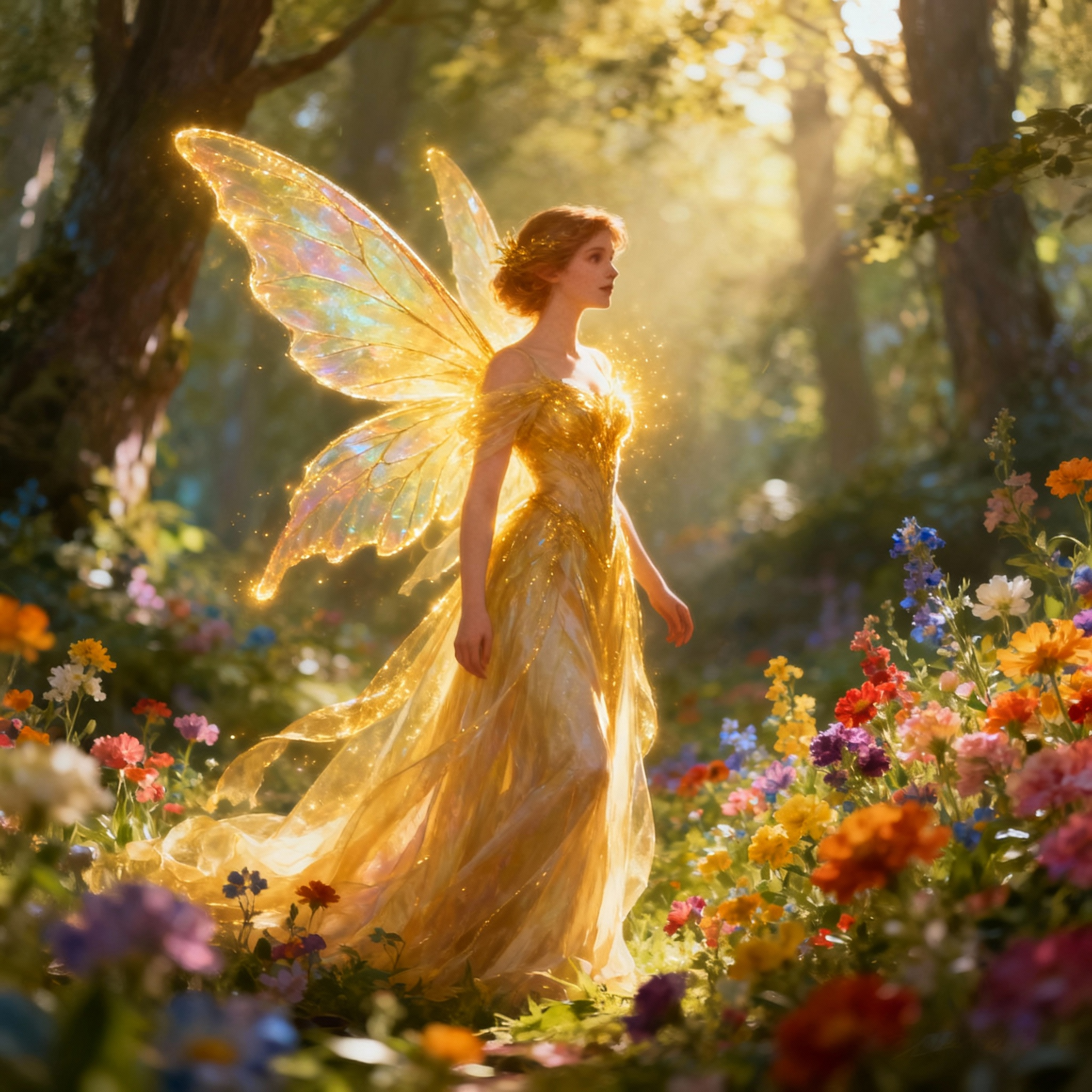
You've crafted the perfect campaign setting. Your enchanted forest glows with bioluminescent mushrooms, ancient oaks whisper forgotten secrets, and crystalline streams wind through moonlit glades. Then you realize—your ethereal guardian needs a name, and "Sparkle McFairywings" isn't going to cut it.
Naming fey creatures presents a unique challenge. These beings exist at the intersection of nature and magic, mischief and wisdom, chaos and order. A poorly chosen name can shatter immersion faster than a pixie stealing your dice mid-roll. But a name rooted in authentic mythology, carrying weight and meaning? That transforms a forgettable NPC into a character your players will remember years later.
This guide explores four distinct fairy name generators—for fairies, pixies, sprites, and nymphs—revealing how each serves different creative needs. Whether you're building a DnD 5e Feywild encounter, writing fantasy fiction, or developing characters for tabletop campaigns, you'll discover how etymology and cultural roots create names that resonate with genuine magical energy.
Understanding the Four Fey Types
Before generating names, you need to understand what separates these creatures. Many creators use "fairy," "pixie," "sprite," and "nymph" interchangeably, but conflating them undermines your worldbuilding. Each represents distinct mythological traditions with different narrative functions.
Fairies: The Broad Umbrella
Fairies encompass the widest category of winged magical beings from European folklore, particularly Celtic and British traditions. According to folklore expert Springwolf, "faerie is the most general name for the little beings: a good faerie is often referred to as a godmother (faerie godmother); but they may also cause misadventures for humans." These creatures range from benevolent wish-granters to dangerous tricksters who steal children or lead travelers astray.
Fairy names typically carry Old English, Gaelic, or Welsh roots. They feel ancient yet pronounceable, with flowing syllables that suggest both otherworldly grace and earthy connection. Names like "Elowen" (elm tree) or "Branwen" (blessed raven) exemplify this balance between natural imagery and mystical quality.
Pixies: Embodiments of Chaos
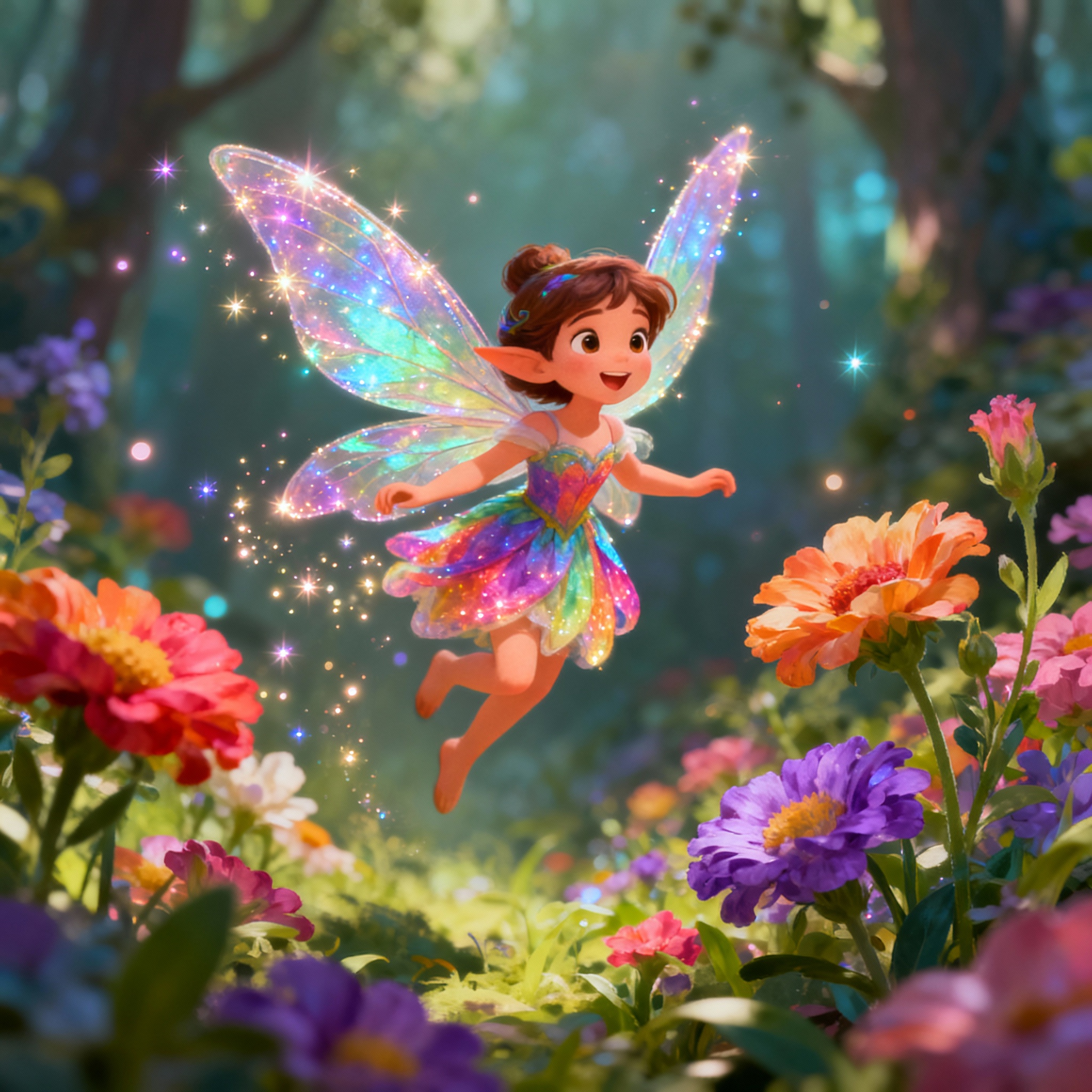
Pixies derive specifically from English West Country folklore. Springwolf describes them as "usually a young, mischievous or roguish faerie." These rainbow-winged troublemakers exist to cause whimsical havoc—stealing socks, leading travelers into bogs, replacing milk with dandelion wine. Their entire purpose revolves around playful chaos.
Pixie names should reflect that impish energy. They need bounce, rhythm, and that hint of barely-contained anarchy. A pixie named something melodic and flowing feels fundamentally wrong because pixies aren't melodic creatures. They're chaos with wings. Names like "Nixle," "Twig," or "Fizz" capture their essence far better than elaborate multi-syllable constructions.
Sprites: Elemental Manifestations
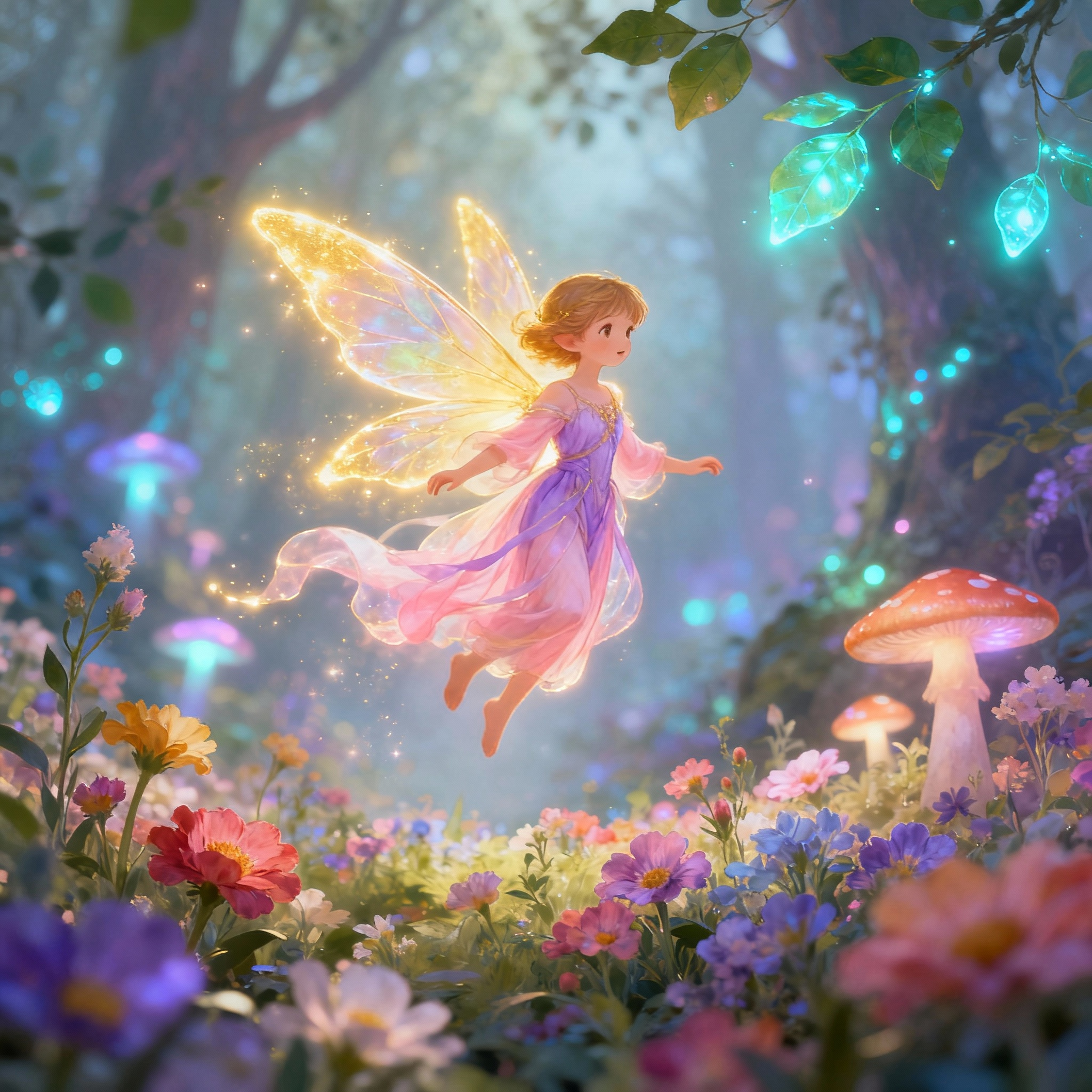
Sprites evolved from the Latin "spiritus" (spirit) and connect directly to elemental forces. Springwolf notes that "a Sprite refers to a faerie of pleasing appearance who is older than a fae and who is to be admired for ease and lightness of movement." These delicate nature spirits—glowing butterfly wings hovering over enchanted meadows, bioluminescent beings dancing among twilight mushrooms—exist as extensions of the wild places they inhabit.
Fire sprites, water sprites, forest guardians bound to individual trees—they're less individual personalities and more personified natural phenomena. Sprite names require a lighter touch than fairy names, balancing the ethereal with the elemental. They should feel like whispers of wind through leaves or ripples across still water.
Nymphs: Divine Nature Spirits
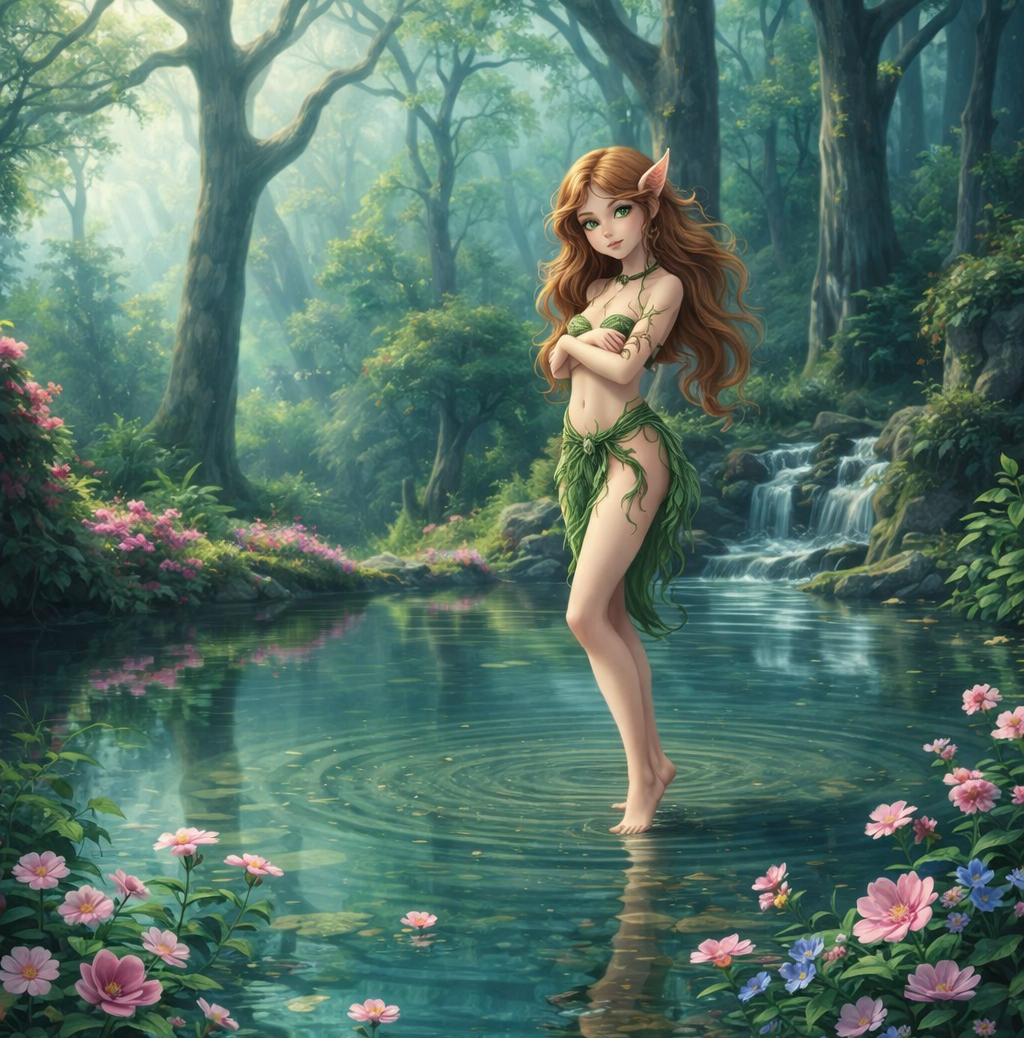
Nymphs stand apart entirely. They're not fairy folk in the traditional sense, but Greek divine beings—minor goddesses tied to specific locations. The Ancient Greek word νύμφη (númphē) originally meant "bride" or "young wife," but evolved to describe these female nature spirits found throughout mythology.
Different nymph types govern distinct domains: Naiads watch over springs and fresh water, Dryads bond with trees (particularly oaks), Oreads dwell in mountains, and Nereids rule ocean waters as daughters of the sea god Nereus. Their names carry Greek and Latin etymology because that's their cultural origin. Straying from those linguistic roots makes nymphs feel inauthentic—you wouldn't name a Greek nature spirit something Celtic any more than you'd give a Viking warrior a Japanese name.
The Power of Etymology in Fey Naming
Etymology transforms names from pleasant sounds into meaningful worldbuilding tools. When you understand the linguistic roots and cultural context behind a name, you create characters with depth before writing a single line of dialogue.
Celtic and Gaelic Foundations
Celtic languages provide rich material for fairy names. Welsh, Irish Gaelic, and Scottish Gaelic offer sounds that feel inherently magical to English speakers while maintaining pronounceability. The Celtic tradition of the Tuatha Dé Danann—supernatural beings who became the fairy folk of Irish legend—established naming conventions still used in modern fantasy.
Names like "Aisling" (dream, vision) or "Seren" (star) carry meanings that enhance character concepts. A fairy guardian of prophetic dreams becomes more memorable when her name literally means "vision." These connections between sound, meaning, and function create cohesive characters.
Greek Mythology's Lasting Impact
Greek mythology established the template for nymphs and continues to influence how we conceive nature spirits. Names like "Calypso" (she who conceals) or "Arethusa" (the waterer) aren't arbitrary—they describe the being's actual role and powers.
This functional naming extends throughout Greek divine hierarchies. When you name a water nymph "Brizo Callidora" (protectress of mariners, gift of beauty), you're not just selecting pleasant syllables. You're establishing her domain, her relationship with mortals, and her place in the supernatural order. Players or readers encountering that name immediately grasp her significance.
Latin Influences on Sprite Names
Latin's connection to natural phenomena makes it ideal for sprite naming. Words like "spiritus" (spirit, breath), "lumen" (light), or "silva" (forest) provide building blocks for names that feel both ancient and elemental.
Sprites named with Latin roots carry an almost scientific quality—appropriate for beings who personify specific natural forces rather than acting as individual personalities. "Lumina" for a light sprite or "Aquilo" for a north wind sprite grounds these ethereal beings in recognizable tradition while maintaining their otherworldly nature.
Step-by-Step: Using Advanced Generator Options
Most creators generate a batch of names, pick one that sounds nice, and move on. That approach wastes the sophisticated features built into quality fairy name generators. Here's how to leverage advanced options for superior results.
Gender and Linguistic Patterns
Gender preferences affect more than pronouns in fey naming. Masculine and feminine names in fairy tradition carry different sounds and connotations rooted in linguistic history. Feminine fairy names traditionally emphasize softer consonants and open vowel sounds—"Elowen," "Niamh," "Lirien"—while masculine options favor harder stops and closed syllables—"Finnian," "Rowan," "Gareth."
This isn't about enforcing gender stereotypes; it's about working within established mythological traditions. When you need a name that subverts expectations—a fierce warrior fairy with a traditionally feminine name, or a gentle healer with a masculine one—understanding these patterns helps you make intentional choices rather than accidental ones.
Name Length and Narrative Function
Short names suit recurring characters who'll be referenced constantly. Players won't tire of saying "Twig" or "Moss" dozens of times per session. Long, elaborate names work better for mysterious figures appearing once dramatically—ancient fey nobles encountered during climactic scenes, legendary beings whispered about but rarely seen.
Consider your narrative needs. A pixie guide accompanying the party for ten sessions benefits from a quick, memorable two-syllable name. The Archfey lord they negotiate with in session twenty deserves something grander, something players will practice pronouncing because they want to get it right when confronting him.
Syllable Control for Worldbuilding Consistency
Establishing naming patterns separates amateur worldbuilding from professional-quality work. Perhaps your Seelie Court fairies all have three-syllable names emphasizing liquid consonants, while Unseelie members favor single harsh syllables with hard stops. These patterns signal allegiance before characters speak a word.
Syllable controls enable that level of detail. Generate batches targeting specific counts, then select names that both sound appropriate and match your established conventions. This consistency creates immersive worlds where naming isn't random—it reflects culture, history, and social structure.
Letter Preferences for Thematic Connections
"Starts with" and "ends with" filters help when building families, courts, or connected characters. Writing a story where all water nymphs' names end in "-a" for thematic consistency? The generator accommodates that without forcing you to sift through hundreds of random results.
This proves especially valuable when establishing bloodlines or regional variations. Perhaps eastern forest sprites have names beginning with soft sounds (L, S, W) while western mountain sprites favor harder consonants (K, T, G). These subtle patterns enhance worldbuilding without requiring explicit exposition—attentive readers notice and appreciate the depth.
Practical Applications Across Creative Projects
Different creative projects demand different approaches to fey naming. What works for a lighthearted children's story fails utterly in a grimdark fantasy campaign. Understanding these contexts helps you generate appropriate names efficiently.
DnD 5e and Tabletop RPGs
The Feywild introduced in DnD 5e presents a realm of everlasting twilight where "an invitation to party with the eladrin can quickly turn deadly, and roads you travel on can easily change direction and lead you to a fomorian's den." Names in this setting need to convey that unpredictable danger alongside the whimsy.
For Archfey patrons, generate longer names with Greek or Celtic roots suggesting ancient power. "Rhiannon Silverthorne, Lady of the Autumn Court" immediately establishes gravitas. For random forest encounters, shorter pixie or sprite names work better—"Bramble," "Dew," "Glimmer"—allowing players to remember encounters without constantly consulting notes.
Dryad NPCs benefit from nymph generator results rooted in Greek mythology. Names like "Meliae" (ash tree nymphs) or "Daphne" (laurel tree) connect to their tree bonds while providing pronunciation guides through familiar mythology. Players who remember their high school literature appreciate these references, and those who don't simply enjoy the melodic sounds.
Fantasy Fiction and Novels
Novel writing allows more elaborate naming since readers can reference previous chapters. You're not constrained by players' ability to remember and pronounce names mid-session. This freedom enables using the full etymological richness that fairy name generators provide.
Consider character arc when selecting names. A pixie trickster who becomes a serious guardian by novel's end might be introduced as "Fizz" but revealed to have a formal name—"Fizzarius Moonwhisper, Third Guardian of the Western Glade"—used only in solemn moments. This evolution mirrors character growth through naming conventions alone.
Names with meanings that foreshadow plot developments reward attentive readers. A nymph whose name means "she who conceals" takes on new significance when revealed as the hidden queen. These layers of meaning distinguish good fantasy from great fantasy.
Video Games and Visual Media
Visual media benefits from names that look distinctive in text while remaining pronounceable by voice actors. Generate options avoiding excessive apostrophes or consonant clusters that create pronunciation confusion. "Elowen" works better than "Ell'wyn" or "Llywenna" when voice actors must read names cold during recording sessions.
Shorter names suit games with extensive voice acting—every syllable costs money to record and implement. Longer, more elaborate names work well for silent games or visual novels where players read rather than hear names. Match your naming choices to your medium's constraints.
Five Enchanting Names and Their Hidden Meanings
Generated names become truly powerful when you understand their etymological foundations. Here are five examples demonstrating how meaning enhances character concepts:
Elowen Brighthollow (Female Fairy)
- Etymology: "Elowen" derives from Cornish "elowenna" (elm tree); "Brighthollow" suggests a luminous, protected grove
- Character Concept: Guardian of a sacred elm grove where fairy rings glow at midnight, protecting travelers who respect the forest
- Perfect For: DnD 5e druid circle encounter, fantasy novel mentor figure, guardian NPC in woodland campaigns
Thorn Quicksilver (Male Pixie)
- Etymology: "Thorn" references protective plant defenses; "Quicksilver" (mercury's old name) suggests fluid, unpredictable movement
- Character Concept: Mischievous pixie who leads travelers astray but ultimately protects the forest from those who'd harm it
- Perfect For: Recurring comic relief character, morally gray trickster, agent of chaos with hidden depth
Lumina Whisperwind (Female Sprite)
- Etymology: Latin "lumen" (light) combined with ethereal movement imagery
- Character Concept: Bioluminescent sprite who appears only at twilight, guiding lost children home through dangerous forests
- Perfect For: Mysterious helper figure, elemental companion character, beacon of hope in dark fantasy settings
Daphne Callidora (Female Nymph)
- Etymology: Greek "Daphne" (laurel tree, daughter of the river god Peneus); "Callidora" means "gift of beauty."
- Character Concept: Dryad bound to an ancient laurel tree, blessed with supernatural beauty that attracts—and sometimes traps—mortal admirers
- Perfect For: Greek mythology-inspired campaigns, romantic subplot NPC, guardian of sacred groves
Bramble Nightwhisper (Male Fairy)
- Etymology: "Bramble" (thorny wild plant); "Nightwhisper" suggests secrets shared under the cover of darkness
- Character Concept: Member of the Unseelie Court who trades in secrets and forbidden knowledge, dangerous but not inherently evil
- Perfect For: Information broker NPC, morally complex antagonist, fairy noir detective stories
Each name demonstrates how etymology creates character depth. "Elowen Brighthollow" immediately suggests a benevolent nature, while "Bramble Nightwhisper" implies danger and hidden motives. These connotations work regardless of whether your audience consciously recognizes the linguistic roots.
Bringing Your Fey Characters to Life
Names provide foundations, but truly memorable fey characters require integration with behavior, appearance, and role in your narrative. A perfectly chosen name means nothing if the character's actions contradict the expectations that name creates.
Pixies with bouncy, chaotic names should behave accordingly—stealing objects mid-conversation, laughing at inappropriate moments, and treating serious situations as games. A pixie named "Twig Sparkledust" who speaks in formal paragraphs and never smiles, wastes the name's potential.
Conversely, nymphs with Greek-rooted names suggesting divine authority need bearing to match. "Daphne Callidora" should move with grace, speak with wisdom earned across centuries, and command respect from mortals and fey alike. Her name promises significance; her characterization must deliver.
Sprites exist as extensions of their elements. "Lumina Whisperwind" should appear and disappear like light through leaves, speak in half-finished sentences like wind through branches, and never quite feel entirely present in conversations. Her name suggests ephemeral beauty; her characterization should embody it.
Your Gateway to Authentic Fey Naming
The difference between forgettable fey characters and those players remember years later often comes down to names. Not just pleasant sounds, but titles carrying etymological weight, cultural authenticity, and narrative purpose. Names that enhance worldbuilding rather than disrupting it.
These fairy name generators—for fairies, pixies, sprites, and nymphs—provide tools for creating such names. Each generates results with meanings and etymologies drawn from appropriate mythological traditions. Advanced options enable establishing consistent naming patterns across your creative projects, whether you're running DnD 5e campaigns, writing fantasy novels, or developing games.
The generators are free, unlimited, and available now. Generate batches until you find names that resonate with your creative vision. Use the provided meanings to deepen your understanding of each character. Build worlds where names matter, where etymology enhances rather than obscures, where every fairy, pixie, sprite, and nymph carries a title worthy of their magical nature.
Your enchanted forest awaits its properly named inhabitants.