Wood Elf Name Generator
Guard the forest with our wood elf name generator! Discover nature-themed ranger names perfect for DnD 5e, Pathfinder, or Tolkien-style wilderness campaigns.
Gender Preference
Generating magical names...
Create Authentic Forest Guardian Names
Wood elves stand apart in fantasy lore—not merely as forest dwellers, but as beings whose very essence intertwines with ancient groves and whispering canopies. Their names carry weight beyond simple identification. Each syllable echoes with the rustle of leaves, the patient growth of oak, and the fierce protection of sacred lands.
Whether you're building a ranger for your next D&D 5e campaign, crafting a Bosmer in Skyrim, or developing characters for Pathfinder, the right name transforms a character sheet entry into a living, breathing guardian of the wilderness. This guide explores the art and mechanics behind authentic wood elf naming conventions, drawing from D&D lore, Elder Scrolls traditions, and Tolkien's legendarium to help you craft names that resonate with natural power.
Understanding Wood Elf Lore Across Fantasy Worlds
Wood elves occupy a unique space in fantasy cultures. Unlike their high elf cousins, who pursue arcane mastery in marble towers, wood elves forge their identities in the heart of primeval forests.
D&D 5e Wood Elves
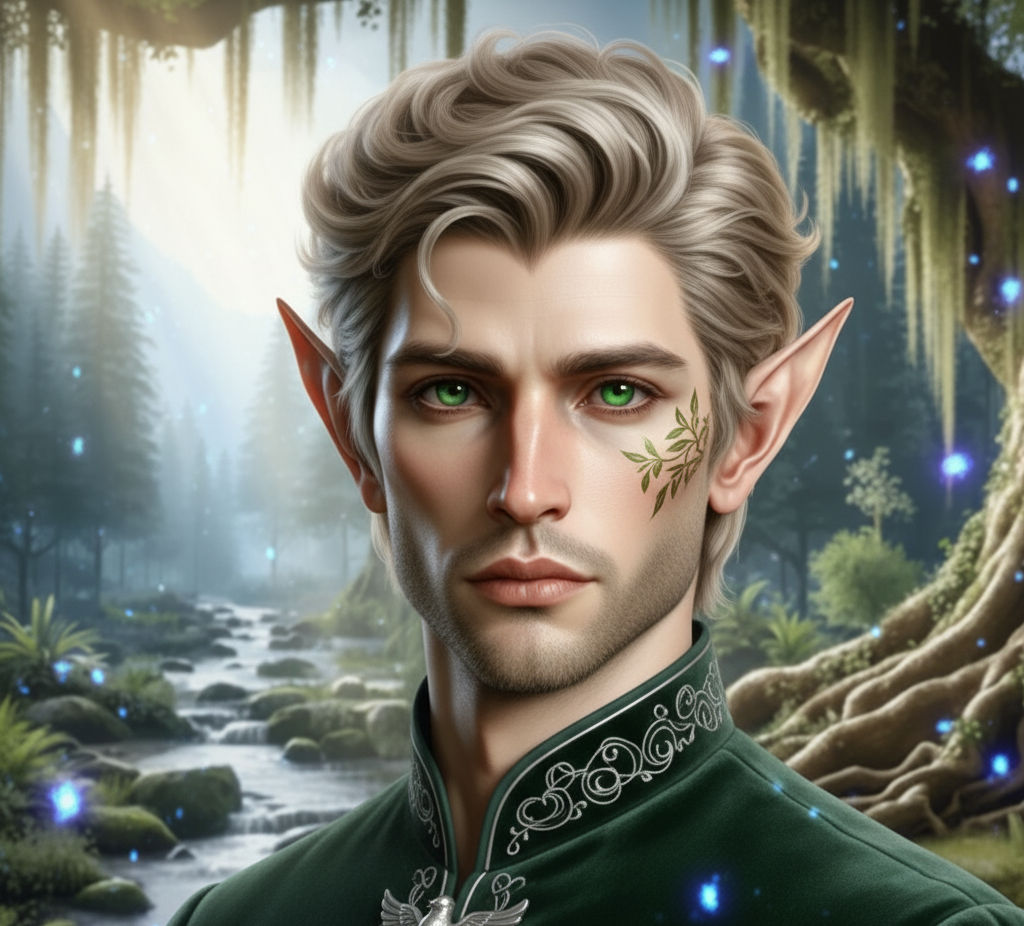
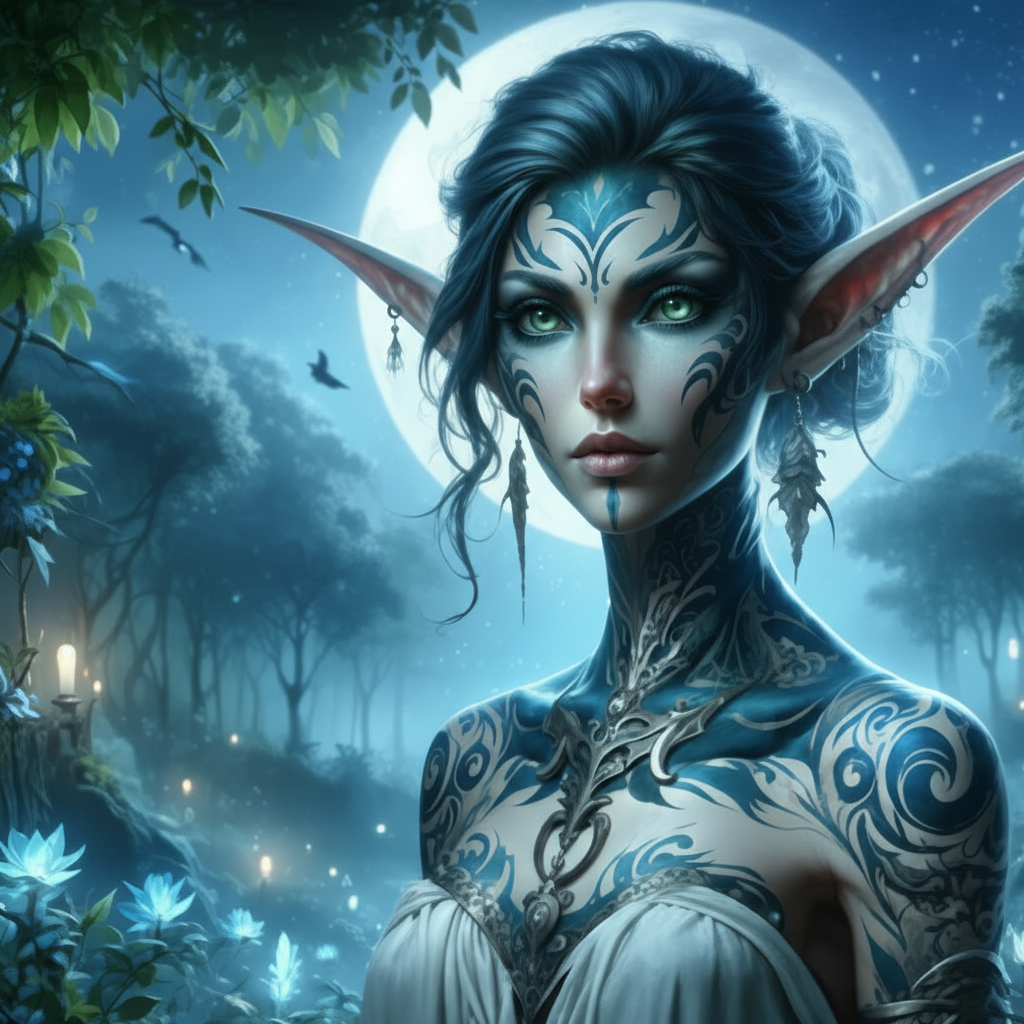
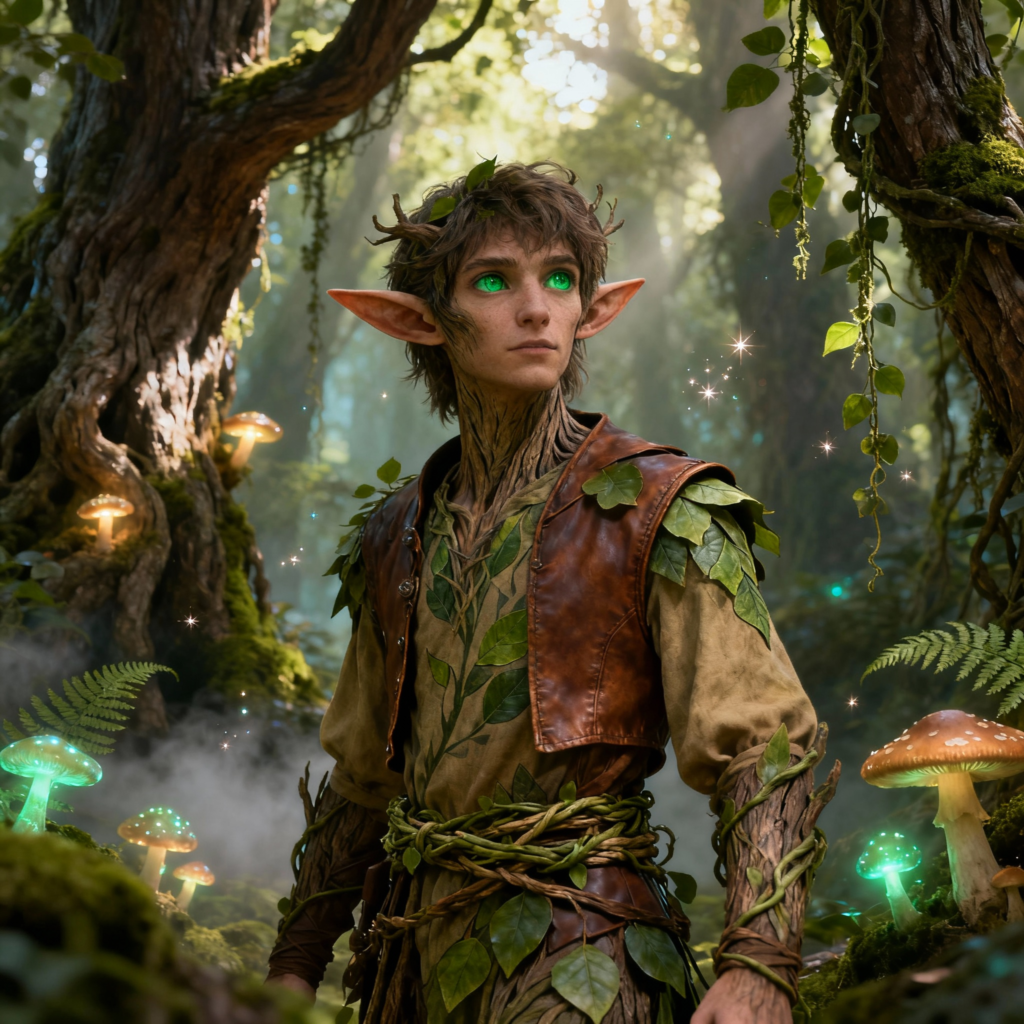
In Dungeons & Dragons, wood elves—also called wild elves, green elves, or forest elves—are reclusive and naturally distrustful of outsiders. Their copper-hued skin often bears traces of green, while their hair ranges from browns and blacks to occasional blond or copper tones. Eyes of green, brown, or hazel reflect the forest canopy they call home.
These fleet-footed scouts move through their native woodlands with supernatural grace, their keen senses and intuition making them formidable hunters and trackers. The D&D tradition emphasizes their "Mask of the Wild" ability—the capacity to blend seamlessly into foliage, mist, and natural phenomena, becoming nearly impossible to detect.
Skyrim's Bosmer
The Elder Scrolls universe presents wood elves as the Bosmer of Valenwood—literal "Forest People" in their tongue. According to UESP lore, Bosmer rarely use family names, instead identifying themselves through nicknames and bynames passed down by clans or bestowed by respected elders, seasoned warriors, and gifted storytellers.
Bosmer names frequently reference trees, animals, and natural phenomena. Characters like Faendal embody this connection to the forest, their very names serving as declarations of their bond with the natural world.
Tolkien's Sylvan Elves
Tolkien's wood elves, particularly the Silvan Elves of Mirkwood, represent the oldest and most rustic of elvenkind. Though Tolkien's naming conventions are more complex—involving father-names (essë), mother-names (amilessë), chosen names (kilmessë), and honorary titles (epessë)—the core principle remains: names reflect identity, lineage, and connection to the natural world.
The Mechanics of Wood Elf Names
Creating an authentic wood elf name requires understanding the underlying patterns that make these names feel both fantastical and grounded.
Phonetic Foundations
Wood elf names favor soft consonants and flowing vowels that mirror the sounds of nature. The prevalence of letters like 'l', 'n', 'r', 'th, and 'v' creates melodic quality, while harsh consonants appear sparingly and deliberately.
Common phonetic elements include:
- Soft consonant clusters: -th-, -dh-, -br-, -dr-
- Flowing vowel combinations: -ae-, -ei-, -ië-, -ua-
- Nature-inspired sounds that evoke rustling leaves or flowing water
First Name Construction
According to D&D 5e tradition, wood elf first names typically consist of two to three syllables with a musical quality. The names maintain gender flexibility, though certain patterns emerge.
Male names from the Player's Handbook include: Adran, Aelar, Carric, Enialis, Erdan, Galinndan, Ivellios, Peren, Quarion, Soveliss, Thamior, Varis
Female names include: Adrie, Althaea, Anastrianna, Caelynn, Felosial, Ielenia, Keyleth, Leshanna, Meriele, Naivara, Sariel, Vadania
These names share common prefixes and suffixes that create family resemblances without strict gender divisions.
Last Names and Nature Connections
Wood elf surnames function as living records of lineage and environmental connection. D&D family names combine Elvish words to create evocative translations:
- Amakiir (Gemflower)
- Galanodel (Moonwhisper)
- Liadon (Silverfrond)
- Meliamne (Oakenheel)
- Naïlo (Nightbreeze)
- Siannodel (Moonbrook)
In Elder Scrolls lore, Bosmer surnames from early games followed a distinct pattern. Arena and Daggerfall used combinations of twelve nature-based prefixes (Blue, Fern, Forest, Ivy, Moss, Night, Oak, Pine, River, Shady, Spring, Willow) with twelve environmental suffixes (brook, dale, hollow, lake, pool, run, shade, sky, thorn, vale, wind, wood).
This creates surnames like Oakwood, Nightbreeze, Willowbrook, or Ferndale—each immediately evoking a specific aspect of the natural world.
Titles and Honorifics
Many wood elves bear additional titles that reflect their roles within their communities. These aren't part of their birth names but represent earned recognition:
- Guardian of the Grove
- Keeper of the Ancient Wood
- Champion of the Forest
- Defender of the Wilds
- Last Queen of the Wood Elves
These titles add depth to character backstories, suggesting histories of service and accomplishment.
Using a Wood Elf Name Generator
A quality name generator serves as more than a random word combiner—it functions as a creative partner that understands the underlying patterns of wood elf nomenclature.
How Generators Work
The best generators draw from established lore sources, combining phonetic patterns, nature-inspired elements, and cultural conventions to produce authentic-feeling names. They typically:
- Assemble first names using traditional syllable combinations from D&D, Elder Scrolls, and Tolkien sources
- Create surnames by pairing nature-based prefixes with environmental suffixes
- Balance phonetics to ensure names sound musical and forest-themed
- Maintain cultural consistency across different fantasy settings
Customization Options
Advanced generators offer control over:
- Gender preference (male, female, or neutral options)
- Name length (short, medium, or long)
- Syllable count (typically 1-4+ syllables)
- Starting or ending letters for specific phonetic preferences
Generating Your Perfect Name
When using a generator, consider generating multiple options. Not every name will resonate with your character concept. Look for names that:
- Sounds natural when spoken aloud
- Reflect your character's personality through their phonetic quality
- Connect to their backstory through surname meanings
- Feel distinctive without being overly complex
For example, a wood elf ranger focused on archery might suit a name like Thalin Swiftarrow or Meriele Keenshot, while a druid protecting ancient groves might better fit Galinndan Oakguard or Caelynn Rootwhisper.
Roleplaying Your Wood Elf Character
A great name establishes a foundation, but bringing your wood elf to life requires understanding their relationship with nature and their role within the forest community.
Integrating Names Into Backstory
Your character's name can inform their history:
- Family name meanings might reflect ancestral lands (Silverfrond suggests a family from silver birch groves)
- First names could honor respected ancestors or predict destiny (as with Tolkien's mother-names)
- Earned titles represent pivotal moments in their journey
Consider how your wood elf received their name. Was it given by parents at birth, bestowed by clan elders after a rite of passage, or earned through acts of valor defending the forest?
Nature-Themed Character Traits
Wood elves embody specific qualities that should influence your roleplay:
Physical traits:
- Exceptional archery skills and heightened senses
- Natural camouflage abilities in forest environments
- Swift, silent movement through woodland terrain
- Copper or green-tinted skin reflecting forest coloration
Personality traits:
- Deep reverence for nature and its cycles
- Suspicion of outsiders who might threaten the forest
- Strong loyalty to clan and woodland protectors
- Preference for solitude or small groups over cities
Motivations:
- Protecting sacred groves from deforestation or corruption
- Maintaining balance between civilization and wilderness
- Honoring ancestral duties to guard specific territories
- Studying ancient Druidic knowledge passed through generations
Campaign Integration
In D&D 5e and Pathfinder campaigns, consider how your wood elf's background influences their adventuring choices:
- Why leave the forest? Wood elves rarely abandon their homelands without compelling reasons
- What threats justify intervention? Perhaps dark forces threaten to corrupt the woodlands
- How do they view cities? Urban environments might cause discomfort or culture shock
- What's their relationship with other races? Trust develops slowly but can run deep
Famous Wood Elf Characters for Inspiration
While "Tyra Nightingale, Last Queen of the Wood Elves" and "Skifra Stormheart, King of the Forest" are creative generator examples rather than canonical figures, they illustrate the power of evocative naming combined with meaningful titles.
From established lore:
- Faendal (Skyrim): A Bosmer archer whose name demonstrates the simple, nature-connected naming of Elder Scrolls wood elves
- Legolas (Tolkien): Though technically a Silvan Elf prince, his name (meaning "Greenleaf" in Sindarin) exemplifies nature-inspired nomenclature
- Wood Elf Rangers (D&D): Countless campaign characters have established the archetype of the forest guardian with names like Meriele, Galinndan, and Thalin
These examples share common elements: connection to nature through name meaning, titles that reflect their roles, and phonetic patterns that sound distinctly elvish while maintaining an earthy quality.
Frequently Asked Questions
What makes wood elf names different from high elf names?
Wood elf names emphasize natural, earthy elements over the arcane or celestial themes common in high elf nomenclature. Where high elves might favor names referencing stars, moon, or magical concepts, wood elves draw from trees, animals, weather, and forest features. Phonetically, wood elf names tend toward slightly rougher, more organic sounds compared to the ethereal quality of high elf names.
Can I use a Wood Elf name from D&D in a Skyrim campaign?
Absolutely. While D&D Wood Elves and Skyrim's Bosmer have different cultural specifics, their naming conventions share enough common ground that names translate well between settings. You might adjust surnames to better fit Elder Scrolls' simpler structure (Bosmer rarely use family names), but first names work seamlessly across most fantasy settings.
How do I create a wood elf family name that sounds authentic?
Combine a nature-based prefix (like Oak, Willow, Night, Shadow, Moon, Silver, Green) with an environmental suffix (such as -wood, -leaf, -brook, -whisper, -shade, -frond, -song). The result should evoke a specific natural image. Test it by saying it aloud—authentic surnames flow smoothly and create vivid mental imagery.
Should my wood elf character use their full name or just their first name?
This depends on context and setting. Among their own people, wood elves might use first names exclusively, with family names reserved for formal occasions or when identifying lineage. When dealing with outsiders, they might introduce themselves with their full name to establish credibility. In Elder Scrolls lore, many Bosmer use only a single name with occasional bynames or titles.
What if I want a more unique or unconventional wood elf name?
While generators provide authentic baseline names, personalization is encouraged. You might blend traditional elements in new ways, create compound surnames that reference specific character experiences (like "Stormwatcher" for a ranger who survived a terrible tempest), or adapt names to reflect mixed heritage if your character has non-wood-elf ancestry. The key is maintaining the melodic, nature-connected quality that defines wood elf nomenclature.
Are there naming differences between male and female wood elves?
Traditional D&D lists show some gender patterns, but the Player's Handbook notes that "little distinction exists between male names and female names; the groupings here reflect only general tendencies." Names like Adran/Adrie or Thamior/Thia show how slight variations create gender distinction without rigid rules. In practice, many wood elf names work for any gender, giving you creative flexibility.
Embracing Your Role as Forest Guardian
The perfect wood elf name does more than identify your character—it connects them to millennia of forest lore, ancestral duty, and the living world they're sworn to protect. Whether you've generated a name like Thalin Oakshade for a D&D ranger, adopted Faendal's straightforward Bosmer style for Skyrim, or crafted something entirely your own, remember that the name represents a bond deeper than words.
Wood elves understand what many forget: we don't own the forest. We're temporary guardians of something far older and more enduring than ourselves. Your character's name carries that responsibility—a reminder that some things matter more than individual ambition or glory.
Step into the groove with confidence. Your wood elf name is ready, and the ancient trees are watching.