
Elf Name Generators
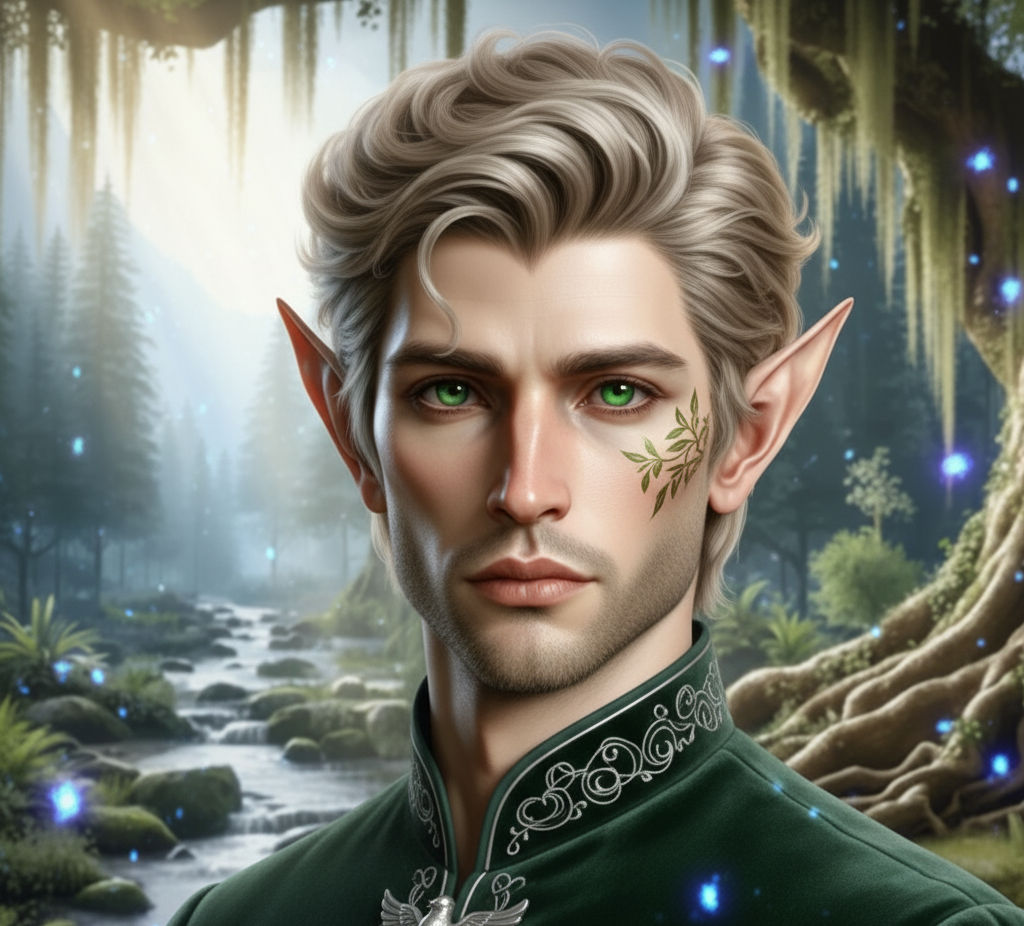
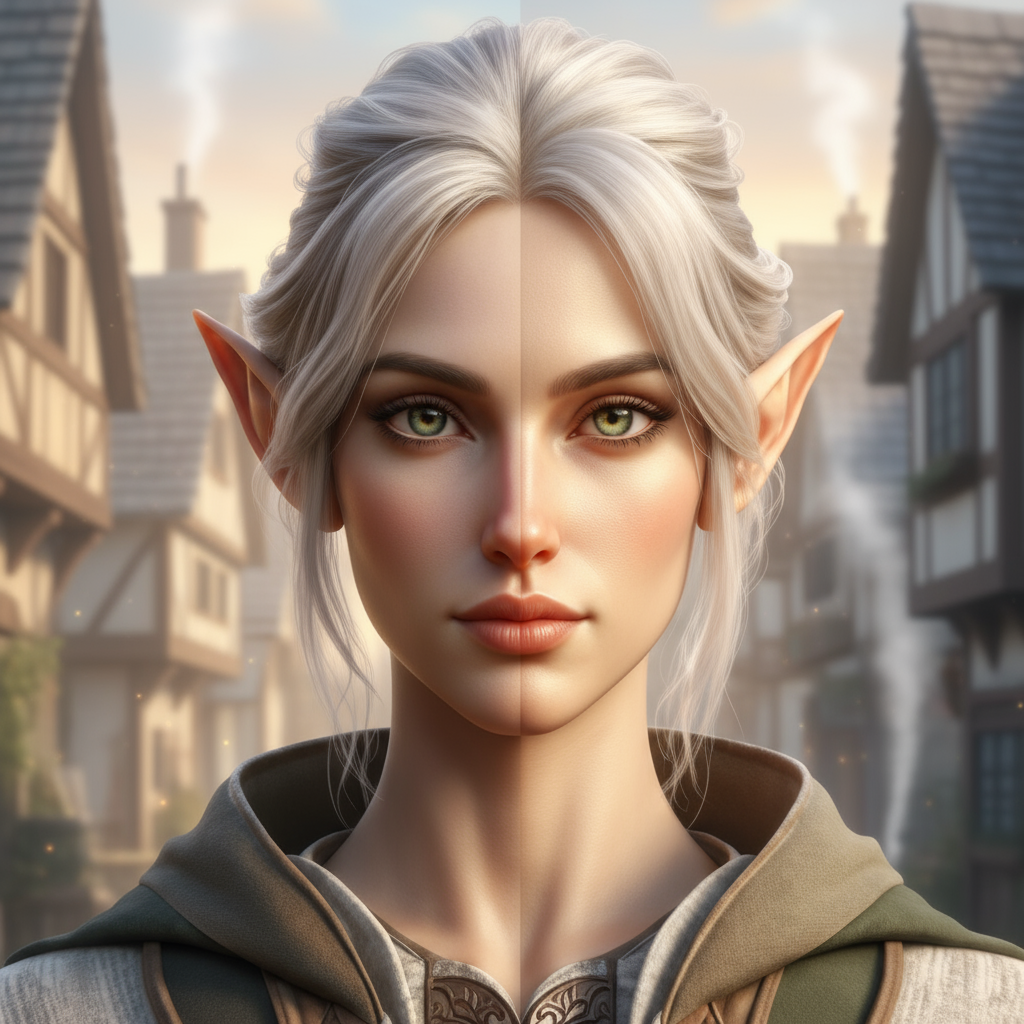
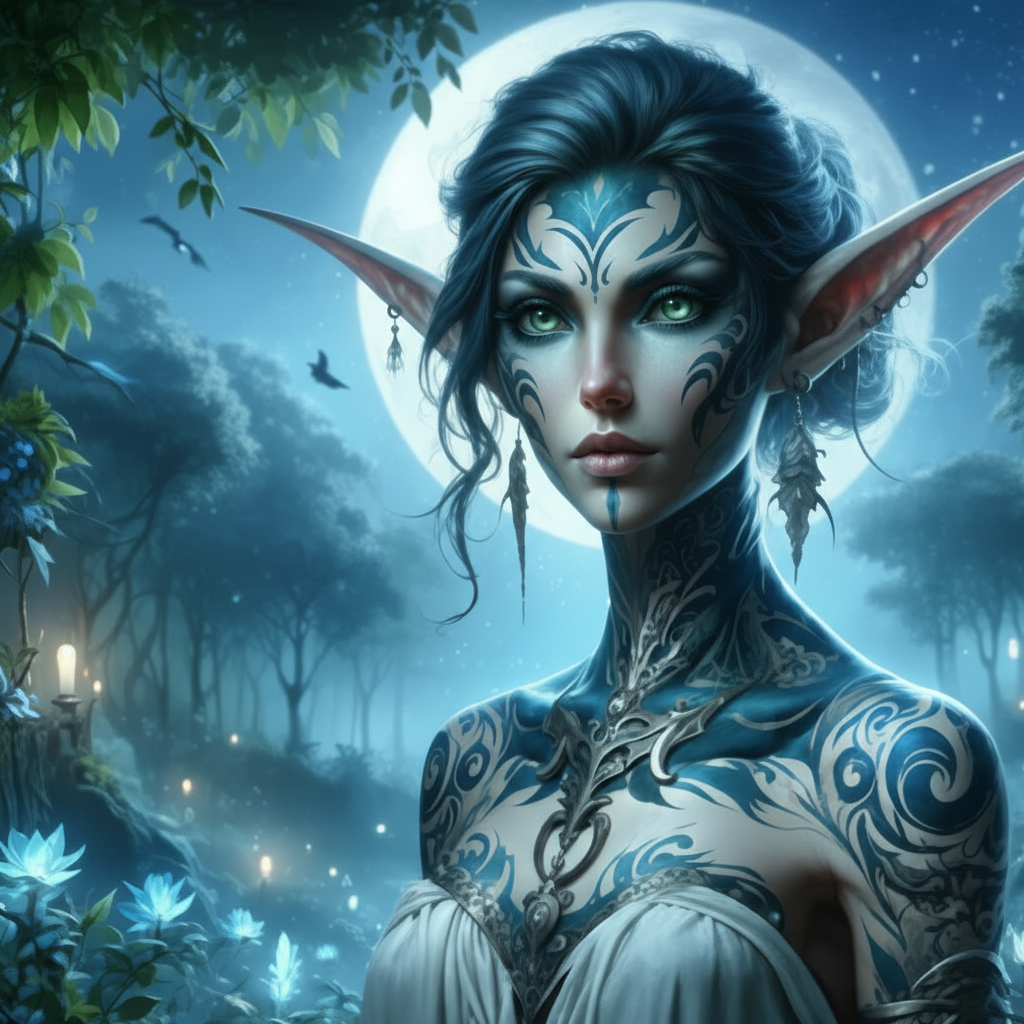
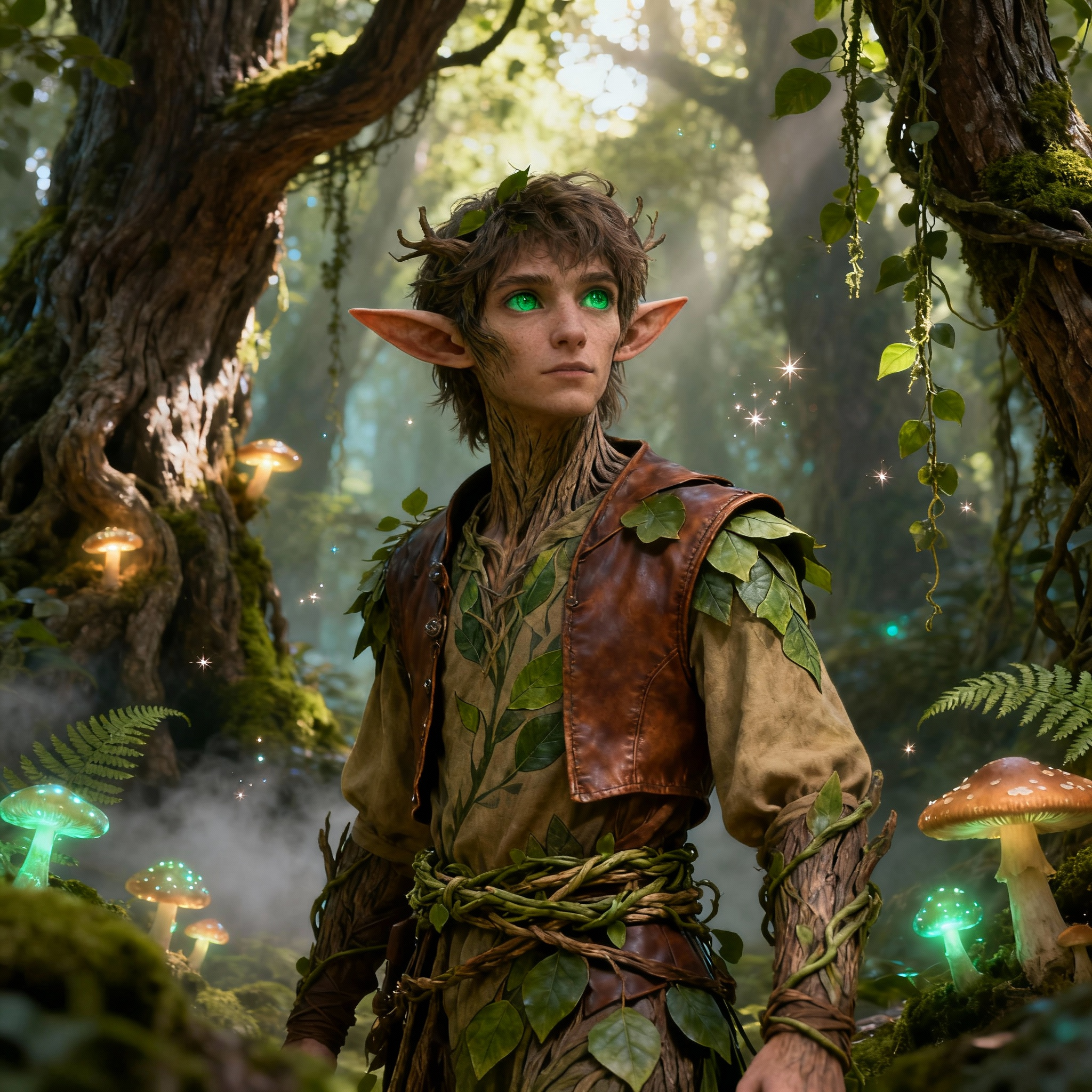
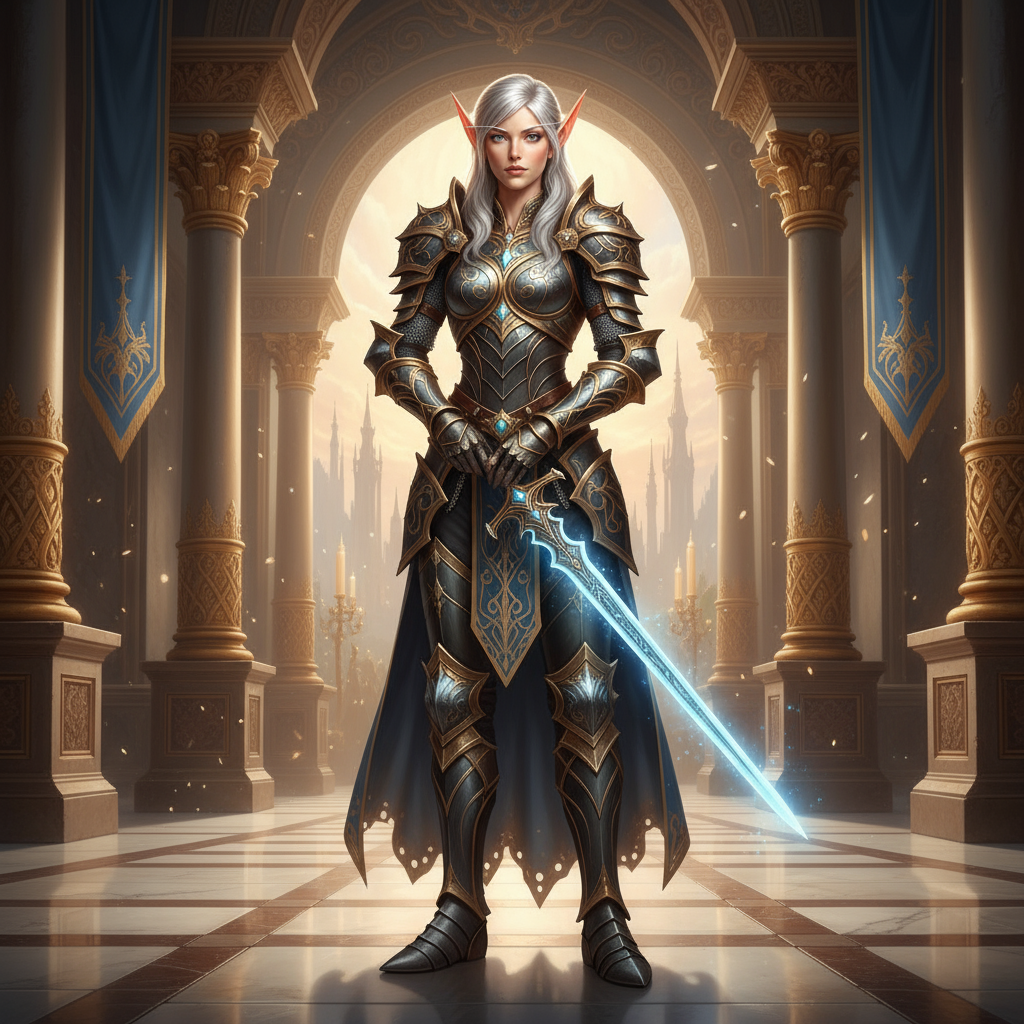
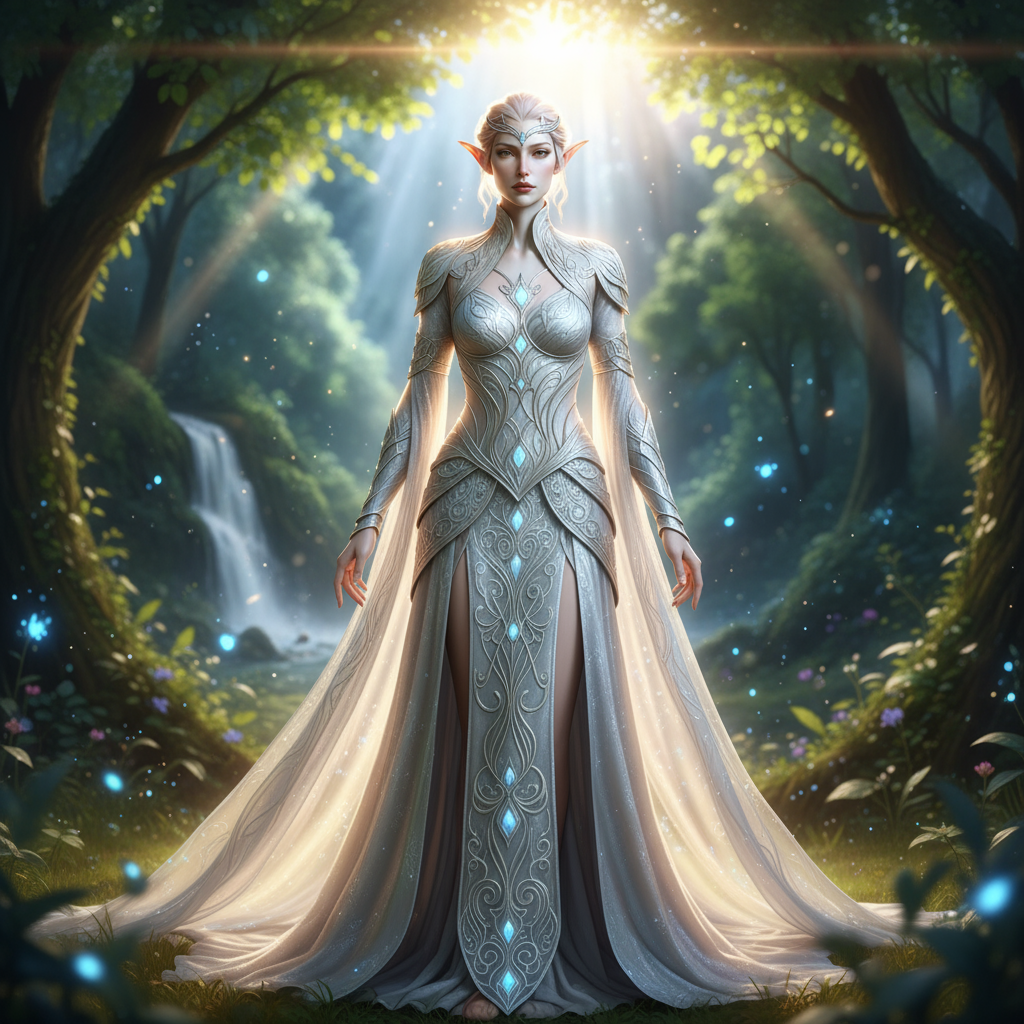
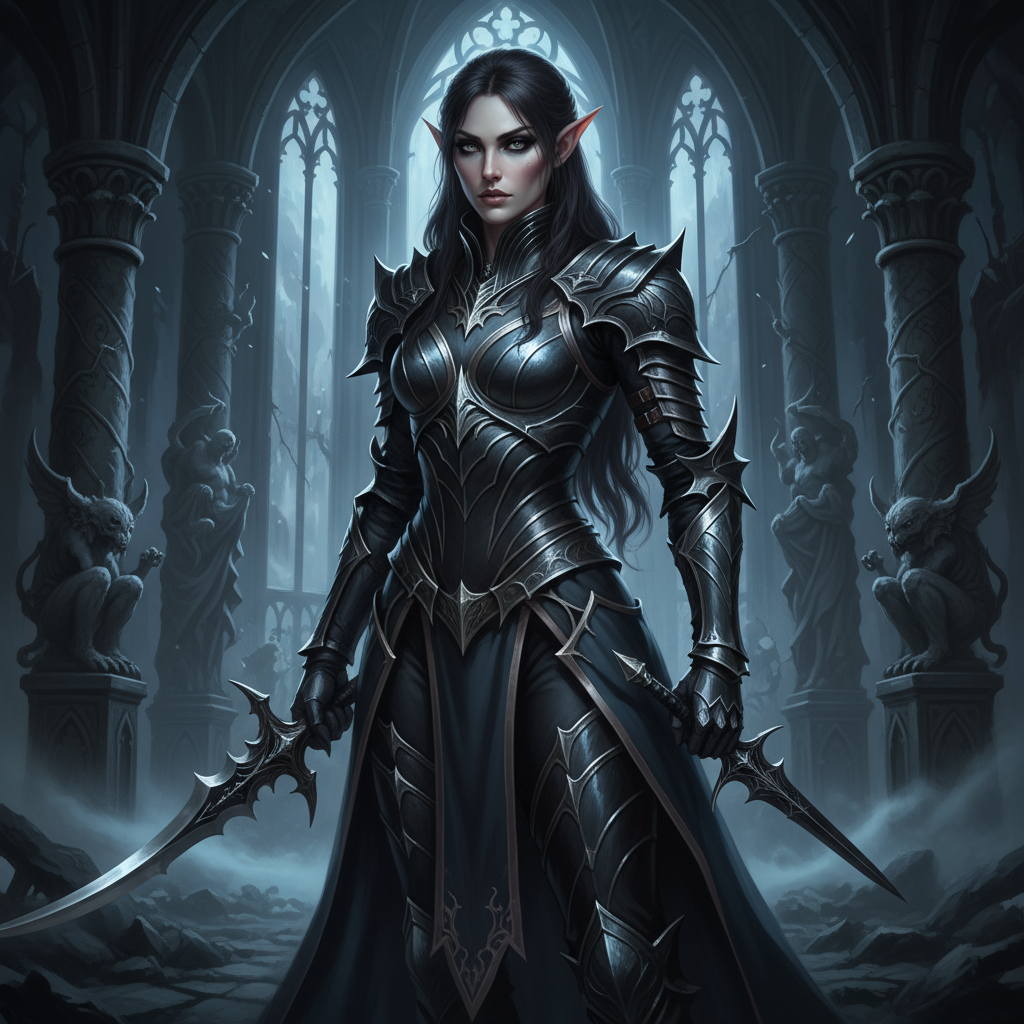
Create Authentic Fantasy Names
Choosing the right name for your elf character transforms them from a collection of stats into a living, breathing inhabitant of your fantasy world. Whether you're rolling up a High Elf wizard for your next D&D campaign, crafting a Drow assassin for a Forgotten Realms adventure, or creating a Wood Elf ranger for Pathfinder, the perfect name carries weight and meaning that generic options simply can't match.
The art of elven naming stretches back to Tolkien's Middle-earth, where every name told a story. Galadriel means "maiden crowned with radiant garland" in Sindarin, while Legolas translates to "green leaf." These aren't random syllables strung together—they're genuine linguistic constructions that reflect character, heritage, and destiny. Our collection of elf name generators honors this rich tradition, drawing from Tolkien's Sindarin and Quenya, Warcraft's Kaldorei and Sin'dorei cultures, and the extensive lore of Dungeons & Dragons to help you discover names worthy of immortal beings.
This guide walks you through everything you need to know about elven naming conventions across fantasy universes, from the starlit towers of High Elves to the shadowy depths where Drow scheme. You'll learn how to choose names that feel authentically elvish, understand the linguistic building blocks that make these names work, and discover which generator best suits your character concept.
Understanding Elven Linguistics
Before diving into specific generators, understanding the linguistic foundation of elven names helps you recognize quality options and avoid jarring mistakes.
Tolkien's Lasting Influence
J.R.R. Tolkien didn't just create fantasy elves—he built complete languages for them. His two primary elvish tongues, Sindarin and Quenya, follow genuine grammatical rules and draw inspiration from real-world languages. Sindarin pulls heavily from Welsh phonology, featuring soft consonants and flowing vowel combinations. Quenya takes cues from Finnish, creating longer, more formal constructions suitable for ancient texts and noble lineages.
This linguistic rigor explains why names like Celeborn, Elrond, and Arwen feel right in ways that "Xyloth" or "Kragthar" never could for elves. The patterns Tolkien established—melodic sounds, meaningful components, compound constructions—became the template that nearly every fantasy setting follows.
When Sindarin breaks down a name like Celeborn, it reveals "celeb" (silver) plus "orn" (tree), creating "silver tree." This isn't accidental poetry—it's intentional construction. Understanding this helps you evaluate generated names and recognize authentic-feeling options versus random syllable combinations.
Phonetic Patterns That Signal "Elf"
Certain sound patterns immediately telegraph "elvish" to anyone familiar with fantasy. Soft consonants dominate: L, R, TH, and F appear frequently, while harsh sounds like K, G (hard), and X remain rare outside Dark Elf naming conventions. Vowels flow abundantly, often appearing in clusters (ae, ea, ia, ei) that create that characteristic melodic quality.
Syllable structure matters too. Elvish names typically avoid abrupt endings, preferring to close with vowels or soft consonants. Compare "Aelindra" (flows naturally) with "Aelindrak" (feels jarring). The first sounds like an elf; the second suggests something rougher—an orc or dwarf perhaps.
These patterns aren't arbitrary aesthetic choices. They reflect the idea that elves are graceful, long-lived beings deeply connected to nature and magic. Harsh, guttural names would contradict their essential character. When you're evaluating generated names or creating your own, keeping these phonetic principles in mind ensures your elf sounds authentically elvish.
Classic Elf Name Generator
Our gateway generator produces traditional elvish names suitable for any fantasy setting. These work beautifully when you need something universally elven without committing to a specific subrace or cultural tradition.
When to Use This Generator
The classic elf name generator serves as your starting point when you're building an elf character whose specific subrace hasn't been determined, working in a homebrew setting without established naming conventions, or simply want reliable, melodic options that won't clash with existing lore. These names draw from core Tolkien patterns and D&D's traditional elf naming lists, making them safe choices that fit nearly anywhere.
If you're playing in a campaign where the DM hasn't specified whether elves follow Forgotten Realms conventions, Elder Scrolls traditions, or something entirely original, this generator provides names that won't feel out of place regardless of which direction the world-building takes. The versatility makes these names ideal for NPCs too—when you need to populate an elven village quickly, you can generate a dozen names here knowing they'll all feel appropriately elvish.
Naming Patterns and Examples
Classic elf names typically follow a two-part structure: a given name and a family name or descriptive surname. Given names emphasize flowing vowels and soft consonants, creating options like Aelindra, Thalion, Celebrindal, or Elowen. These work for both male and female elves, though certain endings tend toward specific genders—names ending in -iel, -wen, or -riel typically indicate female elves, while -ion, -or, and -dir suggest male characters.
Surnames often describe natural features, ancestral deeds, or family roles. Moonwhisper, Starweaver, Silverbrook, and Oakenshield follow recognizable patterns that immediately communicate elvish heritage. These compound surnames aren't just decoration—they hint at family history and social standing within elven communities.
The beauty of classic elvish names lies in their timeless quality. A name generated here today would have worked equally well in a campaign from 1985 or 2025, because it adheres to fundamental patterns established over decades of fantasy storytelling.
High Elf Names: Nobility and Ancient Magic
When you need names dripping with ancient wisdom, arcane mastery, and aristocratic pride, High Elf naming conventions deliver exactly that sense of immortal superiority.
The Sin'dorei and Quel'dorei Legacy
In World of Warcraft lore, the Sin'dorei (Blood Elves) and their Quel'dorei (High Elf) predecessors speak Thalassian, a language derived from the ancient Darnassian tongue. Their names reflect millennia of magical civilization and carry meanings tied to light, the sun, and arcane power. Male names include Mariel, Athaniar, and Tharama, while female options feature Anarial, Melanion, and Azshara.
Thalassian phrases reveal the cultural values embedded in these names. "Belore" means "the sun," "Quel'dorei" translates to "children of noble birth," and "Anar'alah belore" means "by the light of the sun." These linguistic roots show up repeatedly in High Elf naming, creating a cohesive cultural identity through language.
Family names among Sin'dorei emphasize their solar connection: Dawnblade, Lightbringer, Morningray, and Suntreader all reference daylight and radiance. This isn't coincidental—these elves literally worship the sun and draw magical power from it, so their names naturally reflect that central cultural focus.
Tolkien's Quenya Influence
For settings drawing more heavily from Tolkien, Quenya provides the formal, ancient language of High Elves. Quenya names run longer and more complex than their Sindarin cousins, befitting a language used primarily for lore, poetry, and ceremony. The phonology emphasizes pure vowels and flowing consonants, creating names that sound musical even when you don't know their meaning.
High Elf naming in D&D and similar systems often pulls from this Quenya tradition, producing names like Anarion (meaning "son of the sun"), Eärwen (meaning "sea-maiden"), or Finwë (one of the first Elven kings in Tolkien's legendarium). These names carry gravitas—they sound like they've been spoken in crystal towers for ten thousand years.
When building a High Elf wizard, scholar, or member of elven nobility, these longer, more formal names communicate their cultural background instantly. Players and DMs alike recognize the pattern, understanding that this character comes from a tradition of learning and refinement.
Wood Elf Names: Guardians of the Wild
Wood Elves represent the untamed heart of elven civilization—those who chose forest canopy over marble halls, embracing a life among ancient trees and wild creatures.
Nature-Inspired Naming Conventions
Wood Elf names emphasize their deep connection to the natural world. Unlike the celestial imagery favored by High Elves or the shadow references common among Dark Elves, Wood Elf names pull directly from forests, seasons, and living things. Given names like Thorn, Briar, Ash, Rowan, and Fern appear frequently, grounding these characters in the wilderness they protect.
In Skyrim, Wood Elves are known as Bosmer—fierce hunters bound by the Green Pact, a spiritual agreement with the forest itself. Their naming reflects this primal connection, running shorter and earthier than other elven traditions. Where a High Elf might bear a name like Aelindorath Starweaver, a Wood Elf carries something more direct: Thorn Oakenshield or Briar Swiftarrow.
Surnames among Wood Elves describe either natural features or ranger abilities. Leafwhisper, Shadowstep, Windrunner, and Thornguard all suggest the skills necessary for survival in dangerous forests. These aren't decorative titles—they're functional descriptions of what a Wood Elf clan does and where they live.
Druids, Rangers, and Forest Guardians
The class you're building influences which Wood Elf names work best. Druids benefit from names emphasizing growth, seasons, and transformation—Willowgreen, Mossbeard, or Autumnleaf communicate their role as intermediaries between civilization and wild nature.
Rangers need names that suggest tracking, hunting, and survival skills. Hawkeye, Swiftarrow, Deerstride, and Shadowstep work beautifully for Wood Elf rangers, immediately telegraphing their expertise in wilderness combat and navigation.
For characters serving as guardians of sacred groves or ancient forests, names combining protective concepts with natural imagery create the right impression. Oakenwarden, Thornshield, Grovekeeper, and Forestwatch all suggest a Wood Elf dedicated to defending their territory from corruption and destruction.
Dark Elf Names: Shadow and Subterranean Lore
Descending into darkness requires names that match the shadows. Dark Elf naming conventions are split between two major traditions: the Drow of the Forgotten Realms and the Dunmer of the Elder Scrolls.
Drow Naming in D&D
The Drow matriarchy of Menzoberranzan follows specific naming patterns that reflect their society's cruelty and sophistication. Drow names employ harsher consonants and darker imagery than their surface cousins, with constructions featuring apostrophes, Z sounds, and abrupt syllables. Male Drow names include Drizzt, Zaknafein, and Jarlaxle, while females carry names like Malice, Quenthel, and Yvonnel.
House names carry immense weight in Drow society, where entire families rise and fall through political scheming and divine favor. House Do'Urden, House Baenre, House Barrison Del'Armgo—these surnames tell other Drow everything they need to know about your character's social standing, political alliances, and probable level of danger.
The apostrophe appearing in many Drow names serves a specific purpose in their naming conventions—it indicates a compound construction or family connection. However, overusing apostrophes creates names that look gimmicky rather than authentically Drow. One apostrophe works; three becomes parody.
Dunmer Traditions in Elder Scrolls
Elder Scrolls' Dunmer (Dark Elves) follow completely different patterns than D&D's Drow, reflecting Morrowind's ash-choked landscape and the Dunmer people's complex relationship with daedric worship. Dunmer names sound harsher than other mer races, featuring hard consonants and abrupt constructions that match their difficult history.
Male Dunmer names include Nerevar, Vivec, Sotha Sil, and Dagoth Ur—names that sound more like proclamations than melodies. Female options like Almalexia, Azura, and Seryn carry similar weight. These names don't flow like Sindarin or Quenya; they strike like hammers.
Family names among Dunmer often reference their ancestral occupation or the region their clan originates from. Hlaalu, Redoran, Telvanni, and Dres represent the great houses of Morrowind, each with distinct political philosophies and cultural traditions. Understanding which house a Dunmer belongs to provides context for their name, personality, and likely class choices.
Half-Elf Names: Bridging Two Worlds
Half-elves occupy a unique narrative space in fantasy—caught between human and elven societies, belonging fully to neither. Their naming reflects this cultural tension beautifully.
Naming Conventions in D&D
According to D&D's Player's Handbook, "Half-elves use either human or elven naming conventions. As if to emphasize that they don't really fit into either society, half-elves raised among humans are often given elven names, and those raised among elves often take human names."
This creates fascinating possibilities for character development. A half-elf named Aelindra, growing up in a human village, carries her elvish name as a constant reminder of her otherness. Conversely, a half-elf called Thomas living in an elven community faces similar outsider status, his plainly human name marking him as different despite his pointed ears.
Half-elf naming choices reveal crucial backstory details. Did their parents embrace both heritages by choosing a blended name? Did one parent dominate the naming decision, signaling which culture had more influence during childhood? Has your character changed their name as an adult, choosing an identity that better reflects who they want to be rather than the circumstances of their birth?
Child Names and Chosen Names
The dndalley source describes an interesting elven tradition that works particularly well for half-elves: the concept of child names versus chosen names. Young elves receive a child's name at birth, then choose their adult name when they come of age around 100 years old.
For half-elves who mature at human rates but live much longer than humans, this tradition creates narrative opportunities. A half-elf might keep their child's name well into adulthood because they came of age in a human society where the naming ceremony tradition wasn't practiced. Or they might choose an adult name at twenty rather than one hundred, embracing their human heritage's coming-of-age timeline while honoring elvish custom.
The three-part naming structure outlined includes: chosen name (personal identity), former child name (optional, using markers like "hir" meaning "once" or "ahn" meaning "before"), and surname or place of origin (family line or geographic connection). A complete example: "Kasinmīr chyr Holtha va'e i'Arsian" translates to "Honour Blessing, having been Precious Child, son of Arsian."
This detailed approach isn't necessary for every half-elf character, but it provides depth when you want your character's name to tell a story about their journey between worlds.
Practical Tips for Using Elf Name Generators
Generating names is easy; choosing the right one requires more thought. These strategies help you select names that enhance rather than distract from your character.
Match Names to Setting and Tone
Before clicking "generate," consider your campaign's established conventions. A Forgotten Realms campaign has different naming expectations than a homebrew world or a Warcraft-inspired setting. Using Darnassian-inspired Kaldorei names in a Middle-earth game feels jarring because Tolkien's elves don't follow those patterns.
Similarly, match the name's tone to your character's personality and role. Grim, serious characters carrying whimsical names create unintentional comedy. A Drow assassin named "Moonflower Brightsong" undermines their menace unless that disconnect is intentional character development.
Genre matters too. High fantasy campaigns benefit from elaborate, meaningful names rooted in constructed languages. Low fantasy or gritty settings might prefer shorter, more practical options that don't feel pretentious when spoken aloud at the gaming table.
Test Pronunciation and Memorability
The best elvish names balance exotic appeal with practical usability. Your DM and fellow players will say this name hundreds of times over a campaign. If everyone stumbles over it constantly, the name becomes a liability rather than an asset.
Read potential names aloud before committing. Do they flow naturally or create tongue-twisters? Can you imagine NPCs shortening it to a nickname, and if so, does that nickname work? A name like "Aelindorath" naturally shortens to "Ael," which maintains the elvish feel while providing a practical alternative for casual situations.
Avoid names requiring explanation just to pronounce correctly. If you have to specify "the 'X' is silent" or "it's actually three syllables, not four," you're probably better off choosing something else. Complexity should enhance the name, not obscure it.
Consider Character Development
Strong names leave room for your character to grow into them or rebel against them. A High Elf named Starweaver might start the campaign failing to live up to that celestial imagery, creating an arc about earning their name's promise. Alternatively, a Wood Elf named Thornshield might abandon that warlike surname after choosing a pacifist path.
Names can foreshadow character arcs, too. A half-elf using a human name in session one might claim their elvish name after a pivotal moment of self-acceptance. These transitions create memorable character moments that resonate with your table.
Don't feel locked into the first generated option. Save several favorites and live with them for a few days. Test them in your head during imaginary scenarios. The right name will stick while others fade, revealing which option truly fits your character concept.
Building Names from Scratch
Understanding the linguistic building blocks of Elvish names empowers you to modify generated options or create entirely original names that still feel authentic.
Common Prefixes and Their Meanings
Elvish prefixes often reference light, nature, or noble qualities. "Ael-" suggests lakes or water, "Gal-" means light or radiance, "Ara-" indicates nobility, "Ele-" references stars, and "Thran-" conveys vigor or strength. Combining these with appropriate suffixes creates names with specific meanings.
"Aerin-" relates to ocean or great water, "Fin-" means hair (often used to describe beautiful, flowing hair), "Gil-" suggests starlight, "Cele-" means silver, and "Elen-" directly translates to star. These prefixes appear repeatedly across Tolkien-derived naming and have become standard in fantasy generally.
Nature-focused prefixes work well for Wood Elves: "Briar-," "Thorn-," "Oak-," "Wil-" (for willow), and "Ash-" ground names in forest imagery. For darker names suitable for Drow or shadow-themed characters, try "Shad-," "Dusk-," "Void-," or "Sor-" (sorrow).
Suffixes That Complete Names
Endings typically indicate gender or role. The suffix "-iel" or "-iel" suggests "daughter of" or feminine identity, while "-ion" marks masculine constructions. "-wen" means maiden, "-dor" indicates land or place, "-las" refers to leaves, and "-mir" means jewel or precious thing.
For surnames, compound constructions follow recognizable patterns. Combine nature words with verbs or descriptive terms: "Moonwhisper," "Starweaver," "Shadowstep," "Leafblade," "Brightwood," "Swiftarrow." These instantly communicate character traits or family traditions.
Avoid random complexity for its own sake. A name doesn't become more elvish by adding extra syllables and apostrophes—it just becomes harder to use. The most memorable elvish names in fiction tend toward elegance rather than elaboration: Legolas, Arwen, Elrond, Galadriel. Each flows naturally while maintaining that distinctly elvish quality.
Creating Cultural Consistency
If you're building multiple elven NPCs for a campaign or writing a fantasy novel with various elf characters, maintaining naming consistency helps your world feel cohesive. Decide early whether your elves follow more Tolkien-style conventions, D&D patterns, or something unique to your setting.
Document your decisions. Create a reference sheet noting which prefixes and suffixes you're using, what they mean, and which combinations you've already assigned to characters. This prevents accidentally giving two important NPCs nearly identical names while ensuring all your elves sound like they come from the same culture.
Consider regional variations too. Elves from forest kingdoms might favor different naming patterns than those from coastal cities or mountain retreats. These subtle differences add depth to your world-building while maintaining overall elvish cohesion.
Bringing Your Elf to Life
A name is just the beginning. The true test comes when you introduce your character and begin exploring what that name means for their identity, relationships, and destiny.
Names carry weight in elven cultures precisely because elves live so long. A name chosen at one hundred years old might feel wrong three centuries later, after experiences reshape personality and purpose. This creates opportunities for character development that shorter-lived races don't face. Has your elf considered changing their name? Do they regret their youthful choice? Or does their name ground them to principles they refuse to abandon despite changing times?
Relationships with other elves often involve family names and lineage. When your High Elf introduces themselves with "I am Aelindorath of House Starweaver, daughter of Galadhon and Celebrindal," they're not showing off—they're providing necessary social context. Other elves will judge them by that lineage, creating expectations your character must navigate.
For half-elves, names become even more loaded with meaning. Every introduction reminds them and others of their dual heritage. Some embrace this, using both human and elvish names in different contexts. Others pick one identity and commit fully, though that choice often carries pain.
Remember that your character's relationship with their own name can evolve. Starting a campaign, uncertain about identity, then choosing to claim or reject your name partway through creates powerful moments. Names aren't static labels—they're part of your character's story, capable of change and growth just like any other character element.
Embrace Your Elvish Heritage
Creating an authentic elf name transforms your character from concept to reality. Whether you're using our generators to discover the perfect option or building your own name from linguistic components, the process connects you to decades of fantasy tradition and the rich cultures that make elves endlessly fascinating.
The melodic flow of Sindarin, the formal elegance of Quenya, the shadow-touched mystery of Drow naming, the primal earthiness of Wood Elf constructions—each tradition offers unique pathways to character identity. Your choice of name signals who your elf is, where they come from, and what values their culture prizes.
Don't settle for the first generated option unless it truly resonates. Explore variations, test pronunciations, research meanings, and most importantly, choose a name that makes you excited to play this character. That enthusiasm translates directly into better roleplaying and more memorable moments at your gaming table.