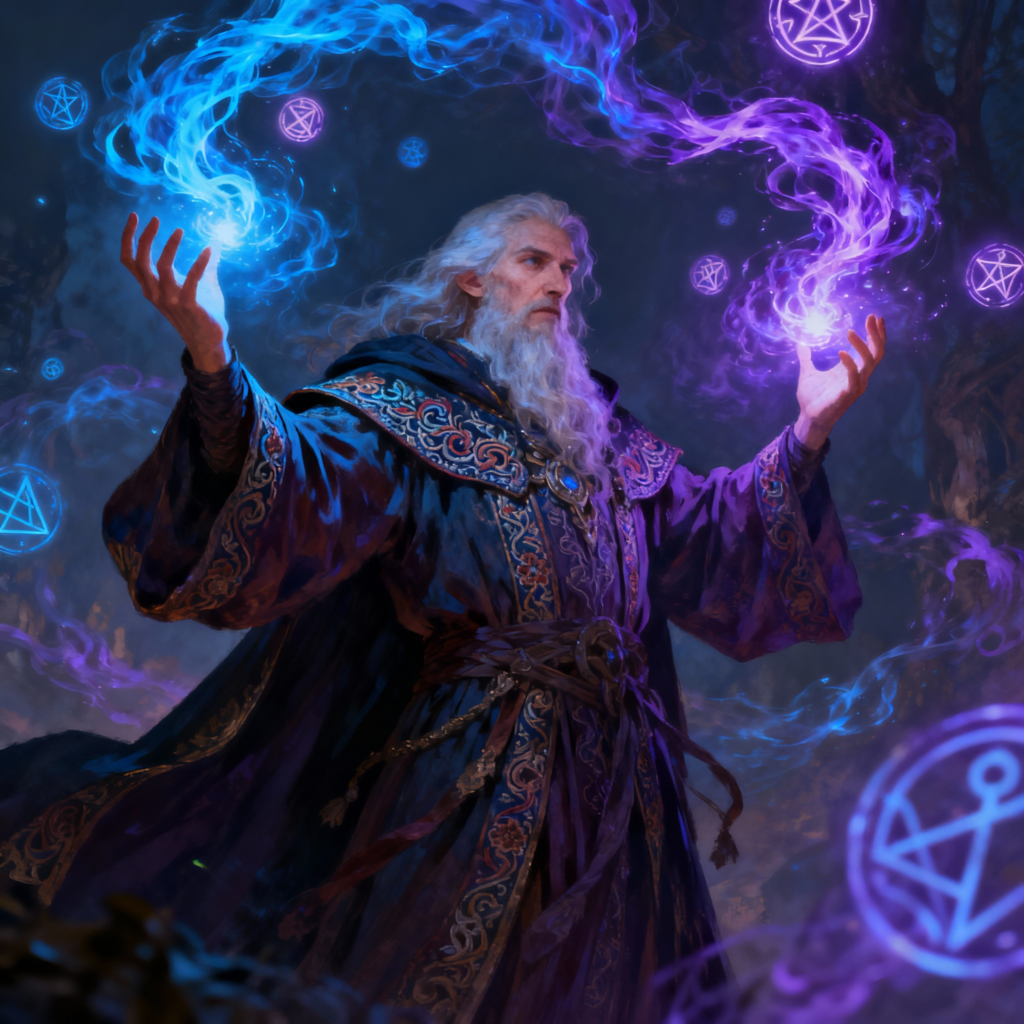
Sorcerer Name Generator
Harness innate magic with our sorcerer name generator! Conjure powerful names great for DnD 5e spellcasters, Pathfinder bloodline mages, or fantasy campaigns.
Gender Preference
Generating magical names...
Craft the Perfect Identity for Your DnD 5e & Pathfinder Character
Your sorcerer's name is more than a label on a character sheet—it's the verbal anchor that binds raw magic to identity. Before any wild magic surge erupts or draconic scales shimmer beneath your skin, that collection of syllables establishes who you are at the table. The right name resonates with the bloodline flowing through your veins, whether you trace ancestry back to ancient dragons, draw power from the Shadowfell, or channel the unpredictable chaos of the Weave itself.
Naming a sorcerer demands more attention than naming other spellcasters. Wizards study; warlocks bargain. But sorcerers simply are—and their names need to reflect that innate connection to magic. A well-chosen name becomes shorthand for your entire character concept, influencing how you roleplay, how other players perceive you, and how your story unfolds across countless sessions.
This guide explores everything you need to create memorable sorcerer names for DnD 5e, Pathfinder, and other fantasy RPG systems. We'll examine how different sorcerous origins shape naming conventions, break down the linguistic elements that make names feel authentically magical, and provide practical strategies for integrating your character's identity into any campaign world.
The Power of a Name: Why Sorcerer Names Matter in RPGs
Most players underestimate the impact of their character's name until they're ten sessions deep and realize "Bob the Sorcerer" doesn't command the same presence as companions with carefully crafted titles. Names in tabletop RPGs serve multiple functions simultaneously—they establish tone, hint at backstory, and create an auditory signature that other players remember long after individual combat encounters fade.
For sorcerers specifically, names carry additional weight because they represent the intersection of magic and identity. Unlike wizards who adopt arcane titles through study or clerics who receive names during ordination, sorcerers often discover their powers spontaneously. Their names might predate their magical awakening, creating fascinating tension between mundane origins and extraordinary destiny.
The best sorcerer names accomplish three things: they sound distinctive when spoken aloud at the table, they align with your character's magical origin, and they provide natural hooks for roleplay. When NPCs react differently to "Silas Thorne" versus "Steve," you're witnessing how a well-chosen name shapes the game world's response to your character.
Understanding Sorcerous Origins: Draconic, Wild Magic, and Shadow Bloodlines
Your sorcerer's power source fundamentally influences appropriate naming choices. Each origin carries distinct thematic elements that should echo through your character's title.
Draconic Bloodline
Draconic bloodline sorcerers trace their magic to dragons—the archetypal magical creatures whose presence has shaped fantasy worlds for generations. According to D&D Beyond, "Your innate magic comes from draconic magic that was mingled with your blood or that of your ancestors." This origin grants features like natural armor from dragon scales, elemental resistance, and eventually the ability to sprout draconic wings.
Names for draconic sorcerers often incorporate hard consonants and commanding sounds that echo the power and arrogance associated with dragons themselves. Consider how names like Drakon, Vermithrax, or Tiamat carry an inherent gravitas—that same quality should influence your character's title. Whether you choose to reference your specific dragon ancestor (gold, red, shadow, or any of the chromatic and metallic varieties) or simply channel that ancient majesty, the name should feel weighty and eternal.
Wild Magic
Wild magic sorcerers embody chaos itself. As described in official sources, "Your spellcasting can unleash surges of untamed magic." These characters are unpredictable forces—each spell they cast potentially triggers bizarre effects from a massive random table of consequences. The chaos can manifest as anything from turning your skin blue to causing a fireball to detonate unexpectedly.
Names for wild magic wielders benefit from unusual combinations, unexpected syllable patterns, or phonetic elements that feel slightly off-kilter. The goal isn't randomness for its own sake but rather a name that suggests something mercurial and impossible to pin down. Wild magic often appears spontaneously rather than through clear genealogy, so these characters might carry perfectly ordinary names that create an and contrast with their extraordinary powers.
Shadow Magic
Shadow magic sorcerers draw power from the Shadowfell—a dark reflection of the material plane. Their magic stems from exposure to that realm's fell energy or connections to entities dwelling within it. According to Xanathar's Guide to Everything, these characters gain darkvision that penetrates even magical darkness and the ability to transform into avatars of pure shadow.
Names for shadow sorcerers often incorporate softer consonants, sibilant sounds, and phonetic elements suggesting mystery and concealment. The best examples feel like whispers rather than shouts—names that carry an undercurrent of something hidden just beneath the surface.
How the Sorcerer Name Generator Works
A quality sorcerer name generator offers more than random syllable combinations. Effective generators provide customization options that align generated names with your specific character concept:
Gender selection ensures names match your character's identity, with options for masculine, feminine, or gender-neutral results. This matters because many fantasy naming conventions carry gendered implications—though creative players often subvert these expectations to great effect.
Length preferences let you choose between short, punchy names (like Kael or Nyx) that feel modern and accessible, medium-length options (such as Silas Thorne or Mira Shadowend) that balance memorability with gravitas, or longer, more elaborate titles that evoke ancient lineages.
Syllable control provides even finer customization. Single-syllable names feel sharp and immediate. Two or three syllables offer the sweet spot for most fantasy names—complex enough to feel distinctive while remaining easy to pronounce. Four or more syllables signal importance and heritage, though they risk becoming unwieldy during actual gameplay.
Advanced generators also allow specification of starting or ending sounds, helping you find names that flow naturally with your character's surname or other elements of their identity.
Linguistic Magic: Exploring the Etymology and Meanings Behind Legendary Names
Understanding the building blocks of effective names elevates your character creation from random selection to intentional craft. Fantasy names draw power from linguistic patterns that have resonated across cultures for centuries.
Silas Thorne: Ancient Simplicity Meets Natural Danger
The name "Silas" originates from biblical sources—it was borne by a companion of Saint Paul in the New Testament, likely a shortened form of Silvanus. According to Behind the Name, Silvanus connects to Latin silva (forest), evoking natural magic and untamed growth. The name carries a classical weight without feeling overwrought.
"Thorne" derives from Old English þorn, describing the sharp, modified branches that protect plants from predators. As a surname element, it suggests someone dwelling near thorny vegetation or possessing a prickly personality. Together, "Silas Thorne" creates a name that feels rooted in earth and ancient tradition while hinting at defensive capabilities—perfect for a sorcerer whose magic manifests unpredictably.
Seraphina Croft: Celestial Fire Grounded in Earth
"Seraphina" comes from Hebrew origins, meaning "fiery ones" or "burning ones"—a reference to the seraphim, the highest order of angels in certain religious traditions. The name inherently carries connotations of divine fire, purification, and transcendent power. It's elaborate without being pretentious, familiar enough to feel accessible while maintaining an otherworldly quality.
"Croft" presents an interesting contrast. From Old English, a croft is an enclosed piece of land, usually small and arable, and often associated with tenant farmers and modest agricultural life. According to etymological sources, the word may derive from Proto-Germanic roots meaning "a hill" or "a curve." As a surname, it grounds the celestial implications of Seraphina in earthly, practical concerns.
Together, the name suggests a character torn between heavenly origins and mundane responsibilities—perhaps a sorcerer whose divine soul bloodline manifests in someone born to simple circumstances.
Phonetic Patterns That Feel Magical
Effective fantasy names often employ specific sound patterns that register as "magical" to most players:
Sibilants and fricatives (s, sh, z, zh, f, v) create whispering, mysterious effects. Names like Selara, Zephyr, or Vashira feel inherently arcane.
Hard consonants (k, t, d, g) convey power and impact. Draconic names particularly benefit from these sounds: Korgath, Taldrak, and Grimscale.
Vowel combinations influence flow. Multiple vowels create lyrical, elvish qualities (Aeliana, Elowen), while sparse vowels feel harsher and more primal (Gryx, Blkth).
Name length and rhythm matter as much as individual sounds. Three syllables with stress on the first or second often strike an ideal balance: VER-mi-thrax, se-RAPH-i-na, SI-las Thorne.
Tips for Naming Your DnD 5e or Pathfinder Spellcaster
Creating the perfect sorcerer name requires balancing multiple considerations. These practical strategies help you navigate the process:
Consider your campaign setting. A name that fits perfectly in a high-fantasy setting might feel jarring in a grittier, low-magic world. Align your naming choices with the tone your DM establishes. If you're playing in an established setting like the Forgotten Realms or Golarion, research regional naming conventions to enhance verisimilitude.
Think about pronunciation at the table. The most elaborate name means nothing if you stumble over it every session and your fellow players can't remember it. Test potential names by saying them aloud multiple times. If you hesitate or mispronounce your own character's name, it's too complicated.
Align the name with the power source. A shadow magic sorcerer named "Sunfire Brightblade" creates confusing cognitive dissonance. Unless you're deliberately playing against type for specific story reasons, let your sorcerous origin guide your naming choices. Draconic bloodlines suggest ancient, weighty names. Wild magic calls for something more unpredictable. Shadow magic benefits from subtlety and whispered sounds.
Consider nicknames and shortened forms. Even if you love "Theramaxus Shadowscale," recognize that gameplay will naturally abbreviate it to "Thera" or "Max." Design your character's full name with this inevitability in mind, ensuring any likely shortened version still feels appropriate.
Research name meanings intentionally. While you don't need to construct every name from etymological components, understanding what your character's name means adds depth. It provides answers when other players ask about it and gives you additional hooks for backstory development.
Use generators as starting points, not final answers. Name generators excel at providing inspiration and revealing combinations you wouldn't have considered. But the best character names often emerge from taking a generated result and tweaking it—adjusting spelling, swapping syllables, or combining elements from multiple options.
Behind the Names: A Look at Memorable Sorcerer Examples
Examining specific names reveals how different elements combine to create memorable character identities:
Draconic examples: Alduin (suggesting ancient dragon origins with the harsh "d" sound), Vermithrax (combining "vermin" implications with exotic suffix patterns), and Tiamat (drawing from established D&D dragon deities). These names feel weighty and eternal.
Wild magic examples: Flux, Chaos, Kaleidra, or Anomaly—names that either directly reference unpredictability or use unusual sound combinations to suggest something unstable. The key is creating cognitive dissonance that mirrors the chaotic nature of wild magic itself.
Shadow magic examples: Umbra, Selara, Nightshade, or Whisper—names employing soft sounds, darkness-related imagery, and phonetic elements suggesting concealment. These work because they evoke the Shadowfell without being heavy-handed.
Subverting expectations: Sometimes, the most interesting names deliberately contradict their characters' powers. A wild magic sorcerer named "Constantine Lawson" creates immediate tension between orderly implications and chaotic reality. A draconic bloodline sorcerer called "Mouse" raises questions about whether the name came before or after their powers manifested.
Integrating Your Sorcerer's Identity into the Campaign World
Your character's name doesn't exist in isolation—it's part of a larger identity that interacts with the campaign world. Consider these integration strategies:
Backstory connections: How did your sorcerer receive their name? Were they named after a prophecy, a deceased ancestor, or a significant event? Did their parents know about the magical bloodline, or did the name prove coincidentally appropriate? These questions transform a simple label into narrative fuel.
Cultural context: Different fantasy cultures approach naming differently. Some use patronymics (Galen son of Aldric), others employ descriptive titles (Thorne the Shadowtouched), and some cultures keep true names secret while using public aliases. Determine which traditions your character follows and why.
Reputation and titles: As your character grows in power, they may acquire additional names or titles. "Silas Thorne" might become "Silas Thorne, Stormbringer" or "The Thorne of Shadow's Edge." Consider how you want your character's name to evolve alongside their legend.
Pronunciation guides: If your name includes unusual combinations or draws from real-world languages, provide other players with pronunciation guidance. Nothing derails immersion faster than five different people pronouncing your character's name five different ways.
Visual representation: How does your character introduce themselves? Do they use their full name in formal situations and a nickname among friends? Does their signature employ particular calligraphy? These details make names feel lived-in rather than arbitrary.
Frequently Asked Questions
Can I use a sorcerer name generator for other spellcasting classes?
Yes, though you may want to adjust your results. Wizard names often suggest scholarly pursuits or arcane study. Warlock names might reference their patron or include elements of dark bargains. Druids typically draw from nature-based naming conventions. Use the generator's output as a starting point and modify it to suit your specific class concept.
Should my sorcerer's name reflect their specific dragon type if they have a draconic bloodline?
It can, but it's not required. Some players enjoy this level of detail—giving a red dragon sorcerer a name incorporating fire imagery, or a gold dragon descendant something noble and radiant. Others prefer names that don't advertise their powers so obviously. Both approaches work; choose based on your character concept and campaign tone.
How do I create a name that sounds magical without being ridiculous?
Balance familiarity with the exotic. Names that combine recognizable elements (like Silas or Seraphina) with slightly unusual surnames (Thorne, Croft) often hit the sweet spot. Avoid excessive apostrophes, random capitalization, or sounds that don't flow naturally in your native language. Test pronunciation out loud—if you feel silly saying it, it probably needs adjustment.
Can I change my sorcerer's name mid-campaign?
Absolutely, if it serves the story. Perhaps your character discovers their true name, rejects a slave name for a chosen identity, or earns a new title after a significant event. Discuss major name changes with your DM and fellow players to avoid confusion, but don't feel permanently locked into a choice that isn't working.
What if another player already has a similar-sounding name?
Either embrace it as a potential plot hook (maybe you're distant relatives?) or adjust your choice. Having two characters with confusingly similar names creates unnecessary friction during gameplay. It's better to change now than spend months saying "no, I'm Silas, not CYlas."
Should I create a full name or just a first name?
Most campaigns benefit from characters having both given names and surnames, though the surname might not come up frequently. Full names provide more options for roleplay and help distinguish your character in mixed company. That said, some cultures or character concepts work perfectly well with single names—don't force it if it doesn't fit.
Forging Your Magical Legacy Through Naming
Your sorcerer's name is the first spell you'll cast in any campaign—a verbal enchantment that binds identity to magic before any dice hit the table. The syllables you choose will be spoken thousands of times across countless sessions, becoming inseparable from the character you build and the stories you tell together.
Whether you're channeling the ancient majesty of draconic bloodlines, embracing the unpredictable chaos of wild magic, or drawing power from shadow itself, your name should reflect those extraordinary origins while remaining memorable and practical for actual gameplay. The perfect balance honors fantasy traditions without sacrificing usability, creates immediate impressions without being heavy-handed, and provides hooks for character development while leaving room for discovery.
A sorcerer name generator serves as your starting point for this creative journey—a tool that reveals possibilities you might never have considered on your own. But the real magic happens when you take those generated options and make them yours, tweaking sounds, adjusting spellings, and crafting the perfect verbal signature for your character's legendary path.
Roll those virtual dice, explore the combinations, and trust your instincts. When you find the name that makes your character feel real—the one that instantly clarifies who this sorcerer is and why they matter—you'll know. That's when the true adventure begins.