Beyond Sword and Spell: A Guide to Character Classes
The first decision you make in a role-playing game often sets the tone for your entire journey. Before you ever roll a die or narrate your first move, you choose a character class. That pick isn’t just a title—it’s the foundation for what your hero can do, how they see the world, and the role they’ll play in the unfolding story. Whether you’re a long-time Dungeons & Dragons player or stepping into Pathfinder for the first time, understanding classes helps you get the most out of every session.
This guide explores how character classes developed over time, why they matter so much at the table, and how to choose the one that fits your next adventure. We’ll look at the classic fantasy roles as well as the more specialized options modern RPGs offer, so you can find a class that matches your style and your character vision.
From Trinity to Multitude: How Classes Evolved
Character classes go all the way back to the earliest days of tabletop RPGs. When Dungeons & Dragons launched in 1974, it began with a straightforward trio: the Fighting-Man, the Magic-User, and the Cleric. Together, they covered the basics of fantasy adventure—weapon mastery, arcane magic, and divine power. Not long after, the Thief joined the roster, introducing stealth, cunning, and skill-based problem-solving.
That early foundation—Fighter, Wizard, Cleric, and Rogue—became the template for countless games that followed. Systems like Pathfinder built on those roots, expanding the selection while keeping the core idea intact. Over the years, new inspirations added new options: the barbarian rose from heroic pulp fiction, the paladin drew from legends of holy knights and chivalry, and the druid carried echoes of ancient nature traditions into game mechanics.
Modern RPGs—like D&D 5th Edition—now feature a wide spread of classes with distinct identities and play patterns. That growth mirrors how tabletop gaming has shifted toward deeper storytelling and more player freedom, making it easier than ever to build heroes that feel truly personal.
What a Character Class Really Represents
A class isn’t only a combat job or a list of powers. It’s also a reflection of your character’s training, background, and problem-solving instincts. It shapes how they approach danger, interact with others, and respond when things go wrong.
Take Wizards and Sorcerers. Both command arcane magic, but they arrive there in completely different ways. A Wizard earns their power through discipline—years of study, experimentation, and memorizing precise spells. A Sorcerer’s magic is inborn, often tied to something extraordinary like a draconic ancestor or a brush with cosmic energy. That difference can influence everything from attitude and confidence to how they relate to other spellcasters.
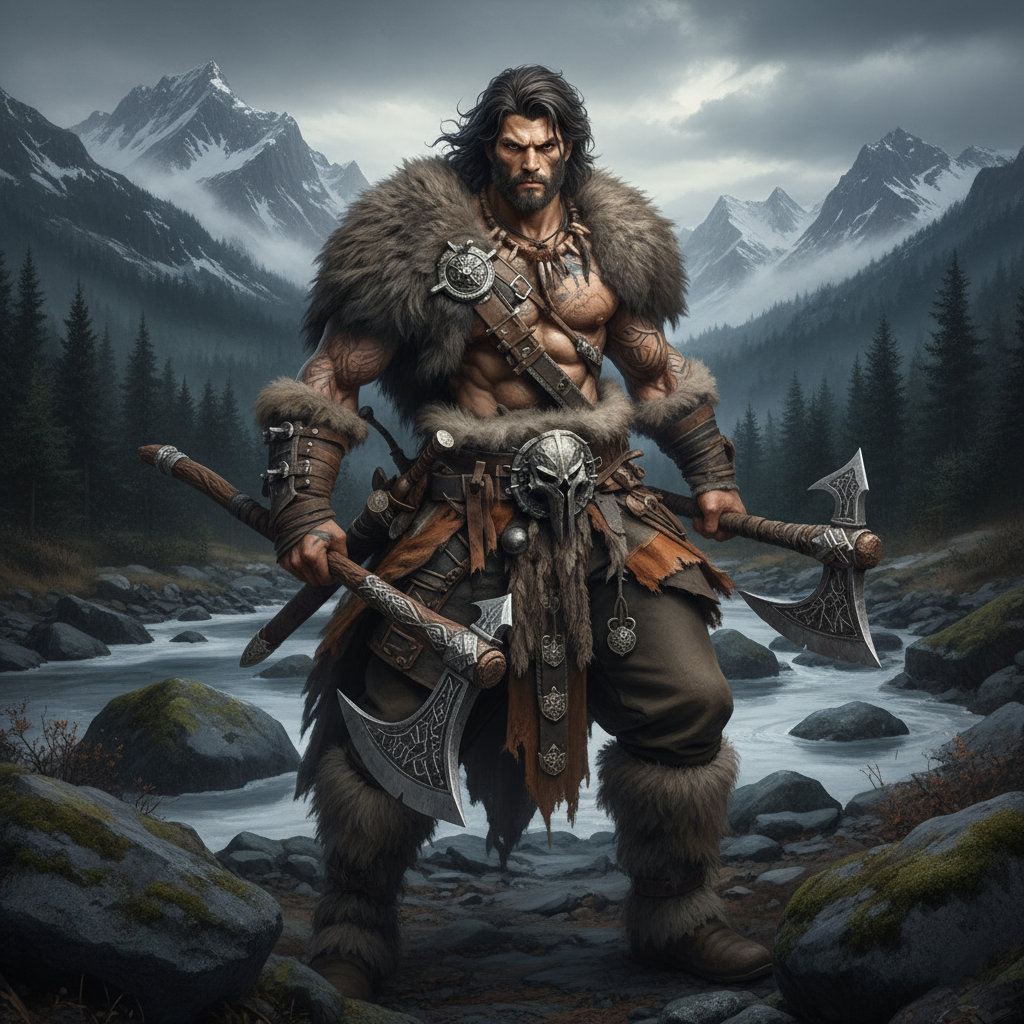
The same contrast shows up in martial classes. A Fighter is defined by technique, training, and adaptability—a professional who knows how to win battles with skill. A Barbarian is a storm of instinct and emotion, unleashing raw rage to overwhelm foes. Both can stand toe-to-toe with monsters, but the story and feel of each class are wildly different. That’s the real magic of classes: they give you both mechanics and meaning.
The Core Pillars of Fantasy Adventure
Even with dozens of modern options, most classes still connect back to a few central archetypes. Knowing these helps you quickly narrow down what you might enjoy.
Martial Characters
These classes thrive on physical skill, toughness, and battlefield presence.
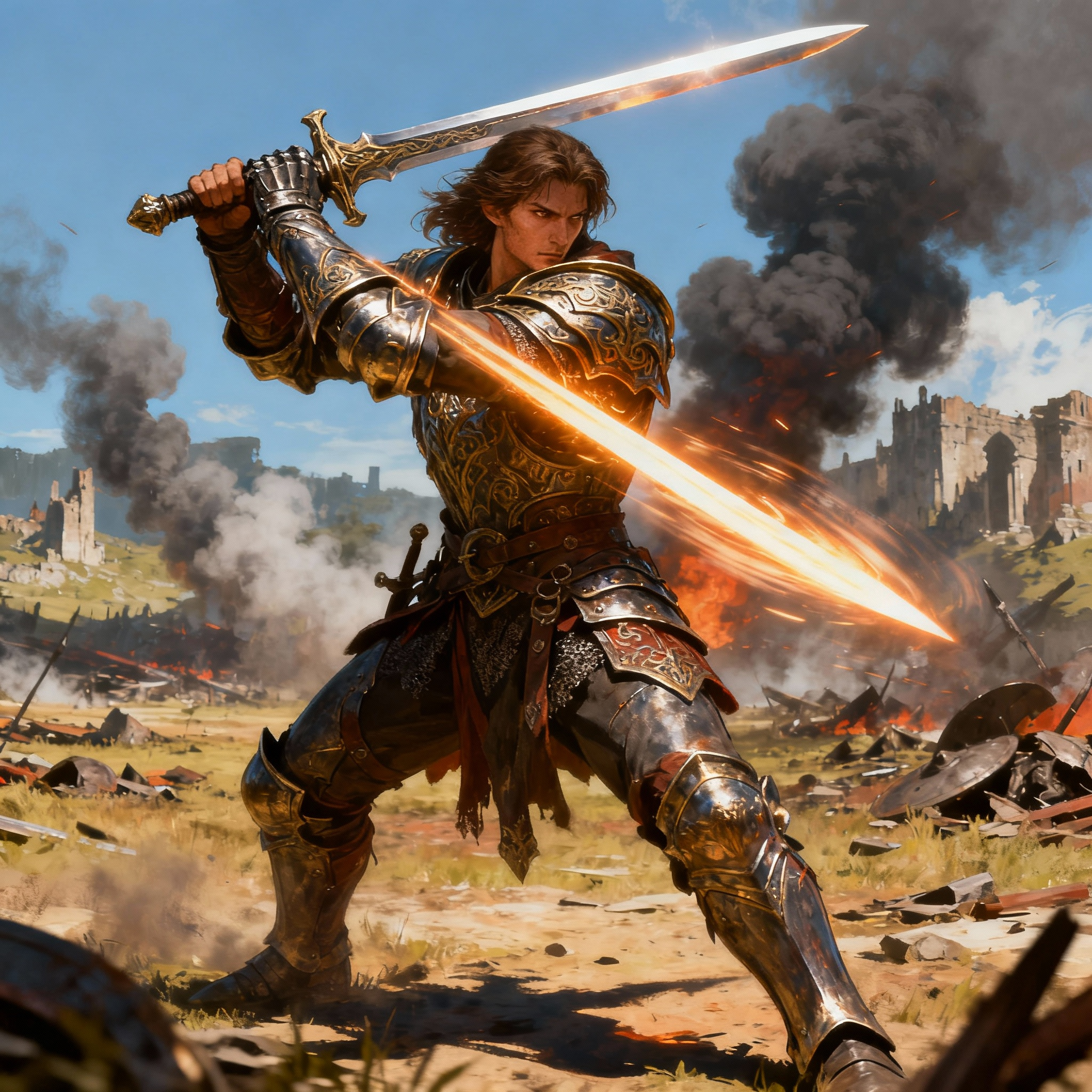
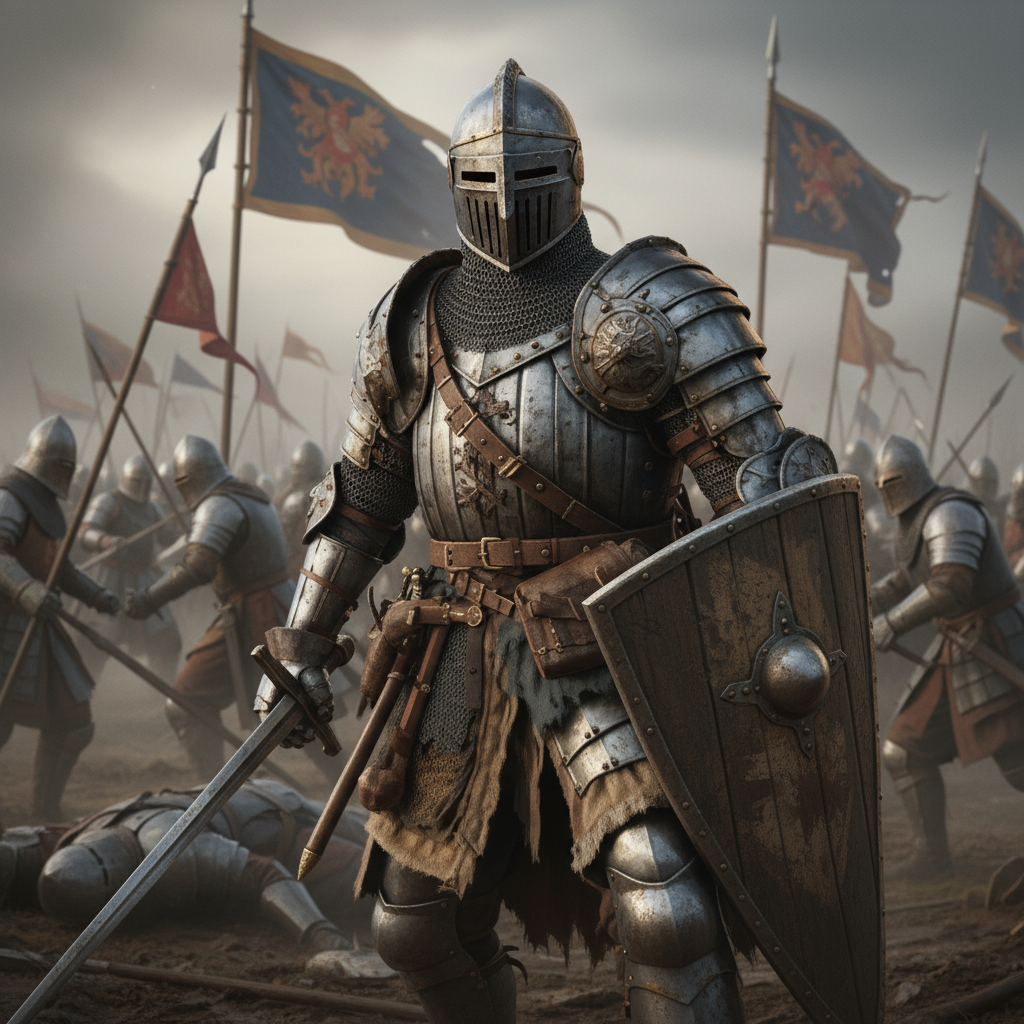
Fighter: The classic warrior—flexible, dependable, and effective with nearly any weapon or armor.
Barbarian: A brutal frontline powerhouse who taps into rage for explosive damage and resilience.
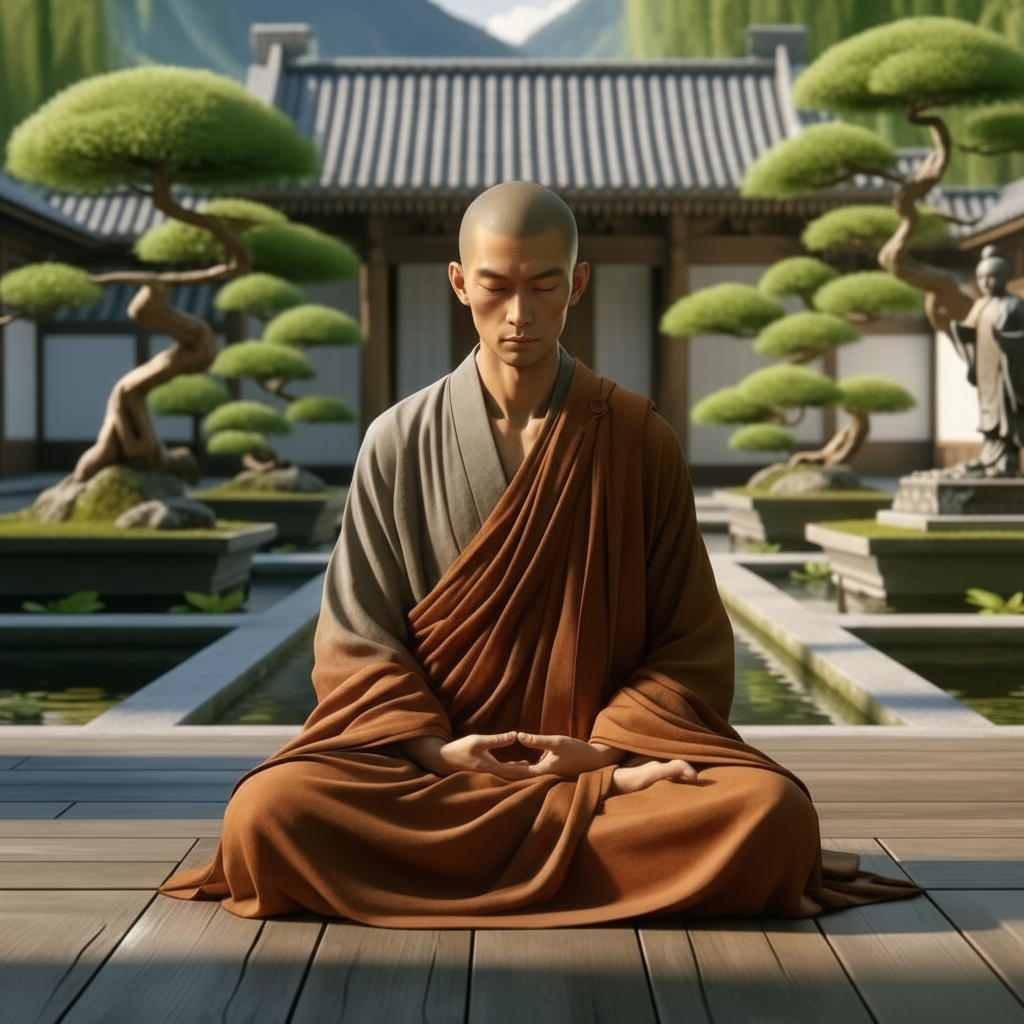
Monk: A focused martial artist who channels inner energy (ki) to move fast, strike hard, and pull off extraordinary stunts.
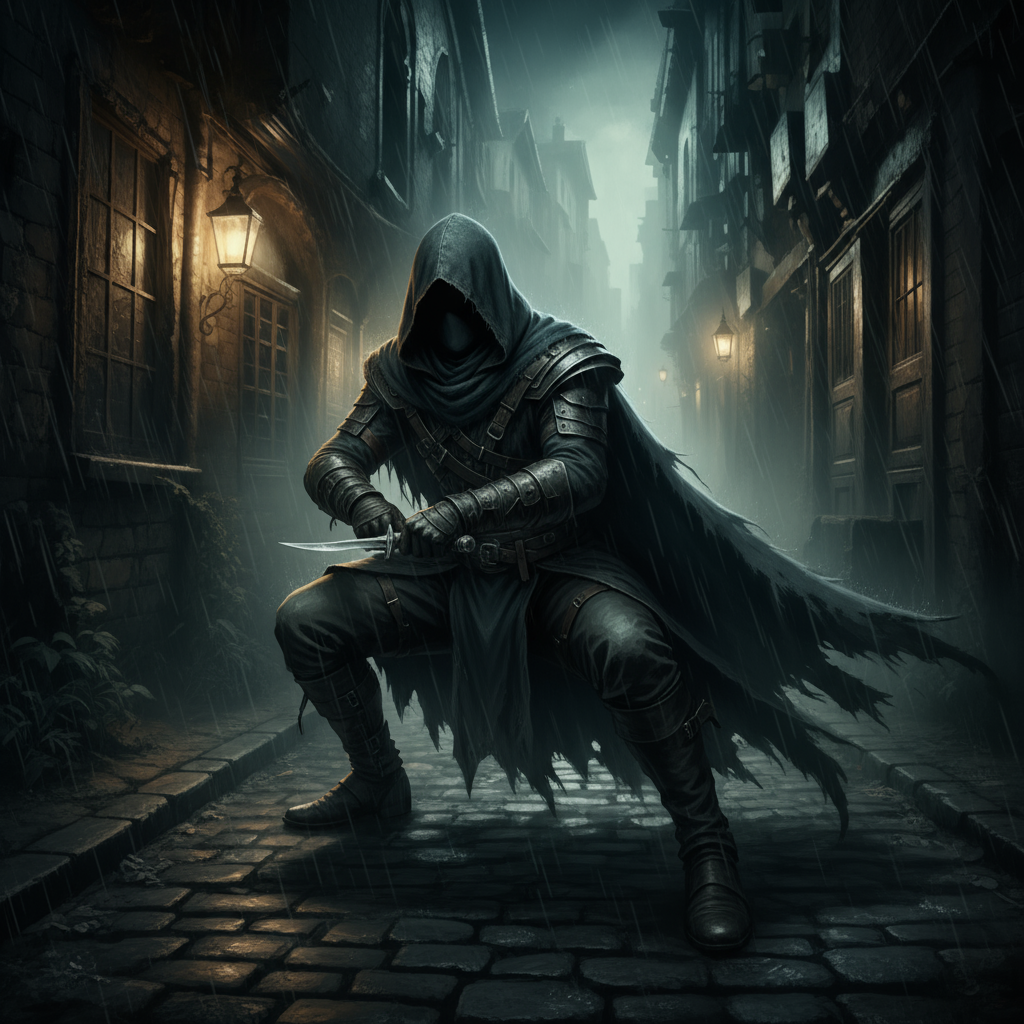
Rogue: A crafty opportunist who relies on stealth, clever tactics, and precise strikes to turn the odds in their favor.
Divine Casters
These characters draw power from faith, sacred vows, or the living forces of the world.
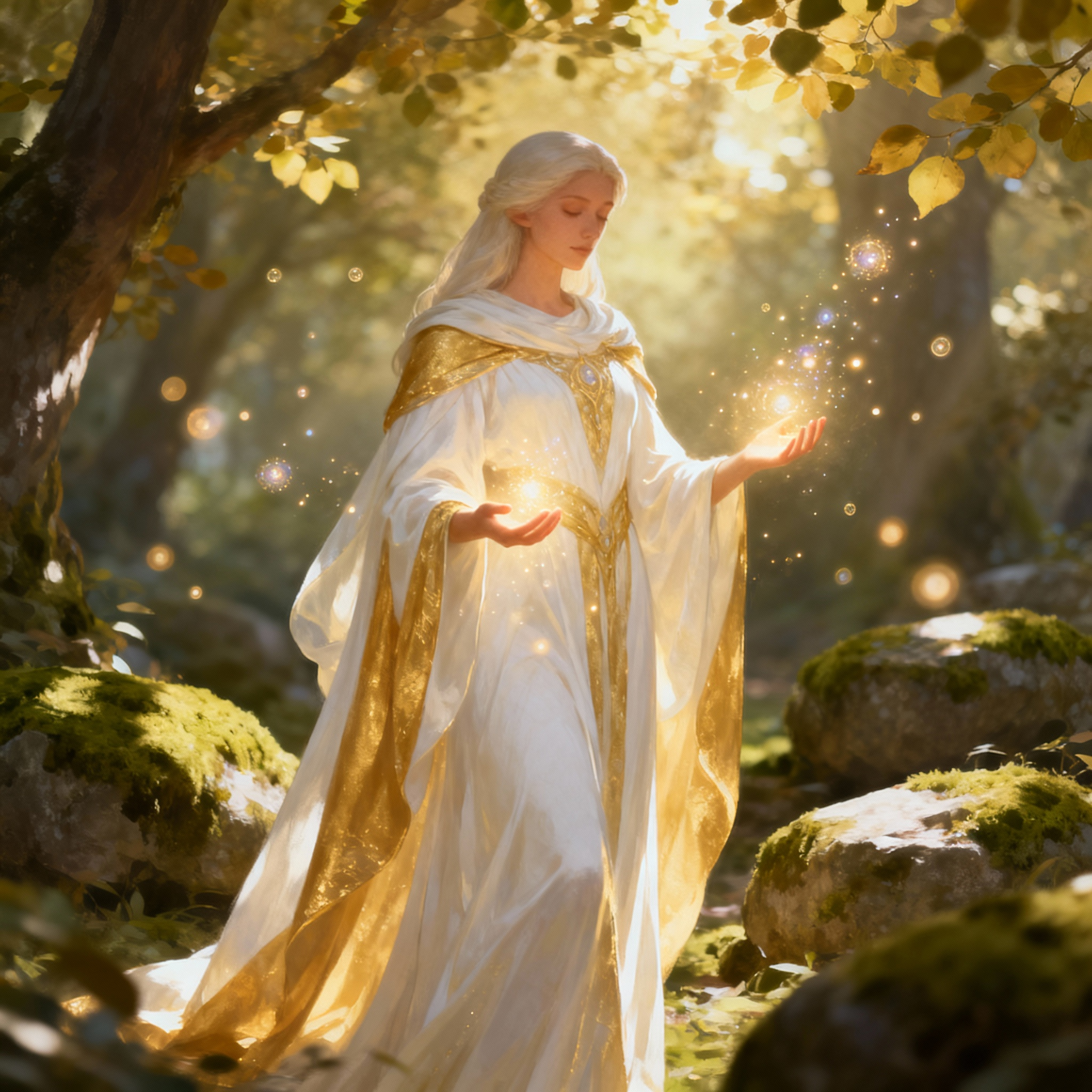
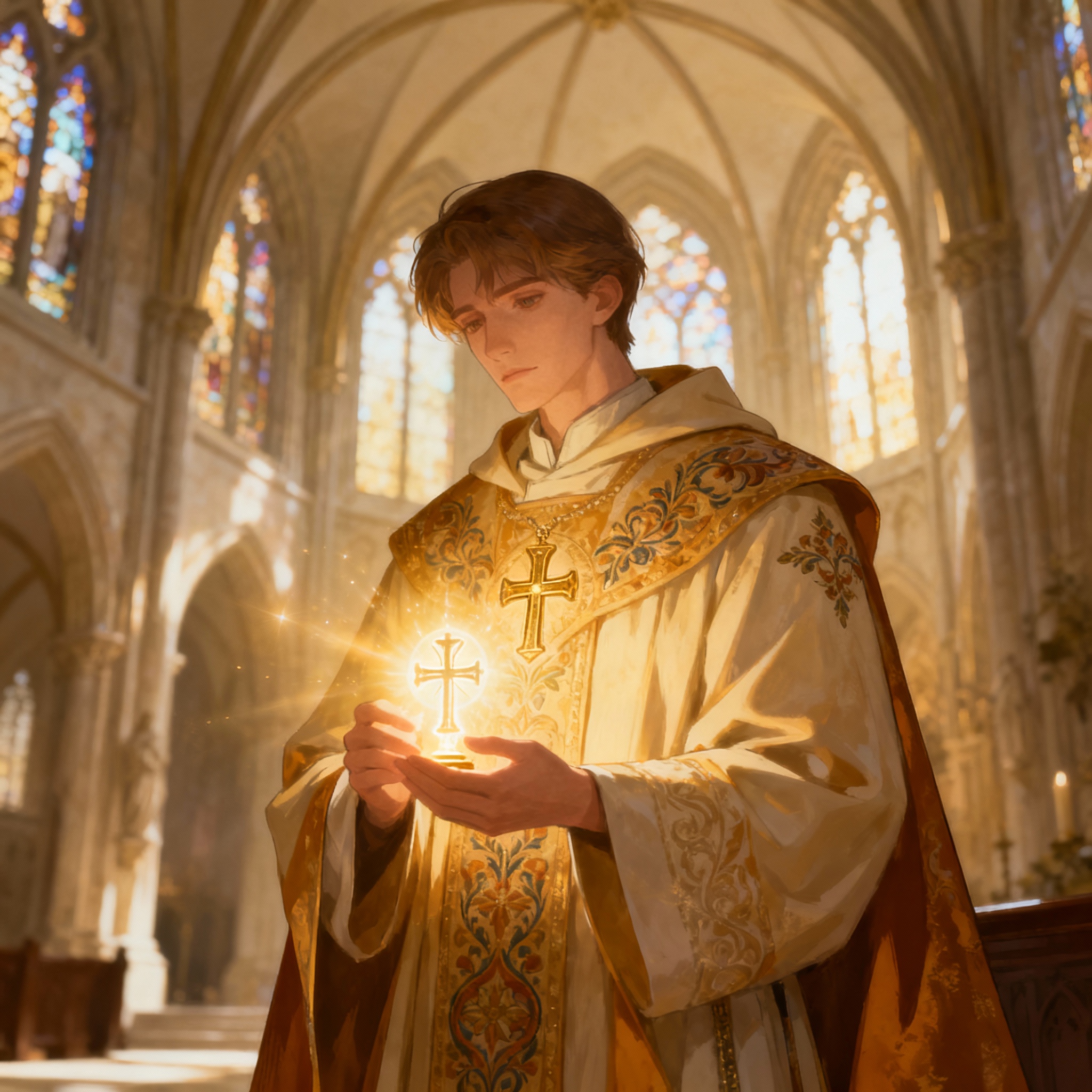
Cleric: A champion of a deity, able to heal, protect, and bring divine wrath down on enemies.
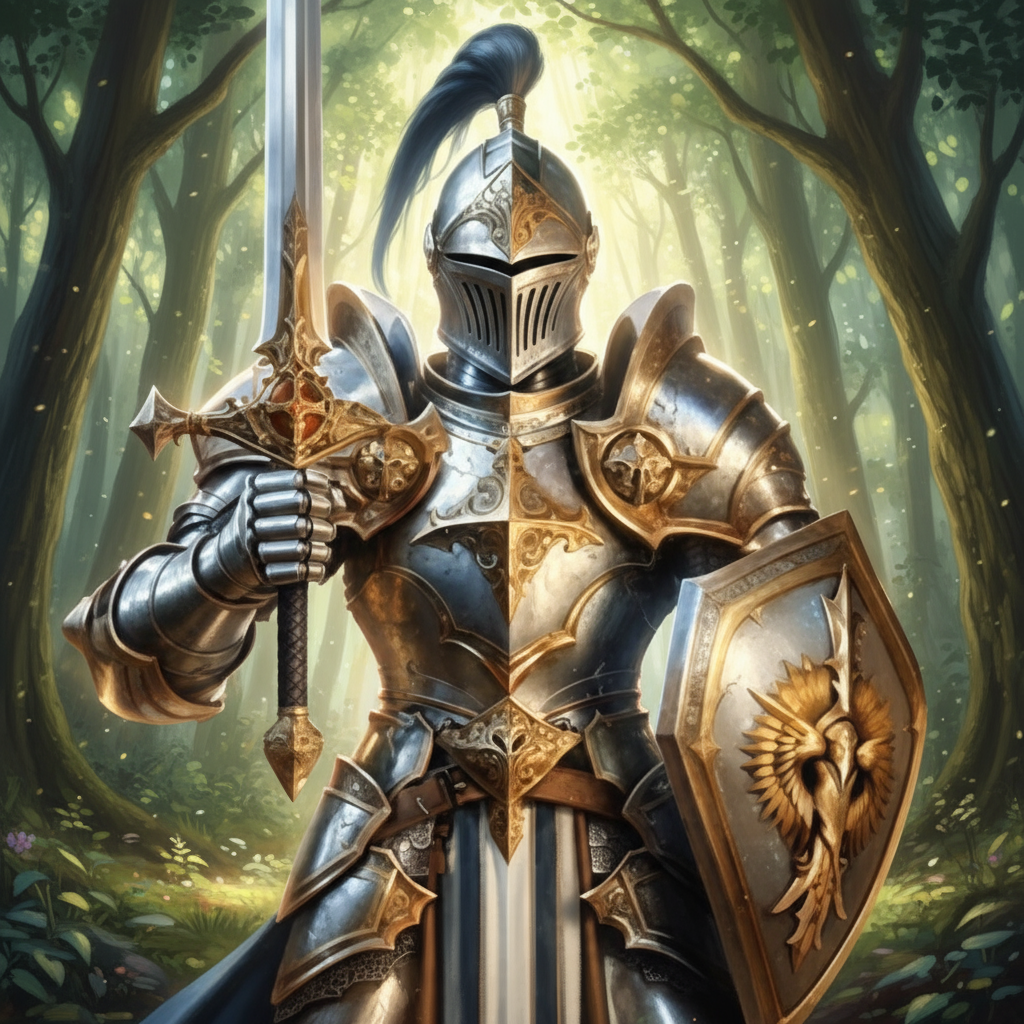
Paladin: A sworn protector whose sacred oath fuels both combat skill and holy magic.
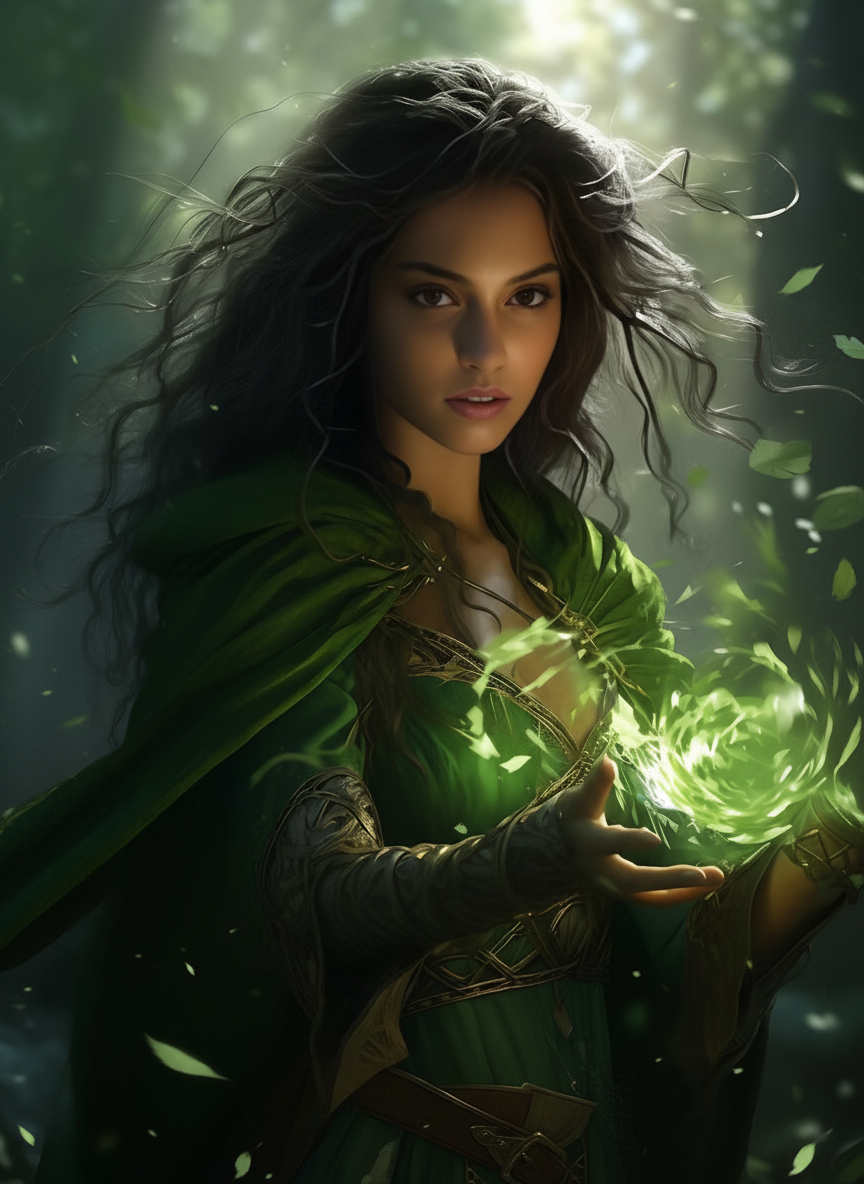
Druid: A guardian of nature who commands the wild, calls on elemental forces, and can even shapeshift into beasts.
Arcane Casters
Arcane magic is shaped by intellect, bloodline, or bargains made with unsettling powers.
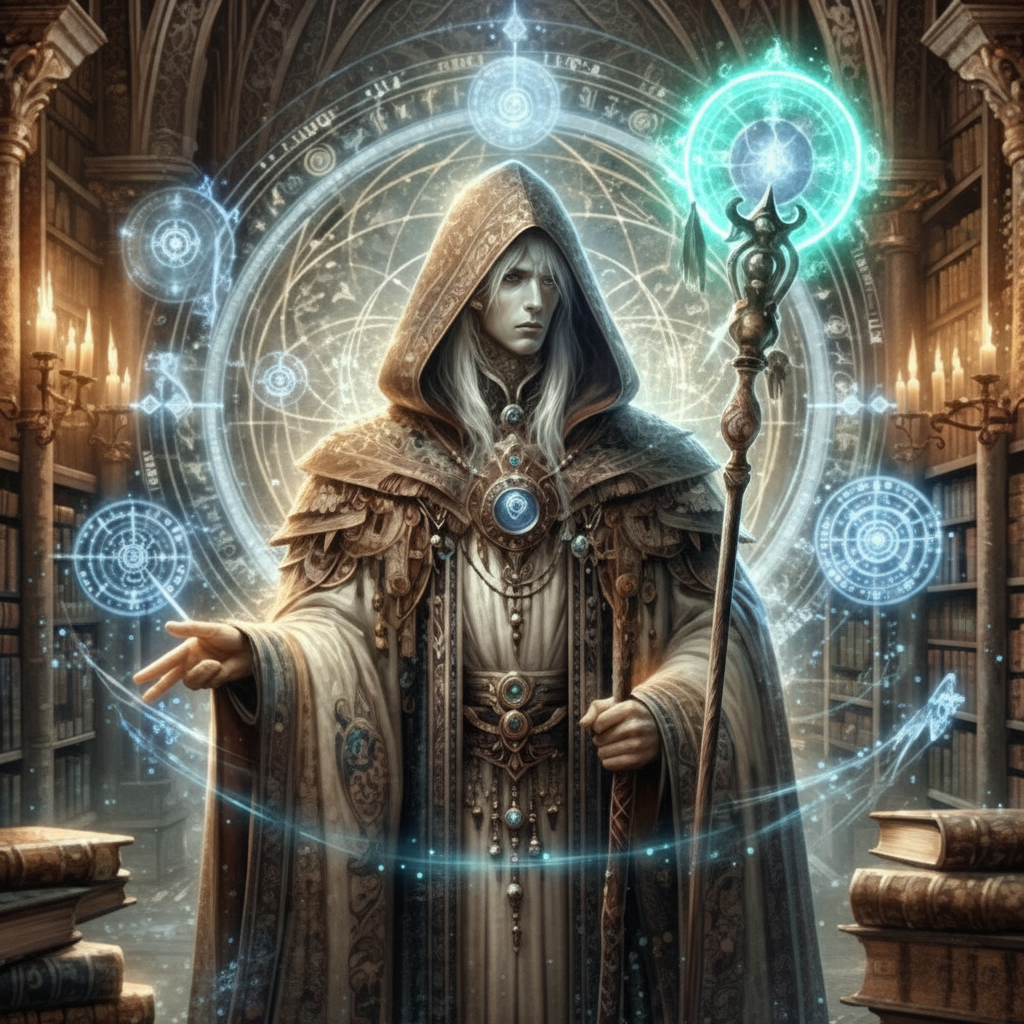
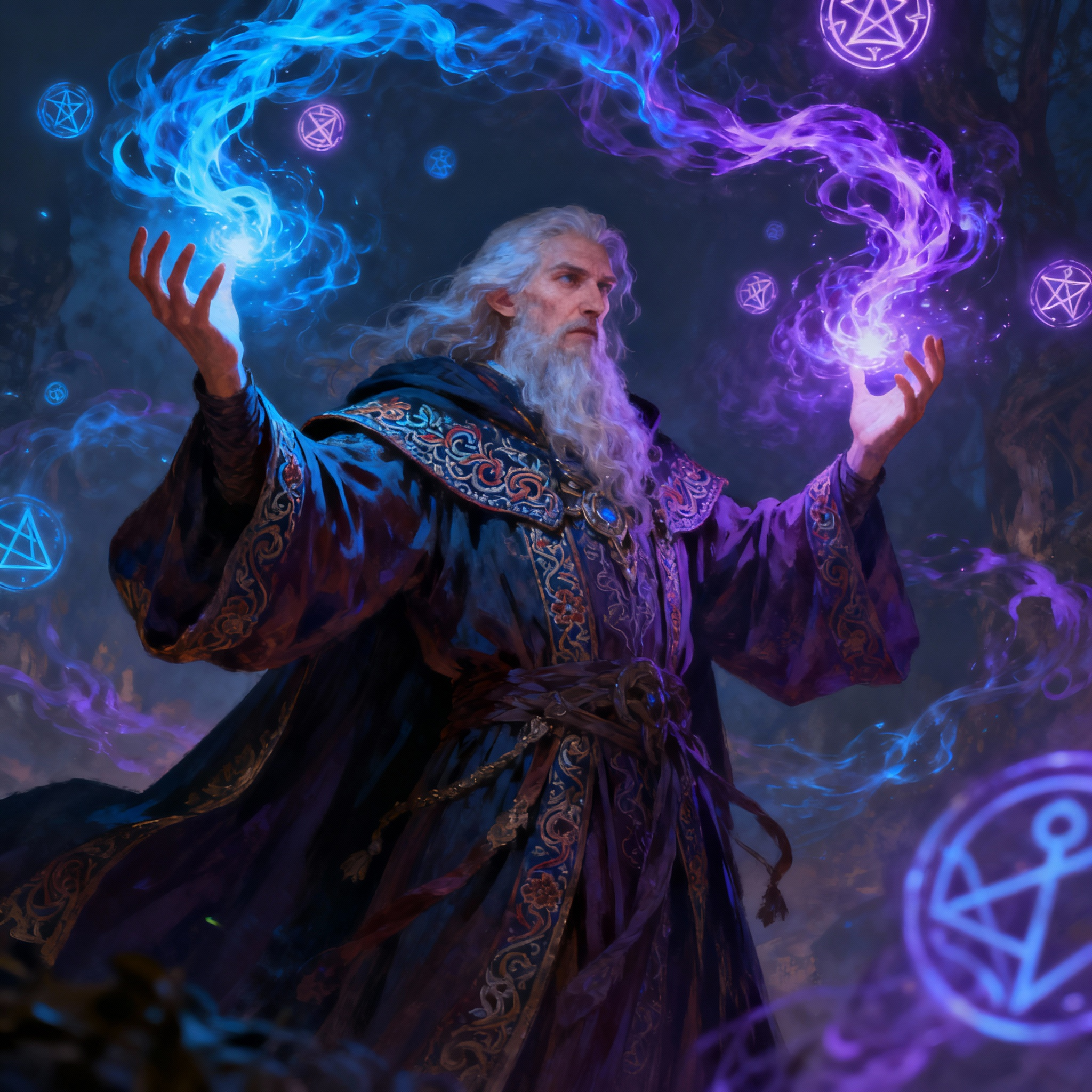
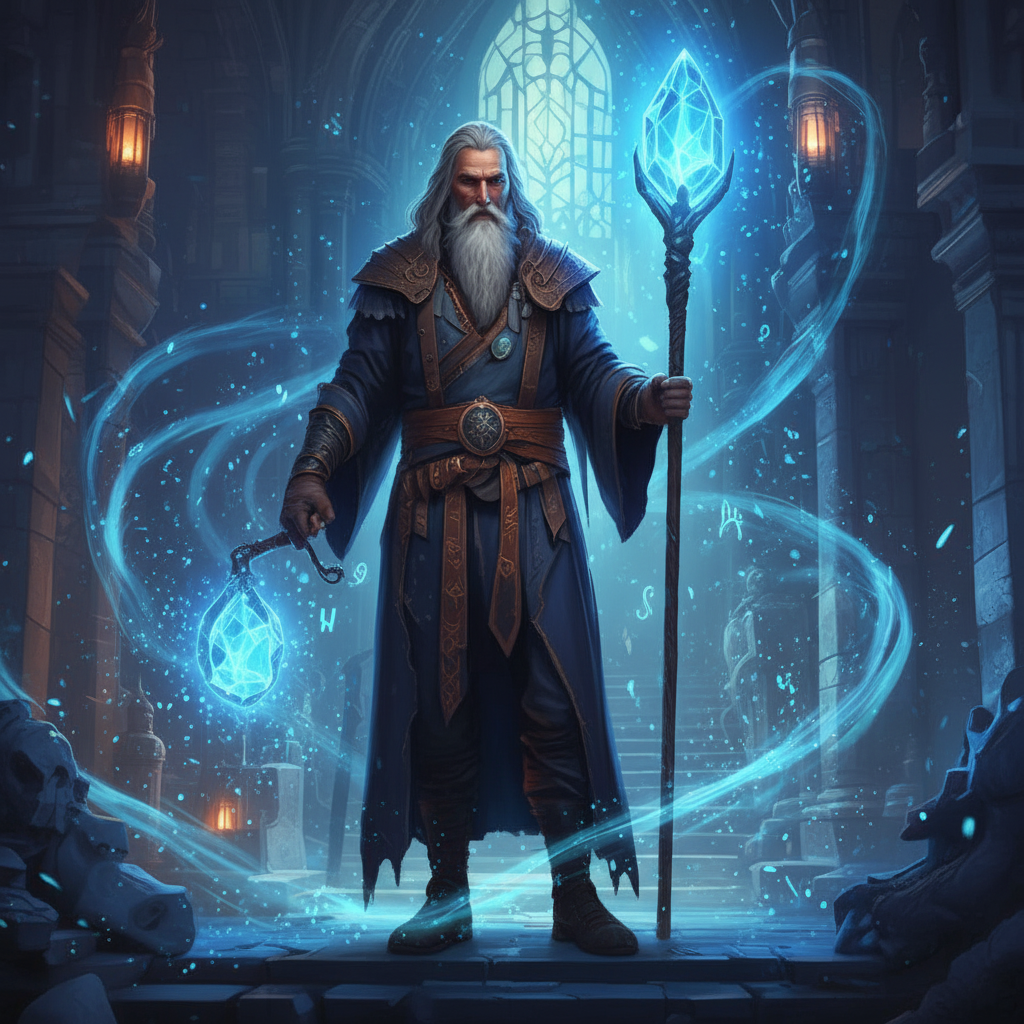
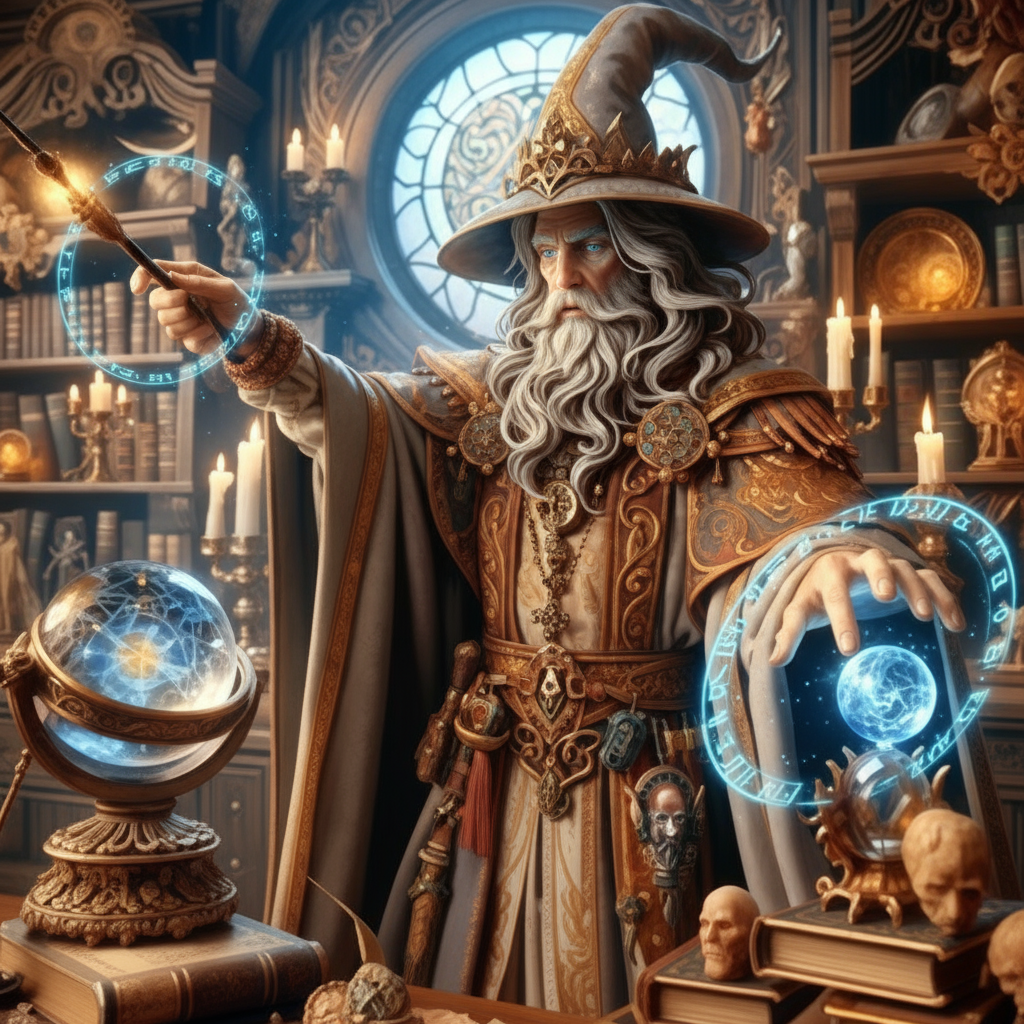
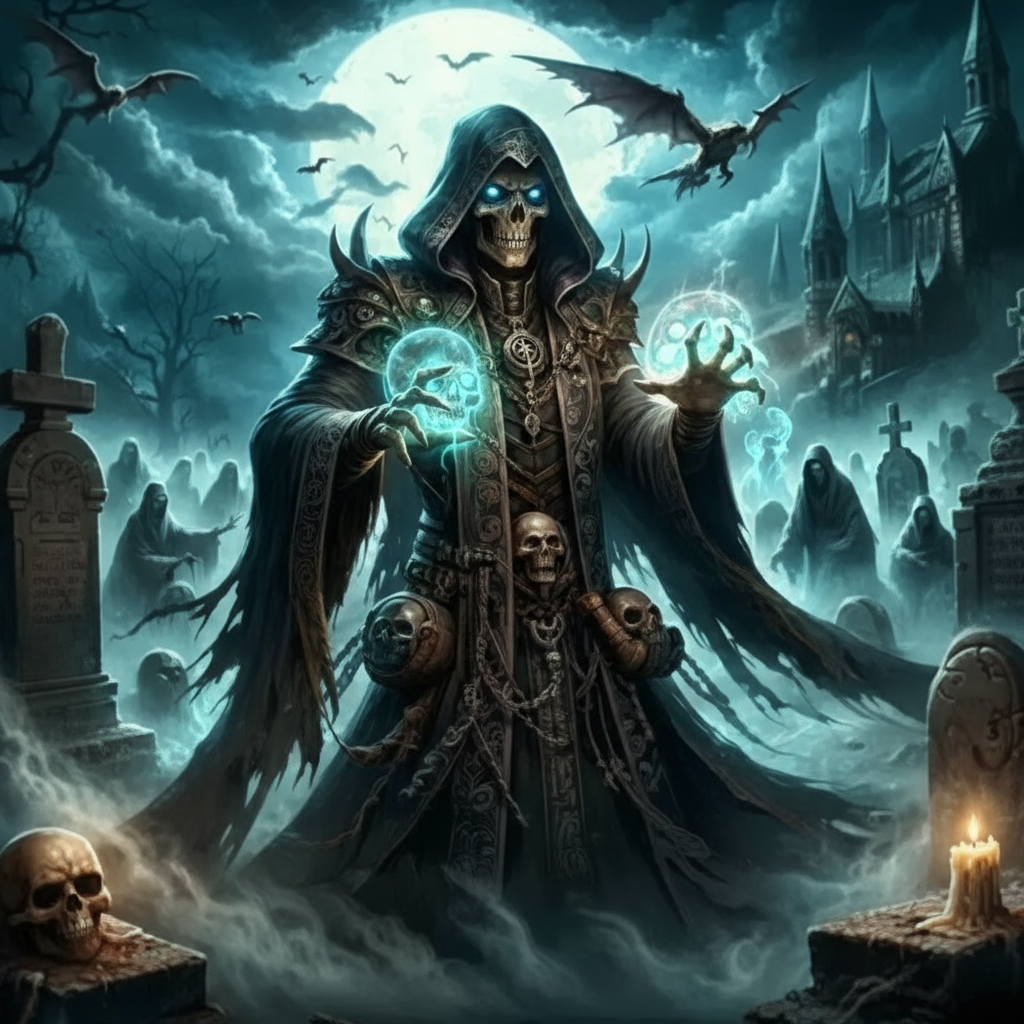
Wizard: A scholar of magic, mastering spells through study, preparation, and deep arcane knowledge.
Sorcerer: A natural spellcaster whose magic flows from within, often tied to a supernatural origin.
Warlock: A caster empowered by a pact with an otherworldly patron—mysterious, potent, and often story-rich.
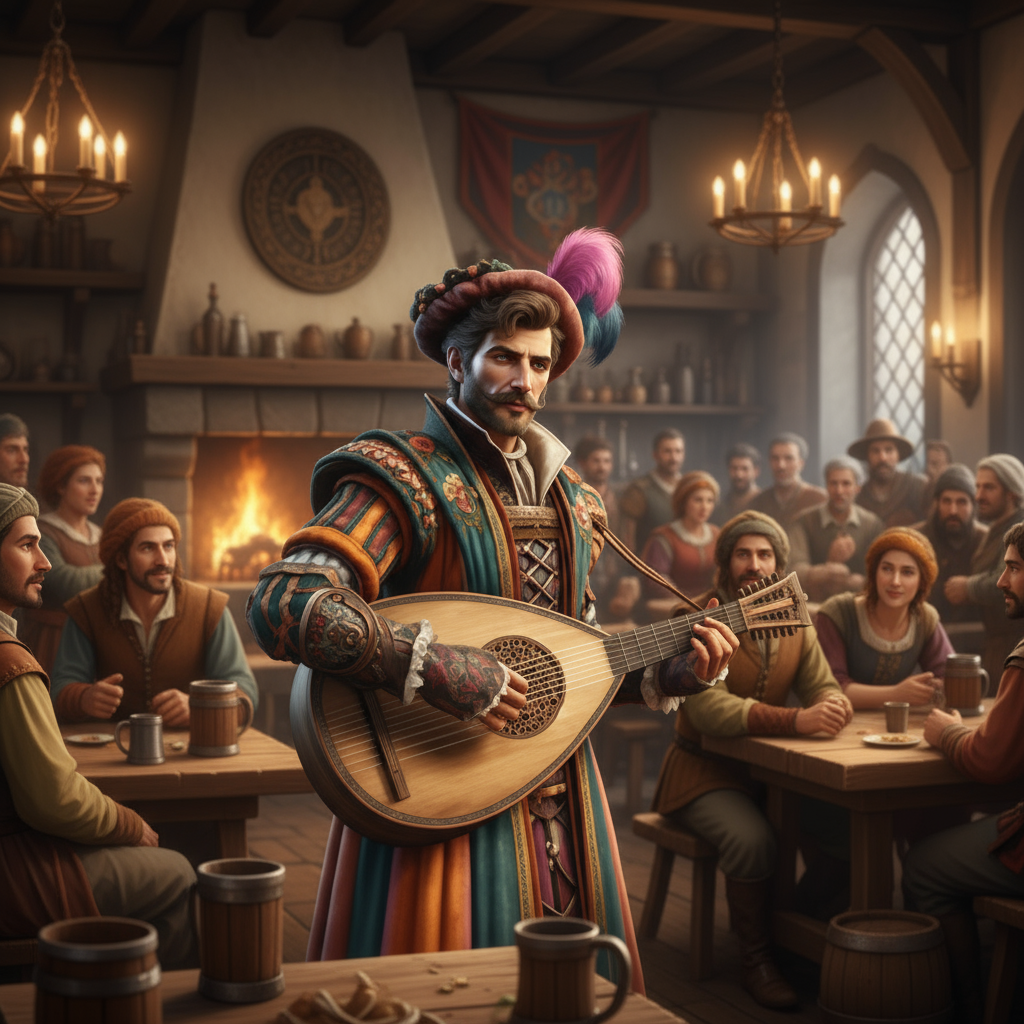
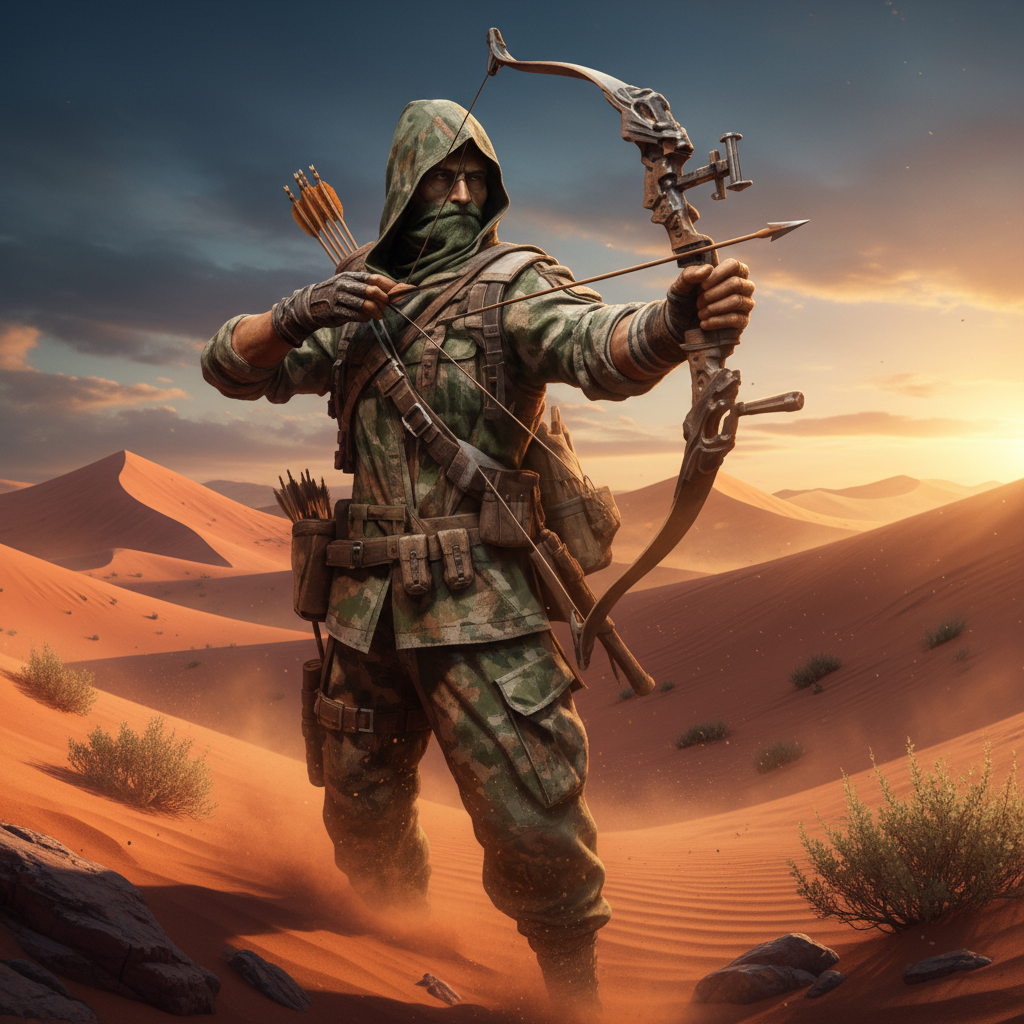
Some of the most beloved classes blur the lines. A Ranger mixes martial skill with nature magic, while a Bard blends charm, performance, and versatile spellcasting into a uniquely adaptable role.
How to Choose the Right Class
Picking a class is personal—it shapes what you’ll do in combat, how you contribute outside of combat, and what kind of character story you’ll be living for the length of the campaign. If the choice feels huge, here are a few practical ways to narrow it down.
Think About How You Like to Play
Start with what you enjoy most at the table.
Want to be in the thick of the action, soaking hits and dealing damage? Look at Fighter, Paladin, or Barbarian.
Prefer hanging back, shaping fights with magic, healing allies, or controlling terrain? Consider Cleric, Druid, or Wizard.
Love problem-solving, sneaking, talking your way through trouble, or landing the perfect tactical strike? Rogue may be your home.
Match the Class to Your Character Idea
Sometimes you begin with a story concept first: a hardened wilderness tracker, a charming performer hiding secrets, or a noble avenger driven by duty. Let that narrative steer you. Rangers fit the tracker, Bards shine as performers, and Paladins naturally embody oaths and righteous vengeance. Your class should support the story you want to tell—not fight against it.
Give the Unusual Options a Chance
The classics are popular because they work, but the less common choices can create unforgettable moments. A Warlock’s relationship with their patron can drive entire plotlines. A Monk changes the feel of combat through speed, discipline, and mobility. Choosing something unexpected can make your character stand out and open doors for creative roleplay.
Your Adventure Starts Here
Character classes are the backbone of fantasy RPGs. They provide structure for your abilities, identity for your hero, and a mechanical way to bring your story to life. From a simple early trio to today’s huge range of options, classes have grown into a toolkit for building exactly the kind of adventurer you want to play.
Next time you make a character, explore the list with curiosity. Think about the kind of hero you want to be, the role you want to fill, and the moments you hope your character will have. Somewhere in those choices is the class that will make your next adventure feel like it was made for you.