
Archetype Name Generators
Create Powerful Character Names That Resonate
Your villain strides onto the page, radiating menace and complexity. Your hero stands at the threshold of transformation. Your mentor delivers wisdom in measured tones. But something feels off—their names sound pasted on, like afterthoughts rather than identities.
Names carry psychological weight that shapes how audiences perceive characters before a single word of dialogue is spoken. An archetype name generator doesn't just produce random syllables—it taps into universal patterns embedded in mythology, folklore, and centuries of storytelling tradition to deliver names that feel inevitable rather than arbitrary.
Whether you're crafting characters for a Dungeons & Dragons campaign, writing a fantasy novel, or building a video game world, understanding how archetypes and naming conventions intersect will transform your creative process. The right name doesn't just label a character; it signals their narrative function and emotional resonance from the very first introduction.
The Psychology of Archetypes: Hero, Villain, Ally, and Mentor
Carl Jung's exploration of the collective unconscious revealed something storytellers have always known instinctively: certain character patterns resonate universally across cultures and eras. These archetypes aren't creative crutches—they're psychological DNA embedded in how humans process narrative.
The Hero Archetype
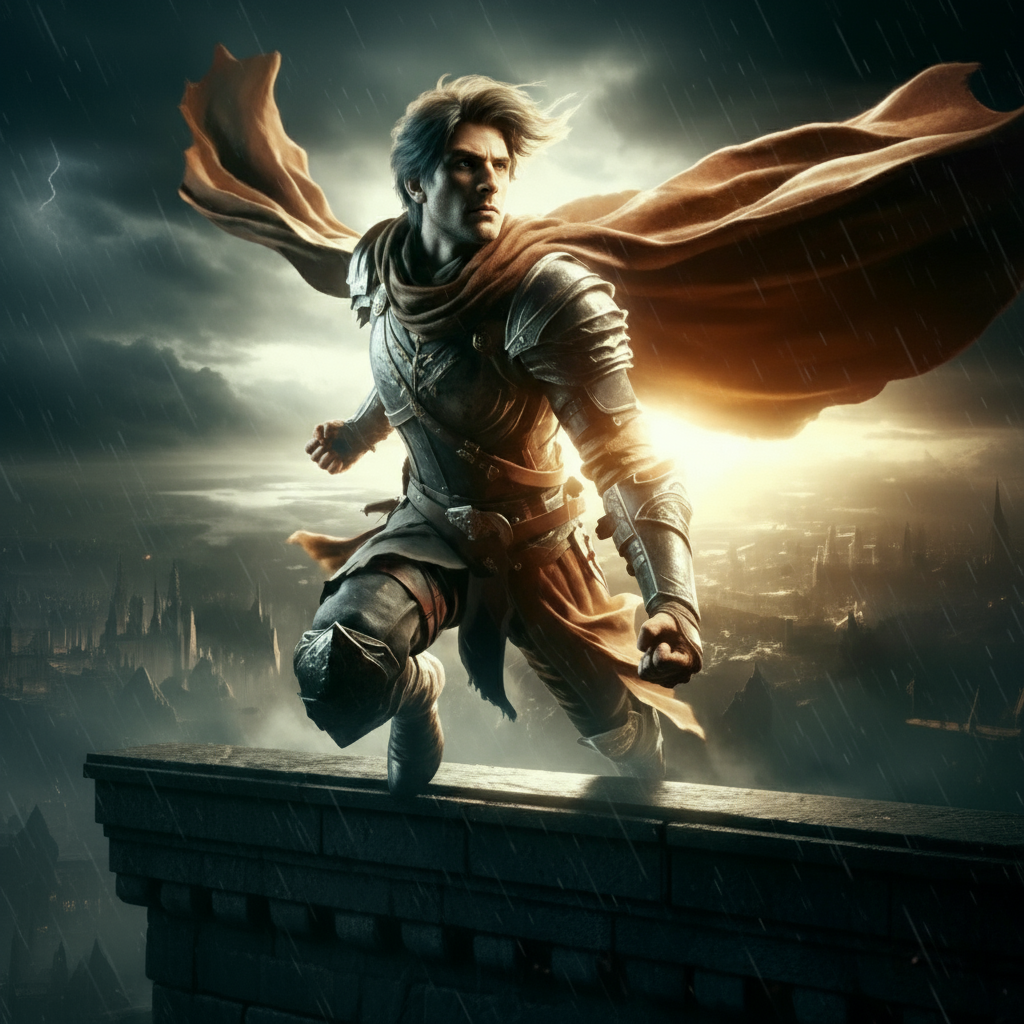
The hero represents transformation and growth. According to Joseph Campbell's analysis of the hero's journey, this archetype embodies the protagonist who ventures from the ordinary world into unknown territory, faces challenges, and returns changed. Heroes like Frodo Baggins, Luke Skywalker, and Katniss Everdeen share this fundamental pattern despite vastly different settings.
Interestingly, the most powerful hero names rarely sound heroic at first glance. They suggest potential rather than completed greatness, allowing room for the character arc to breathe. A hero named "Valorstrike" has nowhere to grow—but "Alder" or "Taran" leave space for transformation.
The Shadow (Villain)
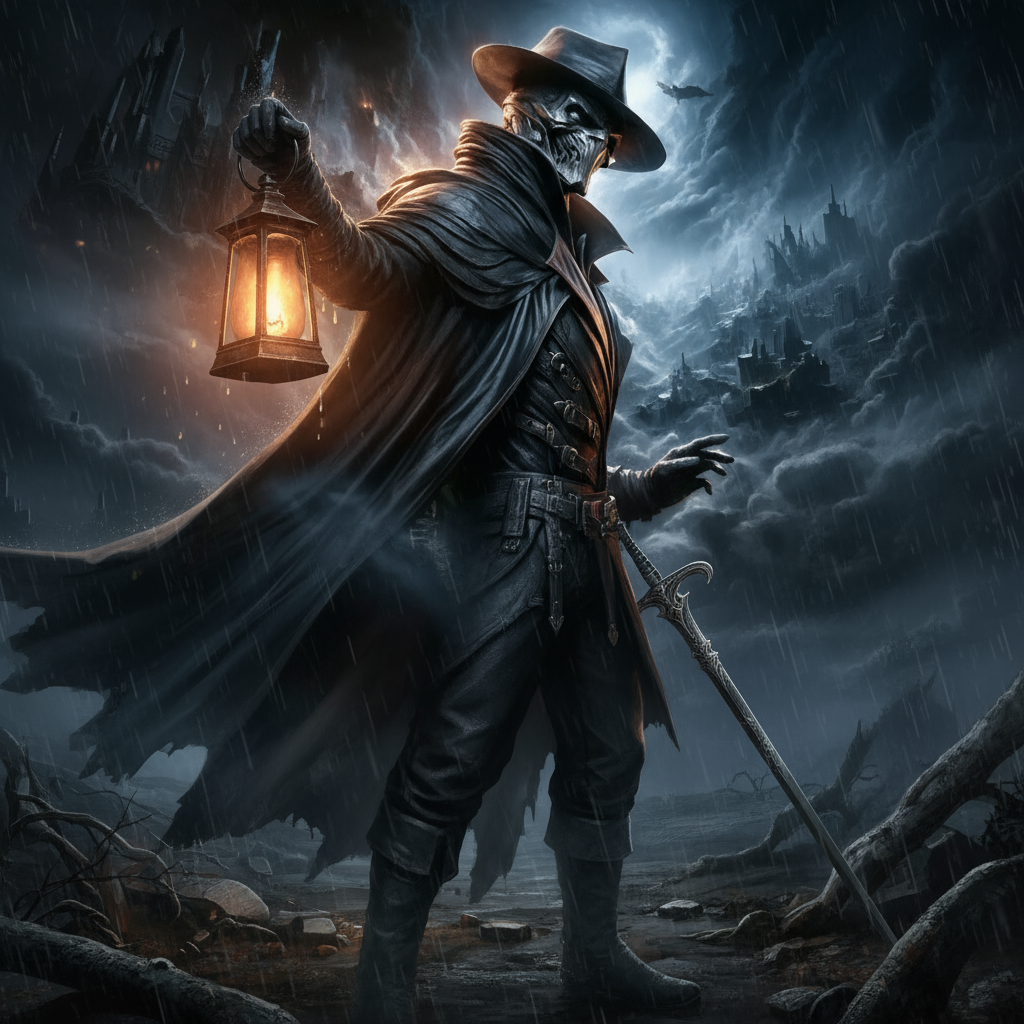
The villain or antagonist serves as the hero's dark mirror, representing what Campbell called "the Shadow." This archetype creates conflict and raises narrative stakes. The most effective villains possess psychological complexity—they believe themselves justified, making them far more compelling than cartoonish evil.
Villain names work through dissonance rather than obvious menace. Hannibal, Voldemort, and Moriarty became terrifying through their actions, not through names that announced evil. The tension between a civilized-sounding name and cruel behavior creates a psychological impact that pure darkness cannot achieve.
The Mentor
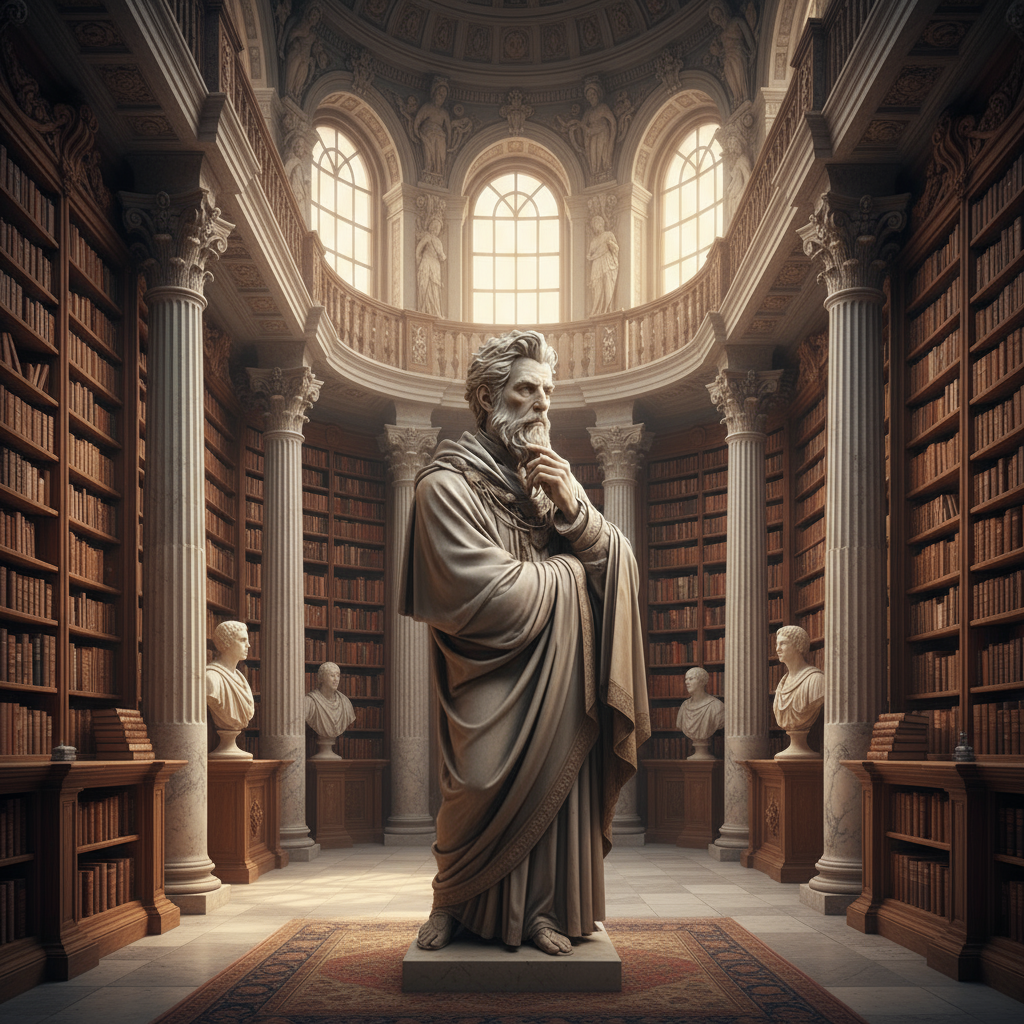
The mentor archetype provides wisdom, training, and guidance—then typically departs so the hero must face their ultimate test alone. Gandalf, Obi-Wan Kenobi, and Dumbledore exemplify this pattern. Their names carry ancient weight, syllables that sound like they belong to someone whose legend existed long before the story began.
The Ally
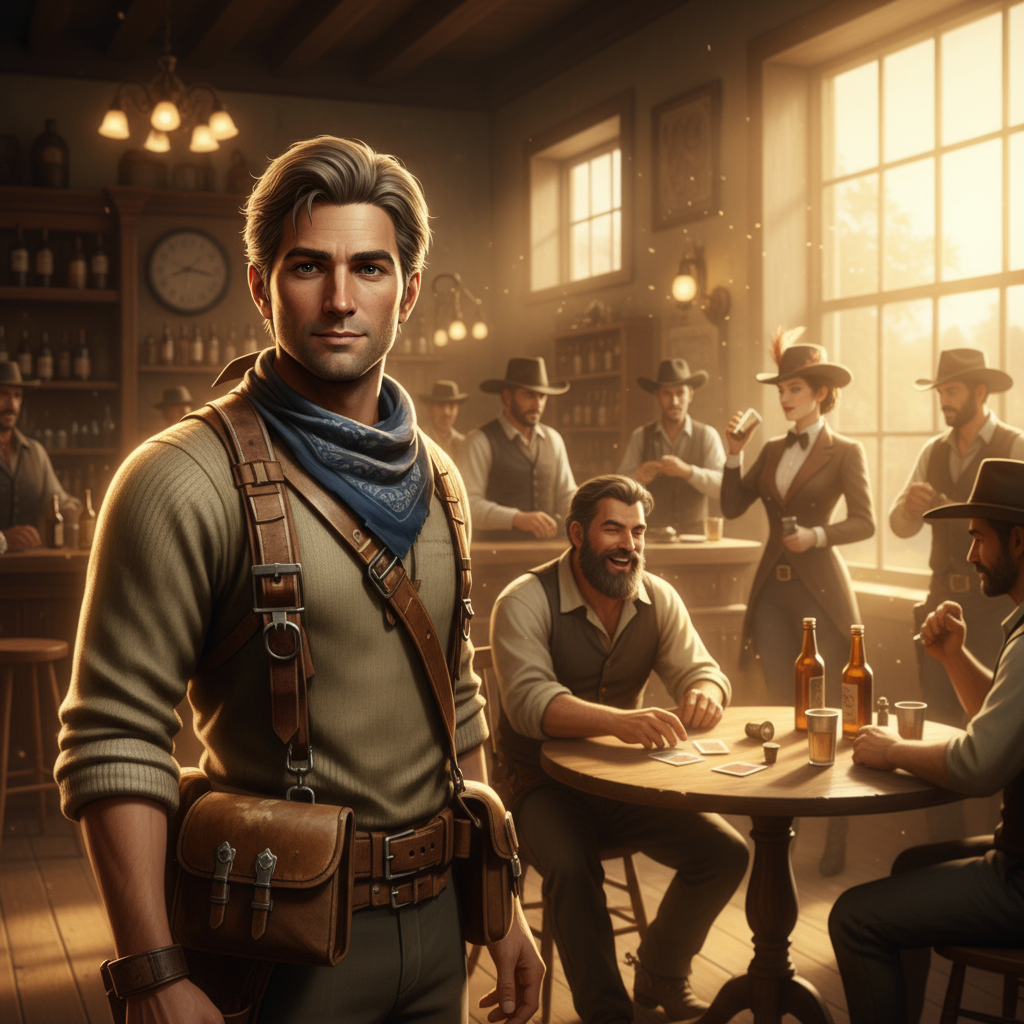
Allies anchor protagonists to emotional reality. Samwise Gamgee, Ron Weasley, and Chewbacca provide companionship, support, and often comic relief. Their names must suggest reliability without overshadowing the hero—a subtle balance that many creators overlook.
How Our Archetype Name Generator Uses Etymology and Cultural Roots
An effective archetype name generator doesn't randomly combine letters. It draws from linguistic patterns spanning Greek, Japanese, Celtic, Latin, Norse, Germanic, and other cultural traditions, each carrying distinct psychological associations.
When you generate a name, you receive not just the name itself but its meaning and etymology. A Greek-origin name like "Alexander" (meaning "defender of the people") carries different connotations than a Japanese name like "Hiroshi" (meaning "generous"). Understanding these roots helps you choose deliberately based on your world-building needs.
The Science Behind Sound
Research on the bouba/kiki effect, first explored by Wolfgang Köhler in 1929, demonstrates that certain sounds create universal associations. Sharp sounds like "k," "t," and "d" evoke pointed, angular concepts—strength, determination, aggression. Softer sounds like "m," "l," and "s" suggest rounded, fluid qualities—mystery, elegance, cunning.
This isn't arbitrary. Names containing hard consonants feel powerful. Villains with harsh phonetics—Kylo, Thanos, Maleficent—use this principle effectively. Heroes often balance strength with approachability through mixed phonetic patterns.
Processing fluency also matters. According to research published by cognitive scientists, names that are easier to pronounce are perceived more positively. A 2012 study found that people rate individuals with pronounceable names as more likable than those with difficult-to-pronounce names. For fictional characters, this means readers form emotional connections more easily when names feel natural in their mouths.
Cultural Influences: Exploring Greek, Japanese, Celtic, Latin, and Norse Origins
Different cultural naming traditions carry specific associations that enhance character archetypes when applied thoughtfully.
Greek Naming Traditions
Ancient Greek names often combined meaningful elements. The root "philos" (φίλος) means "lover" or "friend," appearing in names like Philip (lover of horses). "Andros" (ἀνδρός) means "of a man," found in Alexander and Andrea. "Sophia" (σοφία) means "wisdom."
Greek names work beautifully for mentor characters—philosophers, strategists, and wise rulers. Names like "Nikias" (victory), "Dorothea" (gift of god), or "Theron" (hunter) carry gravitas suitable for characters whose knowledge shapes events.
Japanese Naming Conventions
Japanese names traditionally reflect desired traits or circumstances of birth. Common elements include "-hiro" (寛, expansiveness), "-ko" (子, child—traditionally feminine), and "-ya" (也, to be). Male names often end in "-ro," "-o," or "-shi," while female names frequently end in "-ko," "-mi," or "-e."
These patterns suit heroes on journeys of honor and self-discovery. A name like "Takeshi" (warrior) or "Akira" (bright, clear) signals determination without melodrama. Japanese-inspired names also work exceptionally well for ally characters, as cultural associations emphasize loyalty and group harmony.
Celtic and Norse Traditions
Celtic names often reference nature and landscape. "Bryn" means hill, "Wen" means fair or blessed, and the prefix "Mac-" or "Mc-" indicates "son of." These earthy roots ground supernatural deeds in tangible reality.
Norse names embedded destiny into syllables. Elements like "-bjorn" (bear), "-vald" (power, rule), and "-thor" (thunder, after the god) appear frequently. Names referencing Thor—like "Torin" or "Thorsten"—suggest divine strength. According to the National Museum of Denmark, Viking-era names deliberately invoked gods or natural forces to bestow protection and prowess.
For fantasy settings requiring warriors, berserkers, or frost mages, Norse and Celtic traditions provide authentic phonetic weight without sounding overwrought.
Latin Foundations
Latin names often indicate nobility, authority, and imperial power. Many carry meanings related to virtue: "Felix" (lucky, happy), "Victor" (conqueror), "Clara" (bright, clear), "Constance" (steadfast). The structured, formal sound of Latin-derived names suits rulers, paladins, and characters embodying moral codes.
Roman naming conventions included the praenomen (personal name), nomen (family name), and cognomen (nickname). This tripartite structure can add depth—a villain named "Marcus Aurelius Corvus" carries more psychological complexity than "Darklord Shadowbane."
Crafting the Hero: Tips for Pronounceable and Memorable Names
Hero names face unique pressures. They must sustain audience interest across entire narratives while remaining accessible enough for readers to say aloud comfortably. After generating thousands of character names for tabletop RPG campaigns and creative writing projects, several principles consistently produce effective results.
Start With Potential, Not Power
The hero's name should accommodate transformation. "Luke Skywalker" didn't sound particularly heroic in 1977—it sounded like a farm boy, which was precisely the point. The journey elevated the name. Consider names with humble linguistic roots that allow your protagonist to grow into greatness rather than arriving fully formed.
Balance Familiarity and Distinction
Completely common names disappear in memory. Entirely exotic names create pronunciation barriers that break immersion. The sweet spot lies between recognizable phonetic patterns combined in unexpected ways. "Katniss" uses familiar sounds but in a novel arrangement that sticks in memory.
Test Aloud
Hero names must work in dialogue. Say potential names aloud multiple times. Do they flow naturally? Can you imagine shouting them across a battlefield or whispering them in a tender moment? If you stumble over the syllables repeatedly, readers will too.
Consider Syllable Count
Shorter names (1-2 syllables) feel immediate and accessible: Jon, Luke, Rey. Medium-length names (2-3 syllables) provide more character: Katniss, Aragorn, Elsa. Longer names (3+ syllables) risk feeling formal or distant unless your hero's arc involves embracing authority.
Match Cultural Context
If your world draws from European medieval traditions, Celtic or Germanic roots serve better than Japanese elements. For settings inspired by Eastern mythology, names with Asian linguistic patterns feel authentic. This doesn't mean you can't mix traditions—just do so deliberately with awareness of the cultural associations you're invoking.
The Art of the Villain: Using Dissonance and Mystery Over Clichés
Villain names carry a dangerous temptation: announcing evil too loudly. "Darkblade Shadowdeath" tells readers nothing interesting and eliminates psychological complexity before the character speaks.
Embrace Dissonance
The most chilling villains possess names that could belong to ordinary people—or even heroes under different circumstances. Hannibal Lecter sounds refined, almost aristocratic. Tom Riddle (before becoming Voldemort) was deliberately mundane. This dissonance between the civilized name and monstrous actions creates tension that pure darkness cannot achieve.
Use Linguistic Authority
Latin, Greek, and formal Germanic roots convey authority and intelligence—qualities that make villains genuinely threatening. "Maleficent" works because it's sophisticated linguistic construction (mal- for evil, -ficent for doing) rather than obvious fantasy contrivance. The etymology itself becomes characterization.
Consider Phonetic Weight
While hard consonants suit powerful villains, sibilant sounds (s, z, sh) convey something more cunning and serpentine. "Severus Snape" uses this principle—those repeated "s" sounds create a hissing quality before we know anything about the character's true nature.
Test for Multiple Interpretations
Strong villain names support character complexity. Can the name work for someone who believes themselves righteous? Does it carry tragic nobility that hints at a fall from grace? Names supporting multiple readings create space for the kind of moral ambiguity that makes antagonists memorable.
Avoid Obvious Markers
Skip names built entirely from words meaning "dark," "death," "shadow," or "destruction." These announce villainy so blatantly that they eliminate suspense. If readers immediately recognize your antagonist as evil from their name alone, you've surrendered narrative surprise.
Building Your Supporting Cast: Naming Reliable Allies and Wise Mentors
Secondary characters require different naming strategies than protagonists and antagonists, though their importance shouldn't be underestimated.
Allies: Grounded With Distinctive Touches
Ally names work best when they suggest reliability without stealing focus from the hero. Too mundane, and the character feels forgettable. Too exotic, and attention drifts from the primary narrative thread.
Samwise Gamgee exemplifies this balance—"Sam" is utterly ordinary, but "Gamgee" adds just enough texture to make him memorable. The name signals his function: grounded, loyal, real. For companions and sidekicks, familiar first names paired with slightly unusual surnames often hit the mark.
Consider the relationship dynamic you're building. Best friends need names suggesting warmth—softer consonants, comfortable sounds. Roguish companions who join reluctantly benefit from names carrying an edge. Names that phonetically complement your hero strengthen the sense that these characters belong together.
Mentors: Ancient Weight and Wisdom
Mentor names should feel complete from the introduction, like someone whose legend already existed before the story began. Polysyllabic options work particularly well, creating a rhythm that sounds like incantation or prophecy.
"Dumbledore" succeeds partly because it feels like a word that could appear in medieval manuscripts—archaic, dignified, slightly mysterious. "Gandalf" carries similar weight through its Old Norse roots (gandr = magic + álfr = elf).
When generating mentor names, longer options with three or four syllables suit wizards and sages. Shorter names work for gruff trainers or martial instructors who teach through action rather than philosophy.
Match Function to Etymology
Greek philosopher-inspired names like "Socrates" or "Aristotle" suit intellectual mentors who guide through wisdom. Norse or Celtic roots work for combat instructors teaching martial prowess. Japanese elements fit mentors emphasizing honor, discipline, and spiritual growth.
The etymology displayed by quality name generators helps you choose deliberately based on what specific wisdom your mentor offers and how that knowledge shapes your hero's journey.
Technical Guide: Customizing Name Length, Syllables, and Gender
Modern archetype name generators offer customization options that transform random generation into deliberate creative choice.
Gender Options
Select male, female, or any to receive names matching your character's gender presentation. This affects not just the name itself but often the cultural traditions drawn from—many naming conventions apply gender-specific patterns (Japanese "-ko" endings traditionally for girls, "-hiro" more common for boys).
Name Length
Short names (3-6 letters) feel immediate, casual, and modern. They work well for young heroes, comic relief allies, or villains who hide behind simplicity.
Medium names (7-10 letters) provide the most versatility—formal enough for nobility, casual enough for relatability.
Long names (11+ letters) carry gravitas, suiting mentors, ancient villains, or heroes whose arc involves assuming authority.
Syllable Count
One syllable: Stark, punchy, memorable. "Thor," "Drake," "Rex." Works for characters defined by singular traits.
Two syllables: Balanced and natural. The most common pattern across cultures. "Marcus," "Elena," "Raven."
Three syllables: Adds elegance and complexity. "Cassandra," "Jonathan," "Isabella." Suits characters with depth.
Four or more syllables: Formal, often indicating status or magical nature. "Alexander," "Evangeline," "Maximilian."
Letter Filters
Specifying that names should start with or end with particular letters helps maintain phonetic cohesion across your cast. If your hero is "Kael," consider allies starting with softer consonants like "Mira" or "Loren" to create contrast. If your villain is "Theron," perhaps your mentor begins with a similar "Th-" sound to subtly link wisdom with power.
These filters also help avoid accidental awkwardness. Generating multiple characters whose names all start with the same letter can confuse readers unless done deliberately for family members or regional conventions.
Transforming Concepts into Icons: How the Right Name Enhances Storytelling
Names don't just identify characters—they shape audience perception before any action or dialogue occurs.
First Impressions Matter
Studies on processing fluency demonstrate that easily-processed information receives more positive evaluation. When readers encounter a character name, they form instant impressions based on phonetic patterns, cultural associations, and memorability. A name requiring three attempts to mentally pronounce creates friction that affects emotional connection.
This doesn't mean all names should be simple—complexity serves specific purposes. A difficult villain name can intentionally create distance and otherness. But understand the effect you're creating and use it deliberately.
Names Carry Thematic Weight
The etymology and cultural roots of names reinforce your story's themes. A hero bearing a Greek name meaning "defender" primes audiences to expect protective behavior. A villain with Latin roots suggesting "conquest" telegraphs imperial ambition.
Quality generators display these meanings explicitly, allowing you to choose names that subtly support your narrative rather than work against it.
Pronunciation Guides Genre Expectations
Fantasy names with apostrophes, unusual letter combinations, and multiple syllables signal epic scope. Contemporary urban fantasy benefits from familiar names with slight twists. Historical fiction demands period-appropriate options drawn from accurate cultural sources.
By selecting generators that specify etymology and offer cultural filtering, you ensure your names match your genre's expectations while still offering creative distinction.
Names Create Cohesive Worlds
When all your characters' names draw from consistent linguistic traditions, it signals a coherent world. A fantasy kingdom where every noble has Celtic roots while peasants bear Germanic names tells readers something about history and power structures before you write a word of exposition.
Conversely, deliberately mixing naming conventions can showcase cultural diversity, immigration patterns, or fantasy races with distinct traditions. The key is intentionality—make deliberate choices rather than generating random options without considering how they function together.
Start Your Creative Journey: Generate Names That Resonate
Character naming represents one of those creative decisions that seems minor until you realize how profoundly it shapes everything that follows. The wrong name creates friction—readers stumble over pronunciation, archetypes feel mismatched, and emotional connections fail to form. The right name feels inevitable, like the character couldn't possibly be called anything else.
Archetype name generators transform this challenge into an opportunity. By drawing from mythology, folklore, and centuries of storytelling tradition across Greek, Japanese, Celtic, Latin, Norse, and Germanic cultures, these tools deliver options that carry psychological weight. Each generated name displays its meaning and etymology, helping you understand exactly what cultural associations and phonetic qualities shape audience perception.
Whether you need a hero whose name suggests potential for growth, a villain whose dissonance creates psychological tension, an ally radiating reliability, or a mentor carrying ancient wisdom—the right name is waiting. Customize by gender preference, syllable count, name length, and starting or ending letters to find options that serve your specific creative vision.
Generate five names. Examine their meanings. Say them aloud. Consider how each option reinforces or undermines your character's narrative function. Then choose deliberately, knowing you've tapped into universal patterns that have resonated across human storytelling for thousands of years.
Your characters deserve names that feel as inevitable as their destinies.