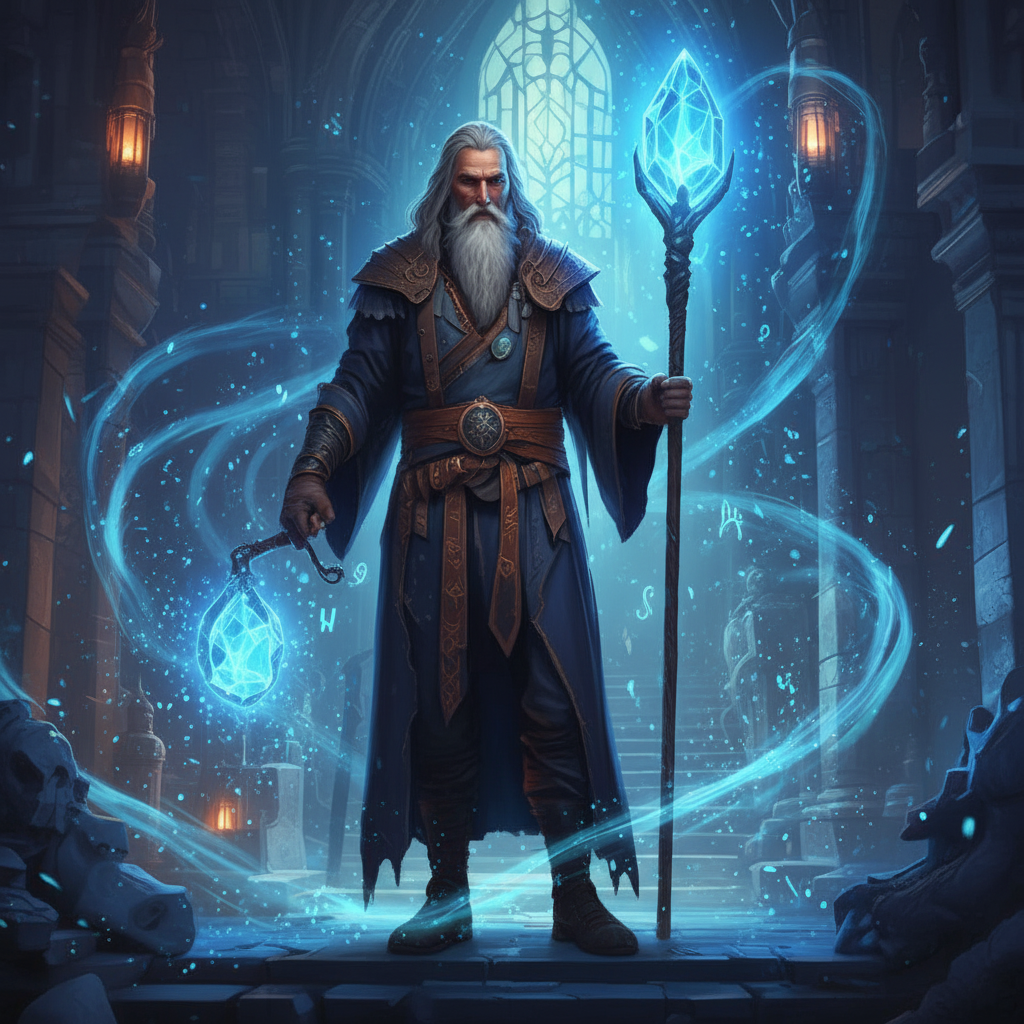
Warlock Name Generator
Forge dark pacts with our warlock name generator! Summon eldritch names perfect for DnD 5e patrons, Pathfinder occultists, or Lovecraftian campaigns.
Gender Preference
Generating magical names...
Forge Your Dark Fantasy Identity
Choosing a name for your warlock isn't just about picking something that sounds mystical—it's about capturing the essence of a character bound by otherworldly pacts and arcane secrets. A powerful warlock name can instantly communicate forbidden knowledge, ancient power, and the dangerous bargains that define these spellcasters. Whether you're crafting a demon-bound sorcerer for your next D&D campaign, building a cosmic horror protagonist for your novel, or simply exploring the darker corners of fantasy naming, understanding how to generate and select the perfect warlock name transforms your character from concept to compelling reality.
Warlocks occupy a unique space in fantasy storytelling. Unlike wizards who study dusty tomes or sorcerers born with innate magic, warlocks gain their abilities through pacts with powerful beings—fiends, fey lords, Great Old Ones, or other entities beyond mortal comprehension. This origin story shapes not only their abilities but also their identity, making the naming process particularly significant.
How to Use a Warlock Name Generator
Modern warlock name generators offer sophisticated options that go far beyond random syllable combinations. Understanding how to leverage these tools helps you create names that resonate with your character's backstory and the world they inhabit.
Basic Generation Options
Most warlock name generators start with fundamental choices that shape the overall aesthetic of your results:
Gender Preferences: Select male, female, non-binary, or any gender to receive names that align with your character concept. This option recognizes that fantasy naming conventions often carry gendered patterns, though many generators also offer gender-neutral alternatives that work across the spectrum.
Style and Tone: Choose between dark and ominous names perfect for villainous warlocks, elegant and sophisticated options for noble pact-makers, or mysterious and ambiguous names that keep observers guessing about your character's true nature.
Cultural Influences: Some generators allow you to specify whether you want names inspired by specific mythologies—Norse, Greek, Celtic, or entirely original fantasy constructions that blend multiple traditions.
Advanced Filtering Features
For players seeking precise control over their character's nomenclature, advanced filtering unlocks powerful customization:
Name Length Control: Filter results by short (1-2 syllables), medium (3-4 syllables), or long names (5+ syllables). Short names like "Vex" or "Hex" carry punchy, memorable impact, while longer constructions such as "Malachronos the Veilbreaker" establish gravitas and epic scope.
Syllable Specification: Request names with exact syllable counts to match your phonetic preferences. Two-syllable names often feel sharp and decisive ("Ravyn," "Theron"), while three-syllable names achieve a balanced, flowing quality ("Morgana," "Azaroth").
Prefix and Suffix Options: Customize the beginning or ending of generated names to incorporate specific sounds or meanings. Popular warlock prefixes include "Mal-" (suggesting evil or wrongness), "Nyx-" (evoking night and shadow), or "Zel-" (creating an otherworldly quality). Common suffixes include "-eth," "-on," "-ara," and "-ix," each contributing a distinct flavor.
Elemental or Thematic Associations: Filter names based on elemental themes (fire, shadow, frost, void) or conceptual associations (death, dreams, chaos, time) to ensure alignment with your warlock's patron and abilities.
Name Meanings and Etymology: Brother Silas Thorne and Priestess Seraphina Croft
The most memorable warlock names carry layers of meaning that reward deeper examination. Consider two archetypal examples that demonstrate how titles, given names, and surnames combine to create rich character identities.
Brother Silas Thorne
Title: "Brother" immediately establishes religious or cult-like associations, suggesting this warlock may belong to an order of dark practitioners or present a facade of piety while concealing forbidden practices.
Given Name: Silas derives from Latin "Silvanus," meaning "of the forest" or "wild." This connection to untamed nature creates tension with the structured "Brother" title, hinting at someone who channels primal forces through ritualistic frameworks.
Surname: Thorne evokes the protective yet painful barriers of thorned plants—beauty wrapped in danger. The name suggests someone who guards secrets, whose very presence warns others to keep their distance. Thorns also carry biblical symbolism of curse and suffering, deepening the name's dark religious undertones.
The full construction "Brother Silas Thorne" paints a picture of a warlock who operates within or alongside religious structures, perhaps corrupting sacred rites or maintaining the appearance of holiness while conducting shadow pacts. The name feels grounded and believable while carrying unmistakable supernatural weight.
Priestess Seraphina Croft
Title: "Priestess" elevates spiritual authority while maintaining gender specificity, suggesting formal standing within a magical or religious hierarchy.
Given Name: Seraphina relates to "seraphim," the highest order of angels in celestial hierarchies. This creates a fascinating contrast for a warlock—is this character a fallen servant of light now bound to darker powers, or does she serve a celestial patron with her own mysterious agenda?
Surname: Croft traditionally indicates a small farming enclosure or dwelling, grounding the ethereal "Seraphina" with earthy, humble origins. This juxtaposition suggests transformation—from simple beginnings to wielding supernatural authority.
"Priestess Seraphina Croft" works beautifully for a warlock whose pact elevates her beyond mortal station, or one who deliberately maintains a connection to humble roots despite cosmic power. The angelic given name paired with the common surname creates complexity and raises questions about the character's journey and motivations.
The Role of Titles in Warlock Lore
Titles add dimension and context to warlock names, transforming simple identifiers into declarations of power, allegiance, and purpose. In many fantasy settings, warlocks earn or adopt titles that reflect their patrons, accomplishments, or the nature of their dark bargains.
Religious and Cult Titles
Deacon: Traditionally, a church office ranking below a priest, "Deacon," creates ironic tension when applied to warlocks who corrupt sacred hierarchies. Deacon Malachar suggests someone who perverts religious ceremony for occult ends, or maintains dual roles serving both celestial and infernal masters.
Father/Mother: These parental titles establish authority and suggest followers or students. Mother Morgrave or Father Hexbane implies a warlock who leads a coven, cult, or school of dark practitioners, passing forbidden knowledge to new generations.
Sister/Brother: As demonstrated with Brother Silas Thorne, these titles indicate membership in an order or fellowship. Sister Nightshade or Brother Voidcaller suggests warlocks who operate collectively rather than as solitary practitioners, bound by shared oaths or common patrons.
Priestess/Priest: The most elevated religious titles, these appellations claim legitimate spiritual authority. Priestess Nyxara or Priest Doomveil presents warlocks who serve their patrons with ritualistic devotion, treating pact-magic as a sacred duty rather than a mere transaction.
Earned and Descriptive Titles
Beyond formal religious designations, warlocks often acquire titles that describe their powers, achievements, or the fear they inspire:
The [Descriptor]: Simple but effective patterns like "Morgana the Cursed," "Azrael the Whispered," or "Thalindra the Veilwalker" attach memorable qualities directly to the name.
[Name]bane/[Name]bringer: Constructions like "Soulbane" or "Doomsinger" immediately communicate the warlock's signature threats or abilities.
Titles of Cosmic Alignment: "Herald of the Void," "Speaker for the Old Ones," or "Champion of the Shadowfell" explicitly connect the warlock to their otherworldly patron, making their allegiance clear.
Tips for Choosing the Perfect Warlock Name
Creating a warlock name that resonates requires balancing multiple considerations—sound, meaning, setting appropriateness, and personal connection.
Align with Character Background
Your warlock's origins should inform their name. A noble who made a desperate pact to save their family might retain an aristocratic surname like "Valorian" or "Ashford" paired with a corrupted given name reflecting their transformation. Conversely, a street urchin who clawed their way to power through demon-binding might adopt an entirely self-chosen name like "Razorwit" or "Hex" that announces their dangerous new identity.
Consider Patron Influence
The entity granting your warlock power often leaves marks—metaphorical or literal—on their identity:
Fiend Patrons: Names with harsh consonants, sulfurous associations, or infernal etymology suit demon-bound warlocks. Think Malphas, Vassago, or Bael for direct demonic naming, or constructions like "Infernus Ashbrand" for mortal names reflecting hellish influence.
Archfey Patrons: Warlocks pledged to powerful fey often carry names with lyrical, nature-tinged qualities—Elowyn, Thalindra, or Faerune—that hint at Feywild connections while maintaining dark undertones.
Great Old One Patrons: Those bound to cosmic horrors benefit from names that feel slightly wrong or alien. Unusual letter combinations, unexpected syllables, or meanings that don't quite track in common languages reflect minds touched by incomprehensible entities: Xal'atath, Ny'alotha, or Y'shaarj.
Celestial Patrons: Even light-aligned patrons produce complex warlock identities. Names might combine angelic elements with shadow associations—Seraphiel Duskbringer or Cassiel Twilight—reflecting the tension between celestial power and the mortal wielding it.
Balance Memorability with Plausibility
The most effective warlock names strike a balance between being distinctive enough to remember and believable enough not to break immersion. "Xxarthulthulxx the Unpronounceable" might seem impressively alien, but if your fellow players can't say it, the name fails its primary function. Similarly, "Dave the Warlock" technically works but lacks the atmospheric weight the character concept deserves.
Test your chosen name by saying it aloud several times. Does it flow naturally? Can you imagine other characters using it in dialogue? Does it feel at home in your campaign setting?
Elemental and Alignment Themes
Many warlocks develop specializations or alignments that deserve reflection in their names:
Shadow and Void: Incorporate darkness-related elements like Umbra, Nyx, Shade, Obsidian, or Tenebris for warlocks who manipulate shadows and negative energy.
Fire and Destruction: Warlocks wielding infernal flames or destructive magic suit names incorporating Ash, Ember, Pyre, Cinder, or Scorch.
Frost and Death: Those who channel necromantic cold or death magic benefit from frigid references—Glaciel, Rime, Frost, or Winter paired with death associations like Grave, Mort, or Bone.
Time and Fate: Warlocks who manipulate destiny or temporal magic might reference Chrono, Fate, Aeon, or Destiny in their nomenclature.
Don't Overlook Simplicity
Sometimes the most powerful names are deceptively simple. Single-word names like Raven, Thorn, Hex, Void, or Dusk carry immediate atmospheric weight without overwhelming complexity. These work particularly well for warlocks who prefer mystery and understatement to grandiose declarations.
Frequently Asked Questions
What makes a good warlock name different from other spellcaster names?
Warlock names typically emphasize the source of their power—the pact and patron—rather than scholarly achievement or innate ability. They often carry darker, more ominous tones than wizard names, and frequently reference binding, bargains, shadows, or specific otherworldly entities. The best warlock names hint at transformation, suggesting the character was changed by their pact.
Should my warlock's name change after making their pact?
Many players choose this approach to dramatize their character's transformation. Your warlock might have started life as a simple "Thomas Reed" but adopted "Theron Shadowpact" after binding themselves to a dark entity. This dual naming creates rich roleplay opportunities as NPCs from your character's past use the old name while new acquaintances only know the transformed identity.
Can I use real-world mythology names for my warlock?
Absolutely. Names like Morgana, Merlin, Circe, or Hecate carry instant recognition and established associations with magic and mystery. Just ensure these fit your campaign's tone and setting. Some tables prefer entirely original fantasy names, while others embrace familiar mythological references.
How do I create a warlock name that sounds appropriately evil without being ridiculous?
Focus on subtle menace rather than obvious darkness. "Shadowdeathskull the Murderfiend" crosses into parody, but "Mortimer Grayle" sounds refined while carrying understated threat. Use sophisticated vocabulary, classical language roots, and indirect references to darkness rather than piling on obviously sinister terms.
Should warlock names reflect their race or culture in D&D?
Generally, yes, especially if you're playing in established settings like the Forgotten Realms. An elven warlock might have a name like "Thalindra Starweaver" that follows elven naming conventions while adding dark elements, while an orc warlock could be "Grukthaz the Demonbound," adapting orcish naming patterns to their pact-bound nature.
Can funny or ironic warlock names work?
In the right campaign, absolutely. A warlock named "Sunshine McBrightside," who channels dark powers, creates an interesting contrast. Just ensure your table's tone accommodates this approach—serious, grimdark campaigns might not appreciate the tonal dissonance.
Forge Your Legacy
The name you choose for your warlock becomes more than a label on a character sheet—it's the first spell you cast in every interaction, the incantation that summons your character to life in others' imaginations. Whether you select something elaborate like "Archmagister Malachronos the Veilbreaker" or elegantly simple like "Ash," that name carries the weight of every pact, every bargain, every whispered deal made in darkness.
Take time to explore different combinations using a warlock name generator, but don't settle for the first result. Mix and match elements, add meaningful titles, and consider your character's journey from mortal to pact-bound spellcaster. The perfect name often emerges when you least expect it—that moment when sound, meaning, and character concept align in dark harmony.
Your warlock's name is their introduction to the world, their declaration of power, their warning to those who would oppose them. Choose wisely, speak it with confidence, and let that name echo through the shadows of your adventures.
Ready to discover your perfect warlock identity? Use the generator above to conjure names worthy of your darkest ambitions.