Rogue Name Generator
Lurk in shadows with our rogue name generator! Create stealthy thief names ideal for DnD 5e assassins, Pathfinder scouts, or heist campaigns.
Gender Preference
Generating magical names...
Craft the Perfect Identity for Your Stealthy Character
Every shadow holds a secret, and every secret begins with a name. Rogues occupy a unique space in tabletop roleplaying—they're the characters who operate in grey moral territory, whose reputations precede them through whispered rumors rather than shouted proclamations. Whether you're building a cunning pickpocket for your next Dungeons & Dragons 5e campaign or designing a silver-tongued scoundrel for Pathfinder, the name you choose becomes your character's calling card before they ever draw a blade or pick a lock.
A well-crafted rogue name does more than identify your character. It establishes tone, hints at backstory, and creates instant intrigue at the gaming table. The difference between "John the Thief" and "Whisper" isn't just aesthetics—it's the foundation for how other players perceive your character and how you embody their motivations during gameplay.
This guide explores the art and psychology of rogue naming, walks you through different archetypes and their naming conventions, and provides practical strategies for using a rogue name generator to create memorable identities that enhance your roleplaying experience.
The Psychology Behind Rogue Names
Names carry power, especially for characters who live in the margins of society. Research into sound symbolism—particularly the bouba/kiki effect—reveals that humans instinctively associate certain sounds with specific qualities. Sharp consonants like 'k,' 't,' and 's' evoke quickness and precision, while softer sounds like 'sh,' 'v,' and 'l' suggest stealth and fluidity.
This isn't mere linguistic trivia. When you introduce your rogue as "Kade Shadowstrike," the hard consonants signal danger and decisiveness. By contrast, "Sylvaine Whisperwind" uses sibilant sounds that mimic the very act of sneaking. These phonetic choices work on a subconscious level, immediately communicating your character's nature to everyone at the table.
Names also function as reputation markers. A rogue called "The Raven" carries different implications than one known as "Fingers McGee." The former suggests ominous mystery and calculated planning, while the latter implies street-level cunning with a dash of humor. Consider what your character wants others to believe about them versus what they actually are—this gap creates compelling narrative tension.
Cultural context matters too. Elven rogues might favor melodic, flowing names that contrast with their shadowy profession. Dwarven thieves could carry clan names they've dishonored, adding weight to every introduction. Half-orc infiltrators might use deliberately understated names to subvert expectations about their capabilities.
Rogue Archetypes and Naming Conventions
Different types of rogues call for different naming approaches. Understanding these archetypes helps you align mechanics with narrative identity.
The Stealthy Assassin
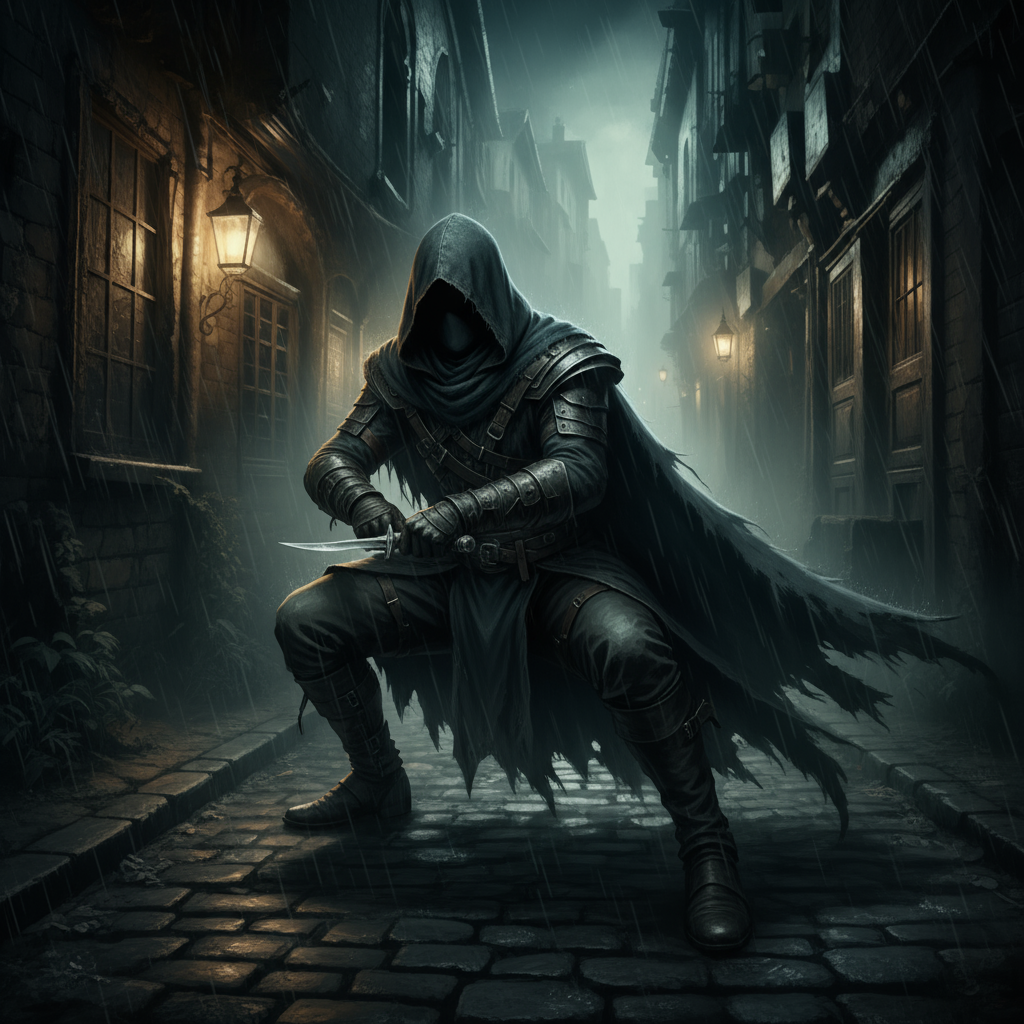
Assassins trade in silence and finality. Their names often reference darkness, weapons, or predatory animals: Shade, Nightblade, Viper, Phantom. Single-word monikers work particularly well here, creating an air of deadly professionalism. These characters rarely use their birth names—the identity becomes the brand.
In D&D 5e, the Assassin subclass excels at striking from hiding. Names for these rogues should evoke precision and lethality. "Morrigan Duskmere" suggests twilight hunting grounds, while "Talon" communicates swift, piercing strikes without explanation.
The Charismatic Swashbuckler
Swashbucklers fight with flair and style, turning combat into performance. Their names should roll off the tongue with panache: Dorian Quickblade, Scarlett Ravencrest, and Rafael the Dashing. These rogues want to be remembered, so their names often include titles or descriptors that broadcast confidence.
The Swashbuckler archetype in 5e gains bonuses when dueling single opponents, making them natural duelists and showboats. Names here can be more elaborate, even flamboyant—think "Cassius Silverquill" or "Isabella la Sombra."
The Cunning Mastermind
Masterminds operate through information, manipulation, and contingency plans. Their names often sound intellectual or aristocratic: Cornelius Ashworth, Lysandra Vale, Silas Moonweaver. These characters might use multiple aliases, each tailored to different social circles.
In Pathfinder 2e, the Mastermind racket allows rogues to use Recall Knowledge to make enemies flat-footed. Names for these characters should suggest intelligence and sophistication—"Professor Grimwald" or "Lady Evangeline Frost" immediately communicate authority and cunning.
The Street Urchin Survivor
Urchins and street thieves earn their names through reputation and circumstance. These tend to be nicknames based on physical traits, habits, or memorable incidents: Scraps, Patches, Nimble, Ratcatcher. The informality signals their underdog status while hinting at resourcefulness.
Characters with the Urchin or Criminal background in D&D 5e benefit from names that feel lived-in and earned. "Pepper" (always getting into scrapes), "Six-Fingers" (self-explanatory), or "Lucky" (survived against the odds) tell micro-stories in a single word.
The Eldritch Trickster
Rogues who dabble in magic blur the line between arcane caster and cunning operative. Their names might reference illusion, enchantment, or mysterious phenomena: Mirage, Enigma, Shadowspell, Vex. These names acknowledge their supernatural edge while maintaining a roguish mystique.
The Arcane Trickster subclass in 5e and the Eldritch Trickster racket in Pathfinder 2e both blend magic with stealth. Names like "Theron Voidwalker" or "Nyx Shadowmend" hint at arcane knowledge without fully explaining it.
The Ruffian Enforcer
Not all rogues are subtle. Some use intimidation, brute force, and street-fighting prowess. Their names tend to be blunt and physical: Knuckles, Crusher, Brick, Iron Jack. These monikers advertise capability rather than conceal it.
Pathfinder 2e's Ruffian racket allows rogues to use simple weapons and medium armor, creating a bruiser-thief hybrid. Names here should sound tough—"Garrick the Bull" or "Stone" communicate physical presence and willingness to fight.
How to Use a Rogue Name Generator Effectively
A rogue name generator serves as a creative catalyst, not a replacement for imagination. Here's how to extract maximum value from this tool for your D&D 5e or Pathfinder campaign.
Start with character fundamentals. Before generating names, establish your rogue's race, background, and archetype. An elven Assassin needs different naming conventions than a halfling Scoundrel. Input these parameters if your generator offers filtering options, or use them to evaluate generated results.
Generate in batches. Create 20-30 names in one session. This volume gives you variety while preventing decision paralysis. Write down anything that catches your attention, even if it's not immediately perfect.
Mix and match components. Take the first name from one generation and the surname from another. "Kieran" paired with "Shadowmere" becomes "Kieran Shadowmere." Alternatively, use a generated surname as a first name or vice versa. "Ravencroft" works brilliantly as a moniker: "They call me Ravencroft."
Consider modifications. Generated names serve as starting points. "Shadowblade" might become "Shade" or "Shadow." "Nightwhisper" could be shortened to "Whisper." These adjustments personalize the result while maintaining the generator's initial inspiration.
Test pronunciation. Say potential names aloud. Rogues operate in social situations, so your character's name should flow naturally during dialogue. If you stumble over "Xythronyx" every time, consider simpler alternatives.
Research cultural naming patterns. If your rogue hails from a specific fantasy culture, verify that the generated name fits those conventions. Dwarven names often feature harsh consonants and reference stone or metal. Elvish names typically include flowing syllables and natural imagery.
Layer on nicknames and aliases. Your character's birth name, working alias, and street reputation might all differ. Generate multiple names and assign them to different aspects of identity. "Elara Moonwhisper" uses "Shadow" for guild work and was born "Elena Greycloak."
Curated Rogue Name Examples by Category
By Race
Human Rogues: Adaptable and culturally diverse
- Marcus Ashford (merchant spy)
- Selene Blackwater (assassin)
- Finn Lockwood (burglar)
- Aria Thornheart (charlatan)
Elven Rogues: Graceful and mysterious
- Thalion Silverleaf (forest scout)
- Lirael Moonshadow (arcane trickster)
- Caelith Nightwhisper (noble infiltrator)
- Sylvaris Starweaver (treasure hunter)
Dwarven Rogues: Tough and pragmatic
- Durgan Ironfoot (enforcer)
- Brimley Coalfingers (safecracker)
- Thora Gemcutter (fence)
- Kragnir Steelheart (former soldier turned thief)
Halfling Rogues: Nimble and opportunistic
- Pippin Lightfoot (pickpocket)
- Rosie Quickfingers (con artist)
- Merrick Tumbledown (acrobat)
- Daisy Thornbury (smuggler)
Half-Orc Rogues: Intimidating yet cunning
- Gruk Shadowtusk (ruffian)
- Mara Ironjaw (bounty hunter)
- Thrak Steelknuckle (street fighter)
- Kora Blackblade (mercenary)
By Alignment and Motivation
Chaotic Good (Robin Hood types)
- Sterling Justiceblade
- Hope Shadowgift
- Valor Redcloak
- Liberty Swifthand
True Neutral (Pragmatic survivors)
- Ash Nowhere
- Slate Greycoin
- Silas Evenhand
- Maven Coldwater
Lawful Evil (Guild operatives)
- Malachi Viperstrike
- Cassandra Bloodworth
- Draven Darkwater
- Seraphina Nightshade
Chaotic Neutral (Wild cards)
- Jinx Whisperwind
- Chaos Shadowdance
- Rebel Darkstar
- Vex Madcap
By Guild and Specialization
Thieves' Guild Members
- Cipher Lockhart (master locksmith)
- Echo Shadowstep (infiltration expert)
- Rook Blackmarket (fence)
- Sable Nightkey (guildmaster)
Assassins' Guild Members
- Requiem Silentblade (contract killer)
- Phantom Duskfall (poison specialist)
- Reaper Coldstrike (executioner)
- Widow Thornheart (femme fatale)
Spy Network Operatives
- Codex Ashenveil (information broker)
- Mirage Fairmask (master of disguise)
- Whisper Cryptsong (royal spy)
- Oracle Truthseeker (interrogator)
Independent Operators
- Maverick Freewind (treasure hunter)
- Renegade Starfall (folk hero)
- Vagabond Dustroad (wandering thief)
- Outlaw Silverthorne (wanted criminal)
Blending Mechanics with Narrative
High dexterity scores and sneaky abilities only tell half the story. The most memorable rogues emerge when mechanical choices align with narrative elements.
Match stats to story. A Dexterity 18, Charisma 14 rogue naturally gravitates toward social manipulation alongside physical infiltration. Name them something that suggests both capabilities—"Lysander Silvertongue" or "Vivienne Shadowcharm."
Incorporate background features. The Criminal background grants you contacts in the underworld. Reflect this in your name by including guild affiliations or street credentials. "Garrett of the Raven's Guild" or "Mara Copperstreet" immediately establishes your character's network.
Honor your skill proficiencies. If you've invested in Performance and Deception, your rogue might be a con artist who uses stage personas. "Dorian Manyfaced" or "Colette the Chameleon" broadcast this specialty. Investigation and Perception emphasis? Try "Sherlock Keeneye" or "Vera Truthseeker."
Reference your equipment. Signature weapons and tools can inspire name elements. A rogue who favors poisoned daggers might become "Venom." Someone known for their masterwork thieves' tools could be "Lockjaw" or "Tumblerscry."
Consider your rogue's secret. Every rogue harbors hidden truths—disgraced nobility, reformed assassin, double agent. Let the name hint at this duality without revealing everything. "Sebastian Ashworth" sounds noble, hinting at aristocratic origins your party might eventually discover.
Tips for Maximum Roleplaying Impact
Earn reputation through gameplay. Your character might start as "Elias Grey," but after pulling off an impossible heist, the criminal underworld might call them "The Phantom of Goldspire." Let achievements reshape identity organically.
Use different names in different contexts. When meeting nobles, introduce yourself formally. In the thieves' quarter, use your street name. This creates layered characterization and gives you material for revealing dramatic moments.
Build name-based hooks. If your rogue is called "The Raven," plant hints about why. Did they leave a black feather at crime scenes? Do they wear raven-motif armor? Turn the name into storytelling fuel.
Practice your introduction. How does your character say their own name? Confidently? Mysteriously? With a wink? The delivery matters as much as the words themselves.
Create naming traditions. Maybe your character invents new aliases for each job. Perhaps they collect names of fallen allies and work them into their own title as tribute. These habits add depth and memorable moments.
Frequently Asked Questions
How do I choose between a real name and an alias for my rogue?
Consider your character's background and goals. Rogues with criminal pasts or active Guild affiliations typically operate under aliases to avoid legal consequences and protect their identity. If your rogue is a former noble gone outlaw, they might use both—their birth name in past-life flashbacks and their working alias in current gameplay. For straightforward adventuring rogues without a criminal record, a real name works fine. Many players use both: a birth name for emotional scenes and an alias for professional work.
Should my rogue's name match their race's naming conventions?
Generally, yes, but exceptions create interesting stories. An elven rogue raised in human slums might have a human street name instead of a traditional elven one, instantly communicating their outsider status. Conversely, a human rogue who studied under dwarven master thieves might adopt a dwarven-style professional name to honor that training. Follow conventions when possible, but break them deliberately when it serves your backstory.
Can I change my rogue's name mid-campaign?
Absolutely. Rogues reinvent themselves—it's practically part of the job description. Your character might adopt a new identity after faking their death, take on a title after achieving infamy, or reclaim their birth name after clearing it. Work with your DM to make the transition meaningful narratively. Perhaps a dramatic heist or betrayal triggers the change, giving it emotional weight beyond mere mechanics.
What if the generator produces a name that doesn't quite fit?
Use it as inspiration rather than gospel. Take elements that resonate and modify the rest. If you generate "Thornwick Shadowmere" but only like "Thornwick," pair it with a different surname or use it as a mononym. The generator's value lies in sparking ideas, not providing perfect finished products. Trust your instincts about what feels right for your character.
How important is the name compared to roleplaying and mechanics?
A great name enhances the experience but doesn't define it. Poor roleplaying can undermine even the coolest name, while compelling characterization can redeem a mediocre one. That said, starting with a name that excites you often makes embodying the character easier. If you feel "meh" about your character's name, you'll likely feel "meh" about playing them. Invest the time to find something that makes you eager to say, "I'm [name], and I'm getting us into that vault."
Are there names I should avoid for rogues?
Steer clear of names that are too similar to other party members—it causes confusion during combat and roleplay. Avoid overly complicated names you can't pronounce consistently. Names that are thinly-veiled jokes ("Robyn Banks" for a thief) wear thin quickly unless your campaign embraces that tone. Also, be mindful of names that could be culturally insensitive or appropriative. When in doubt, run it by your DM and table.
Should my character's name reflect their moral alignment?
Not necessarily. Names can deliberately subvert expectations. A character named "Mercy" might be a ruthless assassin, while "Dagger" could be a reformed thief trying to make amends. That tension between name and behavior creates interesting roleplaying opportunities. However, if you want your alignment immediately clear, names with obvious moral connotations work too—just know you're sacrificing some narrative complexity.
Forge Your Shadow's Legacy
Your rogue's name is more than a label—it's the first impression, the whispered rumor, the signature left behind when the job is done. Whether you're creating a silver-tongued scoundrel for a political intrigue campaign or a deadly assassin for a darker tale, the time invested in crafting the perfect name pays dividends at every session.
The best rogue names balance multiple elements: sound symbolism that evokes stealth and cunning, cultural authenticity that grounds the character, mechanical alignment that reflects abilities, and narrative hooks that fuel stories. A name like "Whisper Moonshadow" immediately communicates an elven infiltrator who favors magical stealth, while "Brick Ironjaw" announces a half-orc ruffian who solves problems with fists before words.
Use the strategies and examples in this guide as your foundation, but remember that the most memorable characters emerge when you infuse them with your own creativity. Generate dozens of options, modify what resonates, test them aloud, and choose the one that makes you excited to play. Your rogue's legacy begins with their name—make it worthy of the legends they'll create.
Ready to start crafting your perfect rogue identity? Fire up a rogue name generator, keep these principles in mind, and prepare to step into the shadows with a name that commands respect, inspires fear, and whispers of untold stories waiting to unfold.