World Culture Name Generators
Names carry the weight of entire civilizations—compressed histories, spiritual beliefs, family structures, and linguistic evolution packed into a few syllables that follow us from birth to death. What strikes me most after years of researching naming traditions across continents is how differently cultures approach the fundamental act of identity assignment. Some prioritize ancestral continuity; others embed divine protection; still others encode birth circumstances or parental aspirations into the sounds that will define a person's social existence. Our world culture name generator draws from eighteen distinct traditions spanning Asia, Europe, Africa, the Middle East, and the Americas, each operating on philosophical foundations that reveal as much about collective worldviews as individual identity. Whether you're crafting characters for fiction, exploring heritage connections, or seeking authentic names for tabletop campaigns, understanding the cultural machinery behind these naming systems transforms superficial selection into meaningful creative choice.
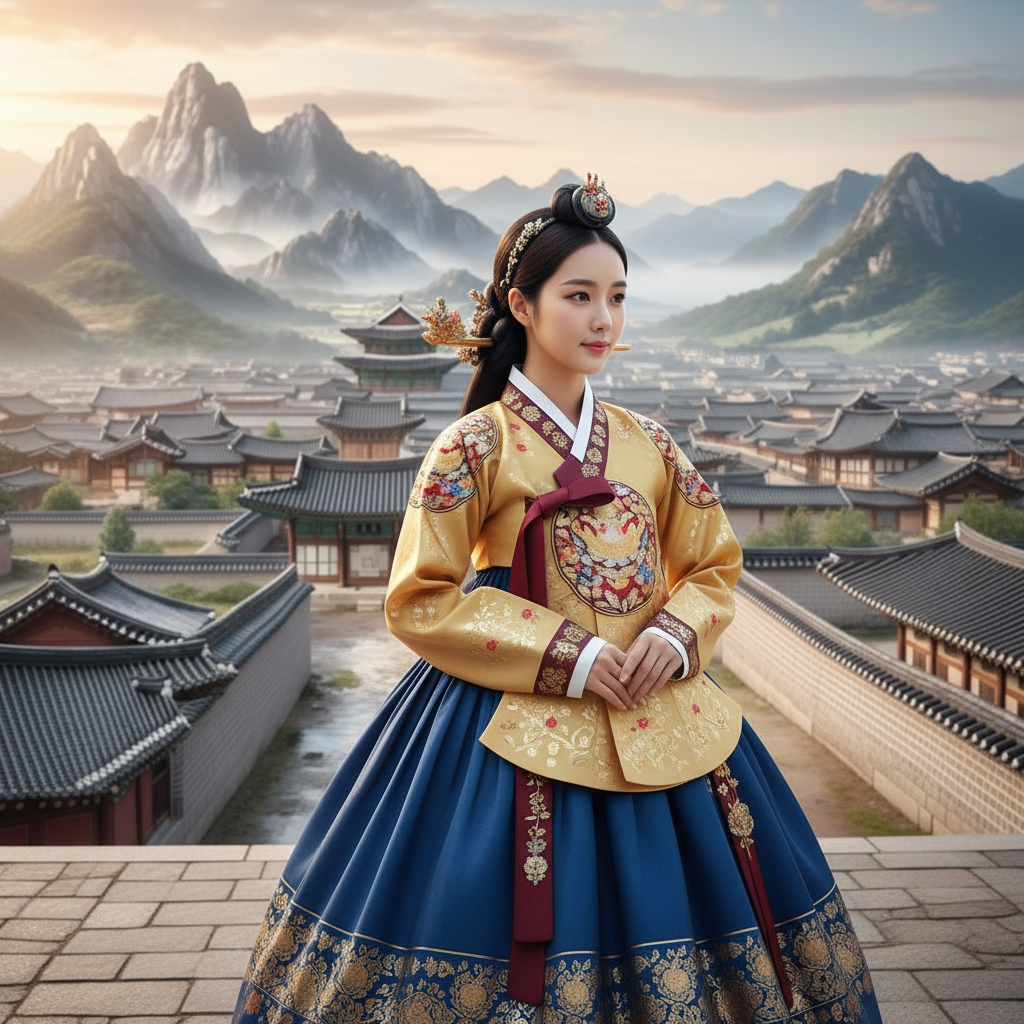
Korean Name Generator
The Structure Behind Korean Names
Forget what Western naming conventions taught you—Korean names operate on an entirely different philosophical wavelength. The surname arrives first, not as an afterthought tucked at the end. Kim, Lee, Park—these family names descend through generations, carrying ancestral weight that most Westerners never pause to consider. When I first started researching naming traditions for character creation, this reversal threw me completely.
Syllables Carry Meaning, Not Just Sound
Here's something most generators won't tell you: a Korean given name typically splits into two syllables, and each syllable holds specific meaning through Hanja—Chinese characters adapted into the Korean writing system. Seojun doesn't just sound pleasant; "Seo" suggests something auspicious while "Joon" points toward talent or handsomeness. Jiwoo, Haeun, Minji—these aren't random combinations but deliberate constructions where parents encode hopes, virtues, and aspirations into their children's identities.
Modern naming has shifted toward Hangul-only registration, yet the tradition of meaningful syllable selection persists. A name like Taeyang literally translates to "sun," while Nari means "lily." This isn't decorative—it's foundational to Korean identity.
Gender Flexibility and Cultural Context
The rigid gender binary doesn't apply as strictly here. Names like Jiwon work across genders depending on which Hanja characters get selected. Hyunwoo and Minhyuk tend masculine, Soojin and Yui lean feminine, but Ren, Makoto, and countless others float between. Context determines everything.
For writers building K-drama-inspired narratives or K-pop universes, matching tone becomes critical. Historical pieces demand names like Yeongjae or Eunseok—weighted with classical gravitas. Contemporary stories call for Rina or Hikaru, names that breathe modern air.
Surname Selection Matters
Korean surnames concentrate into remarkably few options. Kim dominates, followed by Lee and Park. This limitation isn't accidental—it reflects centuries of clan structure and regional ancestry. Selecting the right surname for your character subtly communicates their family background, social standing, and geographic roots without requiring exposition. A character named Jeong carries different connotations than one named Choe or Bak.
The Hallyu wave has pushed Korean names into global consciousness. What once seemed exotic now appears on Netflix credits and Spotify playlists worldwide. Understanding the heritage beneath these names—the balance between tradition and modernity, the family structures encoded in surnames, the meaningful syllable combinations—transforms superficial selection into authentic character building.
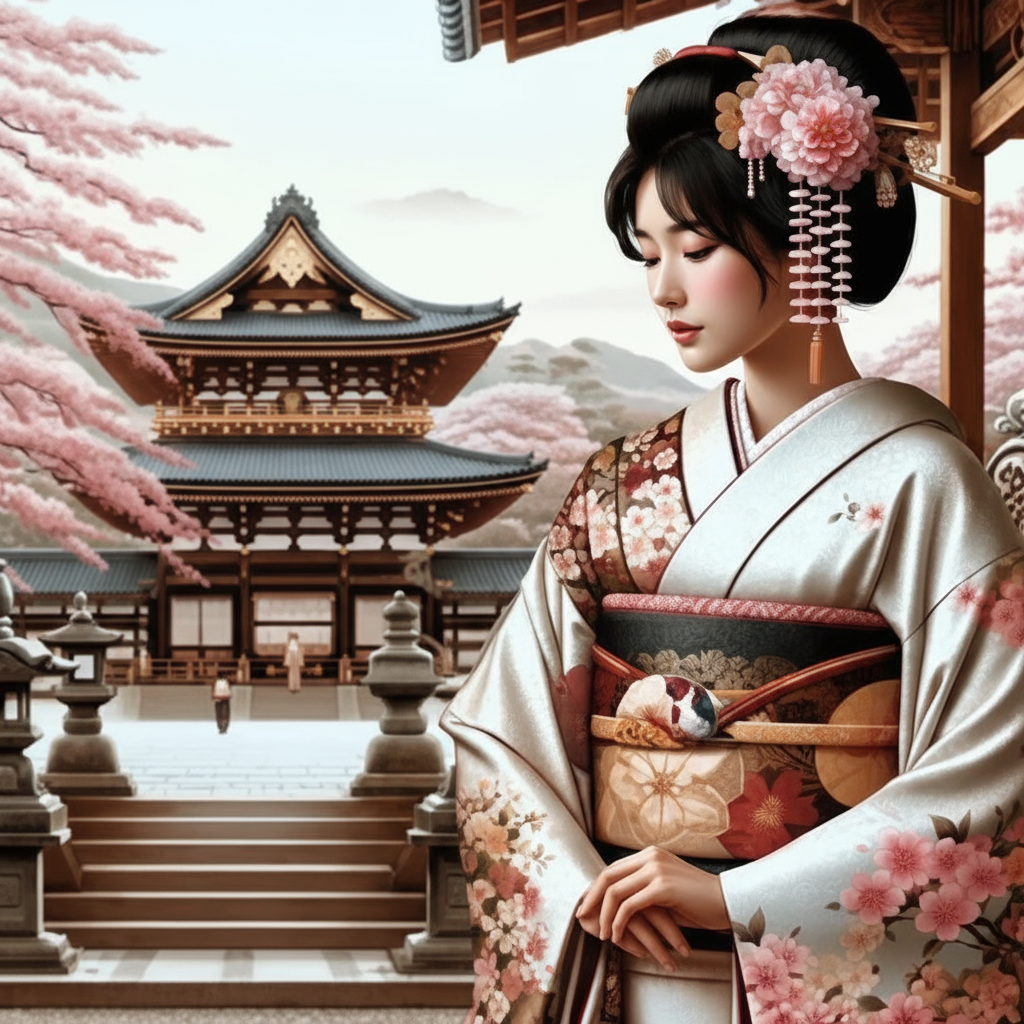
Japanese Name Generator
Beyond Pronunciation: The Kanji Factor
Japanese names exist in multiple dimensions simultaneously. The same pronunciation—say, "Ren"—can mean lotus, love, or cold, depending entirely on which kanji characters parents select. This isn't a minor detail; it's the entire foundation of Japanese naming philosophy. When someone asks what a Japanese name means, the honest answer is "which version?"
I've watched writers stumble here repeatedly. They grab a name that sounds authentic, never realizing they've accidentally assigned their samurai character a name meaning "refrigerator" instead of "cold resolve." The written form matters as much as the spoken one.
Surname-First Convention
Like Korean naming, Japanese places family names before given names. Takahashi Yuna, not Yuna Takahashi—unless you're deliberately localizing for Western audiences. This reversal reflects cultural priorities: family identity precedes individual identity. For authentic storytelling, maintaining this order signals respect for the source material.
Era-Appropriate Selection
Names evolve across centuries. Samurai-era conventions emphasized honor, nature, and martial virtue through names like Kenshin or Tomoe. Modern Japanese naming trends favor softer aesthetics—Hikaru (light), Souta (peaceful and big), Sakura (cherry blossom). A character named Toshiro belongs in historical jidaigeki settings; someone named Yuki fits contemporary slice-of-life narratives.
Pop culture has complicated this further. Anime and manga have created naming conventions that feel Japanese but wouldn't appear in actual Japanese households. Distinguishing authentic names from media inventions requires research beyond generator outputs.
Gender Patterns and Flexibility
Japanese names often indicate gender through kanji selection rather than pronunciation. Mitsuyo, written as 美鶴代, reads feminine; written as 光世, it becomes masculine. The same sounds carry different gender associations depending on the written form. Names like Makoto, Nao, and Ren function as unisex options, their gender determined by accompanying characters.
The Poetry of Construction
Japanese names function as miniature poems. Parents don't just select pleasant sounds—they compose meaning. A name combining kanji for "bright" and "beauty" tells a different story than one merging "peaceful" and "child." This compositional approach means Japanese names carry narrative weight before characters speak a single line of dialogue.
Understanding this depth transforms name selection from aesthetic preference into storytelling craft. The idiom "ten men, ten colors" captures this diversity—each name reflects individual identity while honoring collective tradition.
Chinese Name Generator
The World's Oldest Continuous Naming Tradition
Chinese naming spans thousands of years, surviving dynastic upheavals, cultural revolutions, and modernization waves. A typical Chinese name contains two or three characters: a family name (姓, xìng) followed by a given name (名, míng). This structure has remained remarkably stable since before written history recorded it.
Hanzi: Where Meaning Lives
Each Chinese character carries an independent meaning. Names aren't assembled from meaningless syllables but constructed from semantic building blocks. Wang means "king," Li means "plum tree," and Zhang means "archer." Combining characters like Yue (moon) and Ling (spirit) creates Yueling—"moon spirit." This compositional freedom allows virtually infinite meaningful combinations.
The visual harmony matters too. Written Chinese is an art form, and names must look balanced on paper. A name combining characters with similar stroke counts and complementary aesthetics carries different weight than one assembled without visual consideration.
Limited Surnames, Unlimited Given Names
Chinese surnames concentrate into relatively few options—Wang, Li, Zhang, and Liu dominate statistical surveys. This concentration reflects ancient clan structures that persist into modern naming. Given names, however, offer unlimited creative territory. Parents can select any character combination that produces meaningful results.
Philosophy Embedded in Names
Virtue, beauty, intellect, harmony, hope—Chinese names encode philosophical aspirations. A name containing characters for "wisdom" and "elegance" broadcasts parental hopes. One featuring "strength" and "prosperity" signals different values. This isn't subtle; it's intentional and transparent within the Chinese cultural context.
The balance concept from Chinese philosophy extends to naming. Parents consider how characters interact—their meanings should complement rather than conflict, their sounds should flow rather than clash. A well-constructed Chinese name achieves harmony across multiple dimensions simultaneously.
Historical vs Contemporary
Palace drama characters demand names with historical gravitas—Zhenhua or Lianyi carry classical weight. Contemporary romance calls for sleek modern options like Xinyi or Haoran. Understanding these tonal differences prevents anachronistic naming that pulls readers out of narrative immersion.
Regional variations add another layer. Cantonese pronunciation differs from Mandarin; Taiwanese naming conventions diverge from mainland practices. Authentic character creation requires attention to these geographic and linguistic distinctions.
Arabic Name Generator
A Naming System of Unparalleled Complexity
Arabic names contain multitudes—literally. A complete traditional Arabic name includes five potential components: the Ism (given name), Kunya (patronymic), Nasab (lineage), Laqab (nickname or epithet), and Nisba (origin indicator). Most Western systems seem primitive by comparison.
When I encounter someone's full traditional Arabic name, I'm reading a compressed biography. "Abu Abeer" tells me this person is the father of someone named Abeer. "Al-Masri" reveals Egyptian roots. "Al-Hakim" announces wisdom as a defining characteristic. The name itself contains what other cultures require entire paragraphs to communicate.
Faith Woven Into Identity
Arabic naming carries profound religious significance. Names like Muhammad (the praised one), Zaynab (fragrant flower), and Ibrahim connect bearers to Islamic tradition and prophetic history. This isn't mere cultural decoration—it's spiritual identity embedded in daily address.
Selecting Arabic names for characters requires understanding this weight. A name like Saif (sword) signals martial identity; Layla (night) evokes mystery and romance. These aren't arbitrary—they're culturally coded with centuries of associated meaning.
Patronymic Chains and Lineage
The "ibn" (son of) or "bint" (daughter of) construction creates chains linking individuals to ancestors. Amal ibn Fahim ibn Izz ad-Din Nabih traces three generations of lineage within a single name. This genealogical transparency reflects cultures where family identity supersedes individual identity.
Modern usage has simplified these structures—many Arabs now use given name plus family surname in Western fashion. But traditional forms persist in formal contexts, religious settings, and literary works seeking authenticity.
Colonial and Religious Influences
Arabic naming evolved through interaction with multiple empires and religious traditions. Pre-Islamic names survive alongside Islamic ones. Regional variations reflect Ottoman, Persian, Egyptian, and North African influences. The names scattered across Morocco differ from those common in Saudi Arabia, which diverge from Lebanese conventions.
Christian Arabs often carry names indistinguishable from those of their Muslim neighbors, though certain names remain exclusively within religious communities. Understanding these distinctions prevents embarrassing mischaracterizations in creative work.
Beauty in Meaning
Arabic names frequently translate into poetry. Hassan means "handsome," Amina means "faithful," Maya suggests "water" or "graceful." This emphasis on beautiful meaning reflects aesthetic values embedded in the Arabic linguistic tradition. Names are chosen not just for sound but for the virtue or quality they invoke.
Irish Name Generator
Celtic Roots Run Deep
Irish names connect speakers to landscapes, legends, and languages stretching back millennia. The Emerald Isle wasn't called that for nothing—its names grow from soil soaked in mythology, Catholicism, and Gaelic tradition. If Ireland weren't real, fantasy authors would have invented it.
The Gaelic Foundation
Until the 1800s, Gaelic dominated Irish speech. That linguistic heritage survives in names that challenge English pronunciation rules entirely. Siobhan looks nothing like "shi-VAWN." Saoirse requires explanation every time—just ask the actress who shares it. Caoimhe, Aoife, Niamh—these names reward those who learn their sounds while confusing those who approach them through English phonetics.
Hard Gs and Cs appear frequently. Adjectives follow nouns in Gaelic construction, which explains why some Irish names seem structured backward to English ears. This linguistic difference creates names that feel simultaneously familiar and foreign to Western audiences.
Prefix Patterns Tell Family Stories
"Ó" before a surname means "grandson of." "Mac" means "son of." Women traditionally use "Ní" (daughter of) or "Nic" (daughter of the son of) in Gaelic forms. So Ó hEaráin and Mac Earáin point toward the same family through different generational paths. These prefixes encode genealogy into everyday address.
Mythology Lives in Modern Names
Brighid connects to the goddess of fire, poetry, and wisdom—also a Catholic saint, demonstrating how Irish naming braids pagan and Christian traditions. Deirdre carries tragic resonance from an ancient legend. Finn evokes the warrior-poet Fionn mac Cumhaill. Every name potentially opens into a deeper mythological narrative.
Nature and Virtue
Irish names frequently reference natural phenomena or admirable qualities. Aisling means "dream" or "vision." Aoibheann translates to "beautiful radiance." Maeve derives from "intoxicating"—fitting for the legendary warrior queen of Connacht. Niamh means "bright," referencing the daughter of the sea god.
These meanings aren't historical curiosities—they influence contemporary selection. Parents choosing Irish names often prioritize beautiful significance over mere pleasant sound.
Pronunciation vs Spelling
The gap between written and spoken Irish names creates constant confusion. Caitlin looks like "kate-lin" but sounds like "kath-LEEN." This disconnect reflects Gaelic spelling conventions that follow different rules than English orthography. Writers using Irish names must research pronunciation to avoid undermining authentic characterization with mispronunciation.
French Name Generator
Romance Language, Romantic Names
French names carry elegance through their very sounds—soft vowels, silent consonants, subtle accents that mark proper pronunciation. Amélie, Étienne, Lucien—these names evoke centuries of cultural influence, from aristocratic courts to revolutionary barricades to literary salons.
Latin and Germanic Roots
French naming draws from multiple linguistic streams. Latin foundations appear in names like Claire (clear) and Victor (conqueror). Old Frankish and Germanic contributions surface in Chantal and Gaspard. Catholic saint names—Jean (John), Marie (Mary), Pierre (Peter)—dominated for centuries and remain prevalent today.
This multilingual heritage creates naming diversity within a single national tradition. A name's etymology might trace to Roman occupation, Frankish invasion, or medieval religious practice.
Compound Names and Social Signaling
French compound names like Jean-Luc or Anne-Sophie function as single given names, not separate first and middle names. The hyphen connects what English speakers might separate. Jean-Baptiste honors John the Baptist; Marie-Claire combines two feminine names into a unified identity.
These compounds can cross gender boundaries. Marie-George puts a feminine component first, making the name female despite the masculine second element. The first component determines gender identity in compound constructions.
Regional Flavors
A nobleman from Provence might be Aimé de Villeneuve—the "de" particle signaling nobility or geographic origin. A Parisian detective could be René Marchand, the surname indicating merchant ancestry. Norman names differ from Breton ones; Alsatian naming shows Germanic influence.
Understanding regional variations prevents flattening French naming into a single Parisian stereotype. France contains multitudes, and its names reflect that diversity.
Diminutives and Nicknames
Francisco becomes Paco in Spanish; French names follow similar transformation patterns. Formal names soften into familiar address through predictable alterations. This nickname culture means characters might be known by different names in different social contexts—formal at work, intimate at home.
Legal History
France restricted naming choices longer than most realize. Until 1993, parents couldn't freely select children's names—registrars could refuse options they deemed inappropriate. This historical control explains why traditional names dominate French genealogies more than creative innovations.
German Name Generator
Precision and Compound Construction
German naming reflects the language's famous precision and its love of compound words. Deutschland itself combines "land" and "Deutsch" (German people). Names follow similar patterns—meaning builds through combination rather than standing in isolated elements.
Germanic Roots and Meaning
Ancient Germanic name elements persist across centuries. "Arn" means eagle, "Wolf" means wolf, and "Hild" means battle. Names like Wolfgang (wolf path), Hildegard (battle enclosure), and Brunhild (armored warrior) descend from this elemental vocabulary. Understanding these roots reveals meaning obscured by modern pronunciation.
Surname Categories
German surnames organize into recognizable categories. Occupational names like Müller (miller), Schmidt (blacksmith), and Schneider (tailor) indicate ancestral trades. Geographic names like Bayer (from Bavaria) and Schwarzenegger (from Schwarzenegg) mark origin locations. Physical descriptors like Klein (small), Krause (curly), and Schwartzkopf (black head) captured distinguishing characteristics.
This categorization helps writers select surnames that communicate character background without exposition. A character named Goldberg likely descends from mountain-region families; one named Fischer had fishing ancestors.
Fairy Tales and Folklore
German folklore pervades Western storytelling through Grimm's fairy tales, the Nibelungenlied, and Lorelei legends. Names from these traditions—Hansel, Gretel, Siegfried, Kriemhild—carry mythic associations that resonate beyond German borders. Modern Disney adaptations keep these names circulating through popular culture.
Naming Regulations
Germany maintains stricter naming regulations than most countries. The Standestamt (civil registry office) must approve children's names, which must clearly indicate gender and protect children from potential embarrassment. This regulatory framework explains why German naming tends toward the traditional rather than experimental.
Era Considerations
Names from the 10th century, like Wolfgang, carry a different weight than modern options like Albert or Maximilian. Historical fiction requires period-appropriate selection to maintain authenticity. Anachronistic naming jolts readers from narrative immersion.
Saxon Connections to English
Germanic naming influenced English through the Saxon invasion. Many "English" names—William, Robert, Charles—trace to Germanic origins. This shared heritage means German names often feel less foreign to English speakers than Asian or African alternatives, creating opportunities for cross-cultural character naming.
Spanish Name Generator
Colonial Heritage Across Continents
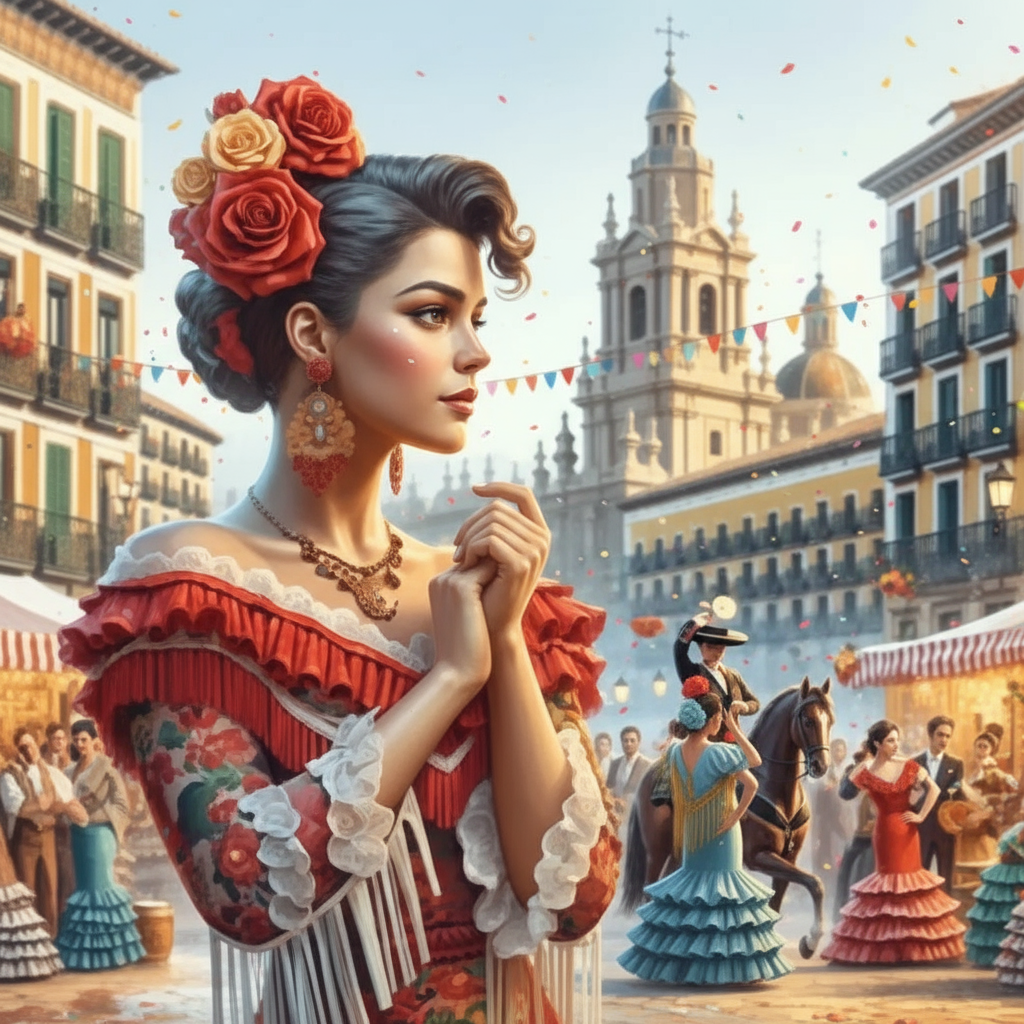
Spanish names spread across hemispheres through colonial expansion. From Madrid to Mexico City, Buenos Aires to Manila, Spanish naming conventions established themselves wherever the empire reached. This global distribution means Spanish names carry regional variations across dozens of countries.
The Two-Surname System
Traditional Spanish naming includes two surnames: father's first surname followed by mother's first surname. Mateo Vargas Jiménez identifies through both parental lineages in a single name. This system preserves maternal family identity longer than patronymic alternatives, where women's names disappear upon marriage.
Women don't traditionally take husbands' surnames—their birth names persist through marriage and into children's naming. This cultural difference creates genealogical records quite different from those in English-speaking countries.
Religious Roots
Catholic influence saturates Spanish naming. María, José, Jesús—these names appear across gender and generation with remarkable frequency. Dolores (sorrows), Salvador (savior), and Concepción reference religious concepts directly. Saints' names dominate baptismal registers spanning centuries.
The phrase "María de los Ángeles" (Mary of the Angels) or "María de la Luz" (Mary of the Light) dedicates bearers to specific aspects of Marian devotion. These compound religious names often shorten to their distinctive element—Ángeles or Luz—in daily address.
Nature and Virtue
Beyond religious names, Spanish naming draws from natural phenomena and admirable qualities. Alba (dawn), Luz (light), Rosa (rose), Luna (moon)—these names connect bearers to the physical world. Paz (peace), Esperanza (hope), and Dolores (sorrows) embed emotional or spiritual conditions into identity.
The "De" Particle
The preposition "de" (from) signals origin or family connection. González de la Vega indicates someone from the meadow; Fernández de Calderón connects to the Calderón lineage. This particle appears in both surnames and place-based identifiers, adding historical depth to individual naming.
Nickname Culture
Spanish diminutives transform formal names through predictable patterns. Francisco becomes Paco or Cisco; Guadalupe becomes Lupita; José becomes Pepe. Understanding these transformation patterns helps writers create natural dialogue where characters address each other with appropriate familiarity levels.
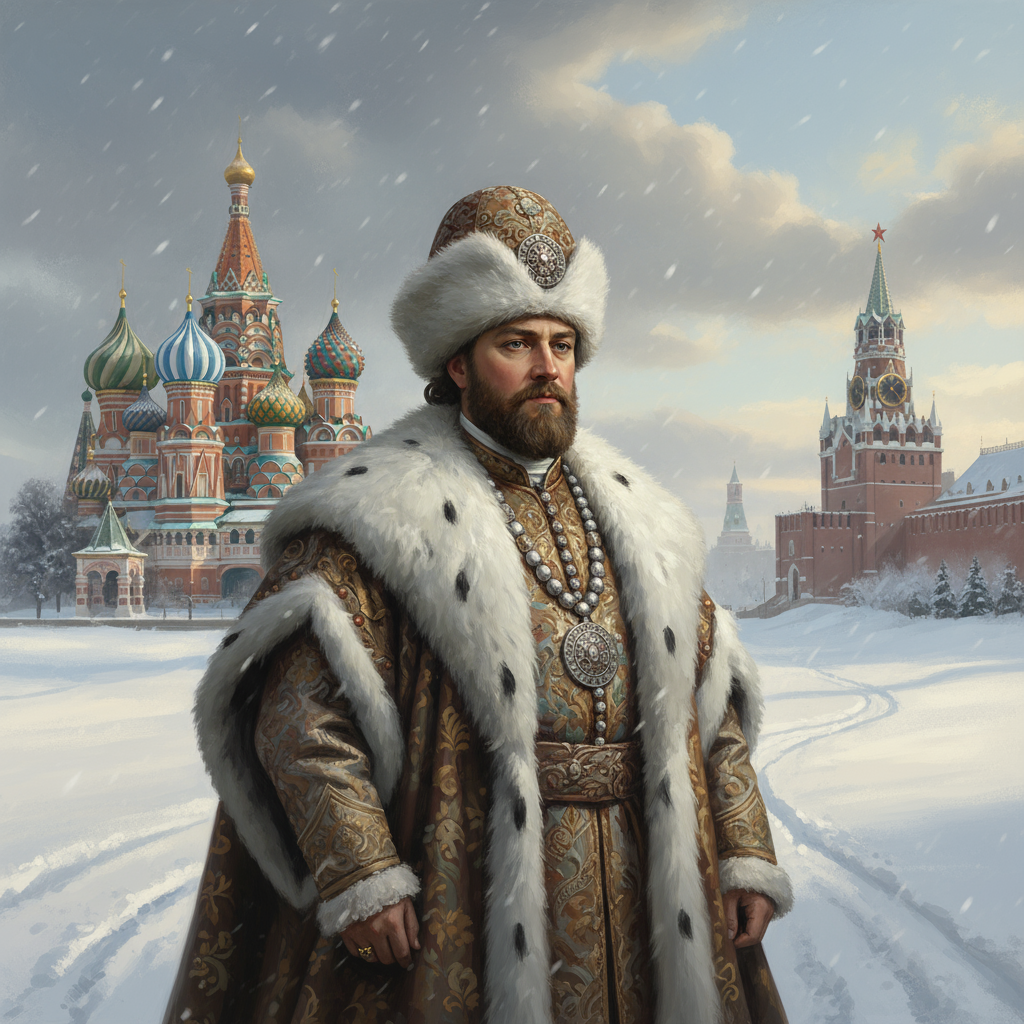
Russian Name Generator
The Tripartite System
Russian names operate in threes: given name, patronymic, and surname. This structure creates the elaborate formal address that defines Russian social interaction. Calling someone by their first name alone signals either intimacy or disrespect, depending on context.
Patronymic Power
The patronymic—derived from the father's first name—inserts ancestral connection into everyday address. Ivan Petrovich Sokolov tells us his father was named Petr. Maria Ivanovna Kuznetsova's father was Ivan. The suffixes "-ovich" or "-evich" for sons and "-ovna" or "-evna" for daughters transform paternal names into patronymic forms.
Addressing someone as "Marya Ivanovna" rather than just "Marya" shows respect appropriate for teachers, elders, and formal situations. Omitting the patronymic in such contexts reads as offensive—a cultural nuance Western writers frequently miss.
Surname Structures
Russian surnames often end with "-ov," "-ev," or "-in," meaning "belonging to" or "descendant of." Ivanov means "of Ivan's family"; Putin descends from the "-in" pattern. These endings gender-match: men carry Sokolov while women carry Sokolova.
Geographical surnames mark ancestral locations. Occupational surnames indicate trades—Kuznetsov connects to blacksmithing (kuznets), Rybakov to fishing (ryba). Understanding these patterns helps writers select surnames that communicate character backgrounds.
Nickname Complexity
Russian nicknames carry nuanced social meaning far beyond simple shortening. The same name might have formal, familiar, intimate, and even vulgar diminutive forms, each appropriate to different relationships. Dmitri becomes Dima among friends, Mitya for lovers, and potentially ruder variants in hostile contexts.
Legal documents list surnames first, then given names, then patronymics—a different order than spoken introduction. Writers must understand both formal registration order and social address patterns.
Historical Depth
Names from imperial Russia carry different resonances than Soviet-era names, which diverge from post-Soviet trends. Historical accuracy requires attention to era-appropriate naming that matches narrative time periods.
The Cyrillic alphabet adds another consideration—transliteration into Roman letters produces variant spellings that can confuse readers unfamiliar with Russian phonetics.
Italian Name Generator
From Roman Roots to Renaissance
Italian naming spans from ancient Rome through Renaissance glory to contemporary fashion. Leonardo da Vinci, Dante Alighieri, Michelangelo Buonarroti—these names echo through Western cultural history, carrying artistic and intellectual prestige.
Hierarchical Naming Traditions
Traditional Italian families followed strict naming hierarchies. First sons received paternal grandfathers' names; second sons honored maternal grandfathers. Daughters followed the same pattern with grandmothers. This system ensured ancestral names were perpetuated through generations while limiting individual parental choice.
Once grandparents were honored, parents could name subsequent children after aunts, uncles, siblings, or saints. Understanding this hierarchy helps writers create authentic Italian family structures where names repeat across generations.
Regional Diversity
Italy unified relatively recently; regional identities remain strong. Sicilian names differ from Tuscan ones; Venetian naming conventions diverge from Neapolitan patterns. Salvatore dominates southern Italy while Giovanni appears more frequently in the north. Regional surnames mark geographic origins—Romano indicates Roman roots, Lombardi points toward Lombardy.
Surname Origins
Italian surnames developed from multiple sources. Patronymic names like De Luca (son of Luca) indicate descent. Geographic names like Montagna (mountain) or Marino (of the sea) mark ancestral locations. Occupational names like Ferrari (blacksmith) identify ancestral trades. Descriptive names like Bello (handsome) or Rossi (red-haired) captured physical characteristics.
Religious Influence
Catholic naming pervades Italian tradition. Maria, Giuseppe, Giovanni, Pietro—these biblical and saints' names dominate centuries of baptismal records. The Counter-Reformation strengthened religious naming, pushing traditional Catholic options over alternatives.
The "Da" and "Di" Particles
Leonardo da Vinci means Leonardo from Vinci—the particle "da" indicates geographic origin. "Di" functions similarly. These particles distinguish between surname inheritance and place-based identification, though modern usage often drops them.
Musical Sound
Italian names carry inherent musicality through vowel-rich endings. Marco, Francesca, Alessandro, Valentina—these names sing when spoken, reflecting the language's operatic qualities. This phonetic beauty influences global naming trends far beyond Italy's borders.
Greek Name Generator
Mythology Made Flesh
Greek names carry divine weight. Athena may derive from "athanos" (immortal); Persephone means "bringer of destruction"—fitting for the underworld's queen. These aren't mere labels but compressed mythological narratives. A character named Ares should bring martial intensity; one named Calliope suggests artistic creativity.
Philosophers, Warriors, Scientists
Greek culture propagated innovations throughout the ancient world. Names like Socrates, Aristotle, and Plato carry intellectual prestige; Achilles and Ajax evoke martial prowess; Helen and Cleopatra suggest legendary beauty and power. This naming legacy persists—Greek names appear throughout Western naming traditions.
Suffix Patterns
Greek names follow recognizable suffix patterns. "-eus," "-on," "-ia," "-os," "-phe"—these endings signal Greek origin even to those unfamiliar with specific names. Writers can use these patterns to create authentic-feeling names that evoke Greek heritage without directly copying existing mythological figures.
Gender Flexibility
Unlike some traditions, Greek naming shows remarkable gender flexibility. Many names work across genders without modification, their structures applying universally. This flexibility allows character naming that isn't restricted by binary gender assumptions.
Ancient vs Modern
Ancient Greek names like Alexandros (defender of men) and Demetrios (follower of Demeter) differ from modern Greek naming trends. Historical fiction requires period-appropriate selection; contemporary stories need names that match current Greek usage. The gap between ancient and modern can span millennia.
Meaning in Every Syllable
Greek names typically translate meaningfully. Sophia means wisdom; Andreas means bravery; Nikolaos means victory of the people. Parents selecting Greek names often prioritize these meanings, choosing names that embody desired virtues or qualities.
Mythology remains a living tradition in Greek naming. Gods, heroes, titans, and legends provide endless naming resources that connect modern bearers to ancient stories. Even names not directly mythological often reference natural phenomena, philosophical concepts, or admirable characteristics.
Hellenic Influence
Greek naming influenced Roman tradition, which influenced European naming broadly. Many names considered "Western" trace ultimately to Greek roots, making Greek naming feel familiar even when explicitly ancient.
African Name Generator
Continental Diversity
Africa contains fifty-four countries, thousands of ethnic groups, and naming traditions spanning humanity's entire history. Speaking of "African names" risks flattening this diversity into misleading singularity. Yoruba naming in Nigeria differs dramatically from Zulu traditions in South Africa, which diverge from Amharic conventions in Ethiopia.
Destiny Embedded in Names
Many African naming traditions treat names as shaping destiny rather than merely labeling individuals. A child named Imani (faith in Swahili) carries that quality into their identity. Nia (purpose) suggests directional clarity. This belief in nominative determinism means naming selection carries profound responsibility.
Birth Circumstances
Several African traditions name children based on birth circumstances. Yoruba naming reflects significant events occurring during delivery. Akan naming in Ghana connects to birth day—Kofi means "born on Friday," Kwame means "born on Saturday." These temporal markers create automatic community recognition of birth contexts.
Linguistic Diversity
Swahili, Yoruba, Igbo, Zulu, Xhosa, and Amharic—each language family produces distinct naming sounds and structures. Swahili names often feature prominent vowels and /ee/ sounds; Yoruba names frequently begin with "Ade" (crown) or "Olu" (God). Learning these linguistic patterns helps identify cultural origins within African naming.
Meaning-Forward Selection
African names prioritize meaning over sound. Zuri means "beautiful" in Swahili. Amara means "grace" in Igbo. Thandiwe means "beloved" in Zulu. Parents select names communicating hopes, family values, or spiritual protection for children entering the world.
Colonial and Religious Influences
European colonization and Christian/Islamic missions introduced naming practices that overlay indigenous traditions. Many contemporary Africans carry both traditional and colonial names, navigating multiple naming systems simultaneously. Understanding this layering helps writers avoid oversimplification.
Clan and Family
Ancestry matters profoundly across African cultures. Names often encode clan membership, family position, or lineage connections. Firstborn children frequently receive different naming treatment than subsequent siblings, and naming after ancestors maintains family continuity across generations.
Turkish Name Generator
Where Empires Converge
Turkish naming reflects centuries of empire—Turkic roots, Arabic Islamic influence, Persian poetic tradition, and Mediterranean cultural exchange all contribute elements. This convergence creates naming diversity within a single national tradition.
Islamic Foundations
Turkey's majority Muslim population influences naming significantly. Names like Mehmet (Muhammad), Ahmed, and Fatma connect bearers to Islamic tradition. Religious names dominate historical records and remain prevalent today, though modern Turkish naming shows increasing diversity.
The Surname Revolution
Until 1934, Turks didn't use fixed surnames as Western countries understood them. The Surname Law required all citizens to adopt hereditary family names, transforming Turkish naming overnight. Before this, titles indicated social position—Pasha, Bey, Efendi—rather than family lineage.
This relatively recent surname adoption means Turkish genealogical research operates differently than in countries with centuries-old surname traditions. Many families selected surnames based on professions, physical characteristics, or geographic origins during the 1930s transition.
Ottoman Heritage
Ottoman naming conventions—elaborate, multilayered, status-indicating—contrast with modern Turkish simplicity. Historical fiction set in the Ottoman period requires understanding pre-reform naming practices that differ substantially from contemporary Turkish names. Sultanate names like Suleiman, Mehmed, and Hurrem carry imperial prestige.
Persian and Arabic Loanwords
Turkish incorporates extensive Persian and Arabic vocabulary, including names. Gül (rose) descends from Persian; many religious names come through Arabic transmission. This linguistic borrowing creates names that resonate across Middle Eastern traditions while maintaining Turkish identity.
Modern Trends
Contemporary Turkish naming balances tradition with globalization. International names gain popularity alongside traditional options. Nature names, virtue names, and modern coinages appear alongside centuries-old Islamic names, creating generational diversity within Turkish families.
Gender Patterns
Turkish names often indicate gender through endings and specific vocabulary. Many names work exclusively male or females, though unisex options exist. Understanding these patterns prevents accidental gender misattribution in character naming.
Welsh Name Generator
The Living Language
Welsh isn't a dead language—it's spoken daily across Wales, taught in schools, and preserved through cultural institutions. Welsh names connect bearers to this living linguistic tradition, not merely historical curiosity.
Pronunciation Challenges
Welsh orthography follows different rules from English. "W" functions as a vowel; "dd" produces a "th" sound; "ll" creates a sound unfamiliar to English speakers. Names like Llywelyn challenge English pronunciation entirely, requiring speakers to learn new phonetic patterns.
This pronunciation gap creates naming opportunities for writers seeking names that look exotic but remain pronounceable once rules are understood. Conversely, it risks creating character names that readers consistently mispronounce.
Mythology and History
Welsh mythology provides rich naming resources. Rhiannon connects to the horse goddess of the Mabinogion. Branwen references the tragic heroine of Welsh legend. Taliesin honors the legendary bard. These names embed characters in mythological tradition while providing pronunciation guides for non-Welsh speakers.
Historical figures like Llywelyn the Great and Owain Glyndŵr inspire nationalist naming that connects bearers to Welsh resistance against English domination. Political and cultural identity intertwine in Welsh naming more visibly than in many traditions.
Nature References
Welsh names frequently reference natural phenomena. Dylan means "great sea," Eira means "snow," and Gwyn means "white" or "blessed." These nature connections reflect Welsh landscapes—mountains, coastlines, and weather that shaped cultural identity.
Patronymic Heritage
Traditional Welsh naming used patronymic systems. "Ap" (son of) or "Ferch" (daughter of) prefixes connected children to fathers. Modern surnames like Price derive from "ap Rhys," while Jones comes from "ap John." Understanding this derivation reveals ancestry patterns hidden within contemporary surnames.
Celtic Connections
Welsh shares Celtic roots with Irish, Scottish Gaelic, Cornish, and Breton. Names circulate across these traditions, sometimes with spelling variations reflecting different Celtic branches. Writers creating Celtic fantasy worlds can draw from Welsh naming while acknowledging shared heritage with other Celtic traditions.
Hawaiian Name Generator
Island Rhythms
Hawaiian names flow with vowel-rich musicality, reflecting the language's limited consonant inventory. Only eight consonants combine with five vowels to create all Hawaiian words, producing names with distinctive phonetic patterns unlike continental traditions.
Meaning Depth
Hawaiian names carry profound meaning—often multiple layers of significance depending on interpretation. Kai means "sea," connecting bearers to ocean identity fundamental to island culture. Leilani combines "lei" (flower garland) with "lani" (heaven), suggesting heavenly flowers or a royal child.
Nature Integration
Hawaiian naming draws extensively from natural phenomena. Makani means "wind," Nalu means "wave," and Mana references spiritual power pervading nature. These names integrate human identity with environmental forces that islanders interact with daily.
Spiritual Concepts
Mana—spiritual energy or power—appears frequently in Hawaiian naming. Aloha carries meanings beyond a simple greeting, encompassing love, compassion, and connection. These spiritual concepts encoded in names reflect Hawaiian philosophical traditions.
Royal Heritage
Hawaiian royalty carried distinctive naming traditions. Names like Kamehameha and Liliuokalani connected royal figures to divine ancestry and political authority. Commoner naming operated differently, though royal name influence spread through Hawaiian society.
Nickname Patterns
Hawaiian names are often shortened through predictable patterns. Long names are reduced to familiar forms used in daily address, while full names appear in formal contexts. Understanding both formal and informal variants helps writers create authentic Hawaiian character interactions.
Cultural Revival
The Hawaiian language and naming experienced suppression during colonization, followed by cultural revival movements restoring traditional practices. Contemporary Hawaiian naming reflects this recovery—parents selecting traditional names as cultural reclamation.
Pronunciation Guide
Hawaiian pronunciation follows consistent rules once learned. Every vowel is pronounced distinctly; consonants produce single sounds. The 'okina (glottal stop) and kahakō (macron) affect pronunciation in ways unfamiliar to English speakers but essential for authentic Hawaiian address.
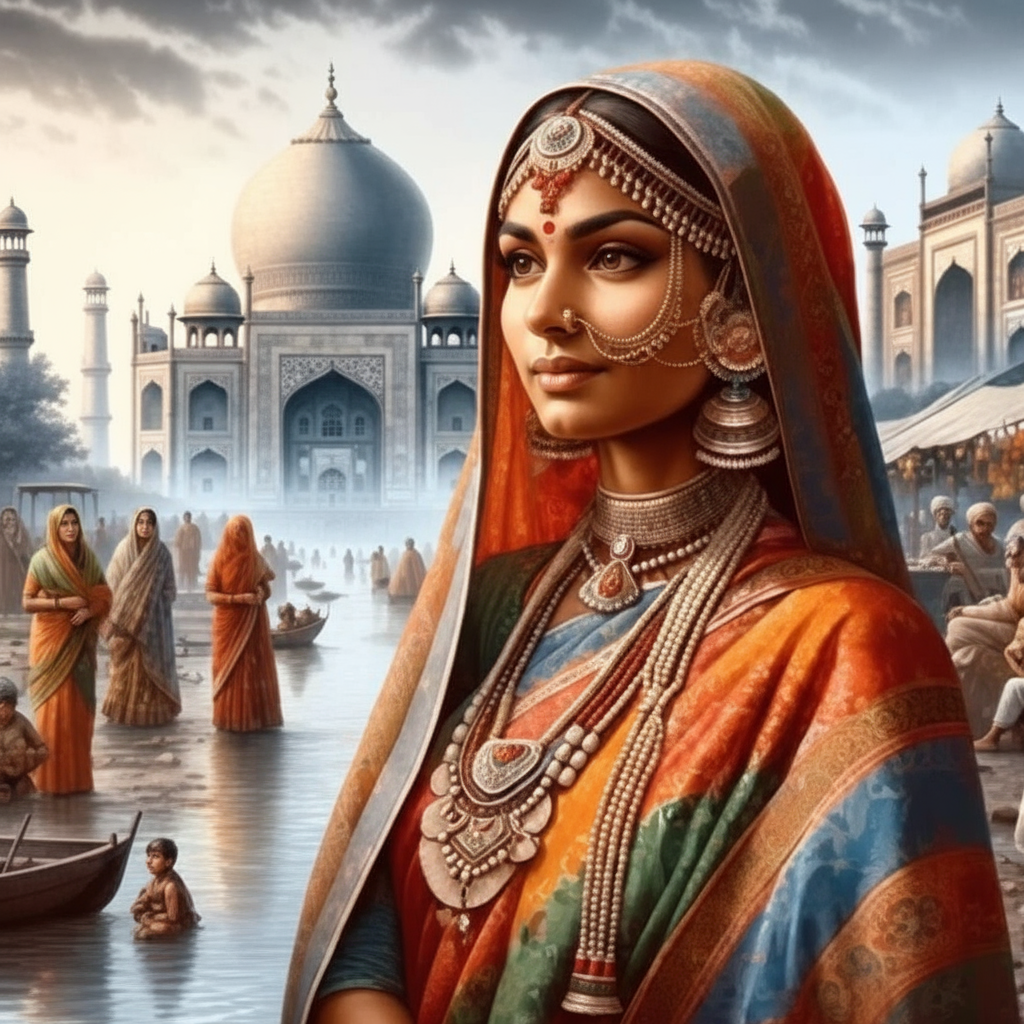
Hindi Name Generator
Sanskrit Foundations
Hindi naming draws from Sanskrit roots, connecting contemporary names to one of humanity's oldest literary languages. Names like Arjun, Priya, and Vikram descend through millennia of linguistic transmission, carrying accumulated cultural meaning.
Religious Diversity
India's religious diversity appears in its naming traditions. Hindu names often reference deities—Ganesh, Lakshmi, Krishna—or Sanskrit concepts of virtue and beauty. Muslim names reflect Arabic and Persian influences. Sikh naming follows distinct traditions. Christian communities use biblical names alongside regional options.
Understanding a character's religious background helps determine appropriate naming options, though regional and family traditions create exceptions to general patterns.
Meaning Primacy
Hindi names prioritize meaning over sound. Deepak means "lamp" or "light." Sunita means "well-conducted" or "wise." Raj means "king." Parents select names encoding hopes, virtues, or auspicious qualities for children's futures.
Regional Variations
India contains dozens of languages and thousands of regional traditions. Tamil naming differs from Punjabi conventions; Bengali names sound different from Gujarati ones. "Hindi names" actually encompass enormous regional variation that writers should research for specific character origins.
Surname Systems
Indian surname systems vary by region and religion. Caste indicators appear in some surname traditions, though modern usage increasingly moves away from caste-signifying names. Regional surnames mark geographic origin; clan names indicate family groupings.
Astrological Influence
Traditional Hindu naming often incorporates astrological considerations. Birth charts influence name selection, with certain sounds or letters considered auspicious based on planetary positions at birth. This astrological dimension adds complexity foreign to Western naming practices.
Modern Trends
Contemporary Indian naming balances traditional Sanskrit options with global influences. International names gain acceptance alongside religious and classical choices. Generational differences appear as younger parents experiment with naming that their parents would have rejected.
British Name Generator
Historical Layers
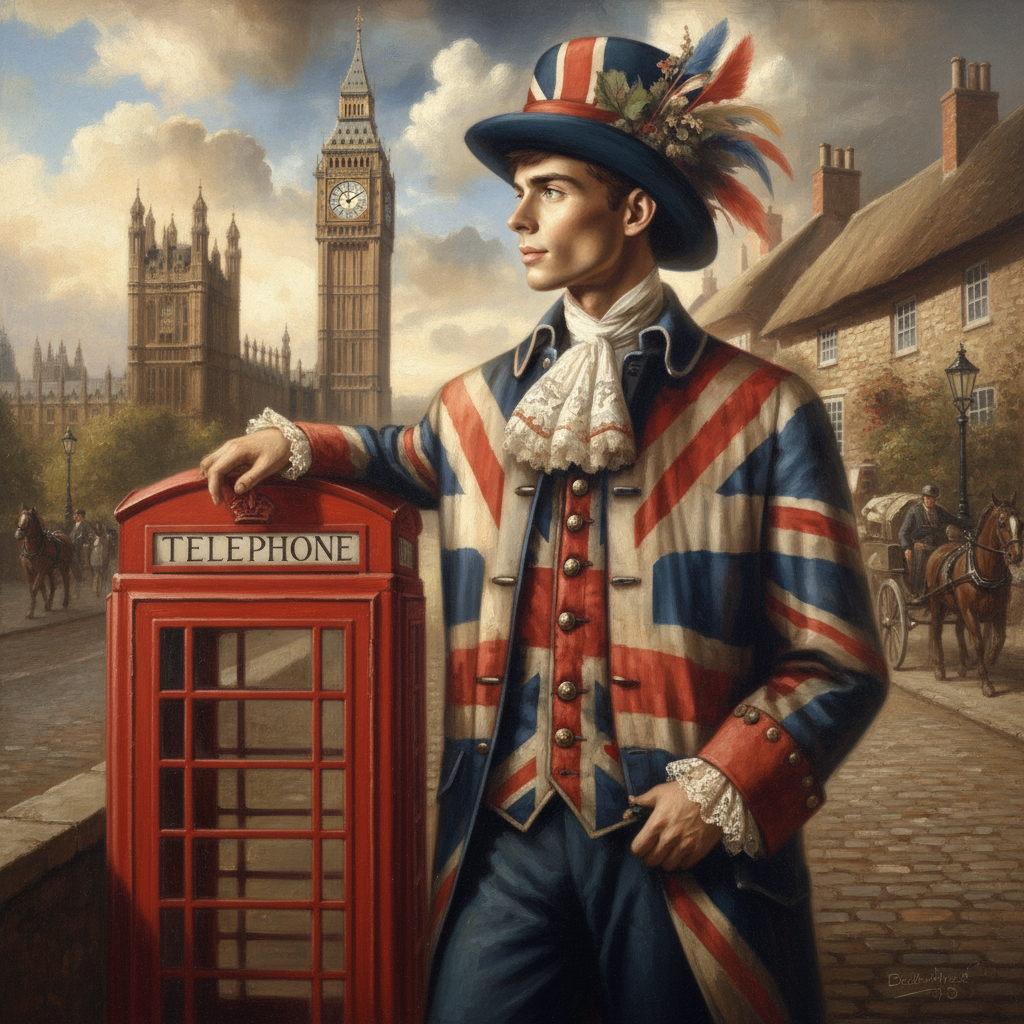
British naming accumulated through invasion and immigration—Celtic foundations, Roman influence, Anglo-Saxon transformation, Norman overlay, and centuries of subsequent mixing. Names like William (Norman), Arthur (Celtic), and Edward (Anglo-Saxon) reveal different historical strata.
Class Indicators
British naming historically signaled class position. Aristocratic naming traditions diverged from working-class conventions. Certain names marked regional origins while others indicated educational or religious background. These class associations persist subtly in contemporary British naming.
Royal Influence
Royal naming shapes British tradition significantly. Monarchs named Elizabeth, Victoria, George, and Charles inspired naming waves across social classes. Royal births still influence contemporary naming trends, with palace announcements affecting baby name statistics.
Regional Variations
English, Scottish, Welsh, and Irish naming traditions differ within British naming broadly. Scottish names carry Gaelic influences distinct from English traditions. Welsh naming follows Celtic patterns. Northern Irish naming reflects both Celtic and Anglo traditions. Writers should distinguish between these component traditions rather than treating British naming monolithically.
Surname Origins
British surnames developed from patronymics (Johnson, Williams), occupations (Smith, Baker), locations (Hill, Brook), and characteristics (Brown, Short). Understanding these origins helps writers select surnames that communicate character background appropriately.
Class and Education
Public school (meaning private, in British usage) traditions created naming conventions among elites. Certain names signal educational background to British listeners in ways foreign readers might miss. These class markers operate subtly but persistently.
Commonwealth Influence
British naming spread through the empire, influencing naming traditions across former colonies while absorbing influences from colonized peoples. Contemporary British naming reflects multicultural immigration, with names from South Asian, Caribbean, and African traditions appearing alongside traditional British options.
Modern Trends
Contemporary British naming shows American influence alongside traditional options. International names gain acceptance; unique spellings increase. Regional accents affect how names sound in practice, creating pronunciation variations across British geography.
Native American Name Generator
Tribal Diversity
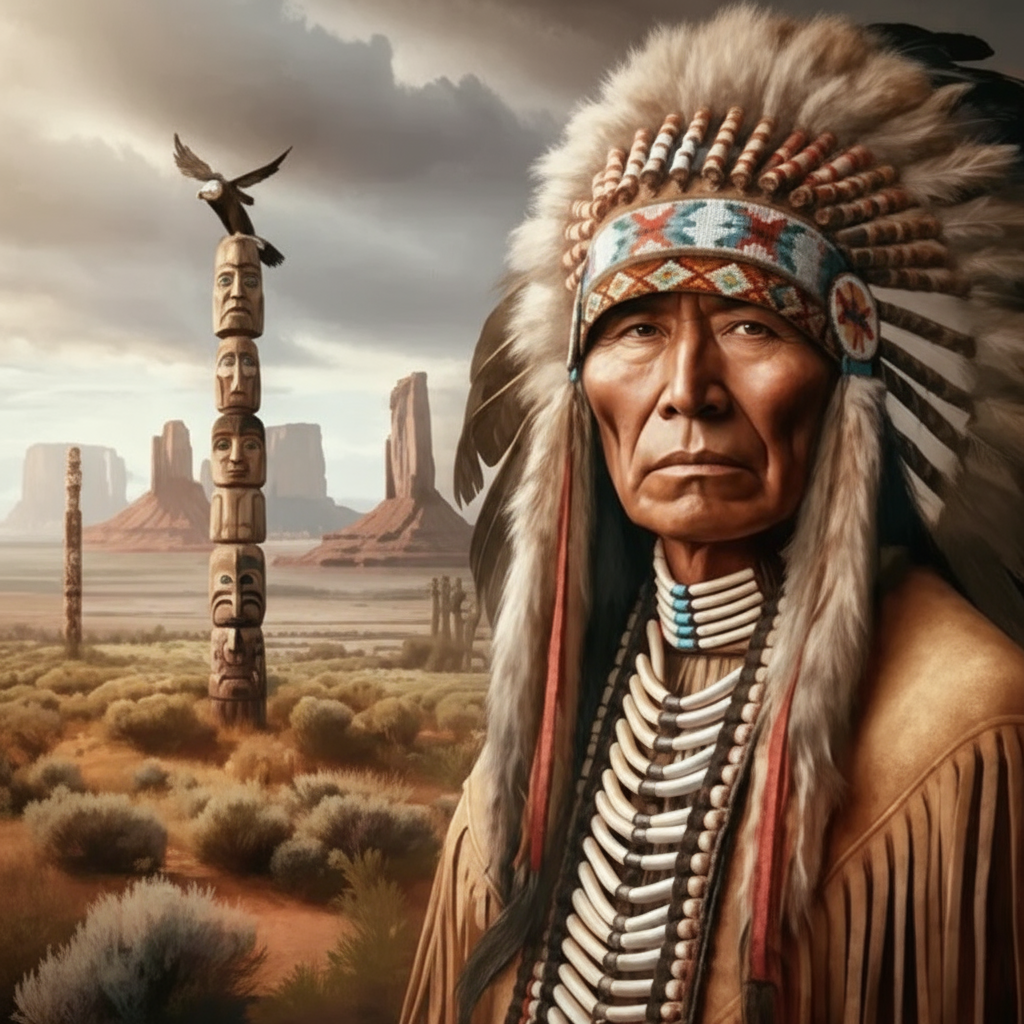
"Native American" encompasses hundreds of distinct nations with different languages, cultures, and naming traditions. Lakota naming differs from Navajo conventions; Cherokee practices diverge from Iroquois traditions. Any generator claiming to produce generic "Native American names" flattens this diversity problematically.
Cultural Sensitivity
Native American naming requires particular sensitivity, given the historical suppression of indigenous languages and forced renaming in boarding schools. Writers using Native American names should research specific tribal traditions rather than appropriating generic "Indian" stereotypes.
Nature Connections
Many tribal naming traditions connect individuals to natural phenomena—animals, weather, and landscape features. These names often describe qualities or characteristics rather than serving as arbitrary labels. A name meaning "Running Deer" describes speed and grace; one meaning "Strong Oak" suggests stability and endurance.
Ceremonial Naming
Several traditions include ceremonial naming practices where names change through life stages. Childhood names differ from adult names; accomplishments might earn new names. This naming fluidity contrasts with Western practices of fixed lifetime naming.
Language Preservation
Many Native American languages face extinction. Using traditional names can support language preservation while honoring cultural heritage. However, this usage should occur respectfully, with an understanding of specific tribal traditions rather than generic appropriation.
Translation Issues
Native American names often translate into English as descriptive phrases—"Sitting Bull," "Crazy Horse"—that can seem like nicknames rather than proper names to English speakers. Understanding that these translations represent meaningful naming in original languages prevents disrespectful treatment.
Contemporary Practice
Contemporary Native Americans navigate multiple naming systems—traditional tribal names, English names, and sometimes names that blend both traditions. Characters reflecting modern Native American experience might carry names from multiple traditions depending on family and community practices.
Research Requirements
Writers should research specific tribal traditions rather than assuming pan-Indian naming practices. Consultation with tribal members or cultural experts helps avoid stereotyping and appropriation.
Frequently Asked Questions
What makes world culture names different from fantasy names?
Fantasy names often prioritize phonetic appeal without cultural grounding—sounds that feel exotic but carry no actual meaning or historical weight. World culture names operate differently. A Korean name like Seojun isn't arbitrary; it combines syllables meaning "auspicious" and "talented" through Hanja characters with centuries of usage history. When I create characters using authentic cultural names versus invented fantasy ones, the difference shows in narrative depth. Real naming traditions embed backstory automatically—family structures, religious influences, geographic origins, and social expectations all compressed into what seems like a simple label. Fantasy names require you to build that context from scratch.
How do I choose the right cultural name generator for my project?
Start with setting and character background rather than aesthetic preference. A story set in feudal Japan demands names following historical Japanese conventions—surname first, era-appropriate given names, proper kanji considerations. A contemporary romance featuring second-generation immigrants might blend traditions, with characters carrying names that reflect their parents' heritage while navigating Western contexts. Consider what your character's name communicates about their family, religion, social class, and geographic origin. Each generator on this page operates on a different cultural logic, so matching that logic to your character's circumstances produces more authentic results than selecting names purely because they sound appealing.
Can I mix names from different cultural generators?
Mixing requires careful consideration of narrative context. Multicultural characters absolutely exist—someone with a Japanese mother and Italian father might carry names reflecting both heritages. But random mixing without in-story justification reads as research failure rather than intentional worldbuilding. If your character has no connection to Korean culture, giving them a Korean name without explanation breaks immersion for readers familiar with that tradition. The exception involves fantasy settings where you're deliberately creating cultures inspired by but distinct from real-world traditions. Even then, internal consistency matters more than variety for its own sake.
Why do some cultures put surnames first?
Eastern Asian naming conventions—Korean, Japanese, Chinese, Vietnamese—place family names before given names, reflecting cultural priorities where collective identity precedes individual identity. You belong to your family before you exist as an autonomous person. Western conventions reverse this, emphasizing individual identity with family affiliation appended afterward. Neither approach is more correct; they encode different philosophical assumptions about personhood and social belonging. When writing characters from surname-first cultures, maintaining that order signals cultural authenticity while reversing it for Western audiences requires conscious localization decisions.
How important are name meanings in different cultures?
Importance varies dramatically. Chinese and Arabic naming traditions treat meaning as foundational—parents select characters or words specifically for the virtues, qualities, or aspirations they encode. A Chinese name combining characters for "wisdom" and "prosperity" literally broadcasts parental hopes. Japanese kanji selection determines whether identical-sounding names mean "lotus," "love," or "cold." Conversely, many Western naming traditions have drifted from meaning toward sound and family tradition—few parents naming their daughter "Jessica" consider its Hebrew meaning "wealthy" as the primary motivation. Understanding where each culture falls on this spectrum helps you decide how much semantic weight to assign when selecting names.
What about pronunciation—does it matter if readers can't say the names?
Pronunciation accessibility involves tradeoffs. Irish names like Saoirse or Caoimhe challenge English speakers completely, yet using them signals authentic Celtic heritage that Anglicized alternatives wouldn't convey. You can include pronunciation guides, use context clues, or accept that some readers will mentally substitute their own approximations. The alternative—avoiding "difficult" names entirely—flattens cultural diversity into Anglo-friendly homogeneity. My approach involves balancing protagonist names that appear frequently against supporting character names where occasional confusion matters less. A main character readers encounter hundreds of times deserves pronunciation consideration; a minor character appearing twice can carry a challenging name without damaging readability.
Are these generators appropriate for naming real children?
Cultural naming carries responsibilities beyond fictional character creation. Naming a child from a tradition you don't belong to raises questions about cultural appreciation versus appropriation that fiction doesn't face. Parents considering names from cultures outside their heritage should research deeply—understanding not just meaning but pronunciation, cultural significance, potential nicknames, and how that name might be received by people from that culture. A name that seems beautiful to outsiders might carry associations—class markers, religious implications, outdated connotations—invisible without insider knowledge. These generators serve creative projects excellently; baby naming requires additional cultural consultation.
How do naming traditions change over time?
Every tradition evolves. Japanese naming shifted from samurai-era conventions emphasizing honor and martial virtue toward modern preferences for softer aesthetics and international accessibility. Korean naming increasingly uses Hangul-only registration rather than traditional Hanja characters. Turkish naming transformed overnight in 1934 when surname laws required hereditary family names where none previously existed. Historical fiction requires period-appropriate naming research; contemporary settings need awareness of current trends rather than assumptions based on traditional patterns. Generational gaps appear within families—grandparents carrying names that sound archaic to grandchildren, selecting from entirely different pools.
What's the difference between a name generator and a name translator?
Generators create names following cultural patterns—combining appropriate elements according to traditional conventions to produce authentic-sounding results. Translators attempt to render existing names from one language into another, finding equivalent sounds or meanings across linguistic systems. If you want a Japanese name for your character, use a generator. If you want to know how your existing English name would be written in Japanese katakana, use a translator. The distinction matters because translated names often sound foreign within their target culture—a Japanese person wouldn't naturally carry a katakana rendering of "Michael" in the same way they'd carry "Takeshi."
How do I avoid cultural stereotypes when using these names?
Stereotyping occurs when names become shorthand for caricatures rather than components of fully developed characters. An Arabic name attached to a terrorist character reinforces harmful associations; the same name given to a complex protagonist with goals, flaws, relationships, and growth beyond their ethnicity creates representation. Avoid naming patterns that reduce cultures to single dimensions—not every Irish character needs a name screaming Celtic mysticism; not every Japanese character requires anime-inspired naming. Research how people within each culture actually use names in contemporary contexts, and build characters whose names fit naturally within their portrayed lives rather than signaling otherness to outside readers.
What are patronymic naming systems, and which cultures use them?
Patronymic systems derive names from the father's name rather than passing fixed surnames through generations. Russian naming exemplifies this—Ivan Petrovich means Ivan, son of Petr, with the "-ovich" suffix indicating paternal descent. Icelandic naming works similarly; Arabic naming includes "ibn" (son of) or "bint" (daughter of) constructions. Traditional Welsh used "ap" (son of) before surnames became fixed. Understanding patronymics matters because characters in these traditions carry their father's identity within their own names, creating automatic genealogical information that fixed-surname cultures lack. A Russian character's patronymic tells you their father's name without additional exposition.
Do all cultures have surnames the way Western countries do?
Fixed hereditary surnames are historically recent and culturally specific. Many cultures operated without them until surprisingly recently—Iceland still doesn't use surnames in the Western sense, and Turkey only mandated them in 1934. Traditional Arabic naming used complex multi-part systems rather than simple first-name-plus-surname structures. Some African cultures prioritize clan names over individual family surnames. Assuming universal surname conventions leads to naming characters inappropriately for their cultural contexts. Research whether your character's culture historically used surnames, and if so, how those surnames functioned—occupationally, geographically, patronymically, or through other systems.
How do nicknames and diminutives work across cultures?
Nickname patterns vary enormously. Russian names have formal, familiar, intimate, and even vulgar diminutive forms appropriate to different relationships—Dmitri becomes Dima among friends, Mitya for lovers. Spanish diminutives follow predictable patterns—Francisco becomes Paco, Guadalupe becomes Lupita. Japanese honorifics like "-chan" and "-kun" modify names based on relationship and social context. Some cultures consider using someone's full formal name in casual contexts rude; others find uninvited nickname use presumptuous. Characters addressing each other naturally require understanding how their culture handles the spectrum from formal to intimate address.
What role does religion play in naming traditions?
Religious influence pervades many naming traditions. Arabic naming draws heavily from Islamic tradition—Muhammad remains globally common, and names like Ibrahim, Fatima, and Zaynab connect bearers to prophetic history. Catholic influence shaped Spanish, Italian, French, and Irish naming for centuries, with saints' names dominating baptismal registers. Hindu naming often references deities—Ganesh, Lakshmi, and Krishna. Jewish naming follows traditions around honoring deceased relatives. Secular naming has increased in many cultures, but understanding historical religious influence helps writers create period-appropriate characters and recognize why certain names cluster in certain communities.
Can the same name mean different things in different cultures?
Absolutely, and this creates both opportunities and pitfalls. "Mira" appears in Spanish (meaning "look"), Hebrew (meaning "sea" or "bitter"), Slavic languages (meaning "peace" or "world"), and Sanskrit (meaning "ocean"). A character named Mira could plausibly belong to multiple cultural backgrounds, but writers should know which meaning applies to their specific character. More dangerously, names that sound pleasant in one language might carry unfortunate meanings in another. Research names across multiple linguistic contexts before committing, especially for characters who will interact across cultural boundaries.
How do I research naming conventions for cultures not covered here?
Start with academic sources on specific cultures rather than generic name websites, which often oversimplify or homogenize distinct traditions. Behind the Name provides etymological depth for many cultures. Regional diaspora communities often maintain naming resources. Literature written by authors from within cultures demonstrates authentic naming patterns in context. University libraries contain anthropological studies of naming practices. Most importantly, recognize that internet generators—including this one—provide starting points rather than comprehensive cultural education. Deep authenticity requires research beyond any single tool.
What's the best approach for naming characters in historical fiction?
Historical naming requires temporal specificity that modern generators may not provide. A 12th-century English peasant wouldn't carry the same name as a Victorian gentleman; Renaissance Italian naming differed from contemporary Italian conventions. Research primary sources from your specific period—census records, church registers, literary works, and legal documents. Understand what names existed in your period, which social classes used which names, and how naming conventions have since changed. Anachronistic naming—giving medieval characters modern names or vice versa—breaks historical immersion for knowledgeable readers.
How do immigration and diaspora affect naming traditions?
Immigrant families often navigate multiple naming systems simultaneously. First-generation immigrants might maintain traditional names; second-generation children might carry hybrid names or names selected for accessibility in their new country. Third-generation families sometimes return to ancestral naming as heritage reclamation. Characters reflecting diaspora experience might have legal names differing from family-use names, or names that signal their position between cultures. A Chinese-American character might be "Jennifer" at school and "Mei-Ling" at home, with that duality itself communicating cultural navigation.
Why do some cultures have very common surnames while others have unique ones?
Surname concentration reflects historical naming system origins. Korean surnames concentrate into roughly 250 options because the system is derived from limited clan structures—Kim alone accounts for over 20% of the population. Chinese surnames similarly concentrate due to ancient clan-based naming. Conversely, cultures where surnames developed from individual characteristics, occupations, or locations—like many European traditions—generated more surname diversity. Understanding surname distribution helps writers avoid implausible naming. A story set in Korea with twelve characters all having different surnames reads as unrealistic to Korean readers.
What should I know about gender and naming across cultures?
Gender marking in names varies culturally. Many Arabic names are strictly gendered; many Chinese names aren't. Japanese names often indicate gender through kanji selection rather than pronunciation—identical sounds might be masculine or feminine depending on written form. Some cultures have unisex names that Western readers might gender incorrectly. Transgender and non-binary naming raises additional considerations in cultures with strongly gendered naming conventions. Writers should research how their specific culture handles gender in naming rather than assuming Western patterns apply universally.