Halfling Name Generator
Enjoy simple pleasures with our halfling name generator! Discover hobbit-style names great for DnD 5e, Lord of the Rings, or Shire-inspired campaigns.
Gender Preference
Generating magical names...
Create Authentic D&D Character Names
Rolling up a halfling character for your next campaign? A great name brings your diminutive hero to life before they ever set foot in a tavern or face down a dragon. Halflings—those cheerful, brave folk standing roughly three feet tall—deserve names that capture their love of comfort, community, and the occasional grand adventure.
This guide explores halfling naming traditions across D&D 5e and Pathfinder, breaking down the anatomy of authentic names while helping you choose options that resonate with your character's personality and backstory. Whether you're crafting a lightfoot rogue who slips through shadows or a stout fighter with dwarven resilience, you'll discover how the right name transforms a character sheet into a living, breathing individual.
Understanding Halfling Culture and Identity
Halflings thrive in a world dominated by larger races through charm, adaptability, and an uncanny knack for avoiding trouble. These small humanoids rarely build kingdoms or claim vast territories. Instead, they weave themselves into the fabric of other societies, establishing cozy communities within human cities or maintaining pastoral villages far from the clash of empires.
Physical Characteristics
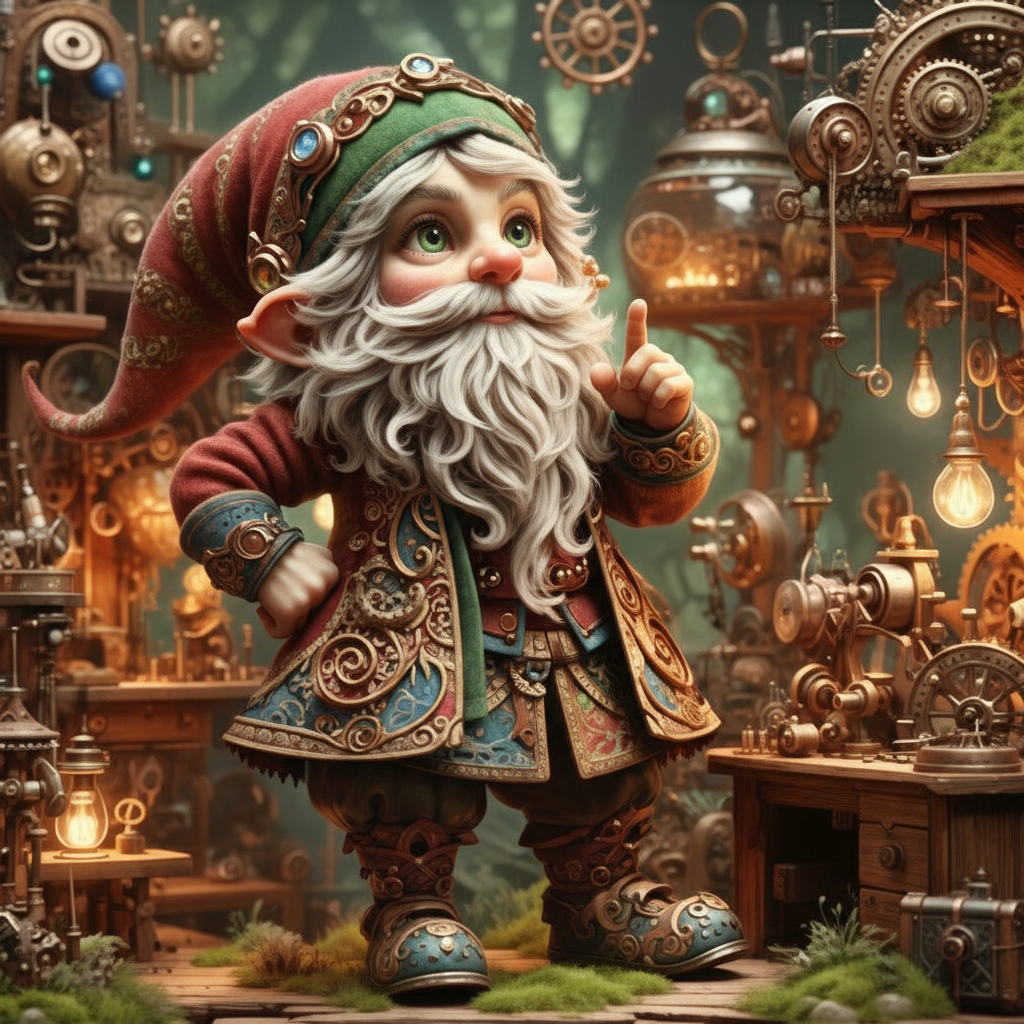
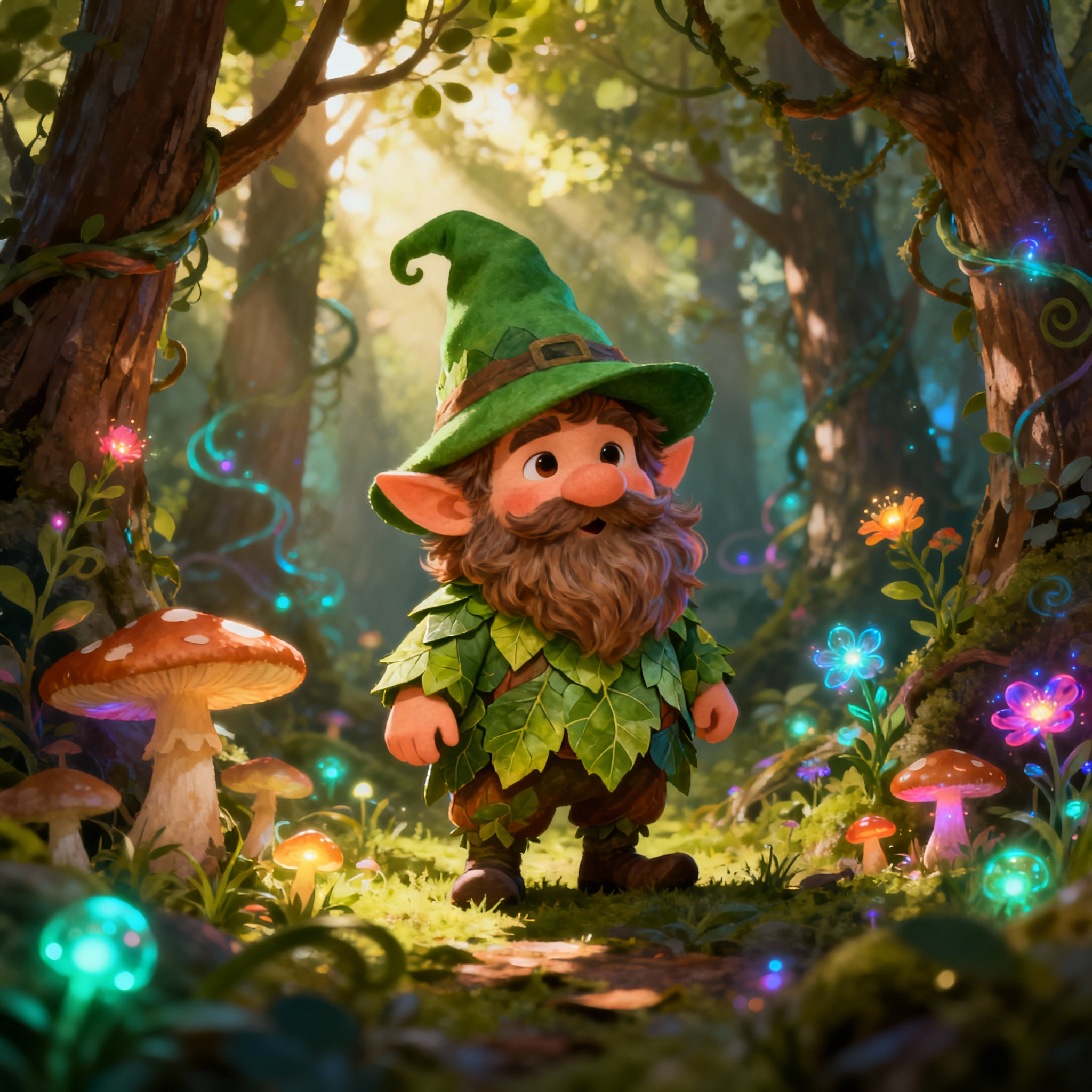
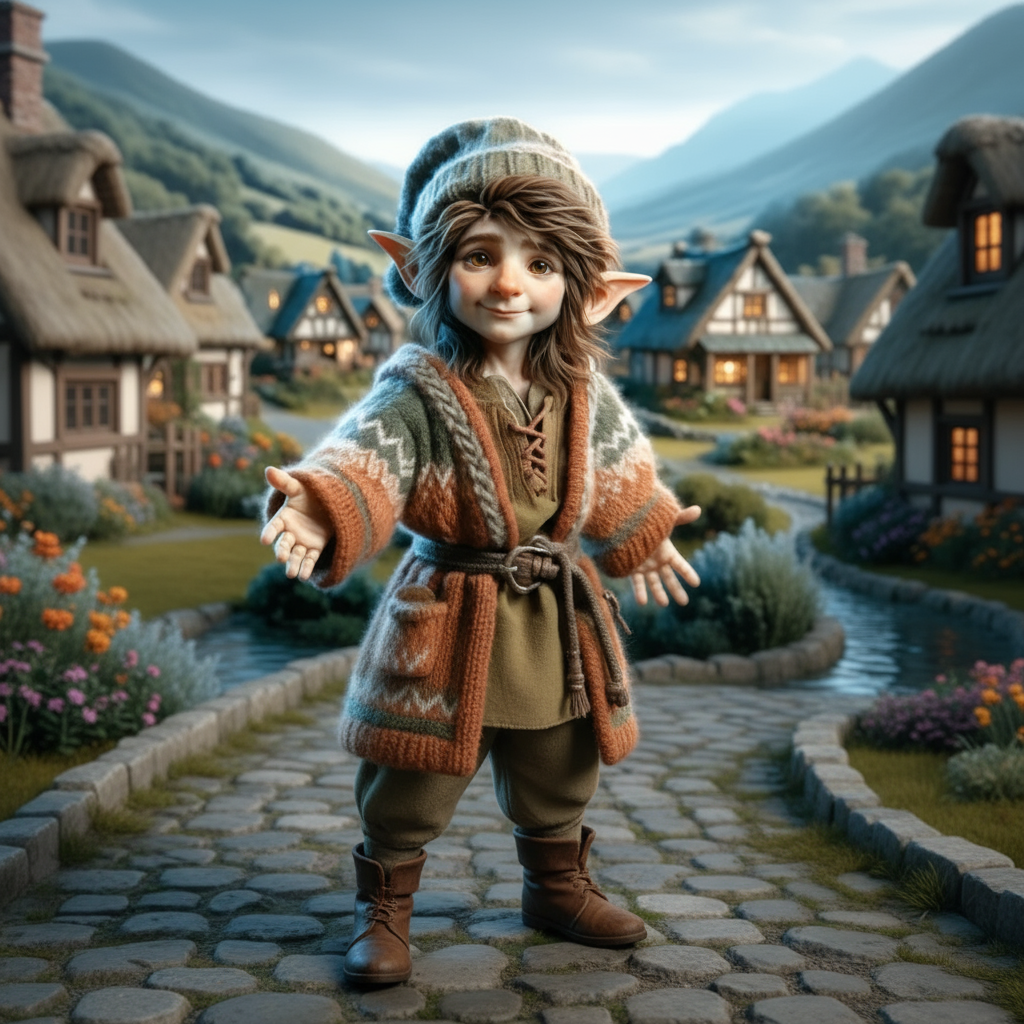
Standing about 3 feet tall and weighing 40-45 pounds, halflings possess proportions that vary between individuals. Some resemble miniature adults with slightly oversized heads, while others maintain more childlike proportions throughout their lives. Most prefer walking barefoot, developing tough, calloused soles over time. Thick, curly hair—often brown or sandy blond—warms the tops of their broad feet. Their skin ranges from tan to pale with ruddy undertones, and their eyes typically shine in shades of brown or hazel.
Halfling men occasionally sport long sideburns, though full beards remain rare and mustaches even more so. Practical by nature, they favor simple, comfortable clothing in bright, cheerful colors that reflect their optimistic outlook.
Cultural Values
Family bonds and friendship form the bedrock of halfling society. These affable people cherish the comforts of hearth and home, harboring few dreams of gold or glory. Even halfling adventurers typically venture forth for reasons rooted in community—protecting their neighbors, supporting friends, satisfying wanderlust, or pursuing curiosity about the wider world.
Halflings display remarkable generosity, sharing what they have even during lean times. They're easily moved to compassion and cannot abide seeing any living thing suffer. This kind nature combines with fierce loyalty; when friends, family, or communities face threats, halflings reveal surprising ferocity beneath their cheerful exteriors.
Settlement Patterns
Most halflings establish small farming communities with well-kept groves and abundant harvests. They rarely recognize nobility or royalty, instead looking to family elders for guidance. These traditional ways persist across generations, surviving the rise and fall of surrounding empires.
Some halfling communities embrace nomadic lifestyles, traveling by wagon or boat while maintaining no permanent home. Others integrate seamlessly into human, dwarven, or elven settlements, where their reliability and loyalty earn abundant rewards and comfortable living.
The Anatomy of Halfling Names
Halfling naming conventions follow a straightforward three-part structure: a given name, a family name, and possibly a nickname. This system reflects their practical nature and emphasis on community ties over individual glory.
Given Names
A halfling receives their first name at birth, typically chosen by parents or family elders. These names favor gentle sounds with soft consonants, usually spanning two to three syllables. The phonetic quality emphasizes warmth and approachability rather than grandeur.
According to Pathfinder lore, halflings prefer names that sound humble. They view overly long or complex names as signs of arrogance. However, they understand that elves and humans might maintain longer names to suit their own aesthetic preferences.
Male Given Names: Alton, Ander, Cade, Corrin, Eldon, Errich, Finnan, Garret, Lindal, Lyle, Merric, Milo, Osborn, Perrin, Reed, Roscoe, Wellby
Female Given Names: Andry, Bree, Callie, Cora, Euphemia, Jillian, Kithri, Lavinia, Lidda, Merla, Nedda, Paela, Portia, Seraphina, Shaena, Trym, Vani, Verna
Family Names
Halfling surnames often began as nicknames that proved so apt they passed down through generations. These compound names typically reference nature, occupations, or geographical features near the family's home. The descriptive quality captures the halfling philosophy of finding identity through place and purpose rather than conquest or nobility.
Family Name Examples: Brushgather, Goodbarrel, Greenbottle, High-hill, Hilltopple, Leagallow, Tealeaf, Thorngage, Tosscobble, Underbough
Nicknames
While not universal, many halflings acquire nicknames that stick throughout their lives. These informal names might reference personality traits, memorable incidents, or physical characteristics. Among close friends and family, nicknames often replace formal given names entirely.
Lightfoot vs. Stout Halfling Distinctions
The two primary halfling subraces—lightfoot and stout—share cultural foundations but exhibit distinct traits that can influence naming choices and character concepts.
Lightfoot Halflings
Lightfoot halflings possess a natural gift for stealth, capable of hiding even when using larger creatures as cover. They're particularly inclined toward wanderlust, often dwelling alongside other races or adopting nomadic lifestyles. In the Forgotten Realms, lightfoot halflings have spread the farthest and represent the most common variety. Some settings call them "hairfeet" or "tallfellows."
Their affable nature helps them get along well with diverse people. A lightfoot halfling character might bear a name reflecting their travels or connections to various cultures. Names like "Wellby Tosscobble" or "Merric Underbough" suit lightfoot halflings who've journeyed far from their ancestral homes.
Stout Halflings
Stout halflings display hardier constitutions than their lightfoot cousins, with some resistance to poison. Legends suggest they possess dwarven blood, though the truth remains unclear. In the Forgotten Realms, they're called "stronghearts" and remain most common in southern regions.
Stout halflings tend toward more settled communities, maintaining stronger ties to ancestral lands. Their names might emphasize stability and tradition. Consider names like "Garret Goodbarrel" or "Osborn High-hill" for stout halflings deeply rooted in their homeland's soil.
Using a Halfling Name Generator Effectively
Name generators serve as excellent starting points for character creation, sparking creativity when you're staring at a blank character sheet. However, the key lies in understanding how to evaluate and customize generated results to fit your specific character concept.
Evaluating Generated Names
When a generator produces options like "Milo Burrows" or "Daisy Underhill," examine how the name's components work together. Does the given name's sound match your character's personality? Does the surname suggest an appropriate background—perhaps a family of barrel makers (Goodbarrel) or those dwelling beneath hills (Underhill)?
Consider the name's etymology. Halfling names draw from Germanic, Old English, Latin, and Dutch roots, reflecting their evolution as a fantasy race with human-like characteristics. A name like "Peregrin" (Latin for "traveler") perfectly suits a wandering lightfoot halfling, while "Regis" (Latin for "kingly") might create interesting irony for a humble stout halfling.
Customization Strategies
Don't feel bound by generated results. Mix and match given names with different surnames until you discover a combination that resonates. If "Lavinia Tealeaf" doesn't quite capture your character, try "Lavinia Thorngage" or "Shaena Tealeaf" instead.
Add a nickname if it fits your character's backstory. Perhaps your halfling earned the moniker "Lucky" after surviving an impossible fall, or "Pippin" because they always carried a musical pipe. These informal names add depth and provide natural conversation hooks during gameplay.
Matching Names to Character Class
Your halfling's profession and personality should influence name selection. A roguish character might suit names with quick, sharp sounds like "Lyle" or "Kithri." A cleric devoted to community service could bear names emphasizing virtue or nature—"Cora" (maiden) or "Trym" (firm).
Consider how surnames reflect occupation or background. "Brushgather" suggests herbalism or artistic pursuits. "Goodbarrel" implies brewing or coopering traditions. "Hilltopple" hints at an adventurous, perhaps clumsy, family history. Let these details inform your character's backstory and role-playing choices.
Cultural Influences on Halfling Naming
Halfling names reflect their position as a race that blends seamlessly into other cultures while maintaining a distinct identity. Understanding these influences helps create names that feel authentic within your campaign setting.
Human Integration
Halflings living among humans often adopt naming patterns that echo their neighbors' traditions while preserving halfling phonetic preferences. A halfling raised in a human city might bear a name like "Andry Goodbarrel"—combining a given name that sounds comfortably human with a distinctly halfling surname.
This integration extends to cultural practices. Halflings adapt to local religions, customs, and social structures, adding their unique perspectives. Their names become bridges between cultures, familiar enough to avoid suspicion yet distinctive enough to preserve heritage.
Nature and Rural Life
Pastoral halfling communities maintain closer connections to agricultural rhythms and natural cycles. Names from these settings frequently reference plants, seasons, geographical features, and simple pleasures. "Daisy," "Marigold," and "Rose" among females, or "Reed" and "Wellby" among males, capture this rural sensibility.
Family names from rural communities often describe occupations or locations: "Brushgather" (one who collects herbs or painting materials), "Leagallow" (dweller by a meadow league), "Tealeaf" (tea cultivator or seller). These names ground characters in specific lifestyles and economic realities.
Tolkien's Enduring Legacy
J.R.R. Tolkien's hobbits—the literary ancestors of D&D halflings—established naming conventions that still resonate today. Names like Frodo, Bilbo, Samwise, and Peregrin combine familiar sounds with slight alterations that create a fantasy flavor without losing accessibility.
Tolkien's approach—using recognizable elements (Sam/Samwise, Merry/Meriadoc) while adding whimsical twists—provides an excellent template. Modern halfling names often follow this pattern: "Milo" echoes "Miles," "Cade" resembles "Caden," "Portia" references Shakespeare while maintaining appropriate phonetics.
Creating Memorable Backstories Around Names
A well-chosen name becomes the foundation for a rich character history. Use your halfling's name as a springboard for developing meaningful backstories that enhance role-playing opportunities.
Family Name Stories
Every halfling family name carries a story. If your character is named "Merric Hilltopple," explore why ancestors earned that surname. Perhaps a legendary Hilltopple once tumbled down a crucial hillside, alerting their village to approaching danger. Or maybe the family lives on particularly steep terrain, and the name serves as both description and gentle self-deprecation.
Create generational depth by deciding how long your family has carried this name. Has "Goodbarrel" identified your kin as master coopers for ten generations, or did great-grandfather earn it just forty years ago through exceptional brewing talent? These details provide context for your character's skills, values, and relationships.
Given Name Significance
Consider who named your character and why. Did your mother choose "Lavinia" to honor a beloved aunt? Were you named "Perrin" because you were born during your family's long journey to a new home? Did your name come with expectations you've embraced or rejected?
Perhaps your given name creates tension with your chosen path. A halfling named "Reed" (suggesting flexibility and resilience) who became a stubborn fighter presents an interesting internal conflict. A character called "Euphemia" (well-spoken), who struggles with social anxiety, creates opportunities for growth and development.
Nickname Origins
If your halfling carries a nickname, detail its origin. These informal names often emerge from defining moments or persistent traits. "Lucky" might reference a near-death experience that shaped your character's worldview. "Pudding" could stem from childhood devotion to a particular dessert, revealing your character's love of simple pleasures.
Nicknames can also highlight relationships. Perhaps only your closest friends use your nickname, while formal situations demand your given name. Or maybe you're trying to leave behind a childhood nickname that no longer fits who you've become.
Sample Halfling Names by Personality Type
Different personalities suit different naming styles. Consider these categorized options when developing your character concept.
Adventurous and Bold
- Merric Tosscobble (male)
- Kithri Hilltopple (female)
- Perrin Thorngage (male)
- Shaena Brushgather (female)
These names suggest characters comfortable with risk and change. Surnames like "Tosscobble" and "Hilltopple" imply movement and unpredictability, while given names with sharp consonants create energetic sounds.
Warm and Community-Focused
- Milo Goodbarrel (male)
- Cora Tealeaf (female)
- Wellby Leagallow (male)
- Verna Underbough (female)
Names emphasizing comfort, craft, and home suit characters devoted to protecting and nurturing their communities. Surnames reference hospitality (Goodbarrel), cultivation (Tealeaf), or shelter (Underbough).
Clever and Resourceful
- Lyle High-hill (male)
- Lidda Greenbottle (female)
- Roscoe Brushgather (male)
- Paela Thorngage (female)
Quick, efficient sounds match characters who solve problems through wit rather than force. These names suggest adaptability and keen observation—traits essential for survival in a world of larger folk.
Traditional and Steadfast
- Garret Goodbarrel (male)
- Andry Underbough (female)
- Osborn High-hill (male)
- Portia Tealeaf (female)
Softer sounds and surnames emphasizing stability suit characters deeply rooted in halfling traditions. These names suggest reliability, honor, and connection to ancestral ways.
Tips for Memorable Halfling Characters
Beyond names, creating compelling halfling characters requires attention to traits that make these small folk distinctive and engaging at your gaming table.
Embrace the Duality
Halflings exist in tension between wanderlust and home comfort, bravery and caution, joy and pragmatism. Lean into these contradictions. Your character might dream of adventure while constantly mentioning their comfortable hobbit-hole. They could display remarkable courage in battle yet insist on carrying extra rations "just in case."
Scale Matters
Never forget that your halfling navigates a world built for beings twice their size. Describe how they climb onto barstools, peer over counters, or struggle with doors designed for humans. These details ground your character's experience and create opportunities for both humor and heroism.
Cultural Values in Action
Show how halfling values shape your character's decisions. When faced with moral dilemmas, how does your loyalty to friends influence your choices? Does your character's generosity ever conflict with survival needs? Do they seek straightforward solutions or sometimes overthink problems?
Sensory Details
Halflings appreciate simple pleasures—good food, comfortable homes, warm companionship. Describe how your character savors a well-cooked meal or finds contentment in a sunny afternoon. These moments of joy contrast with dangerous adventures, making both more meaningful.
Frequently Asked Questions
What's the difference between halflings and hobbits?
Hobbits are J.R.R. Tolkien's creation, appearing in The Hobbit and The Lord of the Rings. Halflings are the generic fantasy equivalent used in D&D and Pathfinder to avoid trademark issues. They share nearly identical characteristics—small stature, hairy feet, love of comfort—but "halfling" allows game designers to create their own lore while acknowledging Tolkien's influence.
Can halflings have longer, more complex names?
While traditional halfling culture favors simple names, individual characters might adopt longer names for various reasons. A halfling who spent years among elves might use an elvish-style name. One seeking to impress larger folk might insist on formal titles. However, most halflings view such affectation with gentle mockery, preferring humble simplicity.
How do halfling naming conventions differ between D&D and Pathfinder?
The core naming principles remain consistent across both systems. Pathfinder explicitly notes that halflings prefer two-to three-syllable names with gentle sounds, viewing complexity as arrogance. D&D 5e provides similar examples without stating this rule explicitly. Both systems present halflings as favoring practical, humble names reflecting their values.
Should my halfling's name reflect their subrace?
Not necessarily. While you might choose names that subtly hint at lightfoot wanderlust or stout stability, halflings of both subraces share naming traditions. Family names remain more important than subrace for establishing identity. Focus on matching your name to personality and backstory rather than mechanical traits.
Can I use real-world names for my halfling?
Halfling names intentionally echo real-world names, particularly those with Germanic, Old English, Latin, or Dutch origins. Names like "Carl" (Germanic for "free man"), "Daisy" (Old English for "day's eye"), or "Pearl" (Latin for "pure") work perfectly. Avoid names that feel too modern or culturally specific to contemporary Earth—"Tyler" or "Sakura" would break immersion, while "Reed" or "Rose" maintain appropriate fantasy flavor.
How important is name etymology for gameplay?
Etymology enriches your character but isn't essential for enjoying the game. Knowing that "Meriadoc" means "sea brow" might inspire backstory elements involving coastal origins, but you can play a compelling character without such knowledge. Use etymology as a tool when it enhances your experience; ignore it when it doesn't.
What if I don't like any of the generated names?
Generators provide starting points, not final decisions. Mix elements from different generated results, consult the example names from official sources, or create variations on names you encounter in fantasy literature. The goal is finding a name that feels right for your character—trust your instincts over any tool.
Bringing Your Halfling to Life
The perfect halfling name does more than fill a line on your character sheet. It establishes identity, suggests backstory, and provides role-playing hooks that transform mechanical statistics into a living personality. Whether you choose "Milo Burrows" for its humble, earthy quality or "Seraphina Hilltopple" for its elegant contrast with tumbling ancestors, your name becomes the first word other players associate with your character.
As you develop your halfling adventurer, remember that these small folk succeed not despite their size but because of qualities that transcend physical stature—loyalty, cleverness, courage, and an infectious optimism that brightens even the darkest dungeon. Let your character's name reflect those virtues, and you'll create a hero your gaming group remembers long after the campaign ends.
Start with a name that resonates, build a backstory that matters, and step into your next adventure as a halfling ready to prove that the mightiest hearts often beat in the smallest chests.