Troll Name Generator
Regenerate endlessly with our troll name generator! Create brutish names perfect for DnD 5e monsters, Warcraft Darkspear, or Scandinavian folklore.
Gender Preference
Generating magical names...
Create Fearsome Names for Fantasy RPGs
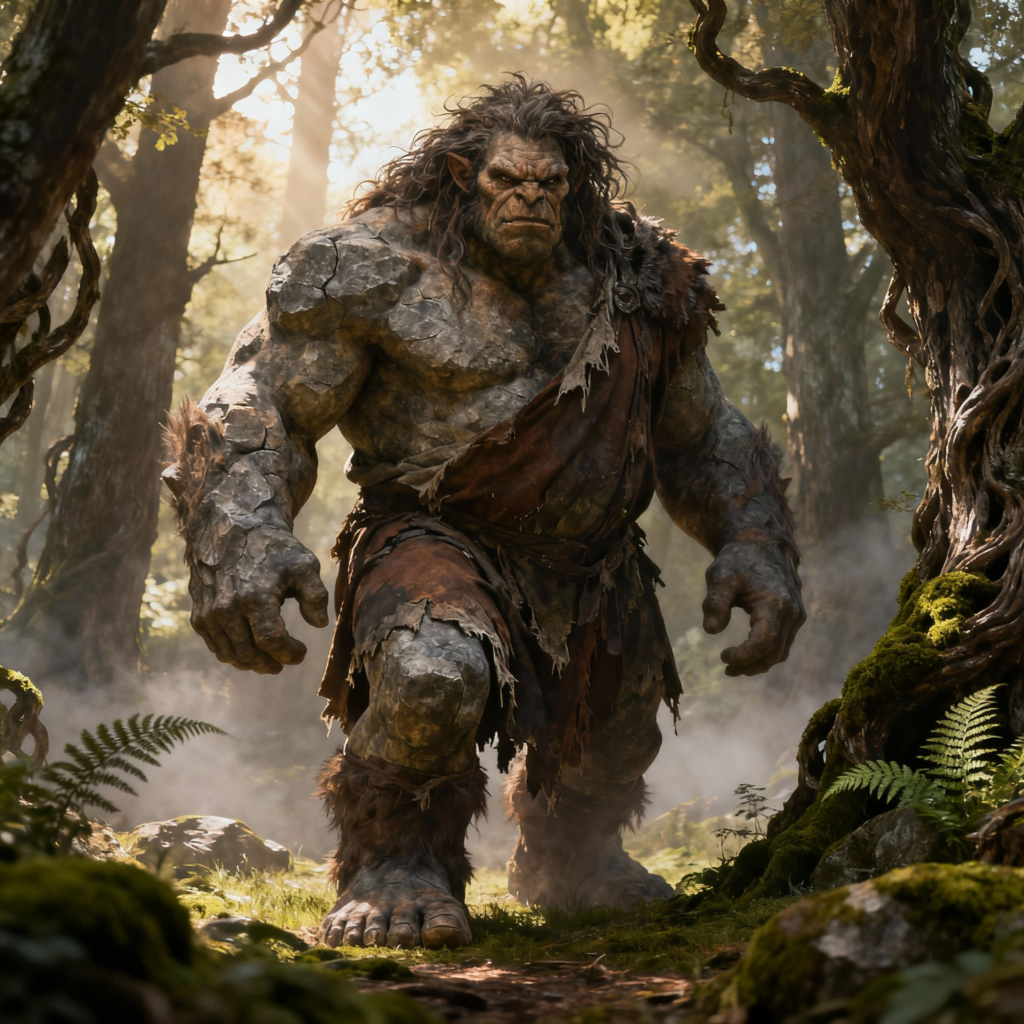
Every Dungeon Master knows the moment when players round a corner and face their first troll. The creature's hunched silhouette, impossibly long arms dragging across stone, and that singular pointed skull—all create an atmosphere of dread. But nothing sells the encounter quite like the right name.
A poorly chosen troll name breaks immersion faster than a critical fumble. Call your creature "Steve the Troll," and watch your players suppress laughter instead of fear. But announce "Grothak Stinkfoot emerging from the swamp," and suddenly the threat feels visceral and real.
Troll names carry weight in fantasy gaming. They need to sound primitive yet menacing, guttural yet memorable. Whether you're crafting encounters for Dungeons & Dragons 5e, building characters for World of Warcraft's Darkspear tribe, or drawing inspiration from Norse folklore, the name you choose shapes how players perceive the threat before them.
This guide explores the art and science of troll naming conventions across different fantasy universes, from the syllabic structures of Warcraft's Zandali language to the brutal simplicity of D&D monsters. You'll discover why harsh consonants matter, how to balance primitive sounds with memorable impact, and exactly how to use a troll name generator to create names that enhance your worldbuilding rather than undermine it.
Why Troll Names Matter in Fantasy Gaming
The distinction between a forgettable encounter and a legendary one often comes down to details. Troll names function as shorthand for everything these creatures represent: primal chaos, regenerative horror, and savage hunger. When you announce a troll's presence, that name should feel like it could scrape across vocal cords, spitting from a speaker's mouth with the same brutality the creature itself embodies.
Consider the psychological impact. Players hearing "Grendel approaches from the darkness" immediately access centuries of monster mythology. The Old English origins of that name—meaning "monster" or "destroyer"—carry weight that purely invented terms struggle to match. Meanwhile, "Gnarlsnarl Fleshwrecker" tells a complete story in two words: this creature is twisted, violent, and anatomically interested in your party's well-being.
Troll naming conventions also serve practical worldbuilding functions. In World of Warcraft, the Darkspear tribe uses apostrophes to separate syllables (Vol'jin, Sen'jin), with the suffix "-jin" denoting chieftain or elder status. According to Wowpedia, "Troll given names are usually one syllable, to facilitate the additions of titles." This systematic approach creates cultural consistency—players immediately recognize troll NPCs by their naming patterns alone.
D&D takes a different approach. Trolls in Forgotten Realms possess no formal language of their own, instead speaking a "guttural mix" called Trollspeak. The D&D Monster Manual describes trolls as having "rubbery, greenish skin" and being "nine feet high," weighing "roughly 500 pounds." These creatures are chaotic evil by nature, worshipping Vaprak the Destroyer. Their names reflect this primitive brutality—short, harsh, and unmistakably monstrous.
Norse folklore offers yet another perspective. In Old Norse literature, trolls appear more as categories than characters. Scholar Ármann Jakobsson notes that "the troll is often defined by its opposition to gods and humans, rather than by a stable identity." The few named trolls that do exist in medieval sources—like Grýla, a child-stealing troll woman from Icelandic tradition—carry names that emphasize their outsider status and dangerous nature.
The Anatomy of a Perfect Troll Name
Effective troll names share specific phonetic characteristics that transcend individual fantasy settings. After analyzing hundreds of troll names across gaming systems and folklore traditions, several patterns emerge consistently.
Harsh Consonants Dominate
Guttural sounds form the backbone of memorable troll names. The consonants K, G, T, R, and hard C create that unmistakable brutish resonance. "Grothak" feels more trollish than "Silvan" because those hard consonants mirror the creatures' physical nature—rough, jagged, and unrefined.
Compare these examples:
- Strong troll names: Grug, Brog, Krug, Thronk, Skrag
- Weak troll names: Lyrian, Aerion, Silvain, Melodien
The difference is immediate. Strong troll names sound like they could be grunted through clenched teeth, while weak names flow too smoothly for creatures described as having "gaping maws" and "flesh-tearing claws."
Onomatopoeia Enhances Authenticity
The best troll names echo the sounds these creatures make or the environments they inhabit. "Gnash" suggests teeth grinding together. "Thud" mimics heavy footfalls. "Skrag" captures the scraping of claws on stone. These onomatopoeic elements create sensory associations that deepen immersion.
Syllable Structure Matters
Troll names typically fall into two categories:
- Mononymic names (single names): Grug, Brog, Krug, Grendel, Bolg
- Names with descriptive surnames: Grothak Stinkfoot, Gnarlsnarl Fleshwrecker, Gnarltusk Cavecrusher
According to Fantasy Name Generators, trolls "usually lack surnames, which is often because they're depicted as more primitive or just downright dumb." When surnames do appear, they describe physical traits (Ironhide, Stonefist) or abilities (Skullcrusher, Fleshrender).
The syllable count also affects perceived intelligence and status. Single-syllable names (Grug, Brog) suggest savage simplicity, while multi-syllable names (Grummok, Throngulak) imply greater complexity—perhaps a troll chieftain or ancient specimen.
Avoid Common Naming Pitfalls
Certain approaches undermine the monstrous impact you're trying to create:
- Human names that sound too normal: Bert, Tom, and Bill work in Tolkien's The Hobbit specifically because they create comedic contrast, but this rarely translates well to serious campaigns
- Overly complex spellings: Names like "Xz'thorgulak'kh'neth" become unpronounceable and forgettable
- Generic fantasy clichés: Adding apostrophes randomly or throwing in "dark" and "shadow" without purpose
- Inconsistent cultural elements: Mixing Norse, Orcish, and completely invented syllables within the same troll tribe breaks worldbuilding consistency
Troll Naming Conventions Across Fantasy Universes
Different fantasy settings approach troll nomenclature with varying degrees of systematization. Understanding these conventions helps you create names that feel appropriate for specific contexts.
World of Warcraft: Darkspear and Zandalari Conventions
Warcraft trolls follow highly structured naming patterns rooted in the Zandali language. Wowpedia documents several key conventions:
Prefixes Denoting Status
- "Zen-": Druid prefix (Zen'Kiki, Zen'tabra)
- "Zul'-": Voodoo master prefix (Zul'jin translates roughly to "Great Tribal Witch Doctor")
Suffixes Indicating Social Position
- "-jin": Chieftain or Elder (Vol'jin, Sen'jin)
- "-' aka": Daughter of someone (Ohgan'aka, daughter of Ohgan)
- "-' fon": Loner or social outcast
Name Structure Rules
- Male names: Vol, Ros, Mig, Gal
- Female names: Shi, Mith, Hai, So
- Most names are monosyllabic to facilitate title additions
- Some trolls drop given names entirely, using only titles
This system creates immediate cultural recognition. Players seeing "Zen'Balai" instantly know they're dealing with a druid. The apostrophe placement isn't random—it marks syllable divisions and title attachments.
Dungeons & Dragons 5e: Primitive Monster Names
D&D trolls lack the sophisticated naming systems of Warcraft. According to the Forgotten Realms Wiki, trolls have "no language of their own" but speak Jotun (the Giant language) and "Trollspeak," described as "a guttural mix of other languages."
Named troll examples in D&D lore are rare. One documented case is Proffit, the two-headed leader of the Trollmoors in the late 14th century DR. The name itself suggests profit or advantage—perhaps this troll earned its name through cunning rather than brute force.
D&D troll naming tends toward:
- Short, harsh single-syllable sounds
- Descriptive compound names (Stonecrusher, Bonegnaw)
- Nature-based elements (Moss, Stone, Mud, Rock)
- Physical characteristics (Two-headed, Ironhide, Sharpclaw)
The D&D approach emphasizes that trolls are monsters first, not complex cultural beings. Their names function more as labels than identities.
Norse Folklore: The Absence of Named Trolls
Ironically, the cultural tradition that inspired much modern fantasy troll imagery provides the fewest actual troll names. Scholar Ármann Jakobsson explains in The Troll Inside You that "trolls in medieval texts are flexible categories rather than a single species."
The handful of attested Norse troll names include:
- Grýla: A troll woman from Icelandic tradition associated with child-stealing and winter danger
- Leppalúði: Grýla's husband in later Icelandic poetic tradition
- Hrímgerðr: A giantess or troll-like figure from Helgakviða Hjǫrvarðssonar in the Poetic Edda
Karen Parsons notes in her study of Icelandic manuscripts that Grýla becomes central in the tradition of Grýlukvæði (Grýla poems), representing domestic monster figures tied to seasonal folklore. These names feel different from gaming conventions—more grounded in actual medieval culture than fantasy invention.
The takeaway for modern creators: Norse sources provide atmosphere and cultural weight rather than a catalog of ready-made names. Names like Grýla work because they're rooted in genuine tradition, not manufactured fantasy.
How to Use a Troll Name Generator Effectively
Modern troll name generators offer powerful customization options that go far beyond random selection. Understanding how to leverage these tools transforms them from novelty toys into serious worldbuilding assets.
Essential Generator Features
Quality troll name generators provide several key options:
Gender Selection
- Male names typically emphasize brute strength (Dovregubben, Grawp, Grinder)
- Female names often connect to nature and forest spirits (Huldra, Skogsra, Hulder)
- Neutral/unisex options work for creatures whose gender is irrelevant (Copper, Nokken)
Syllable Control
Adjusting syllable count affects perceived intelligence and status:
- 1 syllable: Savage, primitive (Grug, Krug, Bolg)
- 2 syllables: Balanced, memorable (Grendel, Brogak, Skorr)
- 3-4+ syllables: Complex, possibly ancient or high-status (Grothakul, Throngulak, Vorlgrimmar)
Length Preferences
- Short names (4-6 letters) create immediate impact
- Medium names (7-10 letters) offer more flavor
- Long names (11+ letters) work for legendary trolls or boss encounters
Prefix and Suffix Filtering
Starting or ending constraints help match existing campaign nomenclature:
- Start with "Gr-" to match established troll NPCs
- End with "-ak" for consistency with other monsters
Advanced Generator Strategies
Generate in Batches
Don't settle for the first result. Generate 20-30 names, then shortlist the most promising 5-6. This approach reveals patterns and helps you identify what resonates with your creative vision.
Mix and Match Components
Take "Grothak" from one result and "Stinkfoot" from another to create "Grothak Stinkfoot." Most generator outputs can be remixed this way, giving you control over the final product while benefiting from algorithmic variety.
Consider Context First
Before generating anything, define:
- Troll's role (wandering monster, boss encounter, recurring NPC)
- Environmental habitat (swamp, mountain, cave, arctic)
- Intelligence level (mindless brute vs. cunning predator)
- Campaign tone (serious horror vs. comedic fantasy)
A name perfect for a comedic one-shot ("Brog the Confused") falls flat in a gritty survival campaign where trolls represent existential threats.
Use Meaning as Character Development
Quality generators provide etymologies and meanings alongside names. "Huldra" means "Forest Wanderer" in Norwegian—perfect for a troll that guards ancient woods. "Grummok" suggests a grumpy disposition—ideal for an irritable toll collector. Let these meanings guide character development rather than inventing a backstory that contradicts the name.
Creating Backstories for Your Named Troll
A name without context remains just phonetic noise. The difference between "Gnarlsnarl exists" and "Gnarlsnarl earned his name by surviving a dragon's breath attack that charred his throat, leaving him unable to speak except in twisted snarls" is the difference between forgettable and unforgettable.
Physical Characteristics That Inform Names
Troll anatomy offers rich opportunities for naming logic:
Size and Build
- Massive specimens: Mountainbreaker, Worldeater, Boulderfist
- Deceptively thin frames: Skrindel, Bonegnaw, Wraith
- Hunched posture: Hunch, Stoop, Crawler
Skin and Coloring
- Green-skinned variants: Mossback, Swamphide, Algae
- Grey or stone-colored: Rockjaw, Stoneheart, Ashskin
- Mottled or diseased: Rotflesh, Plaguebearer, Pustule
Distinguishing Features
- Two heads: Twinmaw, Doublemouth, Gemini
- Massive claws: Rendclaw, Fleshripper, Teartalon
- Exposed bone or injuries: Skullface, Ribscar, Bonebrow
Environmental Origins
Where a troll lives shapes both its name and its nature:
Swamp Dwellers
Names should evoke moisture, decay, and ambush: Mudwallow, Bogstrider, Marshstalker, Swampmaw. These trolls might use their environment tactically, dragging prey into quicksand or hiding beneath floating vegetation.
Mountain Trolls
Emphasize stone, avalanche, and altitude: Ridgebreaker, Peakcrusher, Stonefell, Clifftorn. Perhaps they cause rockslides to herd goats or travelers toward ambush points.
Cave Trolls
Focus on darkness, echo, and confinement: Deepdelver, Cavemaw, Grottogrip, Pitdweller. Maybe they're albino from generations without sunlight, their names whispered in fear by miners.
Arctic Trolls
Incorporate ice, wind, and cold: Frostfang, Icebreaker, Snowstalker, Coldheart. These variants might have adapted to extreme cold; their regeneration slowed, but their resistance to frost magic is absolute.
Behavioral Patterns and Earned Names
Some names come not from birth but from deeds:
The Collector
A troll obsessed with hoarding shiny objects might become "Gemgrip" or "Goldmaw," its lair a death trap of treasures surrounding a patient predator.
The Bridge Troll
Classic toll-keeper behavior earns names like "Crossbane" or "Pathward"—creatures who've claimed specific choke points and extract payment in gold or flesh.
The Matriarch
In D&D lore, female trolls typically lead dens. A particularly old and dangerous one might be "Oldmother," "Denkeeper," or "Firstborn"—names suggesting respect tinged with fear.
The Outcast
Trolls with the Warcraft suffix "-'fon" (loner) have stories of exile. Perhaps "Scar'fon" bears facial wounds from losing a dominance fight, now wandering alone and twice as dangerous for his isolation.
Incorporating Regeneration Into Naming
Troll regeneration—their most defining trait—offers narrative goldmines:
- "Returner": A troll that keeps coming back no matter how many times adventurers "kill" it
- "Ashborn": Survived immolation through regeneration gone haywire, now covered in burn scars that constantly heal and reopen
- "Wronglimb": Reattached severed body parts incorrectly, creating a horrifically twisted appearance
- "Splitface": A vertically bisected head that healed with two working eyes but a permanently divided jaw
These names tell complete stories in single words while highlighting the body horror that makes trolls distinctively terrifying.
FAQs About Troll Names and Naming Conventions
What makes a troll name sound authentic?
Authentic troll names prioritize harsh consonants (K, G, T, R), short syllable structures, and meanings that reference physical traits or violent actions. Avoid smooth-flowing sounds or overly complex spellings. Names like "Grug Stonefist" work because they're brutish yet memorable, while "Silvaelon Moonwhisper" sounds like a different fantasy race entirely.
Should I use apostrophes in troll names?
Apostrophes work well for Warcraft-style trolls, where they indicate title attachments (Vol'jin) but feel out of place in D&D's more primitive naming convention. Match your apostrophe use to the fantasy universe you're working within, and be consistent—either all your trolls follow this pattern or none do.
How do I name a female troll differently from a male?
Female troll names often draw from nature and folklore traditions (Huldra, Skogsra) rather than pure brutality, though they should remain harsh-sounding. In D&D lore, female trolls are "typically larger and more powerful than males," so names emphasizing strength and leadership (Matron, Oldmother, Packleader) work well. Avoid making female names sound softer—trolls aren't gendered in ways that mirror human femininity.
Can trolls have surnames or family names?
Most troll naming conventions avoid formal surnames because trolls lack complex social structures. However, descriptive titles function as surnames: "Grothak Stinkfoot" or "Brog Skullcrusher." Warcraft trolls sometimes use tribe names in place of family names. If you do use surnames, make them descriptive rather than hereditary—each troll earns their full name individually.
How many syllables should a troll name have?
One to three syllables typically work best. Single-syllable names (Grug, Krug, Bolg) emphasize primitive brutality. Two-syllable names (Brogak, Gnarlsnarl) balance memorability with impact. Three or more syllables (Grothakul, Vorlgrimmar) suggest higher status, age, or complexity—use these sparingly for boss encounters or legendary specimens.
What are the most common troll name prefixes and suffixes?
Common prefixes include: Gr-, Br-, Kr-, Th-, Sk-, Gn-. Common suffixes include: -ak, -og, -ug, -ash, -ar, -or. For descriptive surnames, expect: -fist, -crusher, -breaker, -render, -gnaw, -maw, -claw, -hide, -jaw, -tooth. These elements combine to create the guttural, violent aesthetic that troll names require.
Can I name a troll character something comedic?
Context matters. Tolkien's Bert, Tom, and Bill work in The Hobbit because the comedy is intentional. In serious campaigns, humorous names break immersion. Consider your table's expectations—comedy-focused games can embrace "Brog the Confused" or "Grunk Accidentally-Smart," while grimdark settings need names that maintain atmosphere. When in doubt, err toward intimidating rather than amusing.
How do I create culturally consistent troll names for an entire tribe?
Establish 2-3 core naming rules for your tribe and stick to them. For example: "All males in the Stonetooth tribe use 'Stone-' prefixes and have two-syllable names ending in hard consonants." This creates pattern recognition (Stonegrak, Stonemor, Stonekul) while allowing variety. Document your rules so you maintain consistency across sessions.
What's the difference between a troll name and an orc name?
Troll names emphasize raw physicality and primitive sounds, while orc names (especially in Tolkien and Warcraft traditions) can include clan affiliations and military ranks. Trolls rarely have the social complexity for names like "Grom Hellscream of the Warsong Clan." Keep troll names simpler, more bestial, and focused on individual traits rather than social connections.
Should trolls have titles in addition to names?
Titles work well for boss encounters or recurring NPCs. "Grothak the Undying" immediately tells players this troll's regeneration is legendary. "Brog, Keeper of the Black Bridge" establishes role and location. Use titles sparingly—most random encounter trolls don't need them, but named antagonists benefit from the additional flavor.
Start Your Adventure With Names That Embody Monster and Myth
The perfect troll name does more than identify a creature—it transforms a stat block into a memorable threat that players will discuss long after the session ends. Whether you're drawing from Warcraft's syllabic precision, D&D's brutal simplicity, or Norse folklore's atmospheric weight, the principles remain consistent: harsh sounds, primitive structures, and meanings that capture the violent essence of these regenerating monsters.
A well-chosen name like "Gnarlsnarl Fleshwrecker" tells a complete story before initiative is rolled. Your players know they're facing something twisted and dangerous, something that earned its reputation through carnage. Meanwhile, "Steve the Troll" requires extensive description and roleplaying to overcome its inherent lack of menace.
Use the conventions outlined here—guttural consonants, onomatopoeic elements, descriptive surnames, and cultural consistency—to craft names that enhance your worldbuilding. Leverage troll name generators not as shortcuts but as starting points, mixing and matching components until you discover names that resonate with your creative vision.
Most importantly, let the name inform the character. If your troll is called "Mudwallow," lean into swamp ambush tactics. If it's "Mountainbreaker," emphasize its impossible strength. The name and the narrative should reinforce each other, creating monsters that feel inevitable rather than arbitrary.
Your next troll encounter deserves better than generic brutality. Give it a name worthy of the terror it represents, and watch your players' eyes widen when they realize this isn't just another random monster—it's a legend in the making.