Rock Gnome Name Generator
Engineer magical contraptions with our rock gnome name generator! Generate tinkerer names ideal for DnD 5e artificers, Pathfinder inventors, or gnomish workshops.
Gender Preference
Generating magical names...
Crafting the Perfect Tinkerer Identity
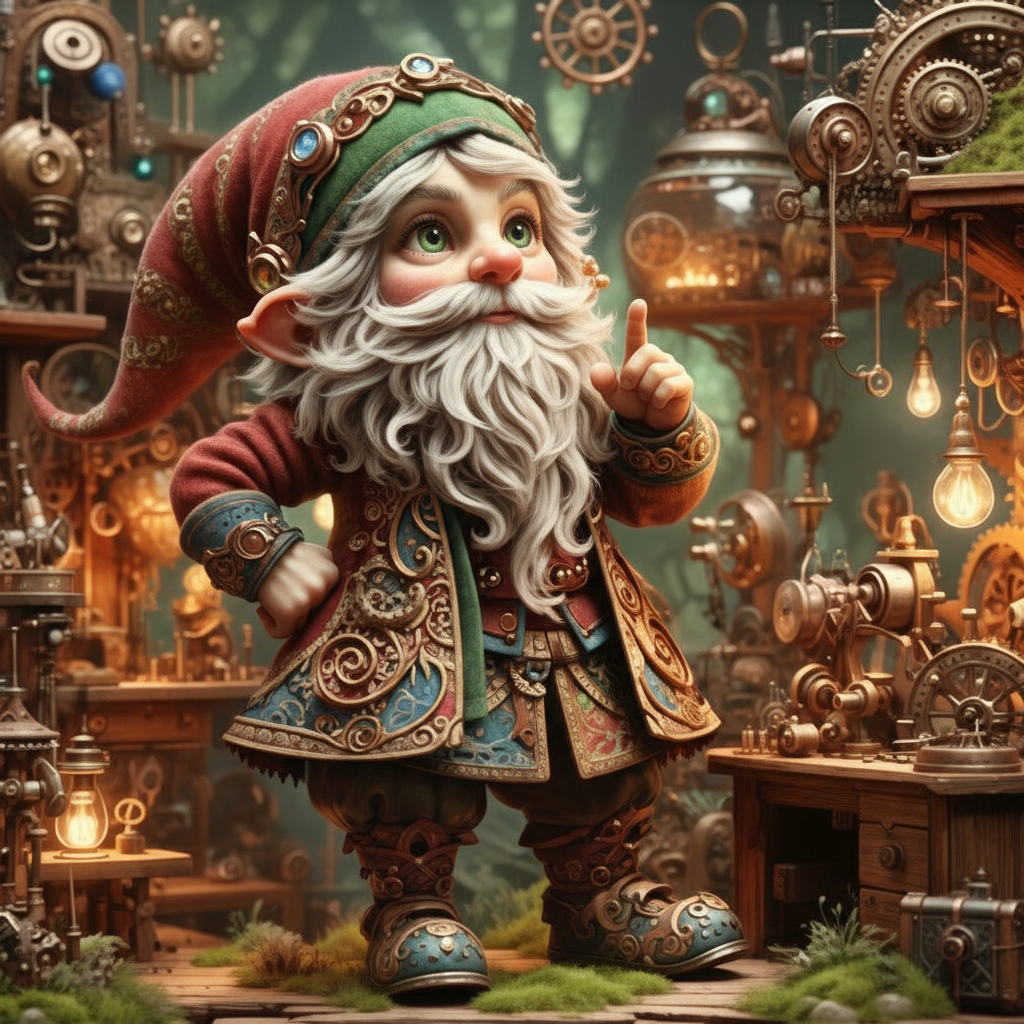
Standing between 3 and 4 feet tall with skin bearing a natural brownish tint, rock gnomes represent some of the most inventive minds across fantasy realms. Their natural curiosity drives them to become exceptional tinkerers, artificers, and wizards whose contraptions range from whimsical clockwork toys to life-saving alchemical devices.
Creating an authentic rock gnome character starts with the perfect name—one that captures their engineering prowess, playful spirit, and deep connection to invention. A well-chosen name like Boddynock Geargrind or Nissa Fizzlespring immediately communicates personality, profession, and backstory before you even roll your first initiative.
This comprehensive guide explores rock gnome naming conventions from D&D 5e and Pathfinder, breaks down the etymology behind traditional gnomish names, and provides curated lists of authentic options for your next campaign. Whether you're building an artificer for your weekly game or crafting an inventor for your fantasy novel, you'll discover how rock gnome names work and why they matter.
Understanding Rock Gnome Culture and Identity
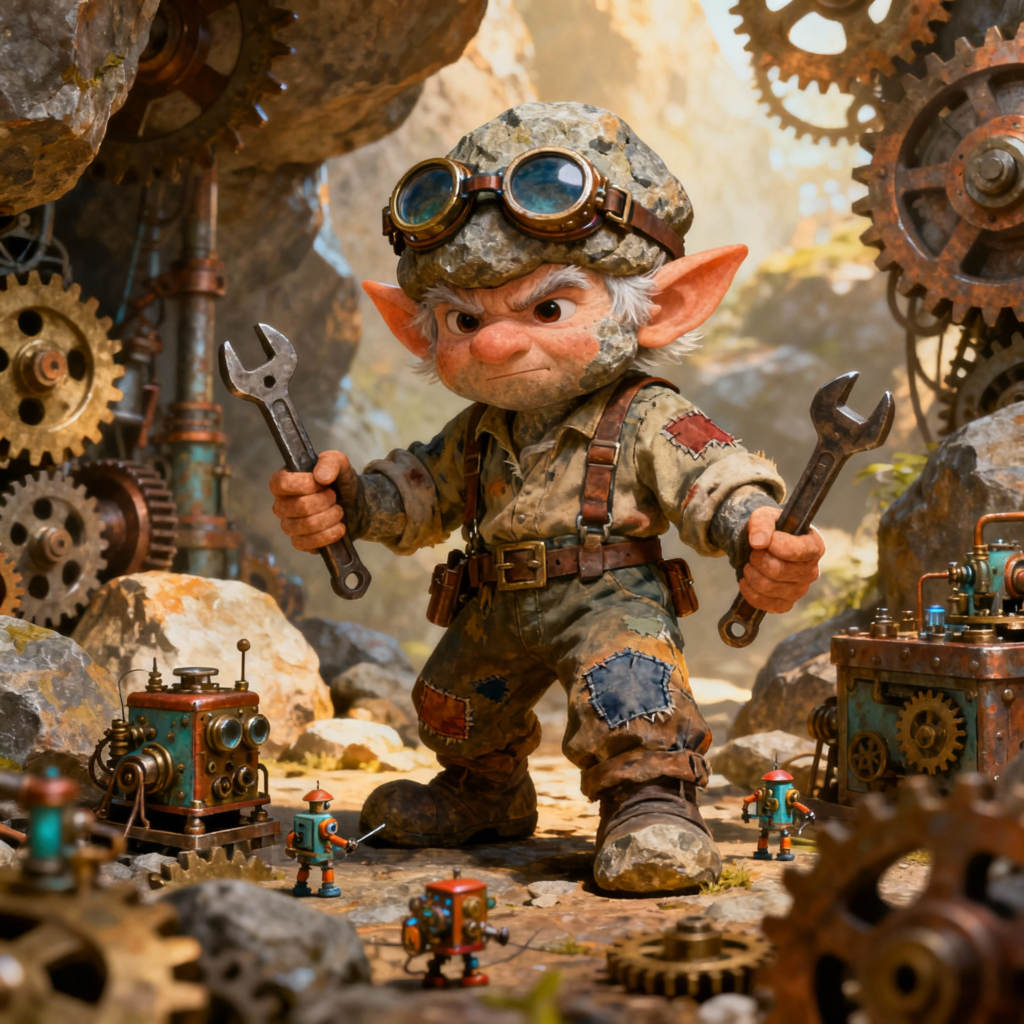
Rock gnomes differ fundamentally from their forest gnome cousins in their relationship with mechanics and technology. While forest gnomes commune with nature and wildlife, rock gnomes find joy in the click of gears, the hiss of steam, and the satisfying snap of a properly fitted rivet.
Their communities thrive underground or in hillside burrows where workshops hum with activity. Darkvision allows them to work comfortably in dim conditions, perfecting inventions by candlelight while their neighbors sleep. The brownish tint to their skin reflects generations spent among stone and metal rather than sunlight and leaves.
What truly sets rock gnomes apart comes from their innate racial traits. The Artificer's Lore ability grants them expertise when examining magical items, alchemical objects, or technological devices—their Intelligence (History) checks benefit from double proficiency bonus in these areas. The Tinker trait allows them to spend an hour and 10 gold pieces worth of materials constructing tiny clockwork devices: musical boxes that play single songs, fire starters that produce miniature flames, or clockwork toys that move randomly across surfaces.
These abilities aren't mere game mechanics. They represent a cultural obsession with understanding how things work and making them better. A rock gnome doesn't simply use a tool—they improve it, customize it, and probably add an unnecessary but delightful whistling mechanism.
The Three-Part Structure of Rock Gnome Names
Rock gnome naming conventions follow a distinctive three-part pattern that reflects their complex social structure and love of accumulating identities throughout their long lives.
Personal Names: The Foundation
Every rock gnome receives their first personal name from family members—typically their mother, father, clan elder, aunts, and uncles each contribute a name. These names often reference ancestors or distant relatives, though some families prefer purely invented options.
Male names like Alston, Boddynock, Dimble, and Zook tend to feature harder consonants and shorter syllables. The name Boddynock combines "boddy" (meaning clever) with "nock" (tinkerer), immediately establishing the bearer as an intelligent craftsperson. Dimble derives from a diminutive form meaning "small but effective"—perfect for a race that stands less than four feet tall yet builds wonders.
Female names such as Breena, Caramip, Ellywick, and Nissa incorporate more melodic vowel combinations. Nissa flows easily off the tongue, while Ellywick adds playful complexity with its repeating syllables. These names capture the rock gnome tendency toward musical invention—many of their contraptions incorporate bells, chimes, or whistling mechanisms purely for aesthetic enjoyment.
Clan Names: Professional Identity
The second element identifies family lineage and often describes ancestral professions or memorable achievements. Clan names appear in three distinct forms:
Compound names directly describe trades or characteristics: Copperpot indicates a family of copper crafters, Ironhide suggests exceptional durability or armor-making expertise, and Geargrind speaks to mechanical engineering prowess. These names function as advertisements—other gnomes immediately understand what skills this family possesses.
Traditional gnomish names like Garrick, Nackle, Scheppen, and Timbers carry less obvious meanings but deep cultural significance. Garrick has been traced to ancient gnomish words for "guardian of knowledge," while Timbers likely originated with a family of woodworkers who supplied lumber for mine supports.
Repeating-part names showcase the gnomish love of whimsy: Humplebumple, Fabblestabble, and Wobblecog sound deliberately absurd yet remain completely authentic. These often commemorate spectacular failures or unexpected successes—a family whose prototype bridge wobbled alarmingly before holding steady might proudly adopt Wobblecog as their surname.
Nicknames: Earned Through Action
The third component develops organically through lived experience. Nicknames like Aleslosh, Sparklegem, Stumbleduck, or Doublelock emerge from memorable incidents, personal habits, or notable achievements.
A gnome who accidentally knocked over multiple ale barrels during a tavern brawl might forever be Aleslosh. Someone whose inventions consistently produce brilliant flashes could become Sparklegem regardless of their given name. The nickname Doublelock might honor an inventor who revolutionized lock mechanisms or simply describe someone obsessively careful about security.
These nicknames often replace the personal name entirely in casual use. After decades of tinkering, mishaps, and workshop victories, "Doublelock of the Geargrind clan" becomes simply "Doublelock Geargrind" to friends and colleagues.
Rock Gnome Racial Traits and Their Naming Implications
The mechanical aptitude that defines rock gnome culture directly influences their naming patterns. Understanding these racial traits helps explain why certain names appear frequently and how they connect to gnomish identity.
Rock gnomes receive a +2 Intelligence modifier and +1 Constitution bonus, making them intellectually gifted and surprisingly hardy despite their small size. This combination suits wizards and artificers perfectly—they possess both the mental acuity to master complex magic and the physical resilience to survive when experiments go wrong.
Gnome Cunning provides advantage on Intelligence, Wisdom, and Charisma saving throws against magic, reflecting centuries of magical experimentation. Names incorporating elements like "Brightmind," "Wardwick," or "Spellshield" celebrate this innate magical resistance.
The Artificer's Lore trait deserves special attention. Rock gnomes can add twice their proficiency bonus to Intelligence (History) checks involving magic items, alchemical objects, or technological devices. This expertise means a 5th-level rock gnome with +3 proficiency bonus adds +6 to these specific checks—an extraordinary advantage when identifying mysterious artifacts or understanding ancient machinery.
Names like Loregem, Ancientknack, or Historywick reference this deep knowledge. A rock gnome bearing such names signals scholarly pursuits beyond simple tinkering.
The Tinker ability allows the creation of three types of clockwork devices: toys that move randomly while making appropriate noises, fire starters producing miniature flames, and music boxes playing single songs. Names incorporating "Clockwork," "Fiddle," "Whistle," or "Spark" directly reference these signature creations.
Male Rock Gnome Names
Traditional male rock gnome names balance playful sounds with practical meanings. Here are authentic options organized by style:
Classic D&D Names
Alvyn, Brocc, Burgell, Eldon, Erky, Fonkin, Frug, Gerbo, Gimble, Glim, Jebeddo, Kellen, Namfoodle, Orryn, Roondar, Seebo, Sindri, Warryn, Wrenn
Inventor-Themed Names
Cogwyn (Friend of the Gears), Whistlebit (Creates devices producing whistling sounds), Nimblejack (Quick with tools), Quillby (Known for detailed schematics), Gearhart (Lives for mechanical work)
Compound Creative Names
Brumblethorn (Finds rare components in unlikely places), Blinkenstone (Traditional but suggests illumination work), Whistletop (Creates musical inventions), Fiddlespark (Always tinkering)
Workshop Names
Copperknob (Wears copper cap), Wrenkel (Quiet thinker studying gears), Boffinbrax (Laugh shakes the workshop), Geargrin (Cheeky inventor)
Female Rock Gnome Names
Female rock gnome names tend toward melodic patterns while maintaining the inventive spirit central to their culture:
Classic D&D Names
Bimpnottin, Breena, Caramip, Carlin, Donella, Duvamil, Ella, Ellyjobell, Ellywick, Lilli, Loopmottin, Lorilla, Mardnab, Nissa, Nyx, Oda, Orla, Roywyn, Shamil, Tana, Waywocket, Zanna
Craftswoman Names
Tinket Pebblethumb (Crafts tiny powerful gadgets), Nissa Fizzlespring (Alchemist bubbling with ideas), Wren Cogsnap (Sharp machines and sharper wit), Bree Ironwhistle (Voice and hammer both ring clear)
Collector and Creator Names
Merril Dustwidget (Collects shiny things and secrets), Poppy Gearwheel (Contraptions wobble but amaze), Lina Silverknack (Skilled at sewing and tinkering), Zanna Copperpot (Brews potions in self-crafted cookware)
Whimsical Names
Whistlefen (Dances to her inventions), Poppetwix (Clockwork toys that come alive), Fizzwidget (Everything fizzles and sparkles), Sparkledew (Finds magic in the mundane), Twiddletop (Constantly spinning new ideas)
Clan Names and Surnames
Rock gnome clan names serve as professional identifiers and family histories compressed into compound words:
Metalworking Clans
Copperpot, Ironhide, Steelshaper, Silverknack, Brassbolt, Rivetclick, Copperclank
Mechanical Clans
Geargrind, Gearheart, Cogwheel, Sprocketsnap, Tinkerwhistle, Cogglepop, Wobblecog
Tool and Trade Clans
Hammerhand, Wrenchwick, Stonecutter, Gemgrinder, Toolbright
Traditional Gnomish Clans
Beren, Daergel, Folkor, Garrick, Nackle, Murnig, Ningel, Raulnor, Scheppen, Timbers, Turen
Whimsical Clans
Bumblebeard (Beard housing clockwork bees), Twiddlethumb (Always fidgeting), Fizzlesnap (Things that fizzle and snap excitingly), Bafflestone (Named for complex puzzles)
Rock Gnome Nicknames
Nicknames develop through reputation, accidents, or distinctive personality traits. These often become more commonly used than given names:
Profession-Based Nicknames
Inventor, Gadget, Tinker, Fiddler, Clockwork, Sparkplug, Gearhead
Personality Nicknames
Brightmind, Quickfingers, Nimblewit, Chatterbox, Daydreamer, Whistler
Incident-Based Nicknames
Aleslosh (Knocked over ale barrels), Sparklegem (Inventions produce flashes), Stumbleduck (Clumsy but effective), Doublelock (Obsessively secure), Oneshoe (Lost a shoe in memorable circumstances)
Descriptive Nicknames
Pock (Scarred from forge work), Cloak (Always wears distinctive cloak), Badger (Tenacious personality), Nim (Quick and elusive), Ku (Short, simple, memorable)
Creative Compound Nicknames
Filchbatter (Steals and transforms ideas), Fnipper (Quick to criticize or adjust), Twiddletop (Constantly fidgeting), Whirligig (Moves like a spinning toy), Nimbletweak (Quick fingers, quicker ideas)
Choosing the Perfect Rock Gnome Name
Selecting an appropriate name requires considering multiple factors beyond simple phonetics. The best rock gnome names tell stories before your character speaks a word.
Consider your character's class and specialization. An artificer alchemist suits names like Fizzlespring or Brewbright, while an illusion wizard might prefer Shadowwick or Glamourgleam. Battle smith artificers benefit from names suggesting both combat and creation: Ironforge, Steelhammer, or Bladebright.
Think about personality traits. Curious, energetic gnomes suit names like Sparkplug, Quickwit, or Dashbolt. More methodical inventors fit names like Steady-cog, Truegear, or Precision. Mischievous characters work well with Prankwick, Jokester, or Gigglesnort.
Match the name to your backstory. A gnome from a mining family might carry surnames like Gemcutter, Stonefinder, or Depthdelver. Urban workshop gnomes suit names like Streetsmith, Guildgear, or Marketmaker. Those from isolated research communities might use names like Lorekeeper, Studiwick, or Scrollwright.
Consider pronunciation and memorability. Your fellow players will say this name hundreds of times. Names like Boddynock or Fizzlespring roll off the tongue easily and stick in memory. Avoid combinations that create awkward consonant clusters or ambiguous pronunciations.
Layer your names appropriately. Your character sheet might list "Ellywick Tumblestone Fizzlebright," but your party likely calls you simply "Fizz" or "Fizzlebright." Establish which name your character introduces themselves with and which they reserve for formal occasions.
Integrating Names into Your Campaign
Once you've selected a perfect rock gnome name, use it to deepen your roleplaying and character development.
Explain nickname origins during gameplay. When someone asks why you're called "Sparklegem," share the story of your first invention—a children's toy that produced harmless but brilliant light flashes, bringing joy to an entire neighborhood. These moments build character history organically.
Reference clan traditions in your behavior. If you're from the Geargrind clan, mention how your great-grandfather revolutionized pulley systems. Let this heritage influence your problem-solving approach—you naturally think in terms of mechanical advantage and gear ratios.
Use full names for formal situations. When meeting nobles, signing contracts, or introducing yourself to important NPCs, deploy your complete name: "Boddynock Fizzlebright of the Geargrind clan, at your service." Then immediately follow with "but please, call me Fizz."
Collect additional nicknames during adventures. Each campaign arc might earn you new monikers. Survive a fireball? You're now "Scorch" among your party. Build a bridge under impossible circumstances? The villagers call you "Spanwright."
Connect your name to your inventions. Name your creations after yourself or your clan. The "Fizzlebright Illuminator" or "Geargrind Portable Forge" serves as both signature and advertisement. Other adventurers seeking quality gear will remember you.
Rock Gnome Names Across Different Settings
While D&D 5e provides the foundation, rock gnome naming conventions adapt across various fantasy settings.
Pathfinder follows similar patterns but emphasizes surnames that reflect broader cultural achievements. Pathfinder gnomes often bear titles earned through specific accomplishments: "Brightwhisker the Bridge-Builder" or "Copperwick the Cipher-Breaker."
Forgotten Realms rock gnomes from different regions develop distinct naming patterns. Gnomes from Lantan favor names incorporating maritime and seafaring elements: Saltgear, Tideclock, Harborwick. Those from underground cities near the Sword Coast use names reflecting gemstone work: Rubycut, Sapphireshine, Diamondchisel.
Eberron gnomes often incorporate surnames referencing House Sivis (the dragonmarked house of scribes and communication). Names like Truthscribe, Wordsmith, or Signalwright appear frequently.
Homebrew settings offer freedom to develop unique cultural touchstones. Steampunk campaigns might emphasize names like Steamwright, Pressurevalve, or Coalfurnace. Magic-heavy settings could favor names incorporating spell components: Ashwick (ash), Sulfurgear (sulfur), Quicksilverhand (quicksilver).
Common Mistakes When Naming Rock Gnomes
Several pitfalls trap inexperienced players when creating rock gnome characters:
Choosing names that sound dwarven. Rock gnomes share craftsmanship with dwarves but maintain a distinct cultural identity. Names like Thorin, Gimli, or Durin belong to dwarven heritage. Rock gnome names favor lighter sounds: Gimble rather than Gimli, Wrenn rather than Wren, Cogsworth rather than Copperbeard.
Over-emphasizing the comedic. Rock gnomes have whimsical elements, but they're serious about their craft. A name like "Gigglesnort Whoopsiedaisy" reduces your character to a punchline. Balance playfulness with respect: "Chucklewick Brightforge" maintains levity while suggesting genuine skill.
Ignoring the three-part structure. Some players choose only a first and last name, missing the nickname element that makes gnomish culture unique. Even if you don't use all three constantly, knowing your full name enriches your character's depth.
Creating unpronounceable combinations. The name "Qxzwrth Pfftgnash" might look fantasy suitably, but if nobody can say it, you've created an obstacle rather than an identity. Test your name aloud before committing.
Failing to connect the name to the character concept. If you're playing a somber, serious artificer focused on weapon design, a name like "Bubbles Gigglesprocket" creates tonal dissonance. Ensure your name supports rather than contradicts your character vision.
Frequently Asked Questions
What makes rock gnome names different from other gnome subtypes?
Rock gnome names emphasize mechanical and engineering elements through surnames like Geargrind, Copperwork, and Tinkerwhistle. Forest gnomes favor nature-inspired names (Willowbreeze, Foxwhisper), while deep gnomes (svirfneblin) use harsh, stone-related sounds (Belwar Dissengulp). Rock gnome naming conventions specifically celebrate craftsmanship, invention, and technological achievement rather than natural affinity or survival.
How many names does a typical rock gnome use?
Most rock gnomes accumulate six or more names throughout their lives—each family member traditionally contributes one. However, when dealing with other races, they typically introduce themselves using three: a personal name, a clan name, and a nickname. Among fellow gnomes, they might rotate through various combinations depending on context and relationship.
Can I create my own rock gnome clan name?
Absolutely. Original clan names add personalization to your character. Follow the compound structure (combining two meaningful elements) or create playful repeating patterns. Ensure the name reflects either a profession, a family trait, or a memorable ancestor's achievement. "Brightfuse" could describe a family of explosive experts, while "Wobblespring" might commemorate an ancestor's infamous bouncing carriage design.
Should my rock gnome's name change as they level up?
Nicknames often evolve with experience and reputation. A 1st-level artificer might be "Tinker" within their home workshop, but after crafting a legendary mechanical dragon at 10th level, they could earn the nickname "Dragonwright." Personal and clan names typically remain constant, but nicknames accumulate and replace each other naturally.
How do I pronounce traditional Gnomish names?
Most rock gnome names follow intuitive English phonetics. Boddynock sounds like "BAH-dee-nock," Ellywick like "ELL-ee-wick," and Namfoodle like "NAM-foo-dl." When uncertain, emphasize the first syllable and keep the rhythm bouncy rather than guttural. Gnomish names should feel playful in your mouth.
What if my DM's campaign has specific naming requirements?
Always discuss character concepts with your DM before finalizing names. Some campaigns might require surnames that fit established houses or organizations. Others might have regional naming conventions you should follow. Flexibility ensures your character integrates smoothly into the existing world rather than feeling disconnected.
Are there cultural taboos in rock gnome naming?
Rock gnome culture generally avoids names that sound like dwarven clan names (to maintain cultural distinction) or names that mock serious craftsmanship. A name like "Failureforge" would be considered insulting to the trade rather than humorously self-deprecating. While gnomes embrace whimsy, they take their professions seriously.
Can rock gnomes have human-style names?
In cosmopolitan settings where gnomes interact frequently with humans, some adopt simplified names for convenience. A gnome named "Boddynock Fizzlebright Geargrind" might introduce themselves to human merchants as simply "Bob Bright" to avoid confusion. However, among gnomish communities, they use their full traditional names.
Bringing Your Rock Gnome to Life
The perfect name serves as a foundation, but your rock gnome truly comes alive through how you embody their inventive spirit and mechanical genius.
During gameplay, reference your tools and inventions by name. Your "Fizzlebright Fire Starter Mark VII" tells a story of six previous iterations and continuous improvement. When examining magical items, leverage your Artificer's Lore by narrating how you recognize specific runic patterns or alchemical signatures.
Build relationships with other party members through your craft. Offer to repair their equipment, suggest mechanical solutions to problems, or design custom tools that suit their specific needs. A rock gnome who creates a specialized lockpick for the party rogue or a collapsible ladder for the cleric demonstrates their supportive, collaborative nature.
Embrace the curiosity that defines gnomish culture. Ask questions about everything—how does that door lock work? What powers the magical fountain? Could we improve this bridge design? Your Intelligence score and natural inquisitiveness provide perfect in-character reasons to drive the party toward investigation and discovery.
Most importantly, let your name reflect your choices. If you're called "Sparklegem," create moments where your inventions produce brilliant flashes of light. If you're "Doublelock Geargrind," demonstrate obsessive attention to security and backup plans. Your name isn't just identification—it's a promise about who your character is and how they approach the world.
The rock gnome you create, from their carefully chosen name to their mechanical masterworks, adds unique flavor and capability to any adventuring party. Whether you're deploying your Tinker ability to craft a clockwork spy, using your enhanced Intelligence checks to identify ancient artifacts, or simply bringing joy through your inventive spirit, you embody a tradition of gnomish excellence that spans centuries of fantasy gaming.
Now grab your tinker's tools, polish your goggles, and get inventing. The world needs your genius—and your perfectly crafted name will ensure they remember it.