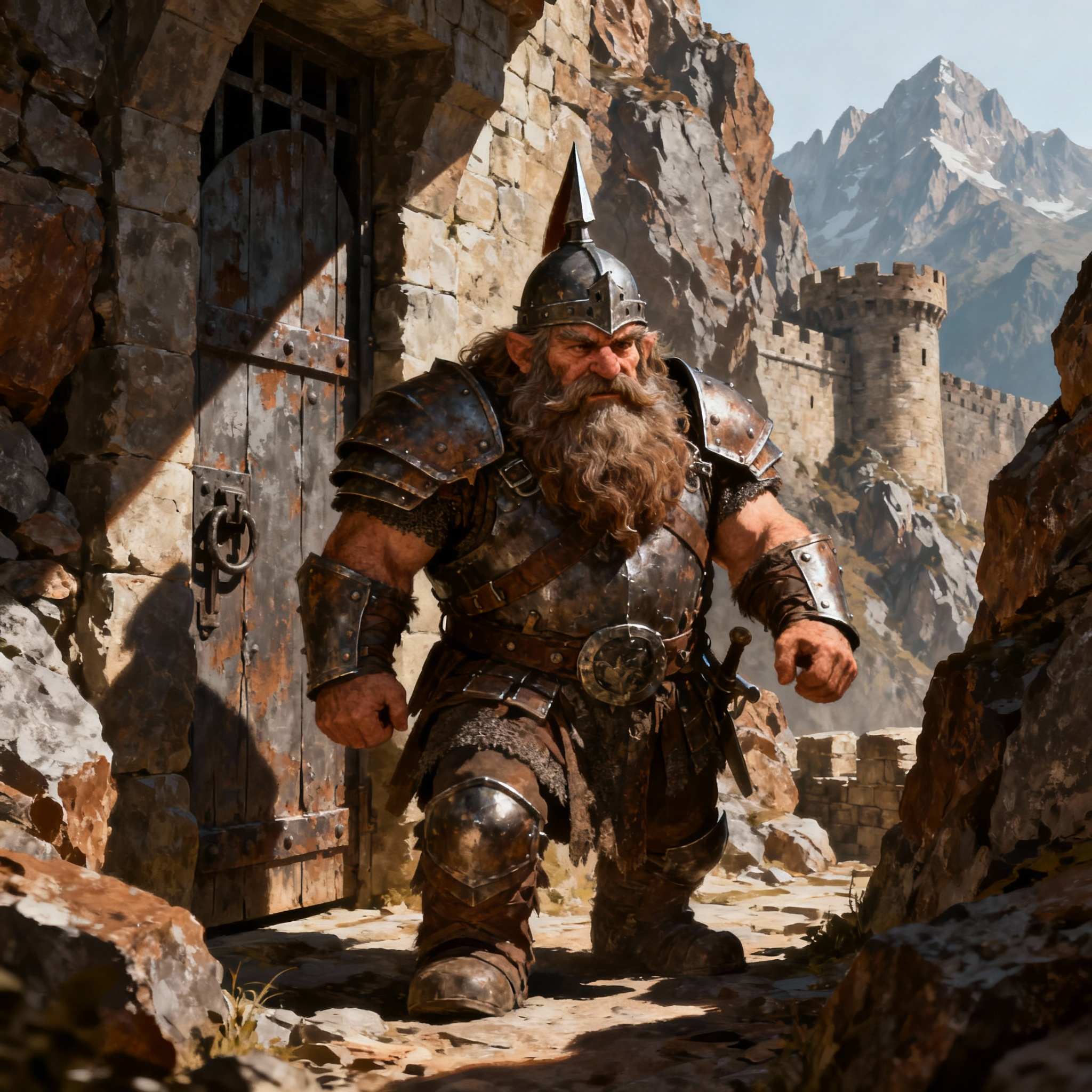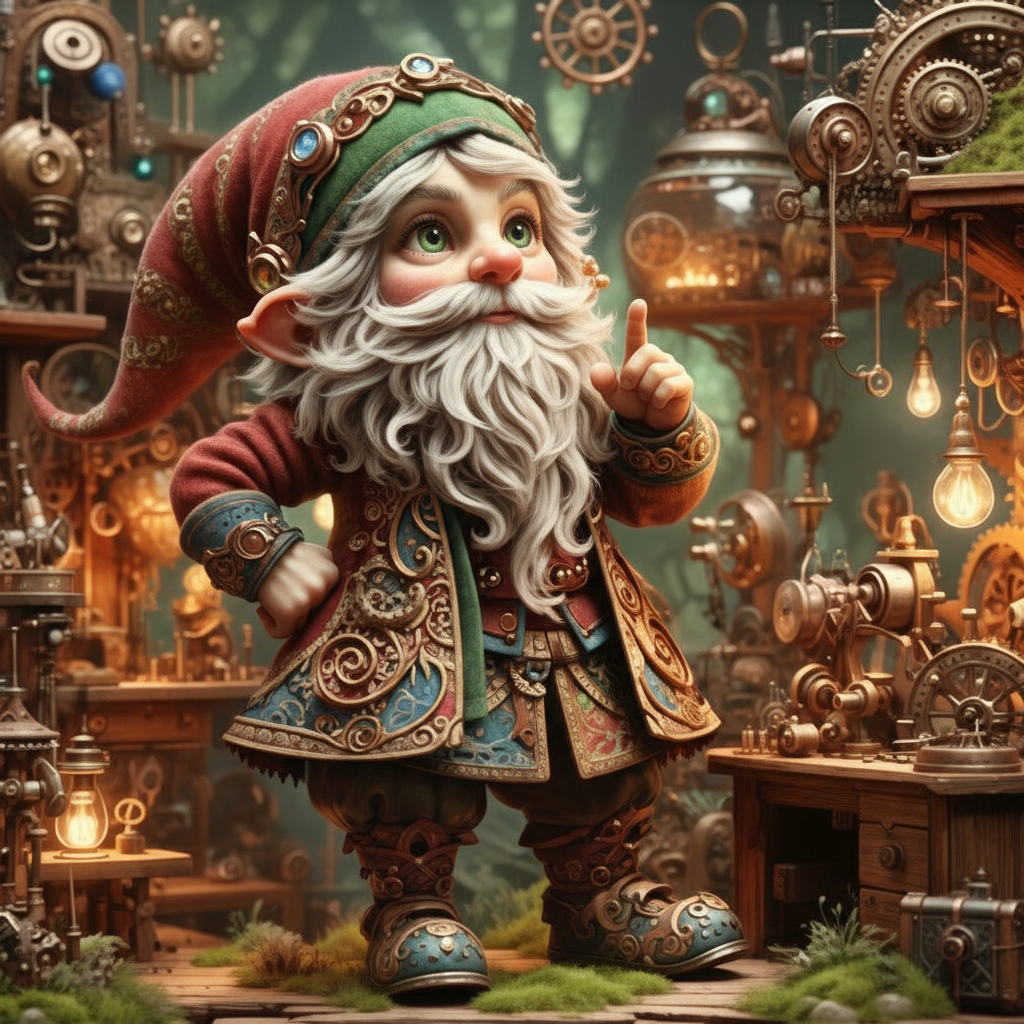
Hill Dwarf Name Generator
Mine mountain treasures with our hill dwarf name generator! Craft resilient names great for DnD 5e, Pathfinder, or Tolkien-inspired dwarf campaigns.
Gender Preference
Generating magical names...
Forge Authentic DnD 5e Names
Standing firm as the mountains themselves, hill dwarves represent resilience forged not in darkness but beneath open skies. These stout folk blend ancestral tradition with the adaptability required for surface-world life, creating a unique cultural identity that sets them apart from their deep-mountain kin. Whether you're crafting a wise cleric for your next DnD 5e campaign or need authentic names for an entire dwarven settlement in Pathfinder, understanding hill dwarf naming conventions adds depth that transforms characters from stat blocks into memorable personalities.
Hill dwarf names carry weight—each syllable echoes with ancestral pride, clan history, and the rumble of stone being shaped by skilled hands. The best names don't simply sound appropriately "dwarven"; they tell stories about heritage, profession, and personality before a single word of backstory is spoken.
The Cultural Roots of Hill Dwarf Names
Hill dwarves developed their naming traditions through centuries of interaction with surface-dwelling races, absorbing influences while maintaining core dwarven values. Unlike mountain dwarves, who remained isolated in deep halls, hill dwarf communities established themselves in rolling highlands and fertile valleys, becoming renowned traders, craftsmen, and brewers.
This cultural exchange shaped their linguistic patterns. Hill dwarf names balance the harsh consonants and guttural sounds characteristic of Dwarvish with softer elements borrowed from neighboring human settlements. The result? Names that honor tradition while reflecting their adaptable nature.
The Norse and Germanic Foundation
The linguistic roots of dwarven naming stretch back to Old Norse and Germanic traditions, where dwarves first appeared in mythology as master craftsmen dwelling beneath mountains. The Old Norse term dvergr (plural dvergar) gave us the modern word "dwarf," and ancient texts like the Dvergatal in the Völuspá preserved catalogues of dwarf names that would later inspire fantasy literature.
J.R.R. Tolkien famously drew from these Norse sources when creating Middle-earth's dwarves. Names from the Dvergatal, like Thorin, Dwalin, and Balin, found their way into The Hobbit, establishing patterns that DnD and other fantasy RPGs would adopt and expand upon.
Many traditional dwarf name components carry meanings rooted in Norse mythology. Names featuring elements like "Thor" (thunder), "Stein/Stone" (rock), and "Brok" (forge) connect directly to dwarven cultural values: strength, craftsmanship, and endurance.
Hill Dwarf vs. Mountain Dwarf Naming Conventions
While both subraces share common linguistic ancestry, subtle differences distinguish their naming traditions. These variations reflect divergent lifestyles and priorities developed over generations.
Mountain Dwarves (also called shield dwarves in the Forgotten Realms) favor names emphasizing strength, warfare, and the deep forge. Their surnames frequently reference combat prowess, armor, and the unyielding stone of mountain halls. Think "Ironfist," "Battlehammer," or "Steelshield."
Hill Dwarves (known as gold dwarves in some settings) developed names reflecting their connection to rolling landscapes, agriculture, and surface-world crafts. Their surnames often reference earthwork, stonecraft, brewing, and farming. Names like "Copperthumb," "Stonehand," "Meadowforge," and "Hillspear" showcase their reputation as skilled artisans who maintain strong ties to the land itself.
The Forgotten Realms lore explicitly connects hill dwarves to gold dwarves—communities characterized by deeply tanned skin and brown eyes, descended from southern dwarven kingdoms. Mountain dwarves correspond to shield dwarves, typically paler in complexion and hailing from northern strongholds. These cultural distinctions inform naming patterns, with gold dwarves incorporating elements suggesting warmth, prosperity, and the richness of earth.
Understanding Hill Dwarf Name Structure
Hill dwarf names follow a consistent pattern that balances individual identity with clan membership. Dwarves honor their children with names of ancestors or dwarven heroes, creating generational continuity that binds families together across centuries.
Given Names (First Names)
Personal names typically consist of two to three syllables featuring strong consonants paired with open vowels. Common phonetic patterns include:
- Hard consonants: T, D, K, G, B, R
- Guttural sounds: Kh, Gr, Br, Dr
- Open vowels: A, O, U, I
Male Examples:
- Thorin (Norse origin, meaning "bold thunder")
- Balrik (Dwarvish origin, meaning "strong ruler")
- Gundar (Germanic origin, meaning "battle warrior")
- Dolgrim (Dwarvish origin, meaning "fierce guardian")
Female Examples:
- Astridale (meaning "star-forged")
- Hildur (Norse origin, combining "battle" with feminine ending)
- Gunnloda (meaning "battle's grace")
- Kelda (meaning "spring" or "wellspring")
Female hill dwarf names maintain the same earthy strength as male names while occasionally incorporating softer phonetic elements. Importantly, dwarven culture places equal value on female warriors, smiths, and clan leaders—femininity doesn't imply delicacy in dwarven society.
Clan Names (Surnames)
Dwarven surnames function as compound words describing physical traits, professions, or notable deeds. These names belong to the clan rather than individuals, representing shared heritage and collective accomplishments.
According to Pathfinder lore, dwarves introduce themselves by listing family, clan, and various honorifics—demonstrating how seriously they take these connections. When a dwarf states their full name, they're reciting a compressed history of their lineage.
Common Surname Themes:
Craftsmanship:
- Stonehand (skilled with stone)
- Copperthumb (expert with copper)
- Forgefather (master of the forge)
- Goldbraids (metalworking artisan)
Physical Traits:
- Ironbelly (hardy constitution)
- Stonebeard (strong and enduring)
- Rockseeker (determined prospector)
- Deepgrip (unyielding hold)
Agriculture & Earth:
- Meadowleaf (pastoral connections)
- Hillspear (defender of the highlands)
- Earthdelver (explorer of depths)
- Boulderback (bears heavy burdens)
Character Traits:
- Oathkeeper (honor-bound)
- Strongsworn (committed to vows)
- Truehammer (reliable and steadfast)
- Flintbraid (spark and determination)
The Sacred Clan Dagger
In both DnD 5e and Pathfinder, clan daggers represent profound cultural significance for dwarves. Each dwarf receives a clan dagger at birth (or upon reaching adolescence in some traditions), forged specifically for them and set with a gemstone unique to their clan.
This tradition runs so deep that selling one's clan dagger is considered a terrible taboo, earning the scorn of all dwarven society. The loss of a clan dagger through negligence brings shame, and dwarves use the slur "empty sheathed" to insult someone who has lost or discarded their dagger—implying they lack honor and responsibility.
When dwarves marry or are adopted into new clans, elaborate ceremonies remove the old gem and replace it with one from their new clan. These rituals carry such emotional weight that some marriages have been cancelled mid-ceremony rather than complete the transfer.
This cultural practice informs naming conventions: clan names represent bonds as unbreakable as the daggers themselves.
Male Hill Dwarf Names with Meanings
Male hill dwarf names emphasize steadfastness, craftsmanship, and the unyielding spirit that defines dwarven character. Each name serves as a promise—a declaration of values the bearer strives to embody.
First Name Examples:
- Torvin (Norse origin, meaning "bold thunder") – A warrior whose presence commands attention
- Balrik (Dwarvish, "strong ruler") – Natural leadership combined with physical might
- Dolgrim (Dwarvish, "fierce guardian") – Unwavering protector of clan and kin
- Bardin (Germanic, "battleaxe") – Weapon skill embodied in identity
- Grunyar (Dwarvish, "grumpy warrior") – Temperament worn as a badge of honor
- Harbek (Dwarvish, "ember eye") – Fiery passion visible in one's gaze
- Rurik (Norse, "famous power") – Reputation earned through mighty deeds
- Thorin (Norse, "bold one") – Courage that inspires others
Combined Examples:
- Thorin Stonefoot – One who never wavers in conviction, standing firm as bedrock
- Balrik Ironbelly – Possessing a constitution strong enough to withstand any hardship
- Gundar Deepgrip – Whose hold on his weapon has ended countless conflicts
- Dolgrim Ironfist – Fierce guardian with unyielding strength
- Bardin Stonebeard – Battle-tested warrior with enduring resilience
Female Hill Dwarf Names with Meanings
Female hill dwarf names carry the same strength and dignity as their male counterparts, reflecting the equal standing of women in dwarven society. These names often emphasize wisdom, resilience, and the nurturing strength that sustains communities through hardship.
First Name Examples:
- Astridale (meaning "star-forged") – Destined for greatness, blazing like a comet
- Svala (Norse, "cool/swift") – Untamed as wind through canyon passes
- Maevra (Celtic-inspired, "keeper of secrets") – Guardian of ancient knowledge
- Olfina (Norse-inspired) – Guide whose wisdom lights dark paths
- Ragnhild (Norse, "battle advisor") – Shield maiden of unbroken resolve
- Erdolana (Dwarvish, "heart of earth") – Nurturer of life even in deepest caverns
- Hildur (Norse, "battle") – Warrior embodying fierce protection
- Gunnloda (Norse, from mythology) – Grace found within battle's dance
- Kelda (Norse, "spring") – Source of renewal and hope
Combined Examples:
- Brynn Ironfoot – Steps that never falter, stance unwavering against any storm
- Sigrid Runeweaver – Preserving traditions through art where magic meets tapestry
- Helga Silvervein – Whose loyalty proves more precious than any metal
- Freya Emberforge – Forged her first blade before learning to walk properly
- Gilda Goldbraids – Wit sharper than any axe, paired with shimmer like molten gold
- Hildur Copperthumb – Battle heritage combined with metalworking expertise
Using a Hill Dwarf Name Generator Effectively
Random name generators serve as invaluable tools when creative inspiration runs dry or when you need to populate an entire dwarven settlement quickly. However, effective use requires understanding what makes generated names work.
Key Generator Features
Advanced Customization Options:
- Name Length: Choose short (1-2 syllables), medium (3 syllables), or long (4+ syllables)
- Syllable Control: Specify exact syllable counts for precise results
- Letter Filters: Generate names starting or ending with specific letters
- Gender Selection: Filter for male, female, or neutral options
- Batch Generation: Create multiple names simultaneously for comparison
Etymology and Meaning Breakdowns
Quality generators provide more than random syllable combinations—they explain each name's components. Understanding etymology helps you select names that align with your character concept.
For example, a generated name like "Freya Emberforge" might include:
- Freya: Norse goddess name meaning "lady" or "noble woman."
- Emberforge: Compound Dwarvish term combining "ember" (glowing coal) with "forge" (place of creation)
- Combined Meaning: A female smith who works within blazing temperatures
This information immediately suggests character traits: skill with fire, connection to forge-work, noble bearing, and creative passion.
From Generator to Original Creation
Rather than using generated names verbatim, treat them as inspiration for original creations. If a generator produces "Thorin Goldbeard," you might modify it to "Thoran Copperbeard" or "Thorvin Bronzebraid"—maintaining the essence while creating something distinctly yours.
This approach avoids the problem of multiple players arriving at the table with characters named "Thorin" (directly borrowed from Tolkien) or "Gimli" (from the Lord of the Rings films), which can break immersion by evoking famous fictional characters rather than your unique creation.
Aligning Names with Character Class and Personality
The intersection of name, class, and personality creates memorable characters. Strategic naming reinforces mechanical abilities and roleplaying choices.
Class-Appropriate Naming
Clerics and Paladins:
Names emphasizing wisdom, protection, and divine connection work well:
- Kelda Trueshield – Spiritual guardian channeling divine protection
- Balder Earthshield – Draws defensive power from the earth itself
- Olfina Brighthelm – Guiding light in darkness
Fighters and Barbarians:
Names highlighting strength, combat prowess, and physical might:
- Rurik Boulderback – Shoulders burdens that would crush others
- Harbek Embereye – Fiery passion in battle
- Dorin Thunderaxe – Strikes with the force of storms
Rogues and Rangers:
Names suggesting stealth, cunning, or wilderness connection:
- Silas Shadowstep – Moves unseen through darkness
- Kelda Deepdelve – Explorer of hidden places
- Miri Mudboots – Comfortable in rough terrain
Wizards and Artificers:
Names emphasizing knowledge, craft, or magical aptitude:
- Maevra Runeweaver – Keeper of arcane secrets
- Sten Forgefather – Master of magical item creation
- Dolgrim Spellhammer – Combines magic with martial tradition
Encoding Personality in Names
Dwarven naming traditions assume children will grow into their designated traits—a form of aspirational naming that shapes identity from birth.
Stubborn Determination:
- Krag Oathkeeper – Word as solid as rock
- Thorvin Steelfist – Grip that won't release
- Barrus Ironwill – Unbreakable resolve
Craftsman Pride:
- Sten Forgefather – Produces masterwork items
- Freya Emberforge – Artisan of exceptional skill
- Dolgrim Gemheart – Values quality craftsmanship
Jovial Nature:
- Grimli Guffawhammer – Laughter accompanies every swing
- Doran Deepchuckle – Mirth echoes through caverns
- Barli Boulderbelly – Legendary appetite and storytelling
Strategic Wisdom:
- Svala Keenedge – Sharp mind matching sharp blade
- Maevra Truthseeker – Pursues knowledge relentlessly
- Olfina Brighteye – Perceives what others miss
Regional Clan Variations
Hill dwarf clans developed distinct naming patterns based on geography, primary trades, and historical experiences. Understanding these variations adds authenticity when creating characters from specific regions or traditions.
Agricultural Clans
Communities focused on farming and brewing favor surnames emphasizing fertility, growth, and earth's bounty:
- Meadowleaf – Pastoral connections
- Barleybrew – Master brewers
- Grainhammer – Agricultural prosperity
- Rootdelver – Deep understanding of soil
Trading Clans
Families involved in commerce and surface-world interaction adopt names suggesting connection, travel, and exchange:
- Goldburrow – Wealth accumulated through trade
- Copperpath – Established trade routes
- Silverbridge – Connects communities through commerce
- Gemseeker – Prospector and merchant
Artisan Clans
Master craftsmen's families emphasize specific skills passed through generations:
- Stonehand – Expert masonry
- Ironbrow – Metalworking tradition
- Copperthumb – Fine metalwork specialization
- Forgefire – Keeps the eternal flame
Warrior Clans
Military traditions produce surnames highlighting combat prowess and defensive capability:
- Battlehammer – Offensive might
- Oakenshield – Defensive mastery
- Warcleaver – Battlefield dominance
- Steelshield – Protective tradition
Sample Hill Dwarf Names for Quick Reference
Male Names with Full Meanings
Name | First Name Meaning | Surname Meaning |
Thorin Stonefoot | Bold thunder (Norse) | One who stands firm (Dwarvish) |
Balrik Ironbelly | Strong ruler (Dwarvish) | Hardy constitution (Dwarvish) |
Gundar Deepgrip | Battle warrior (Germanic) | Unyielding hold (Dwarvish) |
Dolgrim Ironfist | Fierce guardian (Dwarvish) | Unyielding strength (Dwarvish) |
Bardin Stonebeard | Battle-axe (Germanic) | Enduring resilience (Dwarvish) |
Female Names with Full Meanings
Name | First Name Meaning | Surname Meaning |
Astridale Moonforge | Star-forged (Norse-inspired) | Crafts under moonlight (Dwarvish) |
Svala Keenedge | Swift/cool (Norse) | Sharp wisdom (Dwarvish) |
Maevra Truthseeker | Keeper of secrets (Celtic-inspired) | Pursues knowledge (Dwarvish) |
Kelda Brighthelm | Spring/wellspring (Norse) | Guiding protection (Dwarvish) |
Ragnhild Oakenshield | Battle advisor (Norse) | Defensive tradition (Dwarvish) |
Clan Surnames by Theme
Craftsmanship: Stonehand, Copperthumb, Forgefather, Goldbraids, Ironbrow, Gemheart, Thunderforge, Brickbeard, Amberstone, Earthdelver
Agriculture: Meadowleaf, Barleybrew, Grainhammer, Rootdelver, Hillspear, Fogsurge, Oakenbrew, Embermead
Physical Traits: Ironbelly, Stonebeard, Rockseeker, Deepgrip, Boulderback, Bristlebeard, Deepchuckle, Ironfist
Character Values: Oathkeeper, Strongsworn, Truehammer, Flintbraid, Hallowedclaw, Glowdust
Practical Tips for Naming Your Hill Dwarf
Consider Campaign Setting
Different fantasy worlds treat dwarves with varying degrees of cultural detail. Research your campaign setting's specific lore:
Forgotten Realms: Hill dwarves correspond to gold dwarves—emphasize names suggesting southern kingdoms and prosperity.
Eberron: Consider the Mark of Warding if playing a marked dwarf—names might incorporate protective or architectural elements.
Custom Settings: Work with your DM to establish naming conventions that fit your world's unique dwarven culture.
Match Name to Character Arc
Think about where your character starts and where they're heading:
- A young dwarf leaving their clan might have a traditional name, but adopt a surface-world nickname
- An exiled dwarf might refuse to use their clan name until earning redemption
- A dwarf seeking to prove themselves might emphasize the aspirational meaning in their name
Ensure Pronunciation Clarity
Hill dwarf names should be memorable and easy to pronounce at the gaming table. Avoid:
- Impossible consonant clusters (Xzthrgk)
- Unclear syllable breaks
- Names requiring constant spelling corrections
Test names by saying them out loud. If you stumble multiple times, simplify.
Create Name Variations
Dwarves often use shortened forms among friends and family:
- Thorin might become "Thor" to close companions
- Dolgrim might shorten to "Dol" or "Grim."
- Kelda Brighthelm might be known as "Kel" or "Brighteyes."
These variations add depth and suggest different relationship levels with NPCs and party members.
Frequently Asked Questions
What is a hill dwarf name generator?
A hill dwarf name generator is an AI-powered tool that creates authentic names for hill dwarf characters in fantasy settings. Quality generators produce names with detailed meanings and etymology, drawing from Norse, Germanic, and traditional Dwarvish linguistic roots to craft names capturing the resilient, earth-connected nature of hill dwarves in DnD 5e, Pathfinder, and other fantasy RPGs.
How do hill dwarf names differ from mountain dwarf names?
Hill dwarf names often emphasize connections to rolling hills, fertile valleys, and agricultural traditions rather than deep mountain mining. While both share Norse and Dwarvish roots, hill dwarf surnames frequently reference earthwork, stonecraft, and surface-world trades like brewing, farming, and smithing. Names like "Copperthumb" or "Meadowleaf" reflect their reputation as skilled artisans who dwell closer to human settlements, while mountain dwarf names like "Battlehammer" or "Steelshield" emphasize warfare and the deep forge.
What are the linguistic roots of hill dwarf names?
Hill dwarf names draw primarily from Old Norse and Germanic languages, with influence from Dwarvish (a constructed language in DnD). The Old Norse term dvergr (dwarf) and ancient texts like the Dvergatal in the Völuspá provided catalogues of dwarf names that inspired Tolkien and later fantasy creators. Common elements include "Thor" (thunder), "Stein/Stone" (rock), and "Brok" (forge), connecting to dwarven cultural values of strength, craftsmanship, and endurance.
What naming conventions do hill dwarves follow?
Hill dwarf names typically combine a personal first name with a descriptive clan surname. First names derive from Norse or Old Germanic origins, featuring strong consonants and open vowels (like Thorin, Dolgrim, or Kelda). Surnames are compound words in Common or Dwarvish describing physical traits, professions, or notable deeds—such as "Ironfist" for unyielding strength or "Rockseeker" for a treasure hunter. Dwarves introduce themselves by listing family, clan, and honorifics, demonstrating how seriously they take these connections.
Can I use these hill dwarf names for DnD 5e campaigns?
Absolutely! Hill dwarf names work perfectly for Dungeons & Dragons 5th Edition campaigns. Hill dwarves in DnD 5e gain +2 Constitution and +1 Wisdom, reflecting their toughness and intuition. Names incorporating meanings related to wisdom (Kelda Brighthelm), resilience (Thorin Stonefoot), or earth-connection (Erdolana Meadowleaf) reinforce these mechanical traits while providing rich backstory hooks.
What is the significance of clan daggers in dwarven naming?
In both DnD 5e and Pathfinder, clan daggers represent profound cultural importance. Each dwarf receives a clan dagger at birth, forged specifically for them and set with a gemstone unique to their clan. The clan name represents bonds as unbreakable as these sacred daggers. Selling one's clan dagger is a terrible taboo, earning the scorn of all dwarven society, and losing it through negligence brings shame. This tradition emphasizes why clan surnames carry such weight in dwarven identity.
How do I choose between similar-sounding names?
When deciding between names like "Thorin" vs. "Thoran" or "Dolgrim" vs. "Dolgur," consider:
- Etymology: Does the meaning align with your character concept?
- Pronunciation: Which flows better when spoken aloud?
- Uniqueness: Will this stand out at your gaming table?
- Cultural Fit: Does it match your campaign setting's lore?
Test each option by introducing your character out loud. The right name should feel natural and memorable.
Should female hill dwarf names sound different from male names?
Not necessarily. Dwarven culture places equal value on female warriors, smiths, and leaders—femininity doesn't imply delicacy. Female names maintain earthy strength while occasionally incorporating softer phonetic elements. Names like "Hildur" (battle) or "Gunnloda" (battle's grace) combine martial meanings with feminine endings, but names like "Kelda" (spring) work equally well. The key is choosing names that reflect your character's personality rather than conforming to gender stereotypes.
How many clan name options should I consider?
When selecting a clan surname, consider 3-5 options that align with your character's background:
- Profession-based: What does your family craft or create?
- Trait-based: What characteristic defines your lineage?
- Geographic: Where does your clan originate?
- Deed-based: What accomplishment earned your clan renown?
- Material-based: What resources does your clan work with?
Choose the option that provides the richest storytelling opportunities for your campaign.
Can I modify generated names to make them more unique?
Absolutely! Generated names work best as inspiration rather than final products. Modify them by:
- Changing one syllable: Thorin → Thoran
- Swapping surname components: Stonebeard → Stonebraid
- Combining elements from multiple names: Dolgrim + Ironfoot → Dolgrin Ironfist
- Adding personal touches: Kelda → Keldar (masculine variant)
The goal is to create something that feels authentic to dwarven traditions while being distinctly yours.
Forge Your Hill Dwarf Identity
The name you choose for your hill dwarf character becomes more than a label—it transforms into a declaration of heritage, a promise of the values you'll embody, and a connection to the rich traditions that span generations. Whether you craft a wise cleric whose name echoes with ancient truths, a steadfast fighter whose surname tells of legendary smithwork, or a cunning rogue who chose to honor their clan despite walking a different path, that name carries weight.
Ready to discover your perfect hill dwarf name? Our Hill Dwarf Name Generator combines authentic linguistic roots with customizable options, providing meanings and etymology for every suggestion. Generate names that capture the resilient spirit of these sturdy folk—names worthy of being spoken in the great halls and whispered in tales told around tavern fires.
Forge your identity. Honor your ancestors. Create a name that will echo through the ages.