
God Name Generators

Your Complete Guide to Divine Naming
Naming a god is no small feat. Whether you're building an entire pantheon for your fantasy novel, creating deities for your next Dungeons & Dragons campaign, or designing divine beings for a video game, the right name carries weight. A well-chosen god name evokes power, mystery, and ancient wisdom—qualities that separate mortals from the divine.
God name generators solve a problem that has stumped writers and game masters for decades: how do you create deity names that sound authentically mythological without spending hours researching linguistic patterns from cultures across the globe? These AI-powered tools draw from thousands of years of human mythology, combining phonetic patterns from Greek, Norse, Egyptian, Celtic, Hindu, Japanese, and Roman traditions to produce names that feel both ancient and original.
Modern generators offer more than random syllable combinations. They analyze the structural elements that make mythological names memorable—the rolling thunder of "Zeus," the mystical depth of "Vishnu," the warrior strength of "Thor." By understanding what makes these names resonate across millennia, generators create new options that capture similar gravitas while remaining unique to your creative project.
The Mechanics of Name Generators
God name generators operate through sophisticated algorithms that combine multiple approaches to linguistic creation. Understanding these mechanics helps you make better use of these tools and appreciate why generated names feel authentic rather than arbitrary.
AI and Machine Learning
Modern generators use AI trained on vast databases of historical deity names from world mythologies. The algorithms identify patterns in syllable structure, phoneme combinations, and cultural naming conventions. When you request a Greek god name, the system doesn't randomly combine Greek-sounding syllables—it analyzes how ancient Greeks constructed divine titles, then creates new names following those same linguistic principles.
Phonotactics and Sound Patterns
Phonotactics—the rules governing which sound combinations are permissible in a language—play a crucial role. Norse god names favor hard consonants and guttural sounds (think "Odin" and "Thor"), while Hindu deity names emphasize flowing Sanskrit syllables. Generators replicate these phonetic signatures, ensuring that names match their cultural inspiration at a fundamental acoustic level.
Markov Chains
Some generators employ Markov chain algorithms, which analyze existing deity names to determine probability patterns for letter sequences. If analyzing Norse mythology reveals that "Thor" contains "Th" followed by "or," the algorithm learns this pattern and applies it when generating new Norse-style names. This statistical approach produces names that feel familiar yet fresh.
Customization Filters
Advanced generators offer filters for gender (masculine, feminine, neutral), name length (short, medium, long), syllable count, and specific letter combinations. These controls let you fine-tune results. Need a three-syllable goddess name ending in "-tra" that sounds Egyptian? Modern generators handle that level of precision, turning broad inspiration into targeted creation.
Categories of God Names
Different mythological traditions produce distinctly different naming styles. Understanding these categories helps you select the right generator for your creative needs.
Greek Gods
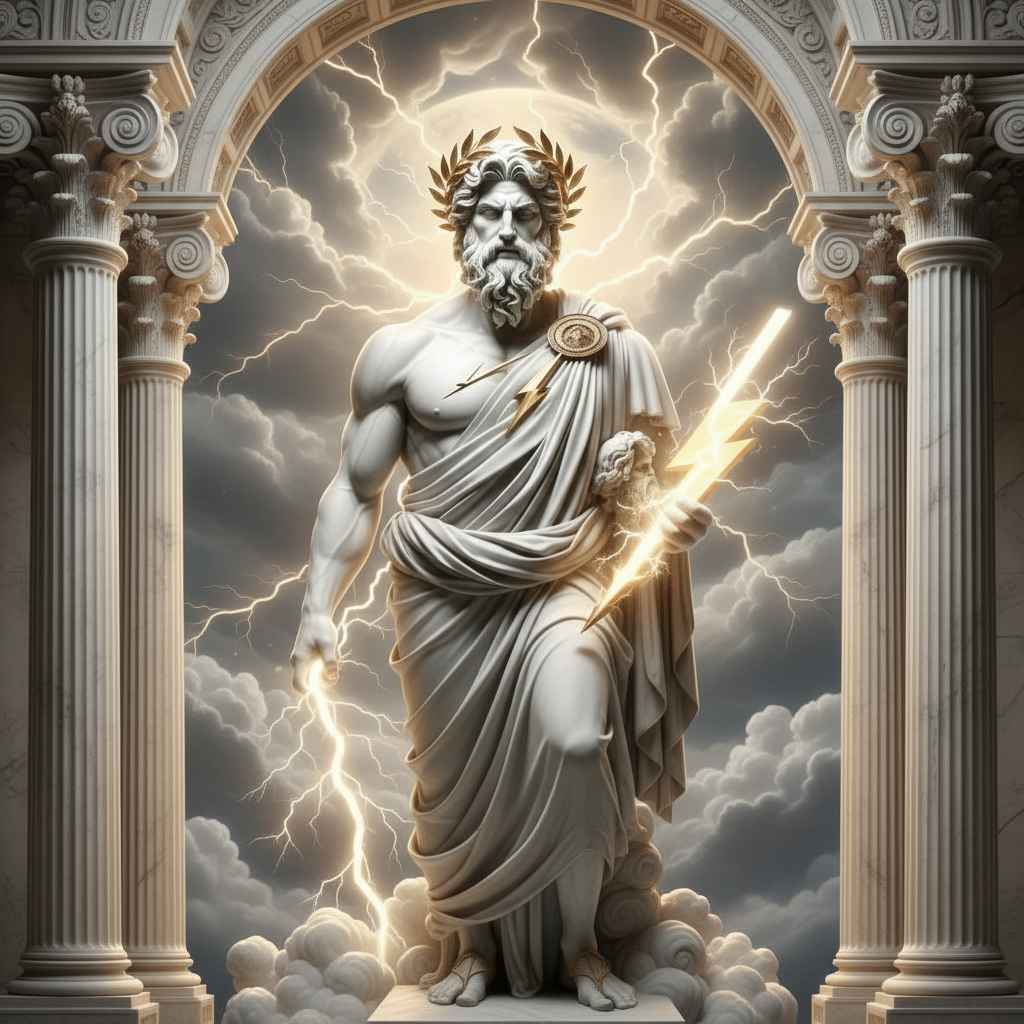
Greek deity names often derive from ancient roots describing divine attributes or cosmic functions. Zeus comes from the Proto-Indo-European root meaning "sky" or "shine." Athena's name may connect to "queen of heaven." Poseidon combines elements suggesting "husband" and "earth." Greek names typically feature clear syllables with balanced vowel-consonant patterns, making them pronounceable yet majestic.
The Olympian pantheon established Western mythology's foundation, and these names continue dominating fantasy literature. Greek god generators produce names like Apollonius, Hectoria, and Zeuxis—options that echo classical antiquity while remaining original enough for modern worldbuilding.
Norse Gods
Scandinavian traditions favored harsh consonants and powerful monosyllabic or disyllabic constructions. The Aesir (warrior gods like Odin, Thor, Tyr) and Vanir (fertility deities like Freya, Njord) bear names reflecting Viking culture's emphasis on strength and valor. Norse god generators produce names with similar phonetic weight: Bjornhild, Skaldi, Grimnar.
These names work exceptionally well for warrior deities, storm gods, and figures embodying primal forces. The hard edges and blunt sounds convey raw power—perfect when you need names that sound like they could shatter mountains.
Egyptian Gods
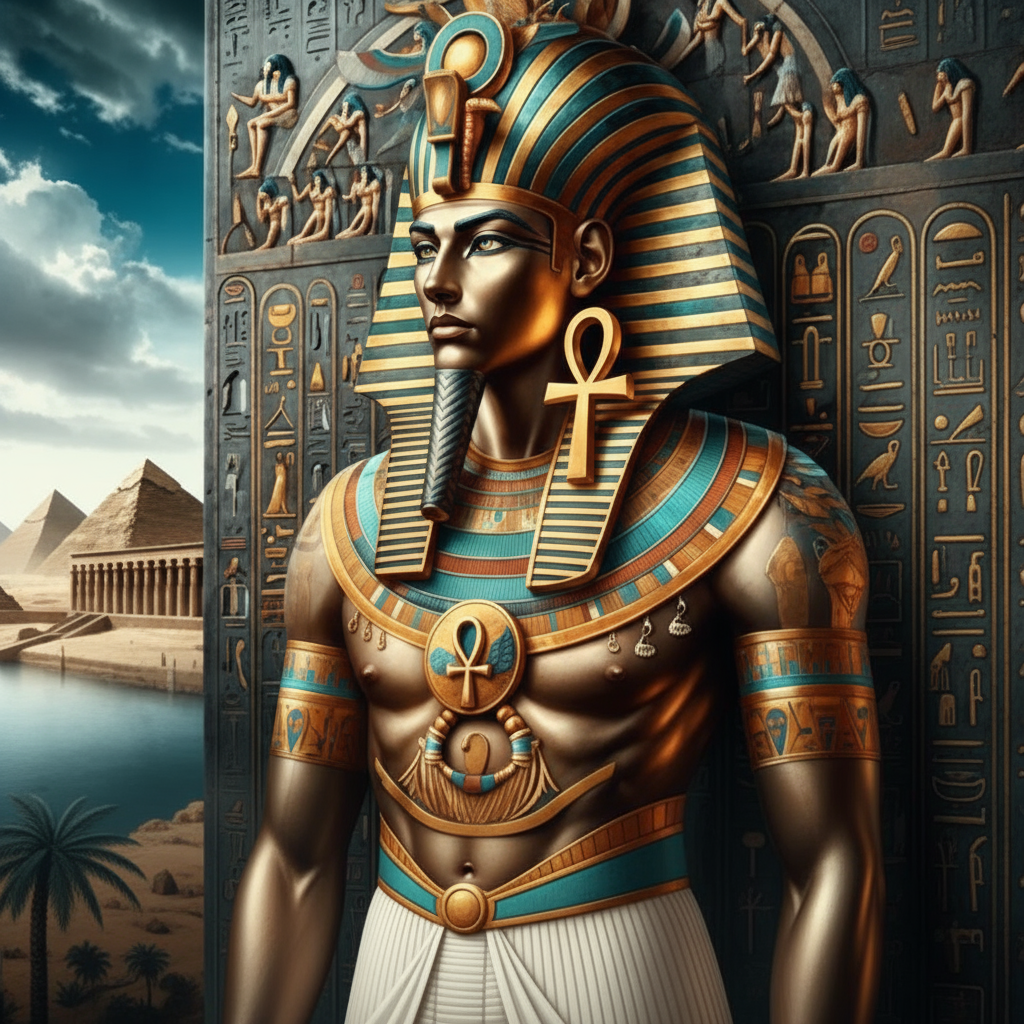
Hieroglyphic traditions produced some of mythology's most visually distinctive names. Ra, Anubis, Horus, Bastet—Egyptian deities often featured animal associations reflected in their titles. The names carry an exotic quality to Western ears, with unexpected consonant combinations and syllables that feel ancient and mysterious.
Egyptian god generators create names like Khepresh, Sekhara, and Anuket—options maintaining that distinctive Nile Valley aesthetic. These names excel for sun deities, underworld rulers, and gods associated with natural cycles like flooding and harvest.
Celtic Gods
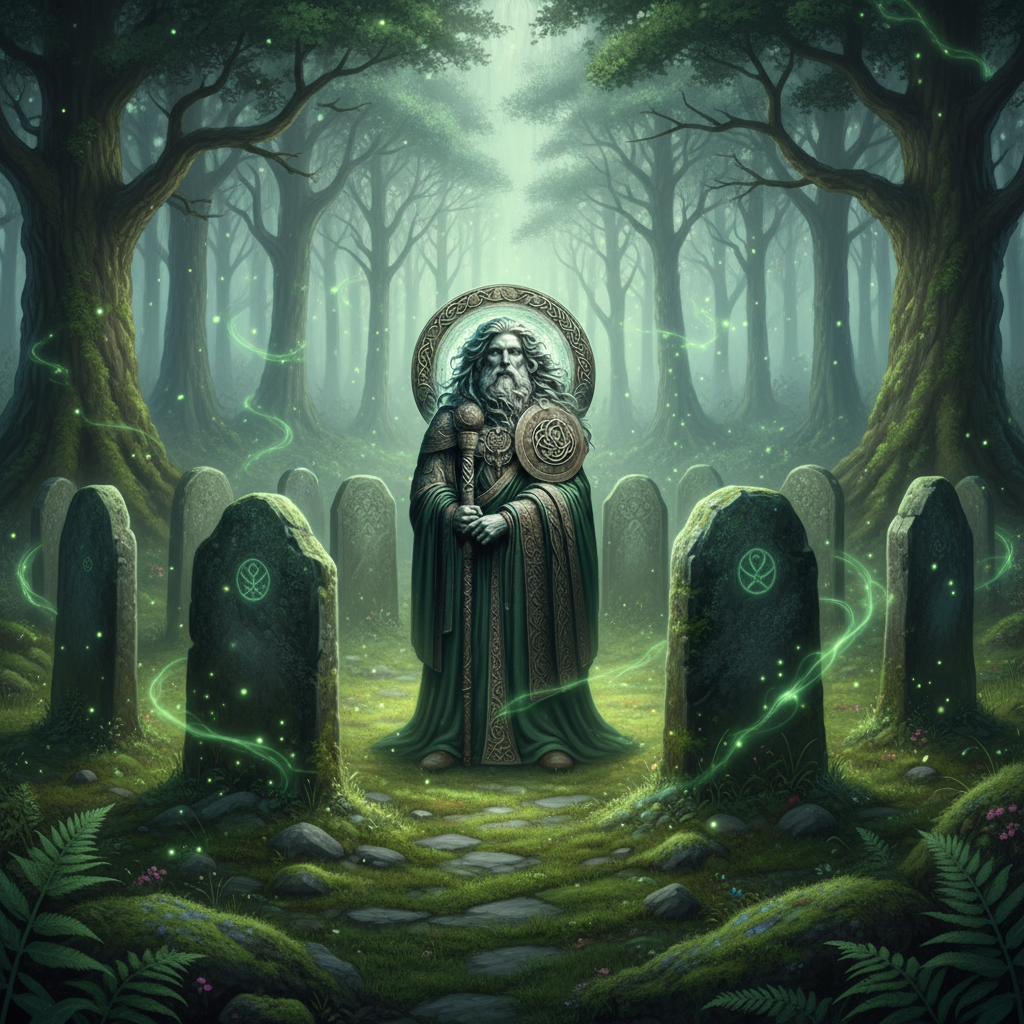
Druidic traditions from Ireland, Wales, and Gaul created names tied deeply to nature, magic, and the Otherworld. The Dagda, Morrigan, Lugh, and Brigid—Celtic deities bear names with flowing sounds and mystical connotations. Celtic god generators produce names like Caradwen, Fionnbharr, and Aisling, perfect for nature spirits, forest guardians, and deities of healing and prophecy.
The softer phonetics distinguish Celtic names from their Norse counterparts. Where Norse names crack like thunder, Celtic names flow like water—ideal for different divine personalities within your pantheon.
Hindu Gods
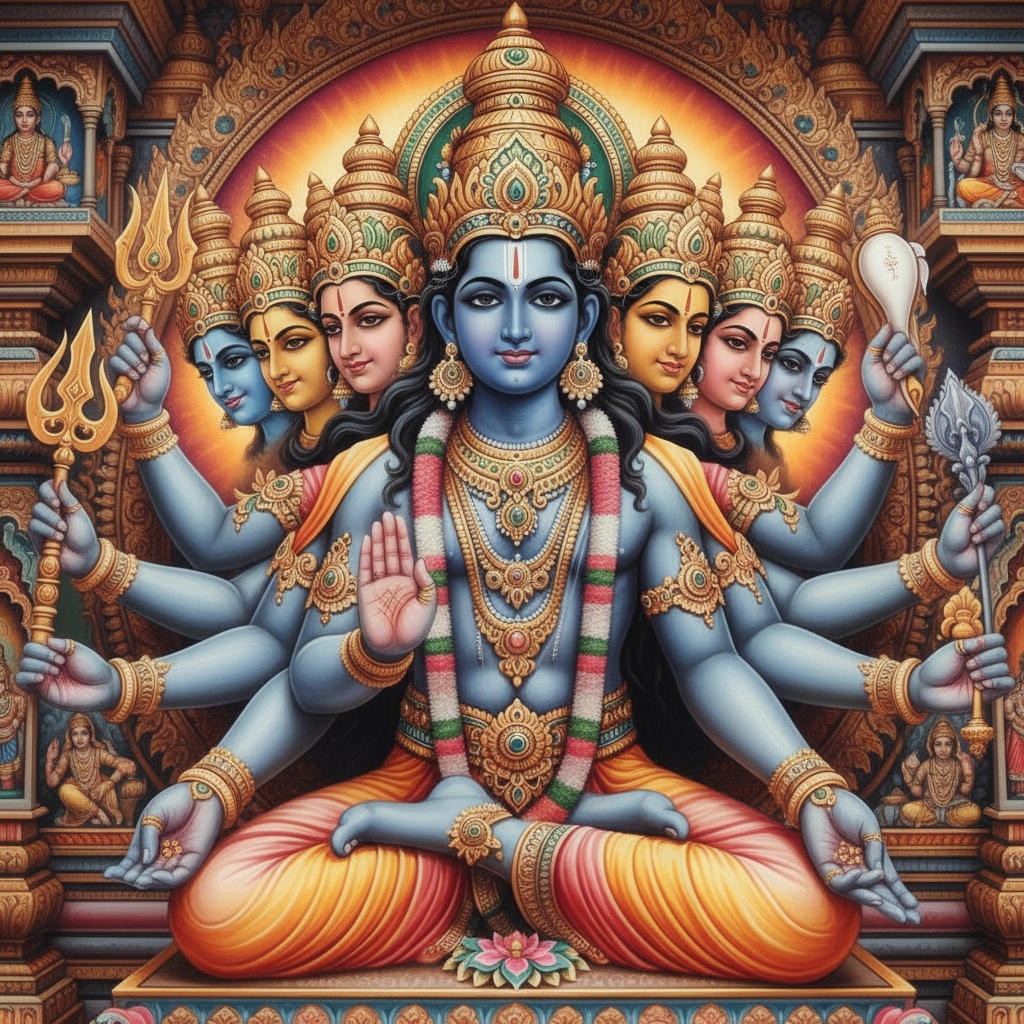
Sanskrit-rooted names carry profound spiritual depth and encoded meaning. "Vishnu" derives from roots meaning "pervader," while "Shiva" connects to "auspicious one." Hindu deity names often incorporate prefixes like "Maha" (great), "Sri" (auspicious), or "Devi" (goddess), creating elaborate multi-syllable constructions.
Hindu god generators produce names like Mahendra, Srivatsa, and Durgakali—options that sound authentically subcontinental while remaining pronounceable for Western audiences. These names work beautifully for cosmic creator figures, preservation deities, and gods governing transformation and rebirth.
Japanese Gods
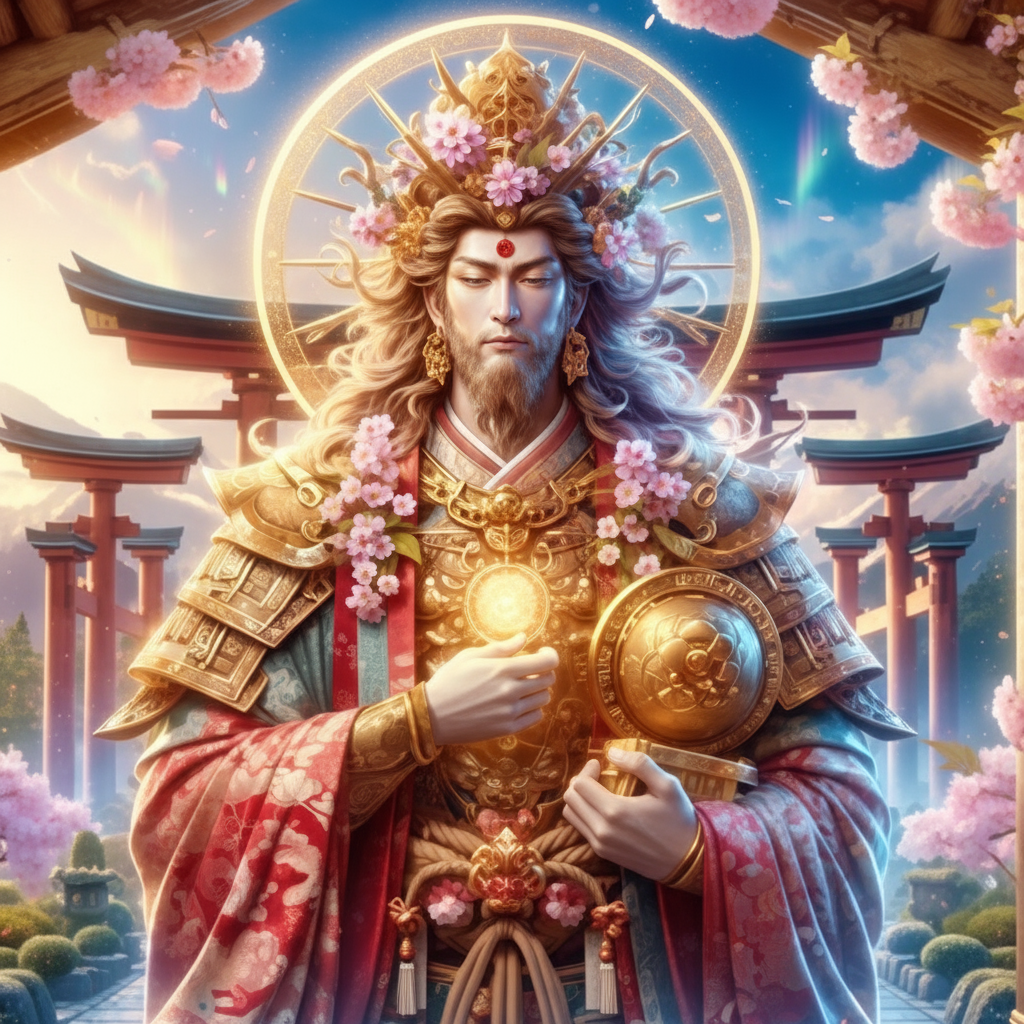
Shinto kami and Buddhist influences created naming conventions reflecting Eastern spiritual concepts. Amaterasu (sun goddess), Susanoo (storm god), Raijin (thunder deity)—Japanese god names often feature softer consonants and poetic imagery. Generators produce names like Tsukihana, Kazeshiro, and Mizukage, perfect for nature spirits, celestial beings, and elemental forces.
The melodic quality of Japanese deity names makes them excellent choices for benevolent gods, harvest deities, and figures associated with beauty, craftsmanship, and natural harmony.
Roman Gods
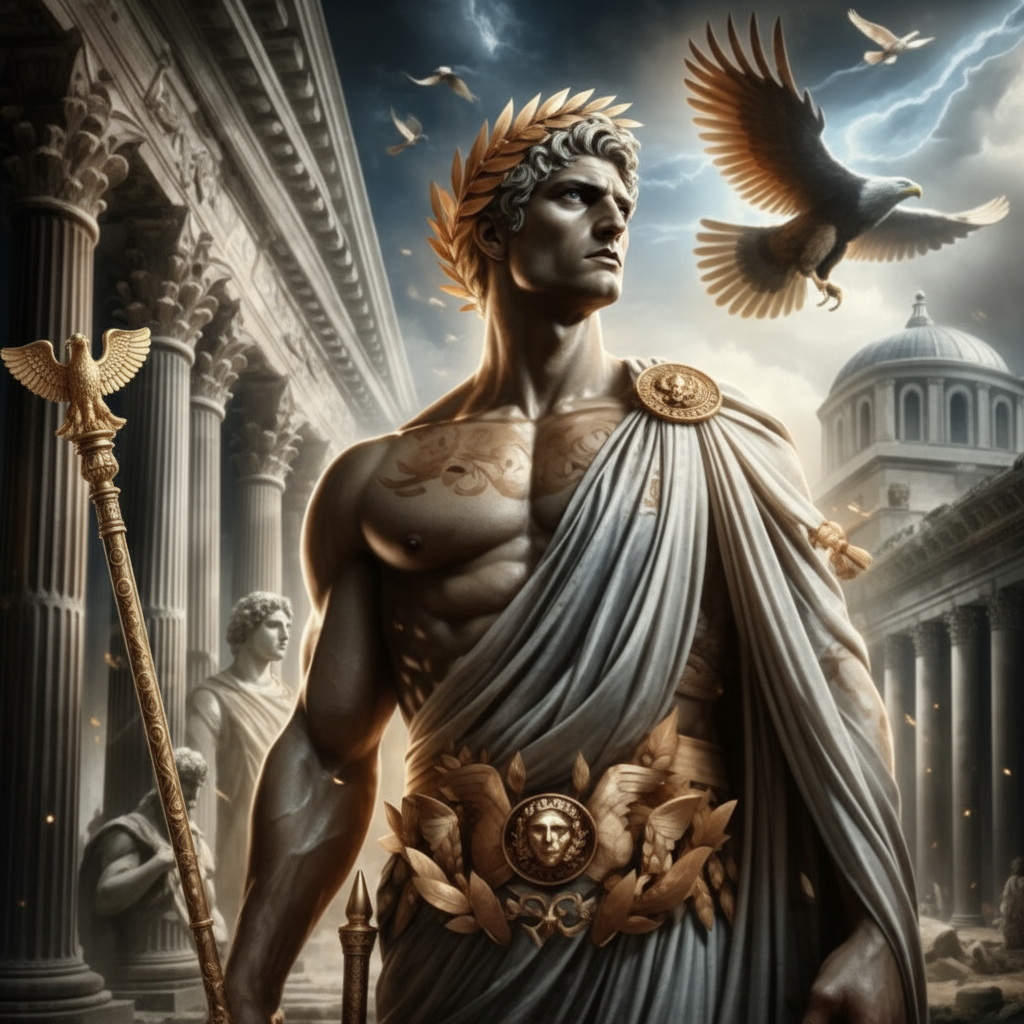
Latin adaptations of Greek deities created parallel names with distinct Roman gravitas. Jupiter for Zeus, Neptune for Poseidon, Mars for Ares—Roman names often sound more formal and imperial than their Greek counterparts. Roman god generators produce names like Imperatus, Victrix, and Augustinus, ideal for law deities, empire-building gods, and figures embodying civilization and order.
Tips for Choosing a Divine Name
Generating dozens of potential names is easy. Selecting the perfect one requires strategic thinking:
Consider Domain and Symbolism
Match your god's sphere of influence to the name's phonetic qualities. Thunder gods benefit from explosive consonants—names starting with hard "K," "T," or "Th" sounds. Love goddesses shine with flowing vowels and soft consonants. Death deities need sharp, final sounds that suggest finality. Let the name's acoustic signature reinforce the deity's cosmic role.
A sun god named "Solaryx" sounds far more appropriate than "Gloomrath," even if both names are well-constructed. The meaning embedded in sound matters as much as actual etymology.
Assess Pronounceability
Your players, readers, or viewers must speak these names aloud. "Kthxrrgnath" might look imposing on the page, but if no one can pronounce it without stumbling, immersion breaks. Test names by saying them out loud multiple times. If you struggle, others will too.
Aim for two to four syllables maximum unless creating an ancient, rarely-spoken "true name" that characters reference but don't use regularly.
Check Cultural Sensitivity
Research whether generated names accidentally duplicate real-world religious figures still actively worshipped. Using "Vishnu" or "Allah" in your fantasy game could offend believers. Generators typically create original names inspired by linguistic patterns rather than copying sacred figures, but double-check results against religious databases before committing to a name.
Build Naming Families
Related gods should share phonetic elements. If your pantheon includes siblings, give them similar prefixes or suffixes. Children of "Aetheron" might be "Aetheris" and "Aetheryx." This creates cohesive divine families that feel intentionally designed rather than randomly assembled.
Germanic languages used similar principles—gods within the same family tree often shared root words. Replicate this approach for a believable pantheon structure.
Test in Context
Write sample prayers, invocations, or dialogue using the name before finalizing your choice. Some names look powerful in lists but feel awkward when woven into prose. "By the grace of Thorvakian the Mighty" sounds natural. "By the grace of Xqwlmrth the Mighty" doesn't. Context reveals whether a name truly serves your narrative.
Top God Name Generators in 2024
Several platforms have emerged as go-to resources for deity naming. Each offers distinct advantages:
Fantasy Name Generators
This veteran platform provides dedicated generators for multiple pantheons, producing ten names per click. Names are heavily influenced by Roman, Greek, and Norse traditions, with each deity receiving a randomized title like "God of War" or "Goddess of Harvest." The straightforward interface makes it ideal for quick inspiration during game sessions.
The generator's strength lies in volume—generate hundreds of options rapidly until finding the perfect match. The included domain titles help spark ideas about each deity's role within your pantheon.
Reedsy Character Name Generator
Reedsy offers god name generation across seven mythological traditions: Japanese, Celtic, Hindu, Egyptian, Roman, Norse, and Greek. The platform provides both male and female filter options, letting you target specific gender presentations. With a database claiming 100,000+ names, Reedsy emphasizes variety and cultural authenticity.
The interface includes helpful context about each mythology's naming conventions, making it educational as well as functional. New names are added regularly, keeping the database fresh and preventing overused results.
Mythopedia Gods and Goddesses Generator
Mythopedia specializes in mythology-focused content, and its generator reflects that expertise. The tool produces names embodying "celestial might and mythology from across the world's pantheons," with particular attention to phonetic authenticity. Each generated name includes a brief divine title—"God of Rain," "Goddess of Chance"—helping establish character immediately.
The clean, modern interface makes generation effortless, while the mythology-expert background ensures results sound genuinely rooted in religious tradition rather than generic fantasy.
Scabard Fantasy God Generator
Scabard takes customization to the next level with extensive filter options. Select your deity's domain (war, love, wisdom, nature, death), associated element (fire, water, earth, air, lightning), and follower perception (merciful, vengeful, protective, trickster, mysterious). The generator produces ten names with accompanying backstories based on your selections.
Advanced users can input custom flavor text or string templates to shape results further. The tool also offers cultural language filters spanning English, Arabic, Japanese, Korean, Sanskrit, and more. For worldbuilders seeking maximum control, Scabard delivers unmatched precision.
Chapterly AI Gods Generator
Chapterly leverages AI to produce "infinite" deity names across multiple pantheons, including Greek, Norse, Japanese, Roman, Egyptian, Celtic, and Hindu. The platform emphasizes AI-powered generation, using machine learning to analyze mythological naming patterns. Each name includes a descriptive title—"The Preserver," "Goddess of Time and Change"—providing instant character hooks.
The interface allows custom prompts, letting you describe desired characteristics in natural language. "Generate a fierce warrior goddess name" produces different results than "Generate a gentle healing deity name." This conversational approach suits writers who think in narrative terms rather than technical filters.
Creative Applications
God name generators serve purposes beyond simple character creation:
Literature and Novel Writing
Fantasy authors building original mythologies use generators to establish pantheons that feel authentic rather than derivative. Instead of recycling Greco-Roman gods with slightly altered names, generators help create genuinely fresh divine beings. The time saved on brainstorming can be redirected toward developing complex divine personalities, relationships, and mythological backstories.
Tabletop RPG Campaigns
Dungeon Masters running long-term campaigns need dozens of deities for different cultures, races, and regions within their game worlds. Generators provide quick solutions when players unexpectedly ask about local religious practices. The ability to generate names on demand keeps worldbuilding flexible and responsive to player curiosity.
Video Game Development
Game designers creating fantasy worlds with religious systems use generators to populate temples, shrines, and holy texts with believable deity names. The consistency filters ensure names within the same pantheon share aesthetic qualities, creating cohesive in-game cultures.
Creative Writing Exercises
Writing instructors use god name generators as prompts for character development exercises. Generate a random deity name and title, then spend fifteen minutes writing their origin myth. The constraints spark creativity while the variety ensures each student works with unique material.
Worldbuilding Documentation
Fantasy worldbuilders maintaining wikis, codices, and reference documents for their settings use generators to flesh out religious systems across multiple cultures. The ability to generate names matching specific linguistic patterns helps maintain internal consistency across vast fictional histories.
Frequently Asked Questions
Do I need to credit the generator when using names?
No. Generated names are original creations produced by algorithms analyzing linguistic patterns. They aren't copyrighted terms requiring attribution. Use generated names freely in commercial projects, published novels, games, and other creative works.
Can generators create names for non-European mythologies?
Yes. Modern generators include Hindu, Japanese, Egyptian, and other non-Western options. However, always research cultural context to ensure respectful use, especially when drawing from living religious traditions.
How many names should I generate before choosing?
Most users generate 20-50 names before making final selections. This volume provides enough variety to find options that truly resonate while preventing analysis paralysis from too many choices.
Should god names match their domain phonetically?
Not always, but it helps. Matching sound to function creates intuitive connections—storm gods with harsh names, love goddesses with flowing names. However, contrasting expectations can be memorable too. A death god named "Seraphine" creates interesting tension.
Can I combine elements from different generated names?
Absolutely. Treat generated names as raw material for customization. Take the prefix from one name, the suffix from another, and adjust syllables until you create something perfect for your needs.
Final Thoughts: The Power of Divine Naming
Names shape perception. When you introduce a deity called "Thorvakian the Eternal" versus "Bob," audiences immediately understand the difference in cosmic significance. God name generators bridge the gap between creative vision and linguistic execution, providing the tools to realize divine characters worthy of worship—or fear.
The best generators don't just randomize syllables. They analyze millennia of human mythology, distilling the patterns that made Zeus, Odin, Ra, and Shiva endure in cultural memory. By understanding and replicating these patterns, modern tools help creators craft new myths for new stories.
Whether you're running a D&D campaign tonight, drafting the next great fantasy novel, or designing the religion system for your indie RPG, god name generators offer a starting point for divine imagination. The names they produce aren't just labels—they're the first step in breathing life into beings that transcend mortal limits.