
Creature Name Generators
Craft Legendary Names for Your Fantasy World
Names carry power. A dragon called "Fluffy" won't inspire the same terror as one named Varthaxion the Devourer. A vampire introduced as "Bob" lacks the Gothic gravitas of Count Vladislav Nocturne. When building worlds for Dungeons & Dragons campaigns, Pathfinder adventures, or fantasy novels, the creatures populating your realm deserve names as memorable as their deeds.
An AI-powered creature name generator solves this challenge by combining ancient mythological traditions with modern customization tools. Rather than staring at a blank page hoping inspiration strikes, you can generate dozens of authentic-sounding names in seconds—then refine them using advanced filters until you discover the perfect fit for your legendary beasts.
This guide explores how to use creature name generators effectively, from understanding the mythological archetypes behind dragons, demons, vampires, angels, mermaids, and werewolves, to mastering the technical features that transform generic results into compelling character identities.
Why Creature Names Matter in World-Building
Before diving into generator mechanics, consider why naming matters. According to Encyclopaedia Britannica, dragons appear across cultures as both malevolent forces and beneficent guardians—the Chinese lung represents heavenly power, while medieval European dragons symbolized sin and destruction. These cultural distinctions should influence your naming choices.
The same principle applies to every supernatural entity in your bestiary. Vampires evolved from grotesque animated corpses in folklore to aristocratic predators in Gothic fiction. Werewolves—whose name derives from the Old English wer (man) and wulf (wolf)—carry dual identities that naming should reflect. Understanding these mythological roots helps you create names that feel authentic rather than arbitrary.
Fantasy naming conventions typically favor mononyms—singular names without surnames—though epithets add depth. As one worldbuilding forum notes, "In the Middle Ages, surnames were a privilege. And were distinguished by epithets (The Tall, the Fat), or by job titles (Smith, Farmer, Cooper), or by patronymics (Son of, Daughter of), or where they lived (of London)."
This historical precedent gives you creative license. Your dragon doesn't need a surname, but adding "the Flamebringer" or "Scourge of the Northern Peaks" transforms a simple name into a story hook.
Understanding Mythological Archetypes
Each creature type demands specific naming considerations based on its folklore origins:
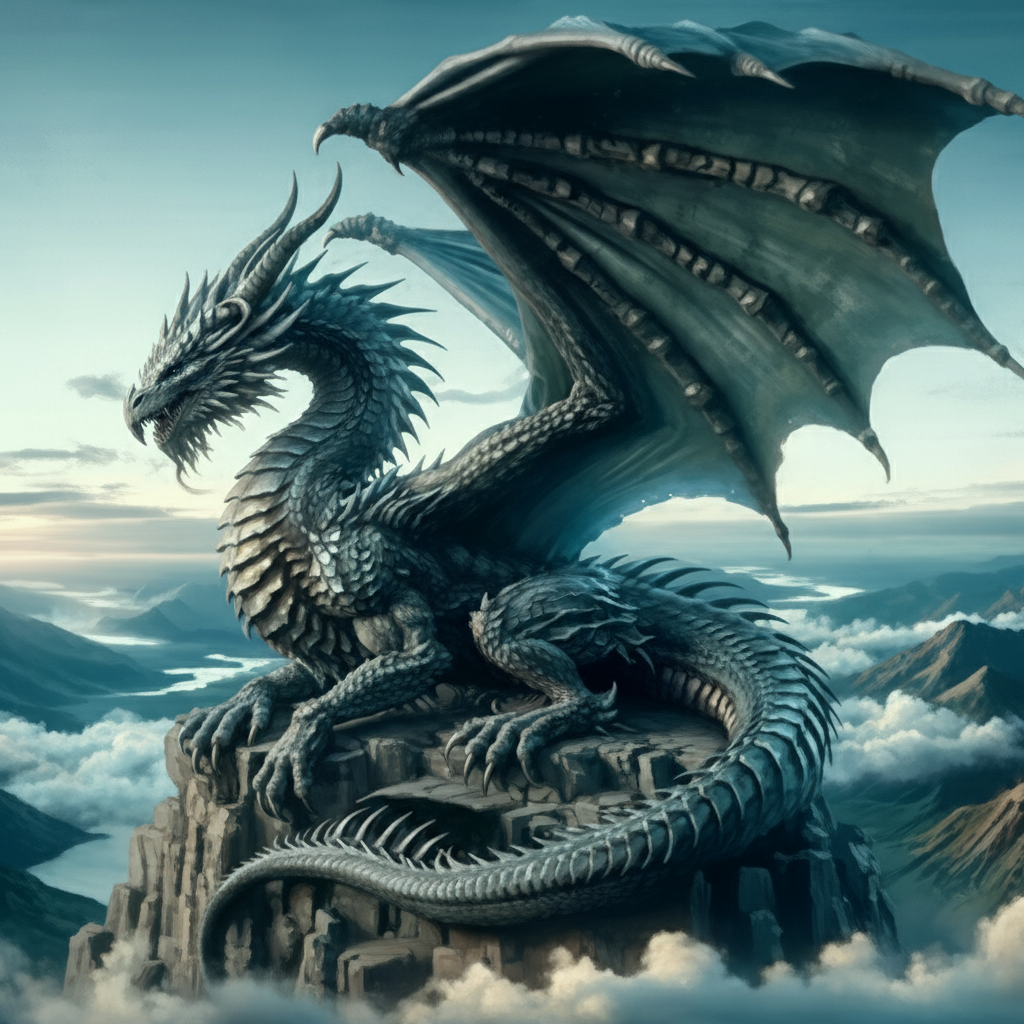
Dragons: Wisdom and Devastation
Dragons represent the apex of mythological creatures. The term "dragon" derives from the Greek drakōn, originally meaning any large serpent. Medieval European dragons typically appeared with wings, barbed tails, and fire breath, while East Asian dragons were often wingless, beneficent forces of nature embodying heaven and yang energy.
When naming dragons, consider:
- Elemental associations: Fire, ice, lightning, poison, shadow
- Physical characteristics: Winged wyrm versus serpentine drake
- Moral alignment: Ancient guardian versus destructive apex predator
- Phonetic weight: Hard consonants (Varthax, Kromath) suggest power, while sibilants (Silvaris, Zephyros) evoke grace
Vampires: Aristocratic Predators
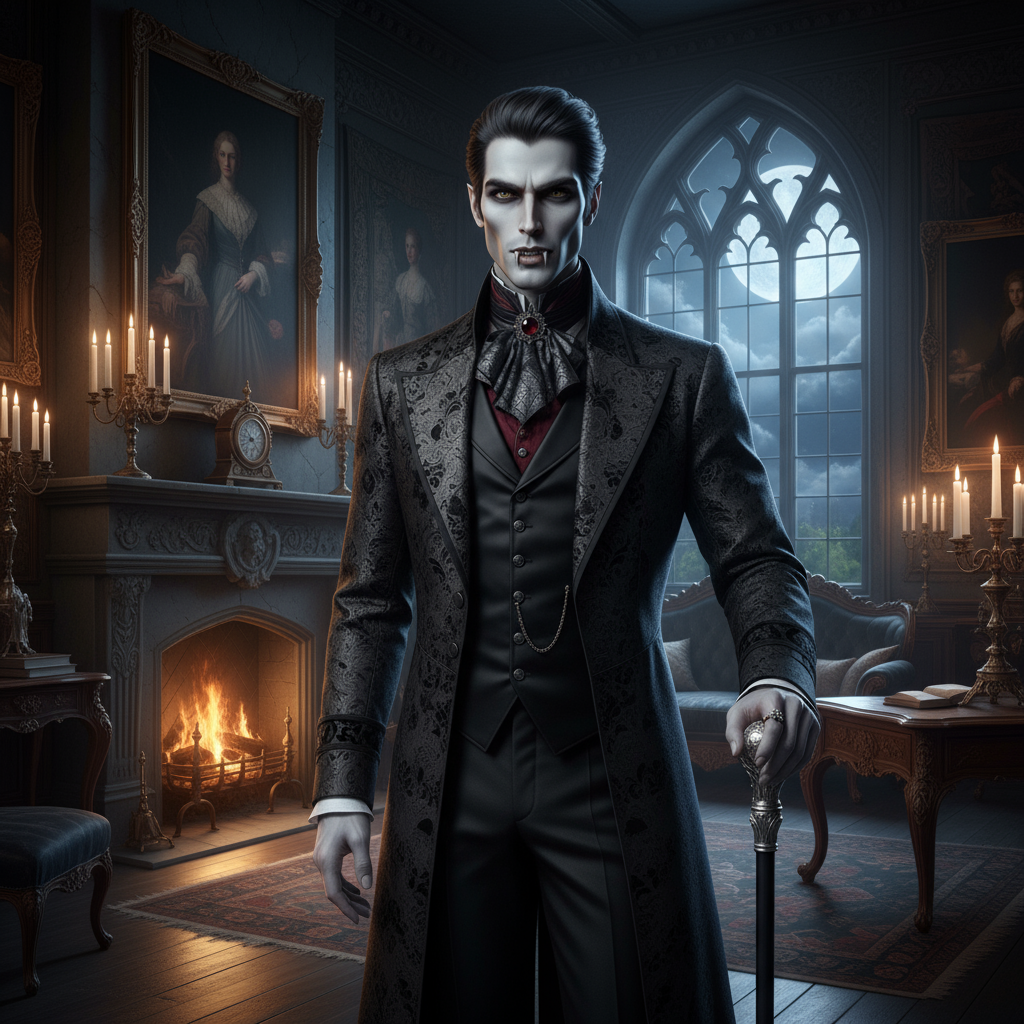
Vampires are creatures of contradiction—undead yet animated, predatory yet seductive, cursed yet often aristocratic. Encyclopaedia Britannica describes them as creatures "often fanged, that prey upon humans, generally by consuming their blood." Their names should reflect sophistication and menace.
Effective vampire names often:
- Draw from Eastern European traditions (Romanian, Hungarian, Slavic roots)
- Incorporate Gothic Victorian aesthetics
- Suggest nobility through structure (Count, Lord, Countess)
- Balance elegance with darkness (Vladislav Nocturne, Katerina Sanguis)
Werewolves: Cursed Duality
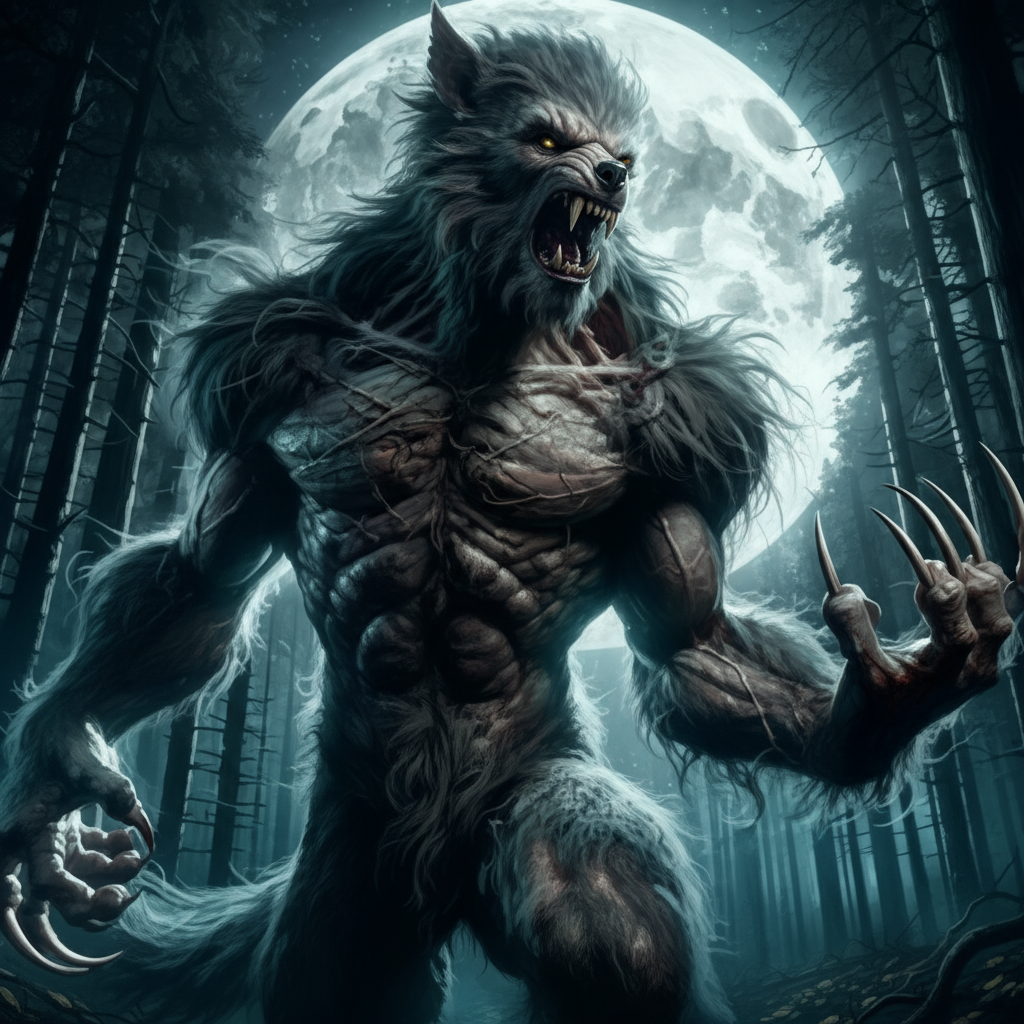
Lycanthropy—from the Greek lykos (wolf)—represents the struggle between human civilization and bestial nature. According to folklore documented in Britannica, werewolves transform under the full moon, often involuntarily, and may not remember their actions upon returning to human form.
Werewolf names work best when they:
- Emphasize the curse or affliction (Fenric the Moonbound)
- Reflect pack hierarchy (Alpha, Lone Wolf)
- Use guttural, primal sounds (Grendok, Vargulf, Hrokkar)
- Incorporate wolf imagery without being obvious (Silverpaw feels juvenile; Argentmaw suggests danger)
Angels: Celestial Hierarchy
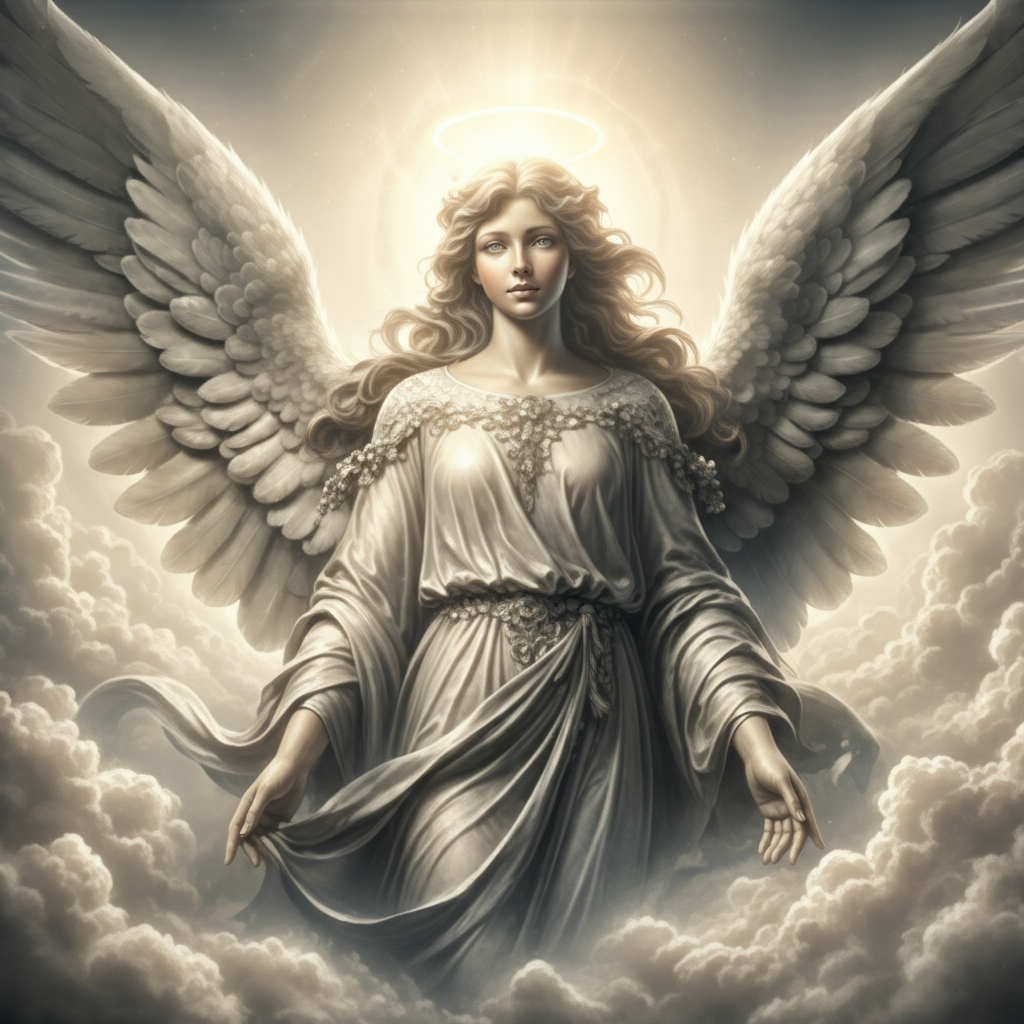
Angel names require understanding heavenly ranks. A seraph—the highest order with six wings—differs fundamentally from a cherub or archangel. Names should reflect purity, divine purpose, and often incorporate Latin or Hebrew linguistic patterns.
Consider:
- Ending patterns (-iel, -ael, -on: Gabriel, Raphael, Metatron)
- Meaning-driven construction (Uriel = "Light of God")
- Hierarchy-appropriate gravitas
- Gender-neutral or feminine/masculine variations
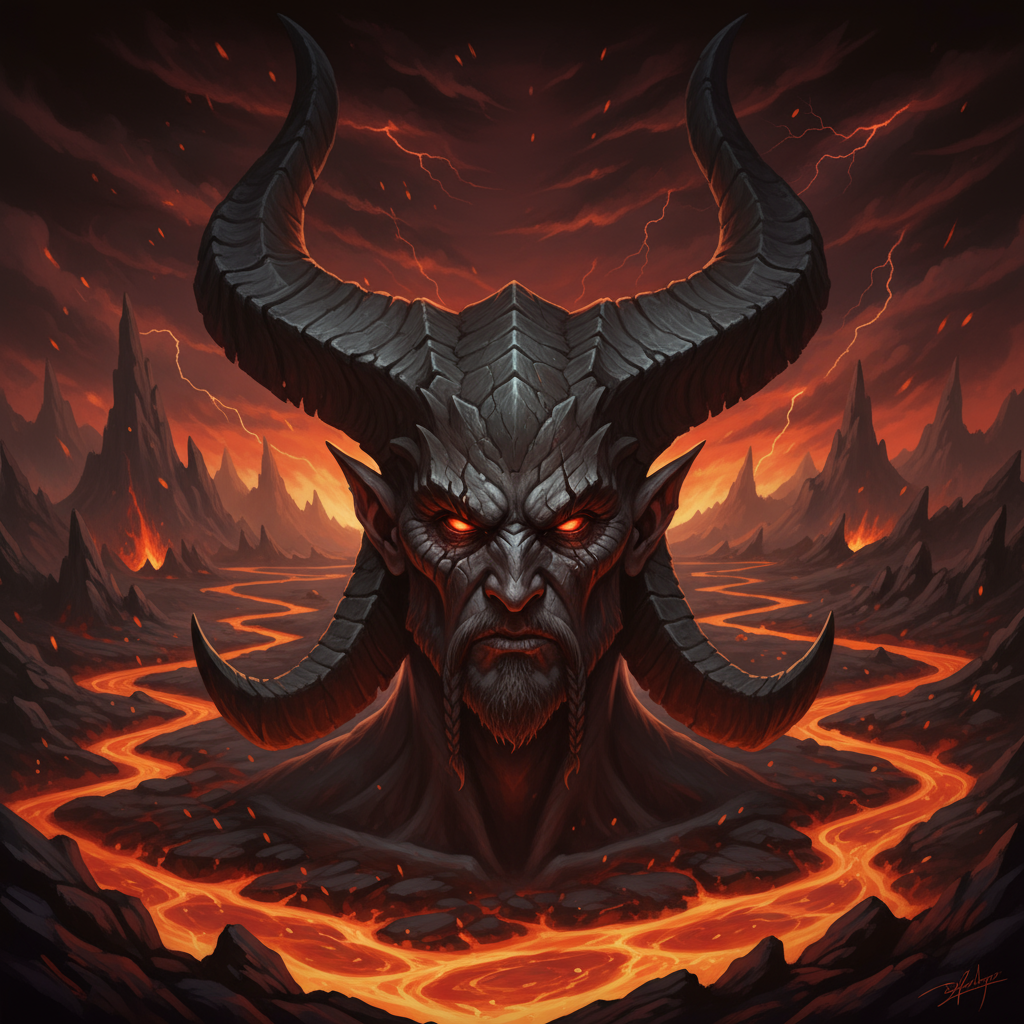
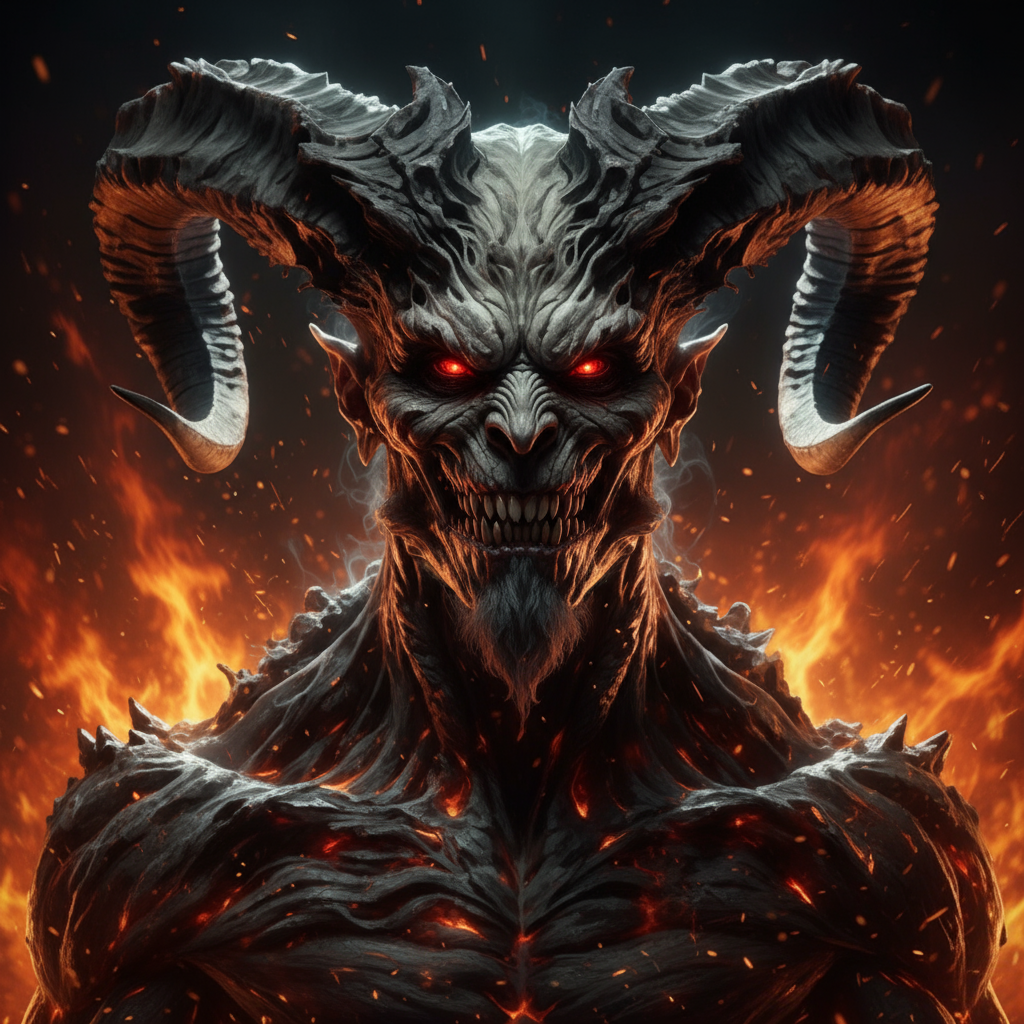
Demons and Devils: Infernal Distinctions
While often used interchangeably, demons and devils occupy different mythological spaces. Devils typically represent lawful evil—cunning tempters making bargains and contracts. Demons embody chaotic destruction—abyssal entities summoned through ritual.
Devil names thrive on:
- Scheming sophistication (Mephistopheles, Asmodeus)
- Legalistic formality
- Classical hellfire imagery (sulfur, brimstone, damnation)
Demon names emphasize:
- Guttural chaos (Graz'zt, Demogorgon)
- Primal terror
- Unpronounceable consonant clusters suggesting otherworldly origins
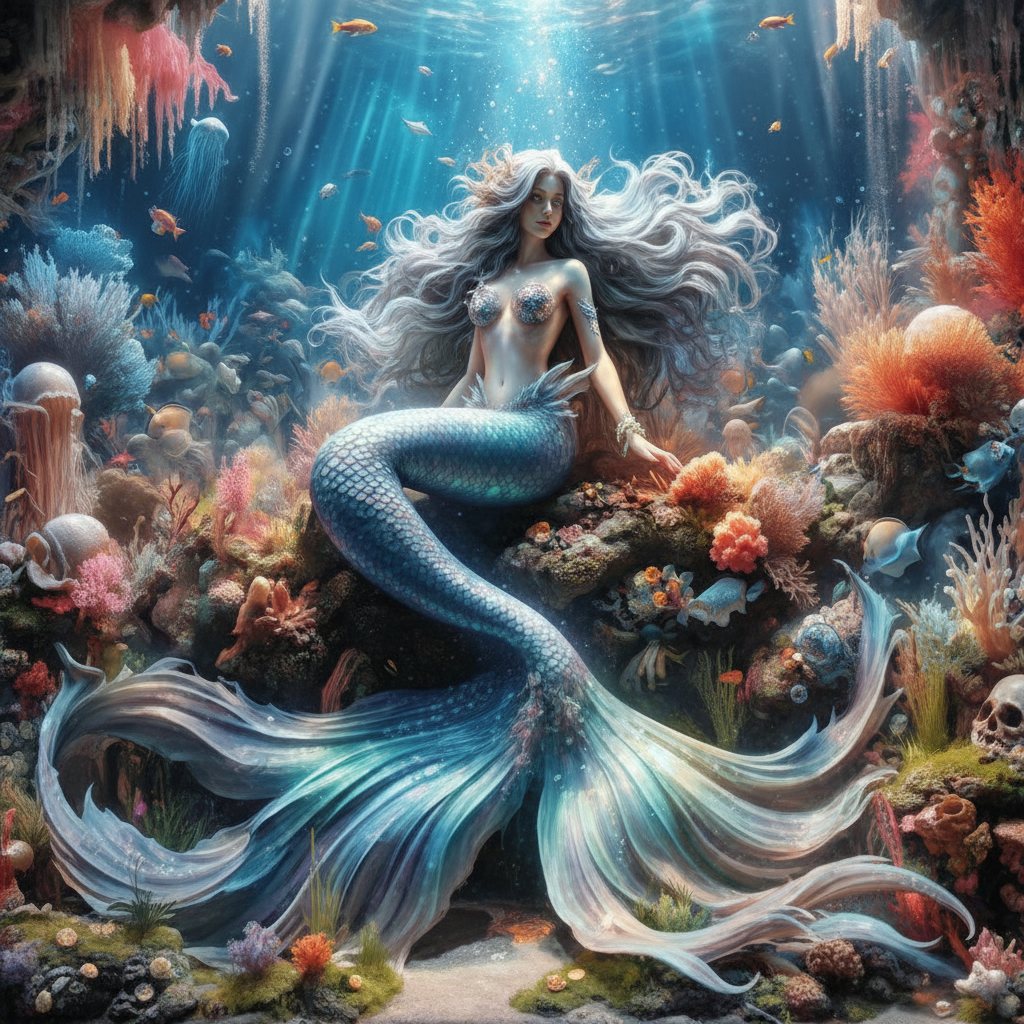
Mermaids: Aquatic Enchantment
Mermaid mythology spans from Greek Nereids and Oceanids to dangerous sirens luring sailors to their doom. Names should reflect whether your creature is a benevolent sea maiden or a deadly enchantress.
Effective approaches include:
- Liquid, flowing sounds (Lyrasea, Marisol, Coralina)
- Ocean imagery (pearl, tide, foam, shell)
- Color associations (silver, sapphire, turquoise)
- Classical nymph naming patterns
How to Use an AI-Powered Creature Name Generator
Modern creature name generators offer unprecedented control over results. Here's how to maximize their potential:
Basic Features: Quick Generation
Start with the fundamentals:
- Select Gender Preference: Choose Male, Female, or Any depending on your creature's identity
- Click Generate: Receive instant AI-powered names tailored to your selected creature type
- Review Results: Most generators produce 5-10 options per generation
This basic approach works when you need quick inspiration without specific constraints.
Advanced Customization: Precision Control
The real power emerges through advanced options:
Name Length Settings
- Short (1-2 syllables): Punchy, memorable (Drak, Nyx, Vex)
- Medium (2-3 syllables): Balanced and versatile (Malachor, Seraphine, Vorgoth)
- Long (4+ syllables): Epic and elaborate (Thalassarion, Morgathendra, Zarathustrax)
Syllable Count Filter
Precise syllable control creates specific phonetic effects:
- 1 syllable: Blunt impact (Grim, Dread, Ash)
- 2 syllables: Classic fantasy feel (Vorgul, Nexar, Thalor)
- 3 syllables: Rhythmic flow (Malekith, Seraphiel, Corvinus)
- 4+ syllables: Grand, mythological weight (Mephistopheles, Thalassarion)
Starts With / Ends With Parameters
These fields unlock creative consistency:
- Want all demon names beginning with "Z"? Filter accordingly (Zargoth, Zelrax, Zyrkaal)
- Need vampire surnames ending in "-dor" for a noble house? Specify it (Valdor, Mordor, Thaldor)
- Building a dragon clan where all names start with "Vor-"? The pattern ensures familial cohesion
Combining Features for Optimal Results
Don't settle for the first generation. Experiment with combinations:
- Generate long, 4-syllable angel names ending in "-iel" for a celestial choir
- Create short, 2-syllable werewolf names starting with "Gr-" for a savage pack
- Produce medium-length vampire names ending in "-ius" or "-nus" for ancient Roman undead
The best approach involves generating multiple batches, saving favorites, then mixing and matching elements to create hybrid names that feel both generated and handcrafted.
The Art of Epithets: Adding Flavor to Mononyms
While a creature name generator produces the foundation, epithets elevate names into legends. As one D&D blogger notes, "Epithets are terms used to characterize a person or serve as a descriptive substitute for the person's name."
Historical examples demonstrate their power:
- Achilles: the swift-footed one, lion-hearted
- Albert, Duke of Austria (1365-95): Albert with the Pigtail
- Alfonso, King of Galicia (1188-1230): Alfonso the Slobberer
In fantasy contexts, epithets serve multiple purposes:
Characterization Through Action
- Varthax the Flamebringer (known for destruction)
- Seraphine the Merciful (angel of compassion)
- Korgath Bloodfang (werewolf alpha)
Descriptive Physical Traits
- Morgath the One-Eyed (battle-scarred)
- Silvaris the Pale (vampire aesthetic)
- Thalor the Winged (dragon mobility)
Ironic or Humorous Contrast
- Grimjaw the Gentle (reformed monster)
- Nightshade the Bright (dark creature serving light)
- Bonecrusher the Delicate (unexpectedly careful)
Epithets can emerge naturally through gameplay. A character who survives a dragon's fire might earn "the Scorched." One who betrays their party becomes "the Oathbreaker." These organic titles create richer stories than pre-planned names.
Applying Generated Names to Storytelling
Once you've generated creature names, integrate them strategically:
Campaign NPCs and Villains
Strong antagonist names stick in player memory. Compare:
- Generic: "You meet a vampire lord."
- Memorable: "You meet Count Vladislav Nocturne, called the Crimson Duke by those who whisper his name after dark."
The second version uses a generated base name (Vladislav Nocturne) enhanced with an epithet (the Crimson Duke) and context (whispered after dark).
Bestiary Building
When populating your world with creatures, naming patterns establish cultural logic. If all dragons in your setting use hard K and V sounds (Kromath, Varthax, Kaldreth), players recognize dragon names instantly. If angels always end in -iel or -ael, the pattern becomes shorthand for "celestial being."
This consistency aids immersion. Players shouldn't wonder whether Zephyros is a wizard or a dragon—the name's structure should signal the answer.
Writing Fantasy Fiction
Novelists face the opposite challenge: too many creatures to name. A scene featuring fifty werewolves becomes tedious if you name all of them. Use generated names for major characters, epithets for mid-tier threats, and generic descriptors for cannon fodder:
- Major: Fenric Silverclaw, Alpha of the Moonpeak Pack
- Mid-tier: The three pack lieutenants—Vorgul the Scarred, Hrokkar, and Grenda One-Eye
- Cannon fodder: "A dozen lesser wolves charged through the underbrush."
Technical Considerations: Making Names Pronounceable
AI generators occasionally produce unpronounceable consonant clusters. Before finalizing names, apply these tests:
The Read-Aloud Test
Can you say the name without stumbling? If "Xrlthkvoz" ties your tongue in knots, simplify it to "Xarkovoz" or "Zarlthek."
The Player Memory Test
Will your D&D players remember this name three sessions later? "Seraphine" sticks better than "Xzephyrinalethius."
The Cultural Consistency Test
Does this name fit your world's linguistic patterns? If all elven names use flowing vowels (Elandria, Ilyana), "Grognak" signals the character isn't an elf.
Avoiding Common Pitfalls
Even with powerful generators, certain mistakes plague fantasy names:
Over-Apostrophication
Apostrophes suggest exotic alien-ness, but "D'rak'th'or'zul" becomes parody. Use apostrophes sparingly—one per name maximum.
Generic Fantasy Syndrome
Names ending in -ax, -or, -on, or -ius saturate fantasy fiction. While not inherently bad, combinations like "Draxor" or "Mordax" feel overused. Add unique elements: Draxor becomes Draxovyn, Mordax becomes Mordakai.
Ignoring Phonetic Weight
Soft-sounding names (Lyria, Celeste, Silvan) suit graceful creatures. Harsh consonants (Kromath, Grendok, Vorgath) fit brutal ones. Mismatching sound and concept creates cognitive dissonance—a gentle healer named Skullcrusher confuses rather than intrigues.
Forgetting the Creature's Role
A comic-relief goblin merchant might be named Squee Brokencoin. A world-ending demon lord should not. Names carry tonal weight—ensure yours matches the creature's narrative function.
Beyond Generation: Handcrafting Hybrid Names
The most effective approach combines generation with customization. Generate a foundation, then modify:
- Generate: AI produces "Morgath."
- Add epithet: "Morgath the Undying."
- Refine for culture: "Morgath vas'Undara" (incorporating fictional language patterns)
- Final version: "Morgath vas'Undara, called the Undying by those who've witnessed his resurrections."
This hybrid method leverages AI speed while maintaining authorial control.
Creature Name Generator as Creative Catalyst
Generator skeptics argue that they replace creativity. In practice, they enhance it. Rather than spending hours brainstorming, you generate dozens of options in minutes, freeing mental energy for plot development, character arcs, and world-building depth.
Think of generators as writing partners offering suggestions. Some you'll accept wholesale. Others you'll modify. Many you'll reject while they spark better ideas. This collaborative approach beats staring at blank pages, hoping inspiration arrives.
Building Your Personal Name Library
As you generate names, maintain a document organized by creature type. Note which names you've used, which are available, and which patterns work for your setting. This library becomes invaluable when you need a quick NPC name mid-session or want to maintain naming consistency across novels.
Include:
- Generated names (sorted by creature type)
- Modified versions you've created
- Epithets that work well
- Naming patterns specific to your world's cultures
- Names rejected for the current project but worth revisiting
The Intersection of Folklore and Technology
Modern AI creature name generators represent the latest evolution in a tradition spanning millennia. Ancient bards memorized epithets for Greek heroes. Medieval scribes recorded dragon names in bestiaries. Fantasy authors filled notebooks with character names. Dungeon Masters scribbled creature titles on index cards.
Technology accelerates the process without replacing creativity. The AI doesn't decide that your vampire lord is Count Vladislav Nocturne—you do, after evaluating dozens of options and selecting the one that resonates with your narrative vision.
Bringing It All Together: A Naming Workflow
Here's a practical step-by-step process:
- Define Your Creature: Determine type, role, and personality before naming
- Generate Foundation Names: Use basic generator features for 10-20 options
- Apply Advanced Filters: Refine using length, syllable count, and letter constraints
- Select Top Candidates: Narrow to 3-5 names that fit
- Add Epithets: Enhance your favorite with descriptive titles
- Test Pronunciation: Read aloud to ensure memorability
- Integrate into Lore: Connect the name to your world's history and culture
- Document for Future Use: Save unused names for later projects
The Power of Intentional Naming
Generic creatures populate generic worlds. Legendary creatures—those players remember years after a campaign ends, those readers quote in online discussions, those that haunt imaginations—earn their immortality through careful crafting.
An AI-powered creature name generator doesn't guarantee legendary status. But it provides the raw material from which legends emerge. Combined with mythological knowledge, phonetic awareness, cultural consistency, and narrative purpose, generated names transform from random syllables into identities that breathe life into fantasy worlds.
Your dragons deserve names that echo through mountain halls. Your vampires need titles that chill noble courts. Your angels require appellations befitting celestial glory. Whether you're running a D&D campaign, writing a fantasy novel, or building a video game bestiary, the creatures populating your imagination deserve names as compelling as the stories they'll inhabit.
The tools exist. The mythological traditions provide guidance. The choice—and the creativity—remains yours.