
Medieval Name Generators
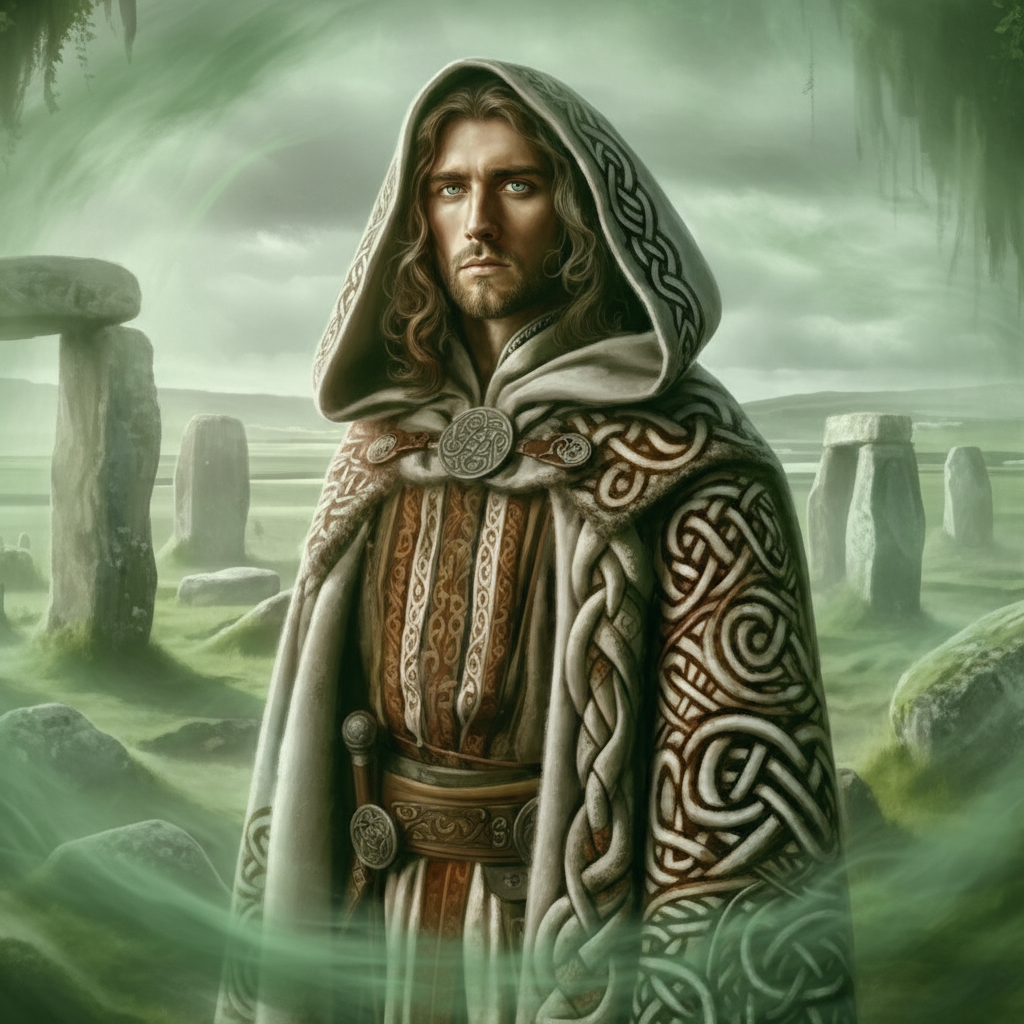
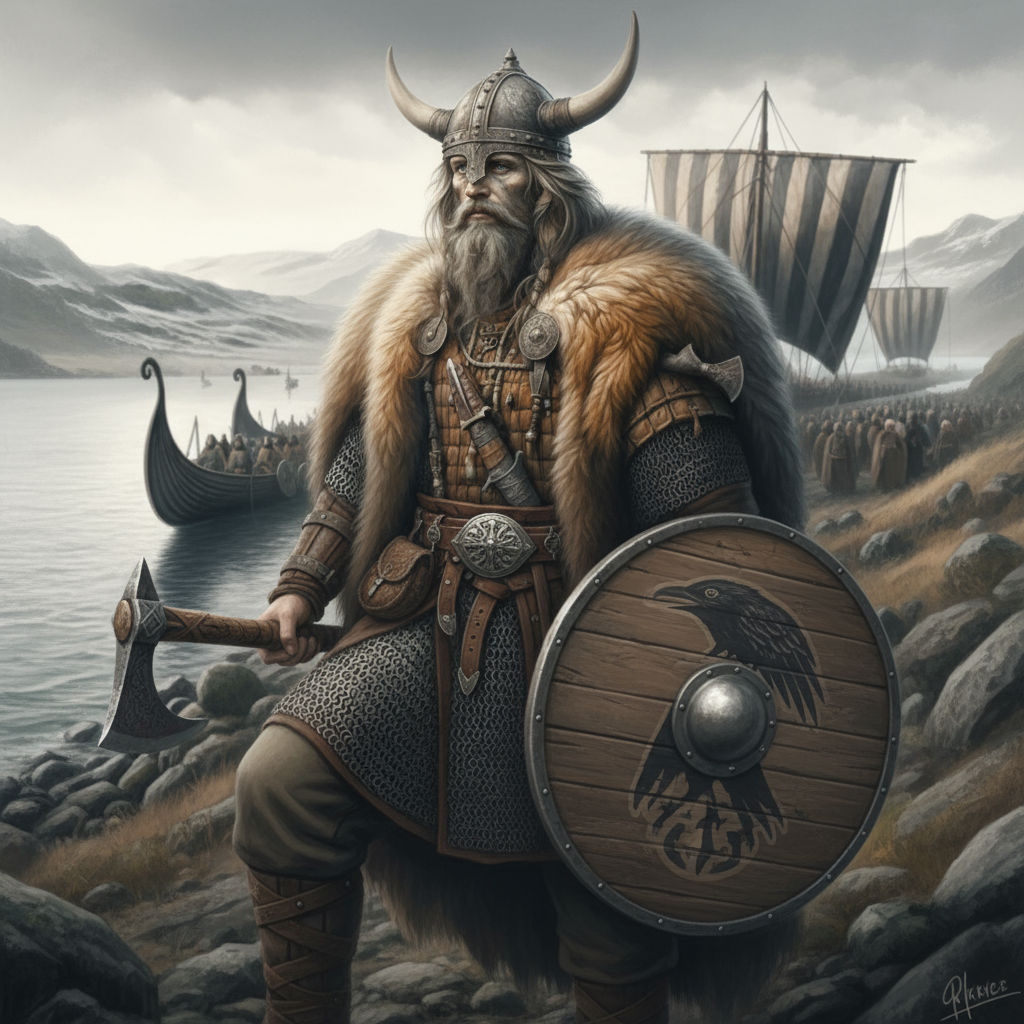
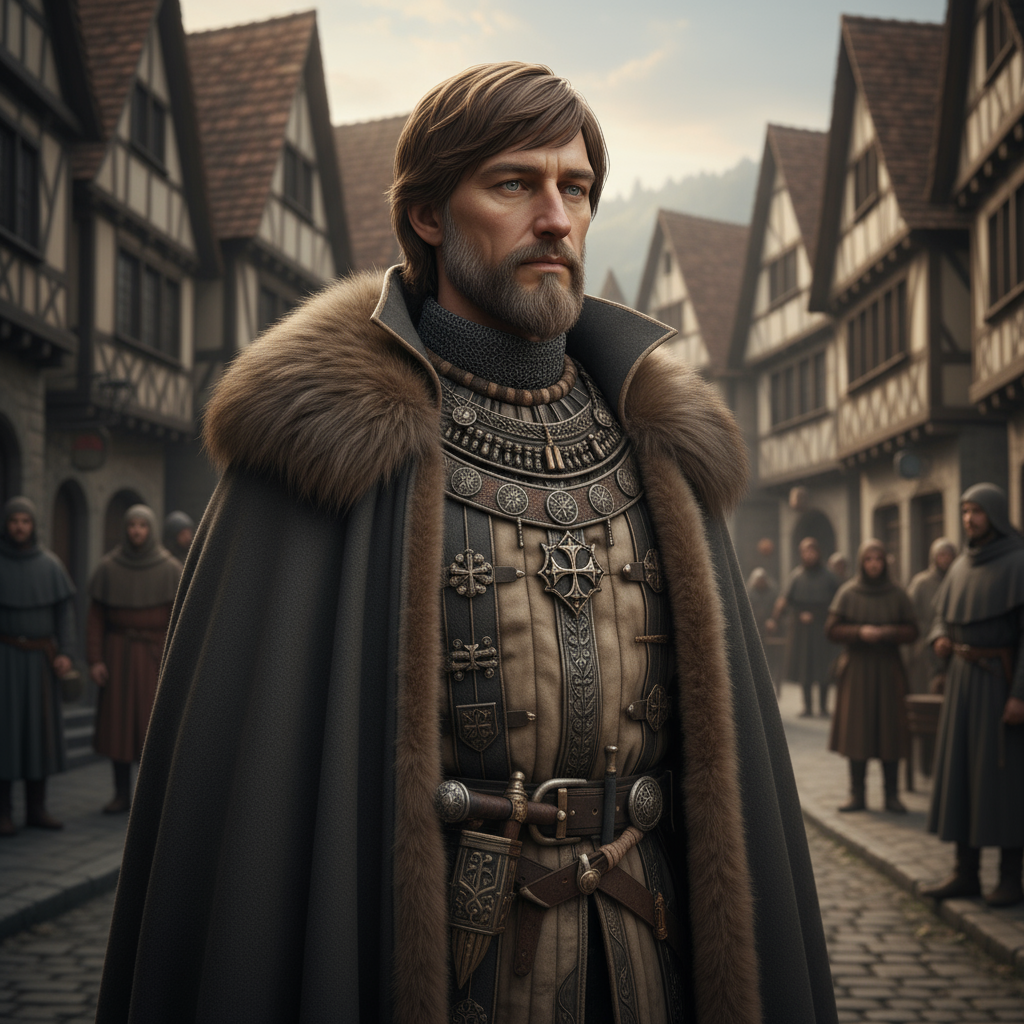
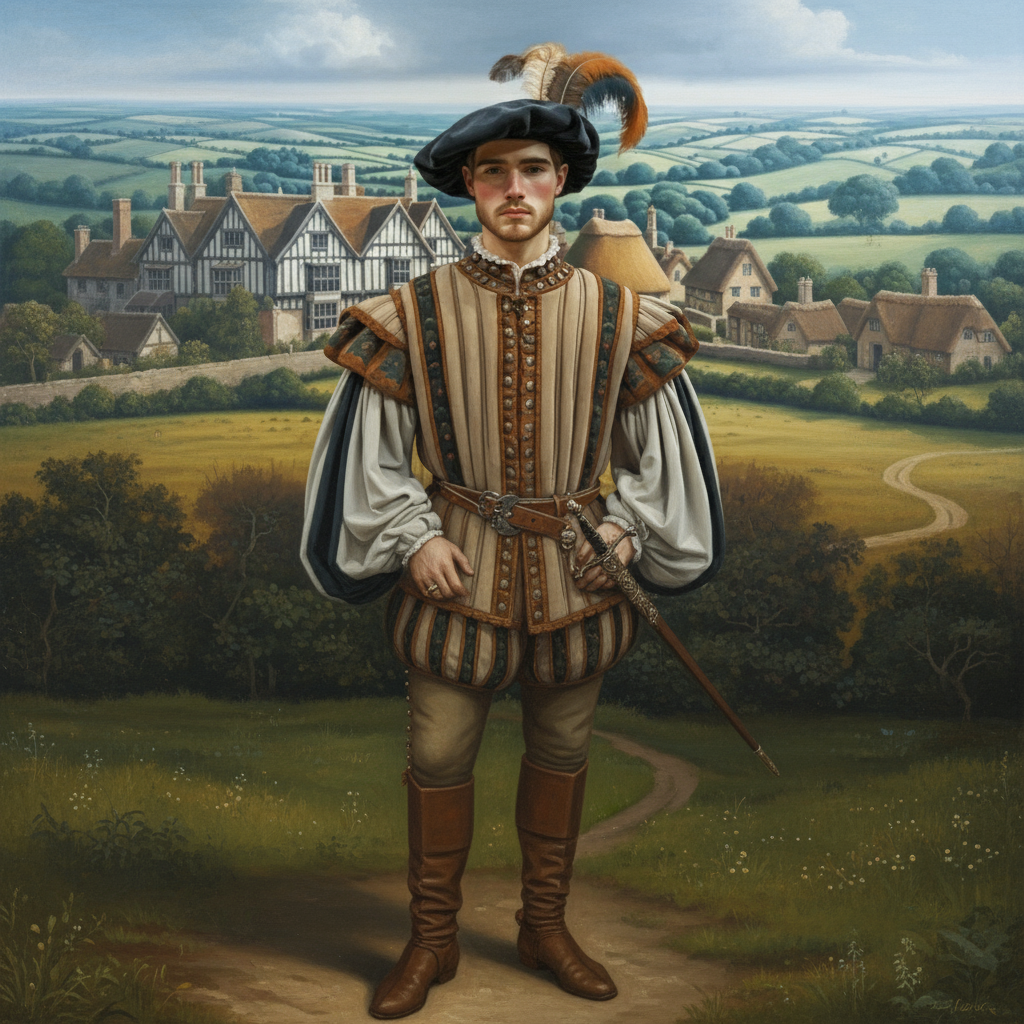
Craft Authentic Names for Your Characters
Creating a memorable character starts with the right name. Whether you're building a noble knight for your next DnD campaign, developing a protagonist for historical fiction, or breathing life into a tabletop RPG world, medieval names carry a gravitas that modern constructions simply can't match. These aren't just pleasant-sounding syllables—they're linguistic artifacts that connect your characters to real cultures, social structures, and naming traditions that shaped Europe for over a thousand years.
A well-chosen medieval name does more than identify a character. It hints at their heritage, suggests their social standing, and grounds your storytelling in cultural authenticity. The difference becomes immediately apparent to anyone with historical knowledge: researched names feel lived-in and credible, while generic fantasy approximations ring hollow. This guide explores how medieval naming conventions actually worked, why they matter for your creative projects, and how to select names that bring genuine historical weight to your characters.
The Historical Significance of Medieval Names
Names in the Middle Ages served purposes far beyond simple identification. They functioned as markers of lineage, social class, occupation, and cultural identity in societies where these distinctions determined your entire life trajectory.
Names Reflected Social Hierarchy
Medieval society operated on rigid class structures, and naming conventions reinforced these boundaries at every level. Nobility bore elaborate multi-part names that proclaimed their ancestry and territorial claims. A 14th-century English noble might be known as "Richard Plantagenet, Duke of York, Earl of March"—each element asserting specific rights and connections that carried legal weight.
Common folk followed entirely different patterns. Most peasants went by simple given names plus descriptive additions: "John the Miller," "Mary at the Wood," or "Thomas son of William." These weren't surnames in the modern sense—they were identifying phrases that might change across a person's lifetime. A blacksmith's son who became a baker wouldn't necessarily inherit "Smith" as a permanent family name.
The Church introduced another naming layer entirely. Clergy often adopted new names upon taking vows; biblical names dominated Christian communities, and saints' names spread rapidly after canonization. This religious influence created naming trends that transcended regional boundaries, which is why "John" appears in virtually every medieval European culture, though spelled and pronounced differently in each.
Regional Cultures Shaped Distinct Naming Traditions
Medieval Europe wasn't culturally monolithic. Each region developed naming conventions that reflected its unique linguistic heritage, social values, and historical influences.
Germanic Naming Systems featured compound constructions where meaningful elements combined to create names: "Siegfried" (victory + peace), "Wolfgang" (wolf + path), "Hildegard" (battle + enclosure). Parents chose these combinations deliberately, invoking qualities they hoped their children would embody. These compound names spread wherever Germanic peoples settled—from Anglo-Saxon England to Lombard Italy.
Celtic Traditions in Ireland, Scotland, Wales, and Brittany preserved Gaelic naming patterns that often baffle modern English speakers. Names like Siobhán, Caoimhe, Tadhg, and Aoife follow spelling conventions divorced from their pronunciation. Celtic cultures also maintained elaborate genealogical traditions, with some individuals able to recite six or seven generations of ancestors.
Norse Naming relied heavily on patronymics—identifying individuals by their father's name rather than fixed family surnames. "Erik Thorsson" meant "Erik, son of Thor," and his daughter might be "Freya Eriksdottir." This system persisted in Iceland into modern times, making Icelandic phone books alphabetized by first name even today.
Romance Languages in territories that had been part of the Roman Empire retained Latin influences even as Germanic peoples conquered them. Italian, French, and Spanish naming evolved from Roman tria nomina (three-part names) into medieval systems that blended classical roots with local innovations.
The Evolution from Bynames to Hereditary Surnames
One of the most significant naming shifts occurred between the 12th and 16th centuries: the emergence of fixed, hereditary surnames. Before this period, most people lacked surnames in the modern sense. They had given names and descriptive bynames that served situational identification needs.
These bynames fell into four main categories:
Patronymics linked individuals to their fathers (or occasionally mothers). English examples include "Johnson" (John's son), "Richards," and "Henry." The patronymic could be unmarked—" Thomas William" simply meant "Thomas, son of William"—or marked with suffixes like -son or possessive forms.
Locative and Toponymic Bynames identified people by where they lived or originated. Someone from York might be called "de York" or simply "York." Topographic bynames referenced landscape features: "John atte Hill" (at the hill), "William del Brook" (of the brook), or "Richard Underwood."
Occupational Bynames described what people did for a living. Baker, Smith, Cooper, Fletcher, and Miller are obvious examples that persist as modern surnames. Some occupations required more explanation—a "Scrimgeour" was a fencing master, a "Cordwainer" worked with fine leather.
Descriptive Nicknames captured physical characteristics, personality traits, or notable incidents. "Robert the Strong," "Agnes the Wise," "Hugh the Red" (for red hair), or even cryptic references like "William Breakspear." Some nicknames were complimentary, others decidedly not—medieval humor could be cruel.
As populations grew and communities became more complex, these temporary descriptors gradually hardened into permanent surnames passed from parent to child. The aristocracy adopted fixed surnames first, typically by the 13th century in England and France. Common folk followed later, with the process largely complete by the 16th century in Western Europe, though some regions (particularly Gaelic areas) resisted even longer.
How Medieval Name Generators Create Authentic Names
Quality medieval name generators don't just randomly combine syllables. They analyze authentic historical records, study linguistic patterns, and replicate the phonetic structures that made period names distinctive.
Linguistic Pattern Recognition
Each medieval culture developed recognizable phonetic patterns. Norse names favor hard consonants and compounds involving natural elements: Thor-, Sig-, -ulf, -borg. Celtic names feature combinations of consonants that look improbable to English speakers but follow consistent Gaelic rules. Germanic compounds combine meaningful elements in predictable ways.
A well-designed generator identifies these patterns in historical documentation and replicates them systematically. It recognizes that Welsh names frequently use "ll" and "dd" combinations, that Old English favored "æ" and "ð," and that Norman French introduced "fitz" as a patronymic marker. By encoding these linguistic fingerprints, generators produce names that sound authentically medieval rather than vaguely fantasy-esque.
Historical Name Databases
The most reliable generators draw from documented historical sources: medieval tax records, parish registers, legal documents, and administrative records that list actual people by name. These primary sources reveal not just individual names but also their frequency, regional distribution, and evolution over time.
For example, English records show that "William" absolutely dominated male naming after the Norman Conquest, accounting for nearly 20% of all male names in some 13th-century documents. "John" became ubiquitous by the 14th century. Knowing these statistical patterns helps generators produce period-appropriate options rather than obscure rarities that, while historical, would feel anachronistic in practice.
Cultural Context Integration
Names never existed in isolation—they reflected cultural values, religious influence, and social circumstances. A medieval English generator should account for the massive Norman impact on Anglo-Saxon naming. A Gaelic generator should recognize that Irish naming patterns differed from Scottish, despite linguistic similarities. A Norse generator should understand that Christianization gradually introduced saints' names into previously pagan naming pools.
Quality generators also respect temporal boundaries. A 9th-century Anglo-Saxon name should draw from Germanic roots, not Norman imports. A 15th-century English name should reflect centuries of French influence and surname development. Getting the cultural and temporal context right separates authentic medieval names from generic approximations.
Knights and Warriors: Names for the Battlefield
Medieval warfare defined social structures, and warrior names carried weight accordingly. Knights, soldiers, and professional fighters bore names that often referenced martial prowess, strength, or legendary heroes.
Male Warrior Names:
- William de Warenne
- Richard Strongbow
- Godfrey of Bouillon
- Bertrand du Guesclin
- Erik Bloodaxe
- Sigurd the Crusader
- Rodrigo Díaz (El Cid)
- Heinrich von Plauen
- Roger de Montgomerie
- Baldwin Iron-Arm
Female Warrior Names:
- Æthelflaed of Mercia
- Matilda of Tuscany
- Eleanor of Aquitaine
- Freydís Eiríksdóttir
- Gwenllian ferch Gruffydd
- Sichelgaita of Salerno
- Isabella of France
- Brunhilda of Austrasia
These aren't random selections—each name belongs to a documented historical warrior who led armies, defended territories, or earned legendary status through martial achievement. Using similar patterns and cultural markers creates warrior characters with authentic medieval gravitas.
Royalty and Nobility: Names of Power
Aristocratic names in medieval Europe proclaimed dynastic claims, territorial holdings, and political alliances. Nobility developed elaborate naming conventions that common folk couldn't or wouldn't adopt.
Male Noble Names:
- Charles the Bold, Duke of Burgundy
- Frederick Barbarossa
- Alfonso the Wise of Castile
- Philip the Fair of France
- Edward Plantagenet
- Casimir the Great of Poland
- Władysław the Elbow-High
- James Douglas
- Rodrigo Borgia
Female Noble Names:
- Blanche of Castile
- Margaret of Anjou
- Constance of Sicily
- Isabella of Castile
- Philippa of Hainault
- Beatrice of Burgundy
- Catherine of Valois
- Agnes of Merania
Notice the pattern: given name + descriptor or territorial designation. Noble names asserted claims and reminded everyone of the bearer's status. The descriptors often referenced physical characteristics (Barbarossa means "red beard"), personality traits (the Wise, the Fair), or simply birth order (the Elder, the Younger).
Common Folk: Names for Peasants and Merchants
The vast majority of medieval people weren't knights or nobles—they were farmers, craftspeople, merchants, and laborers whose names reflected their occupations and daily lives.
Male Common Names:
- John Miller
- William Smith
- Thomas Baker
- Robert Fletcher
- Richard Cooper
- Henry Shepherd
- Geoffrey Taylor
- Simon Fuller
- Walter Weaver
- Adam Carpenter
Female Common Names:
- Alice Brewster
- Joan Baxter
- Margaret Webster
- Agnes Shepster
- Emma Dyer
- Matilda Lister
- Cecily Silkwoman
- Katherine Chandler
Occupational surnames dominate common naming because work defines identity for most people. Notice the feminine occupational forms: Brewster, Baxter, Webster, Shepster. These weren't mere feminizations—they identified women who actually practiced these trades, and many became hereditary surnames borne by men in later generations.
Mystical and Scholarly Names
Clergy, scholars, alchemists, and those associated with learning or mysticism often bore names reflecting their intellectual pursuits or monastic traditions.
Male Scholarly Names:
- Thomas Aquinas
- Roger Bacon
- Albertus Magnus
- Duns Scotus
- William of Ockham
- Bartholomew the Englishman
- Michael Scot
- Anselm of Canterbury
Female Scholarly Names:
- Hildegard of Bingen
- Héloïse d'Argenteuil
- Christine de Pizan
- Mechthild of Magdeburg
- Hrotsvitha of Gandersheim
- Herrad of Landsberg
Many scholars adopted Latin names or place-based identifications (of Bingen, of Canterbury) rather than family surnames. This convention helped distinguish them from common folk and emphasized their connection to intellectual or religious institutions rather than family lineages.
Deep Dive: Understanding Patronymic Systems
Patronymics formed the backbone of medieval naming across most European cultures. Understanding how they worked helps you construct authentic-sounding character genealogies and family connections.
English Patronymics
English patronymics evolved through several forms. The earliest simply used the father's name unmarked: "Geoffrey Anketil" meant Geoffrey, son of Anketil. Later forms added possessive markers: "Thomas Richardes" (Richard's Thomas) or explicit "son" markers: "Robert Willeson" (Will's son).
By the late medieval period, these patronymics were becoming hereditary. "Johnson" no longer necessarily meant the bearer's father was named John—it had become a fixed family surname. This transition happened gradually, creating a confusing period where some families used literal patronymics while neighbors bore inherited surnames.
Norse Patronymics
Norse naming followed a straightforward system that never evolved into fixed surnames in some regions. Men added "-son" to their father's name: "Erik Thorsson," "Olaf Eriksson." Women added "-dottir" to create "Freya Eriksdottir," "Astrid Olafsdottir."
This system meant siblings shared no surname—brothers Erik Thorsson and Magnus Thorsson bore the same patronymic, but their sister Sigrid Thorsdottir had a different form. Each generation created new patronymics rather than inheriting them. Iceland maintains this system today, making it a living connection to medieval naming practices.
Celtic Patronymics
Irish and Scottish Gaelic used "mac" (son of) and occasionally "nic" or "ingen/inghean" (daughter of) in earlier periods. "Cormac mac Airt" meant Cormac, son of Art. Multi-generational patronymics were common: "Niall mac Echach mhic Muiredaig" traced three generations.
Welsh patronymics employed "ap" (son of) or "ferch" (daughter of): "Dafydd ap Gruffydd," "Gwenllian ferch Gruffydd." The "ap" sometimes fused with the following name, creating surnames like Price (ap Rhys), Powell (ap Hywel), and Bevan (ab Evan).
Irish surnames beginning with "O'" derive from "Ua" or "Ó," meaning grandson or descendant of. "O'Neill" means descendant of Niall, marking clan affiliation rather than immediate paternity. These clan names became hereditary while retaining their patronymic form.
Occupational Surnames: When Work Became Identity
As communities grew too large for simple given names to suffice, occupational bynames emerged as a practical solution. These names told you immediately what someone did, which often mattered more than their ancestry.
Metal Workers: Smith (general), Goldsmith, Silversmith, Tinker, Naylor (nail maker), Latimer (brass worker)
Textile Workers: Weaver, Webster, Tailor, Taylor, Dyer, Fuller, Lister (dyer), Tucker (cloth finisher), Chaloner (blanket maker)
Food Producers: Baker, Baxter, Miller, Brewer, Brewster, Cook, Butcher, Fisher, Hunter
Leather Workers: Tanner, Barker (tanner), Currier (leather finisher), Cordwainer (fine leather), Saddler, Glover
Wood Workers: Carpenter, Wright (maker), Cartwright, Wheelwright, Cooper (barrel maker), Fletcher (arrow maker), Bowyer (bow maker)
Merchants and Trades: Chapman (merchant), Mercer (cloth dealer), Chandler (candle maker), Grocer (wholesale dealer), Salter, Spicer
Many of these occupational names developed feminine forms that eventually became gender-neutral surnames. A Brewster was originally a female brewer, a Baxter a female baker, a Webster a female weaver. These forms survived as hereditary surnames long after their gender-specific meanings faded from common knowledge.
Practical Tips for Using Medieval Names
Selecting the right medieval name requires more than aesthetic preference. Here's how to make choices that enhance your creative work rather than undermining it.
Match Culture to Setting
Cultural authenticity matters enormously for immersion. A Norse name on a character from a Mediterranean-inspired kingdom breaks believability immediately. Even within broadly "medieval European" settings, respect cultural boundaries. Study your world's geography and cultural influences before committing to a naming tradition.
Border regions and trade centers offer opportunities for cultural mixing. A port city might feature Norman, Norse, and Arabic names side by side, reflecting realistic medieval cosmopolitanism. But random cultural mixing without geographical justification feels lazy.
Consider Historical Timeline
Medieval naming conventions evolved dramatically across the thousand-year span we call the Middle Ages. An 8th-century Anglo-Saxon character shouldn't bear Norman names that didn't appear in England until after 1066. A 15th-century French knight wouldn't use purely Germanic compound names that had fallen from fashion centuries earlier.
If your setting corresponds to a specific historical period, research which names were actually common then. Frequency matters—naming your 14th-century English protagonist "Aethelred" (an Old English name that had virtually disappeared) would be like naming a modern American character "Ebenezer."
Respect Social Class Distinctions
Medieval naming conventions differed dramatically by social class, and these differences weren't subtle. Nobles bore elaborate names with territorial markers and lineage references. Peasants used simple given names plus occupational or locative descriptors. Clergy often adopted religious names or Latin forms.
A peasant character with an aristocratic multi-part name needs explanation—perhaps they're disguised nobility, or using a name above their station as pretension. These class markers weren't just flavoring; they carried social meaning that medieval people recognized instantly.
Test Pronunciation Before Committing
Some medieval names, particularly Celtic ones, feature spelling conventions that baffle modern English speakers. If you can't confidently pronounce your character's name, your readers or gaming table will struggle too.
This doesn't mean avoiding complex names entirely—just be prepared to provide pronunciation guidance. Many authors include pronunciation guides for unfamiliar names. At gaming tables, write out phonetic spellings on character sheets. Or choose names that, while historically authentic, use more accessible phonetics.
Research Name Meanings When Relevant
Many medieval names carried specific meanings that parents chose deliberately. Germanic compounds combined meaningful elements: "Siegfried" meant "victory-peace," "Wolfgang" meant "wolf-path." Celtic names often referenced natural phenomena or qualities. Understanding these meanings can deepen characterization.
However, avoid over-explaining name meanings in your writing. Most medieval people inherited names from ancestors and saints without dwelling on etymology. Name meanings matter most during character creation for your own understanding, not as exposition for readers.
Bringing Your Medieval Characters to Life
The perfect name transforms a collection of character traits into someone who feels genuinely rooted in their historical or fantasy-medieval setting. Whether you're building a knight for your DnD campaign, developing protagonists for historical fiction, or populating a tabletop RPG world, choosing names that respect medieval naming conventions adds a layer of authenticity that resonates with audiences.
Medieval names weren't random—they reflected culture, class, occupation, and lineage in ways that immediately communicated social information. A well-chosen name tells readers or players something meaningful about your character before they speak a single line of dialogue or take a single action.
The generators and guidelines presented here provide starting points grounded in historical research and authentic linguistic patterns. Use them to explore naming traditions from Celtic druids to Norse raiders, from Norman nobles to English peasants. Test combinations, research cultural contexts, and select names that feel right for the characters you're creating.
Your medieval world deserves names that honor the rich, complex naming traditions that defined the Middle Ages. Choose thoughtfully, and watch your characters come alive with the weight of authentic history behind them.