Fantasy Race Name Generators
Picking names for beings that exist only in imagination sounds straightforward until you're staring at a blank character sheet with fourteen different species needing monikers. I've spent years running campaigns where players insisted on creating half-orc bards and tiefling paladins, and nothing breaks immersion faster than a dragonborn warrior named "Steve" wandering through ancient elven forests. The fantasy race name generator on this page serves dungeon masters, authors, and game developers who understand that evocative naming transforms generic encounters into memorable storytelling moments. Each species populating your tabletop RPG campaign or fantasy fiction project deserves labels reflecting their cultural background, physical traits, and ancestral heritage. Every generated name includes a detailed meaning explaining what both the first name and the surname represent, plus etymology tracing linguistic origins back to Germanic, Old English, Latin, Celtic, and other historical roots.
What Makes Fantasy Races Different From Real-World Naming
The curious thing about worldbuilding is how phonaesthetics shape perception before a single backstory element emerges. A halfling merchant in your D&D 5e campaign needs syllables that roll differently than what you'd assign to a mountain dwarf blacksmith guarding ancestral forges. The linguistic patterns we unconsciously absorb from Tolkien's Middle-earth established expectations that fantasy fiction hasn't shaken loose—and perhaps shouldn't entirely abandon.
Tabletop RPG veterans understand this intuitively. When dungeon masters introduce NPCs, the randomized suggestions from a name generator tool prove invaluable for maintaining atmosphere during sessions where players venture into unplanned territories. That nameless gnome shopkeeper suddenly needs a cohesive identity, and scrambling through mental lists of prefixes and suffixes while your party waits destroys the escapism everyone gathered to experience.
Playable Races and Their Naming Conventions
The Player's Handbook categorizes humanoid species into recognizable archetypes: elves with their fey ancestry and keen senses, dwarves whose darkvision guides them through mountain strongholds, and humans whose versatility makes them the foundation adventurers build upon. Each demands distinct approaches when generating monikers that feel authentic.
Dragonborn carry draconic heritage through breath weapon abilities and elemental resistance, meaning their naming conventions should evoke that ancestry. Meanwhile, tieflings bear a fiendish lineage that manifests in physical traits requiring names suggesting otherworldly origins without becoming cartoonishly evil. The algorithm behind effective fantasy race generation understands these cultural backgrounds and tailors suggestions accordingly.
Subraces Add Complexity Worth Embracing
Consider how hill dwarf communities differ from their mountain dwarf cousins—the former emphasizing wisdom and resilience, the latter prioritizing martial prowess and stonecunning. A digital tool generating names should recognize that rock gnome inventors tinkering with clockwork contraptions need different phonetic patterns than forest gnome illusionists communing with woodland creatures.
Lightfoot halflings possess stealthy dispositions suited for rogue builds, while stout halflings demonstrate hardiness reminiscent of dwarven constitution. These distinctions matter when curating evocative options that enhance storytelling rather than interrupting it with jarring inconsistencies.
Beyond the Classic Fantasy Races
The mythical races populating modern role-playing games extend far beyond what Tolkien imagined. Pathfinder introduced species, Dungeons Dragons players adapted enthusiastically. Video game franchises like Warcraft and Elder Scrolls expanded what humanoids could represent—from demon hunters to argonians—and tabletop campaigns absorbed these influences.
Orcs no longer exist solely as monsters requiring extermination. Half-orc player characters bring interesting moral complexity, their heritage forcing roleplaying opportunities exploring belonging and identity. Goblins, once cannon fodder for starting adventurers, now appear as playable races with distinct cultural traditions worth naming appropriately. Even trolls, traditionally depicted as regenerating brutes, receive nuanced treatment in campaigns prioritizing creature depth over combat statistics.
Human Name Generator
Humans represent the baseline against which fantasy fiction measures every other species. Their versatility in Dungeons and Dragons stems from lacking specialized racial abilities—instead receiving bonus feats, additional skill proficiencies, and flexible ability scores that support any character build imaginable. From noble paladins defending kingdoms to cunning rogues navigating urban underworlds, human adventurers populate every corner of fantasy worldbuilding.
The human name generator produces complete names with meaning and etymology, drawing from diverse real-world linguistic traditions, reflecting how human civilizations in most campaign settings mirror historical Earth cultures. Whether your player character hails from pseudo-medieval European kingdoms, desert trading empires, or isolated mountain communities, this tool generates suggestions maintaining cultural consistency while avoiding modern anachronisms that shatter immersion.
Example Human Names:
- Edmund Blackwood — Meaning: Wealthy protector; Dweller near dark forest — Etymology: Old English; English
- Helena Ironforge — Meaning: Bright, shining light; One who works iron — Etymology: Greek; English
- Garrett Stonebridge — Meaning: Spear strength; Builder of stone crossings — Etymology: Germanic; Old English
- Isolde Ravencroft — Meaning: Ice ruler; Enclosed land of ravens — Etymology: Celtic; English
- Marcus Whitehall — Meaning: Dedicated to Mars; Dweller at the white manor — Etymology: Latin; Old English
Rock Gnome Name Generator
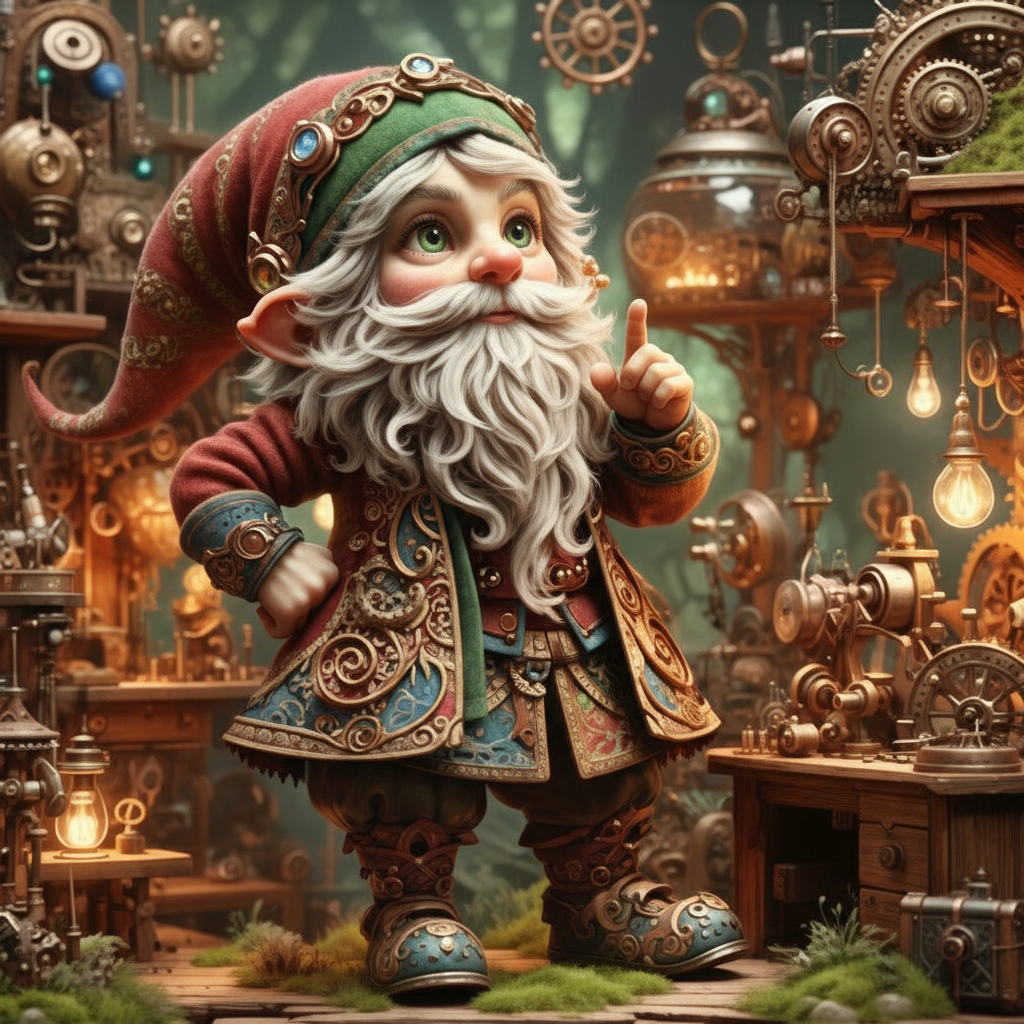
Rock gnomes embody the inventive spirit that distinguishes gnomish culture from other diminutive fantasy races. Where halflings seek comfort and forest gnomes commune with nature, rock gnomes obsess over mechanical contraptions, alchemical experiments, and technological innovation that occasionally explodes spectacularly. Their darkvision and natural affinity for stonework make them valuable party members in dungeon-crawling campaigns.
The rock gnome name generator emphasizes playful phonetics, combining hard consonants with bouncy syllables—reflecting personalities that approach even dangerous situations with enthusiasm bordering on recklessness. Each generated name includes detailed meaning and etymology tracing roots through Germanic, Dutch, and invented gnomish linguistic traditions.
Example Rock Gnome Names:
- Fibblestix Cogspark — Meaning: Clever trickster; One who ignites machinery — Etymology: Gnomish; English
- Tinkerton Brasswheel — Meaning: Settlement of tinkers; Maker of metal circles — Etymology: English; Dutch/English
- Wizzlepop Geargrinder — Meaning: Magical burst; One who shapes cogs — Etymology: Gnomish; English
- Nimblefingers Steamwick — Meaning: Quick-handed one; Tender of vapor flames — Etymology: English; English
- Sprocket Ironbolt — Meaning: Small mechanical tooth; Strong metal fastener — Etymology: Dutch; Germanic/English
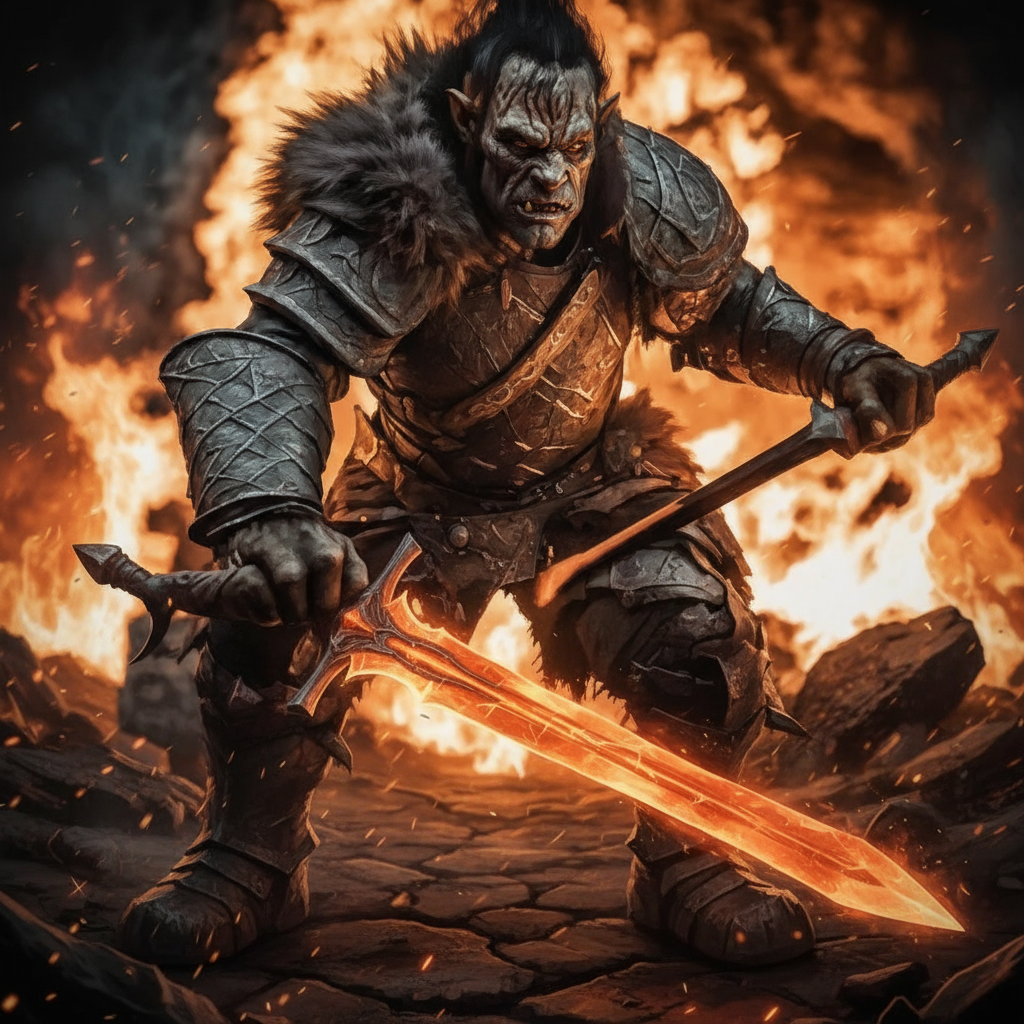
Orc Name Generator
Orcs occupy complicated territory in modern fantasy gaming. Tolkien's portrayal established them as irredeemably evil creatures, but contemporary storytelling recognizes the problems inherent in depicting entire species as morally monolithic. Warcraft's Horde demonstrated that orcish culture could emphasize honor, shamanic spirituality, and warrior codes deserving respect rather than simple extermination.
The orc name generator produces harsh, guttural combinations reflecting the aggressive phonaesthetics traditionally associated with orcish languages. Each name includes meaning, revealing warrior heritage and etymology tracing linguistic construction. Tusked warriors clashing across battlefield campaigns need names that sound intimidating when shouted as war cries—yet these same naming conventions apply equally to orc shamans communing with ancestral spirits or chieftains navigating complex tribal politics.
Example Orc Names:
- Grommash Skullcrusher — Meaning: Giant's fury; One who breaks bones — Etymology: Orcish; English
- Thraka Bloodfang — Meaning: Storm bringer; Hunter with crimson teeth — Etymology: Orcish; Germanic/English
- Mogrul Ironhide — Meaning: Dark strength; One with metal-tough skin — Etymology: Orcish; English
- Zurgath Bonecleaver — Meaning: Death shadow; Splitter of remains — Etymology: Orcish; English
- Nashak Warborn — Meaning: Fierce spirit; Child of battle — Etymology: Orcish; Old English
Hill Dwarf Name Generator
Hill dwarves distinguish themselves from their mountain-dwelling cousins through deeper connections to surface communities and agricultural traditions. The Player's Handbook grants them wisdom bonuses and additional hit points, making hill dwarves natural clerics, druids, and rangers—character classes emphasizing spiritual connection over pure martial might.
The hill dwarf name generator balances traditional dwarven phonetics with softer elements reflecting lives lived in verdant valleys rather than underground fortresses. Every generated name provides meaning and etymology, with linguistic roots primarily drawing from Germanic, Norse, and Old English traditions that established dwarven naming conventions.
Example Hill Dwarf Names:
- Borin Meadkeeper — Meaning: Battle-ready one; Guardian of the fields — Etymology: Norse; Old English
- Helga Stonehearth — Meaning: Holy, blessed; One who tends rock fires — Etymology: Germanic; Old English
- Durgan Alebrewer — Meaning: Enduring strength; Crafter of drink — Etymology: Dwarven; English
- Brynja Hillward — Meaning: Armored protector; Watcher of slopes — Etymology: Norse; Old English
- Thorin Copperkettle — Meaning: Bold, daring one; Maker of metal vessels — Etymology: Norse; English
Half-Orc Name Generator
Half-orcs embody the tension between civilized society and savage heritage that makes for compelling roleplay opportunities. Born from unions between humans and orcs—whether through conquest, diplomacy, or genuine affection—these characters navigate worlds where neither parent culture fully accepts them. The relentless endurance and savage attacks granted by orcish blood make half-orcs formidable barbarians and fighters.
The half-orc name generator reflects this dual heritage, producing options ranging from fully orcish names to human names chosen for integration. Each name includes meaning and etymology, showing blended linguistic origins—Germanic roots mixing with orcish constructions, Old English combining with tribal traditions.
Example Half-Orc Names:
- Korgath Ironfist — Meaning: Heart of war; One with metal strength — Etymology: Orcish; Germanic/English
- Mira Stoneheart — Meaning: Wonderful, admirable; One with unyielding spirit — Etymology: Latin; Old English
- Drakkar Halfblood — Meaning: Dragon warrior; Child of two peoples — Etymology: Norse; English
- Sasha Grimjaw — Meaning: Defender of mankind; Fierce-faced one — Etymology: Slavic; English
- Gorath Oakhammer — Meaning: Mountain's might; Wielder of wooden weapon — Etymology: Orcish; English
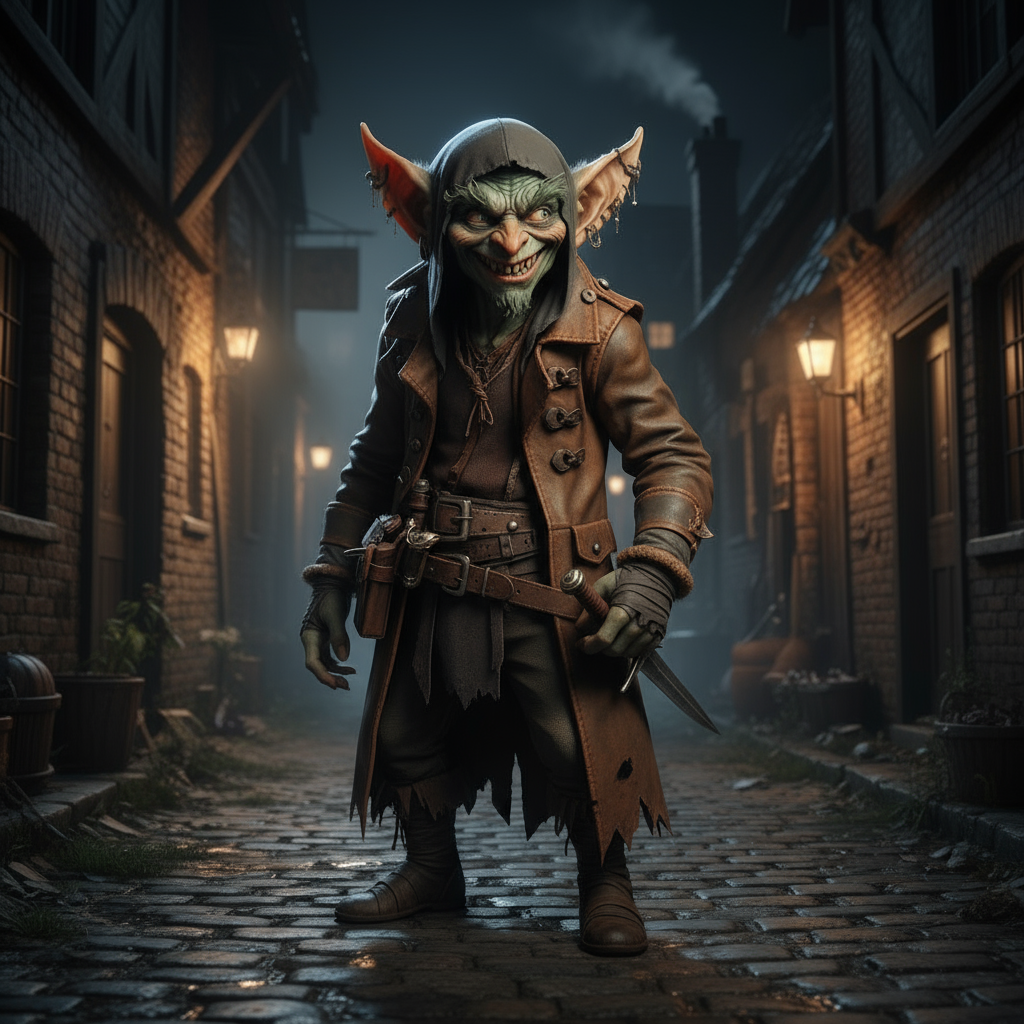
Goblin Name Generator
Goblins transformed from disposable dungeon encounters into legitimate playable races through editions of Dungeons and Dragons, recognizing that player creativity shouldn't face arbitrary species restrictions. These diminutive creatures possess nimble escape abilities and the fury of the small that punish larger opponents, underestimating goblin combatants. Resourcefulness defines goblin culture more than the cowardice early editions emphasized.
The goblin name generator produces quick, sharp phonetic combinations matching goblin personalities. Each generated name includes meaning, often referencing physical characteristics or notable achievements, with etymology drawing from English, Germanic, and constructed goblin linguistic patterns.
Example Goblin Names:
- Snagglefink Quickfingers — Meaning: Crooked trickster; One with fast hands — Etymology: English; English
- Raznik Mudcrawler — Meaning: Sharp one; Dweller in the mire — Etymology: Goblin; English
- Gribble Dartsling — Meaning: Small grabber; Thrower of pointed weapons — Etymology: English; English
- Skrix Shadowsneaker — Meaning: Scratching noise; One who moves unseen — Etymology: Goblin; English
- Nettlebite Coinpincher — Meaning: Stinging plant attack; Hoarder of wealth — Etymology: English; English
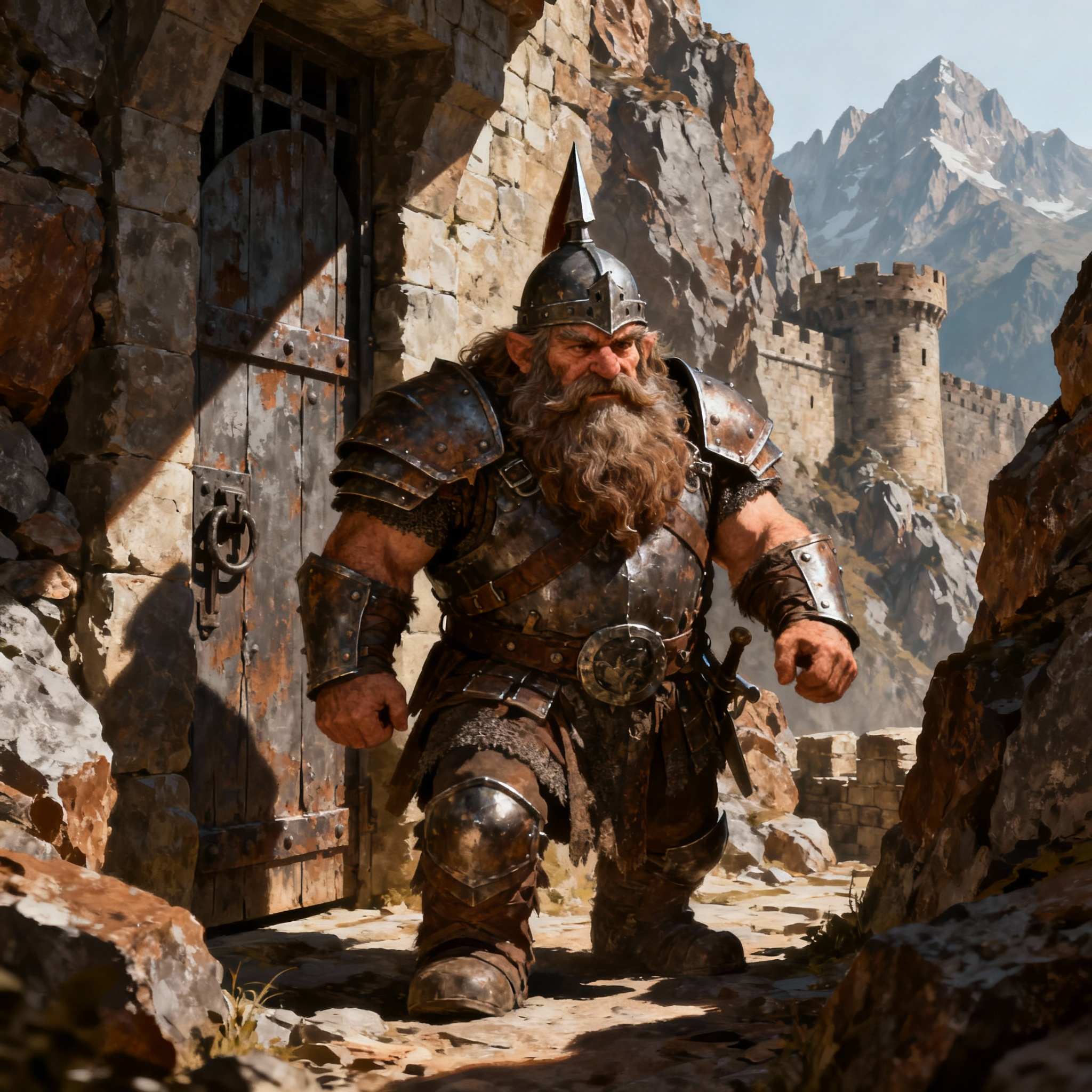
Mountain Dwarf Name Generator
Mountain dwarves represent dwarven culture at its most traditional—warriors and craftsmen dwelling in vast underground kingdoms carved from living stone. The Player's Handbook grants them strength bonuses and armor proficiency, distinguishing them from hill dwarf cousins, making mountain dwarves natural fighters, paladins, and martial clerics defending ancestral halls against darkspawn incursions.
The mountain dwarf name generator emphasizes hard consonants and weighty syllables befitting a species whose stonecunning borders on supernatural communion with geological formations. Every name provides meaning and etymology rooted in Norse, Germanic, and Old English traditions.
Example Mountain Dwarf Names:
- Thordak Anvilstrike — Meaning: Thor's spirit; One who hammers metal — Etymology: Norse; English
- Grimnar Deepdelver — Meaning: Masked warrior; Explorer of depths — Etymology: Norse; English
- Brunhilde Ironvein — Meaning: Armored battle maiden; One of metal blood — Etymology: Germanic; English
- Dolgrim Forgemaster — Meaning: Hidden fierce one; Commander of smithing — Etymology: Dwarven; English
- Ulfgar Stoneshield — Meaning: Wolf spear; Defender with rock — Etymology: Norse; Old English
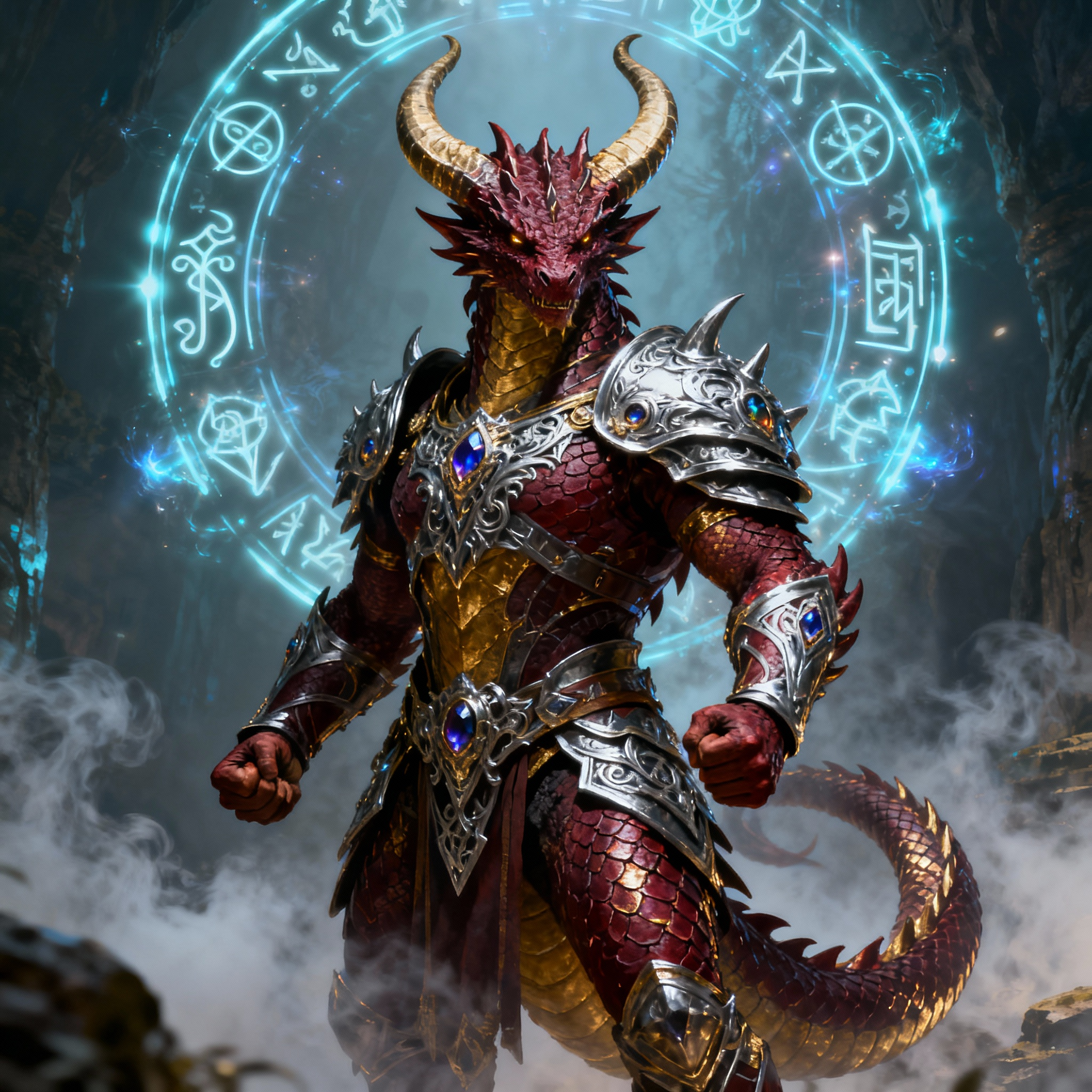
Dragonborn Name Generator
Dragonborn carry the legacy of draconic ancestors in their scales, breath weapons, and elemental resistance tied to specific dragon types. Red dragonborn breathe fire and resist flame; white dragonborn exhale frost and shrug off cold damage. This direct connection to dragonkind makes dragonborn characters inherently dramatic—walking reminders that true dragons once shaped the world and their influence persists.
The dragonborn name generator produces names worthy of that heritage, combining draconic phonetics with syllable structures suggesting ancient power. Each name includes meaning and etymology drawing from draconic constructed languages and Latin roots.
Example Dragonborn Names:
- Kriv Flamescale — Meaning: Honored warrior; One bearing fire markings — Etymology: Draconic; English
- Nala Stormbreath — Meaning: Successful one; Bearer of tempest power — Etymology: Draconic; English
- Bharash Ironwing — Meaning: Breath of ancestors; Flyer with metal feathers — Etymology: Draconic; English
- Rhogar Emberclaw — Meaning: Noble blood; One with burning talons — Etymology: Draconic; English
- Sora Ashborn — Meaning: Sky wanderer; Child of cinders — Etymology: Draconic; Old English
Troll Name Generator
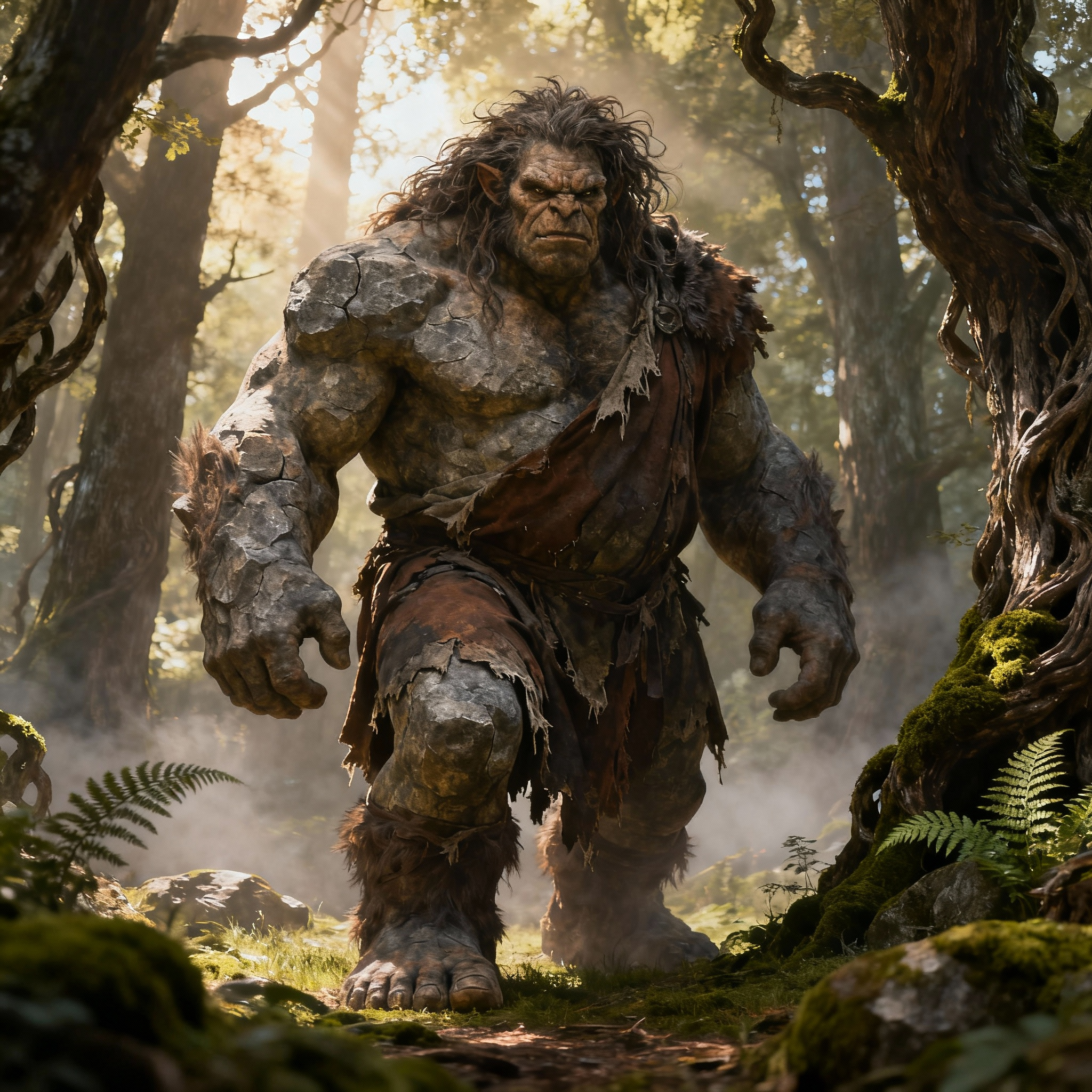
Trolls occupy unique territory among fantasy races—traditionally depicted as monstrous regenerating brutes rather than civilized peoples with complex cultures. However, worldbuilding has evolved beyond simple monster manual entries. Campaigns exploring troll societies discover naming conventions as sophisticated as any other intelligent species, reflecting shamanistic traditions, territorial claims, and supernatural abilities.
The troll name generator produces primordial-sounding combinations suggesting creatures ancient beyond recorded history. Each name includes meaning and etymology drawing from Norse, Germanic, and constructed troll linguistic patterns.
Example Troll Names:
- Grakk Stonehide — Meaning: Crushing force; One with rock skin — Etymology: Trollish; English
- Mogg Riverbane — Meaning: Swamp dweller; Destroyer of waters — Etymology: Trollish; Old English
- Thrugg Mossclaw — Meaning: Powerful one; Bearer of forest talons — Etymology: Trollish; English
- Skarn Boulderfist — Meaning: Rocky spirit; One who strikes with stone — Etymology: Norse; English
- Vurka Marshwalker — Meaning: Dark watcher; Traveler of wetlands — Etymology: Trollish; English
Gnome Name Generator
Gnomes bridge the gap between whimsical forest dwellers and serious intellectual achievers—a versatile species whose natural cunning and magical resistance make them formidable wizards, illusionists, and artificers. Gnomish culture celebrates curiosity, invention, and humor without sacrificing competence, creating characters who approach challenges with infectious enthusiasm.
The gnome name generator captures this duality through names balancing playfulness with substance. Each generated name includes meaning and etymology, with traditional gnomish naming conventions incorporating improbably lengthy formal names condensed into practical nicknames.
Example Gnome Names:
- Gimble Sparkwhistle — Meaning: Quick jumper; One who makes bright sounds — Etymology: Germanic; English
- Nyx Tinkertop — Meaning: Night spirit; Master of small creations — Etymology: Greek; English
- Bimpnottin Fizzlebang — Meaning: Clever little one; Creator of explosive sounds — Etymology: Gnomish; English
- Zook Gearsprocket — Meaning: Sudden one; Maker of machine parts — Etymology: Gnomish; Dutch/English
- Waywocket Ironpipe — Meaning: Wandering inventor; Builder of metal tubes — Etymology: Gnomish; English
Tiefling Name Generator
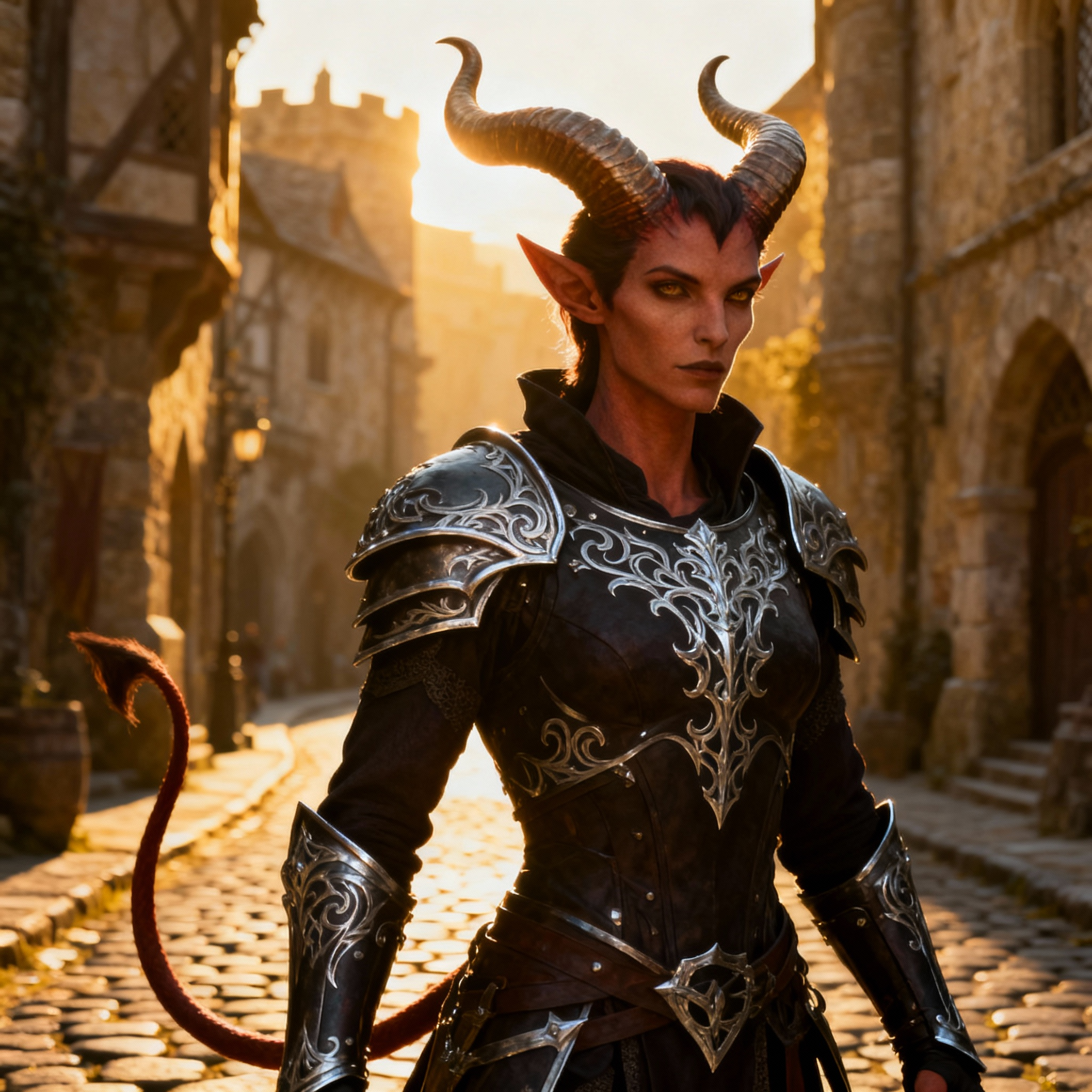
Tieflings bear physical evidence of infernal heritage—horns, tails, unusual skin coloration, and occasionally hooves or other fiendish characteristics inherited from devil-touched ancestors. This visible otherness creates roleplay opportunities exploring prejudice, redemption, and identity that few other races offer. The resistance to fire damage and innate spellcasting abilities granted by fiendish blood make tieflings natural warlocks and sorcerers.
The tiefling name generator produces options spanning multiple naming traditions. Each name includes meaning and etymology—some drawing from Infernal constructed languages, others from virtue names representing aspirational self-image, and some from human naming traditions adopted to assert chosen identity.
Example Tiefling Names:
- Morthos Shadowflame — Meaning: Death's gift; Bearer of dark fire — Etymology: Infernal; English
- Virtue Dawnseeker — Meaning: Moral excellence; One who pursues light — Etymology: Latin; English
- Damakos Ashenbrow — Meaning: One who subdues; Marked by cinders — Etymology: Infernal; English
- Hope Brighthollow — Meaning: Expectation of good; Dweller in luminous valley — Etymology: English; Old English
- Zariel Nightwhisper — Meaning: Prince of angels; Speaker in darkness — Etymology: Hebrew; English
Halfling Name Generator
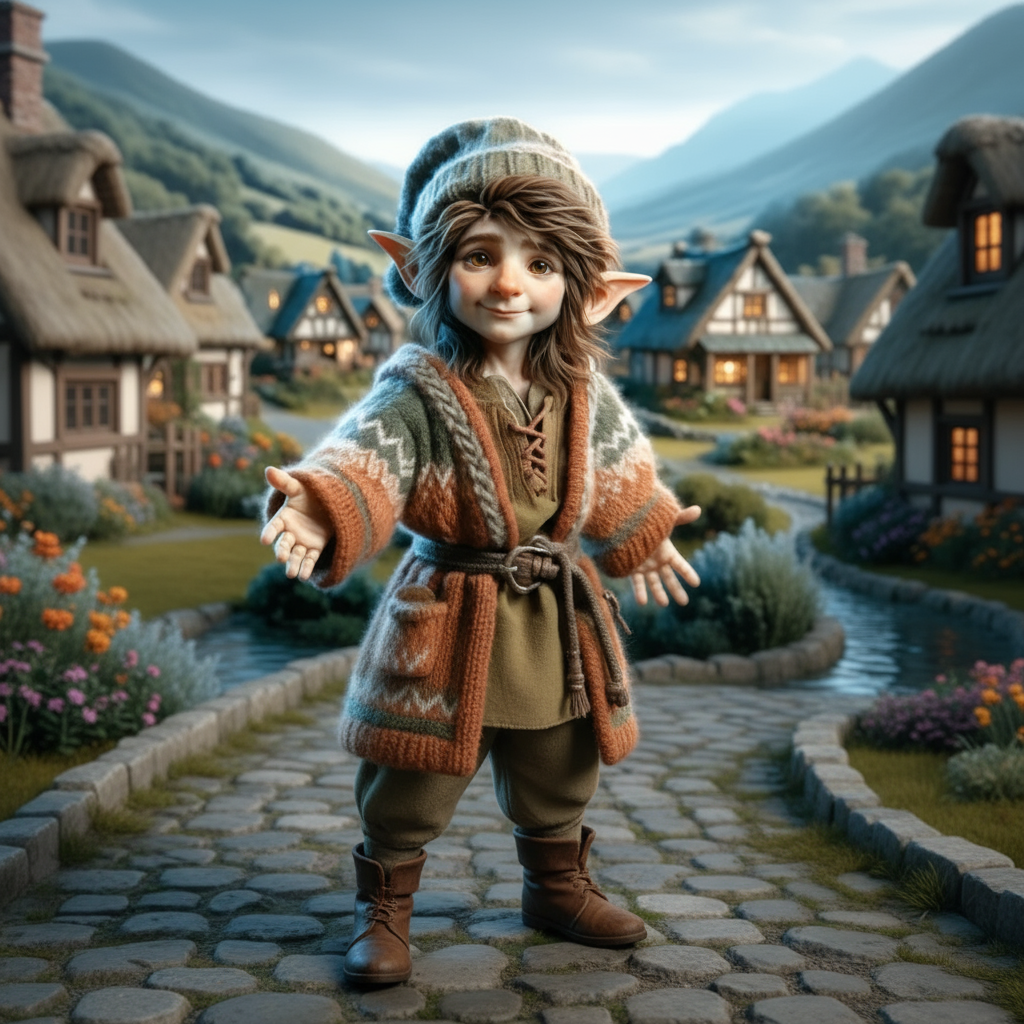
Halflings exist as fantasy gaming's reminder that heroism doesn't require imposing stature. Their lucky racial ability, brave resistance to frightened conditions, and nimbleness moving through larger creatures' spaces make halflings unexpectedly effective adventurers despite standing roughly three feet tall. Tolkien's hobbits established the archetype; D&D halflings evolved a distinct identity while honoring that foundation.
The halfling name generator produces comfortable, homey-sounding options reflecting halfling cultural values emphasizing community, good food, and simple pleasures occasionally interrupted by adventure. Each name includes meaning and etymology drawing from Old English, Germanic, Latin, and Dutch linguistic roots. Advanced options let you filter by gender preference, name length (short, medium, long), syllable count (1, 2, 3, 4+), and specific starting or ending letters.
Example Halfling Names:
- Milo Burrows — Meaning: Soldier from the borders; Dweller in a fortified place — Etymology: Germanic; Old English
- Lily Greenbottle — Meaning: Purity, innocence; One who makes green bottles — Etymology: Latin; English
- Tobold Leafcutter — Meaning: Bold people; One who cuts leaves — Etymology: Germanic; English
- Daisy Underhill — Meaning: Day's eye; One who lives under the hill — Etymology: Old English; Old English
- Folco Brandybuck — Meaning: People's leader; Dweller by the Brandywine river — Etymology: Germanic; Dutch/English
Forest Gnome Name Generator
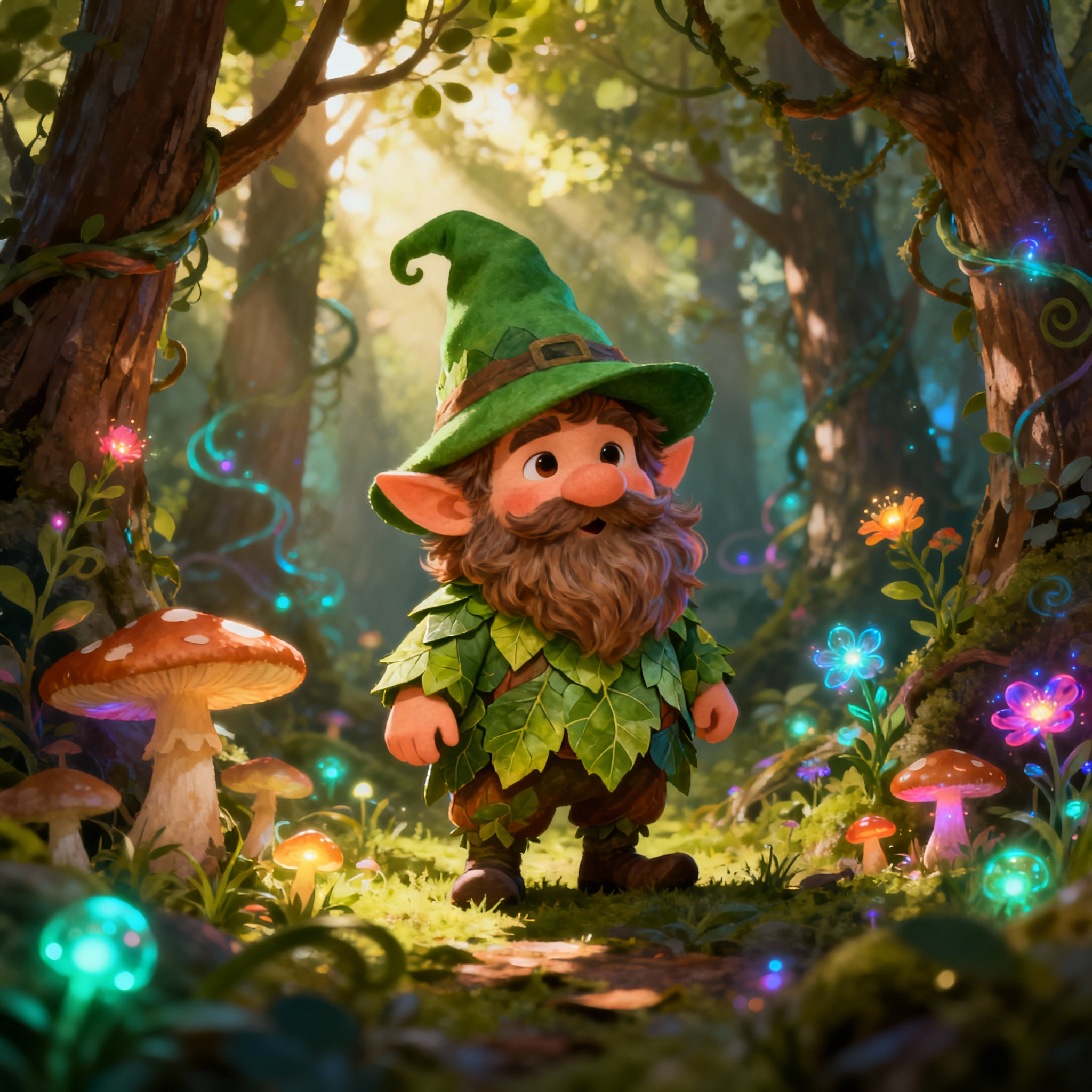
Forest gnomes represent gnomish culture's deepest connection to the natural world—diminutive beings who speak with small animals, weave minor illusions instinctively, and dwell in hidden woodland communities that larger races rarely discover. Their natural affinity for druidic magic and ranger pursuits distinguishes them from rock gnome inventors and deep gnome survivors.
The forest gnome name generator emphasizes organic, flowing phonetics, suggesting leaves rustling and streams burbling through enchanted groves. Each name includes meaning and etymology reflecting nature connections through Celtic, Old English, and constructed gnomish linguistic traditions.
Example Forest Gnome Names:
- Fernwick Mossbeard — Meaning: Settlement among ferns; One with a plant-covered face — Etymology: English; English
- Willow Dewdrop — Meaning: Graceful tree; Morning water pearl — Etymology: Old English; English
- Oakley Thornwhisper — Meaning: Meadow of oaks; Quiet speaker among brambles — Etymology: Old English; English
- Briar Willowroot — Meaning: Thorny shrub; Foundation of bending trees — Etymology: English; English
- Nutkin Acornhollow — Meaning: Small nut creature; Valley of oak seeds — Etymology: English; English
Dwarf Name Generator
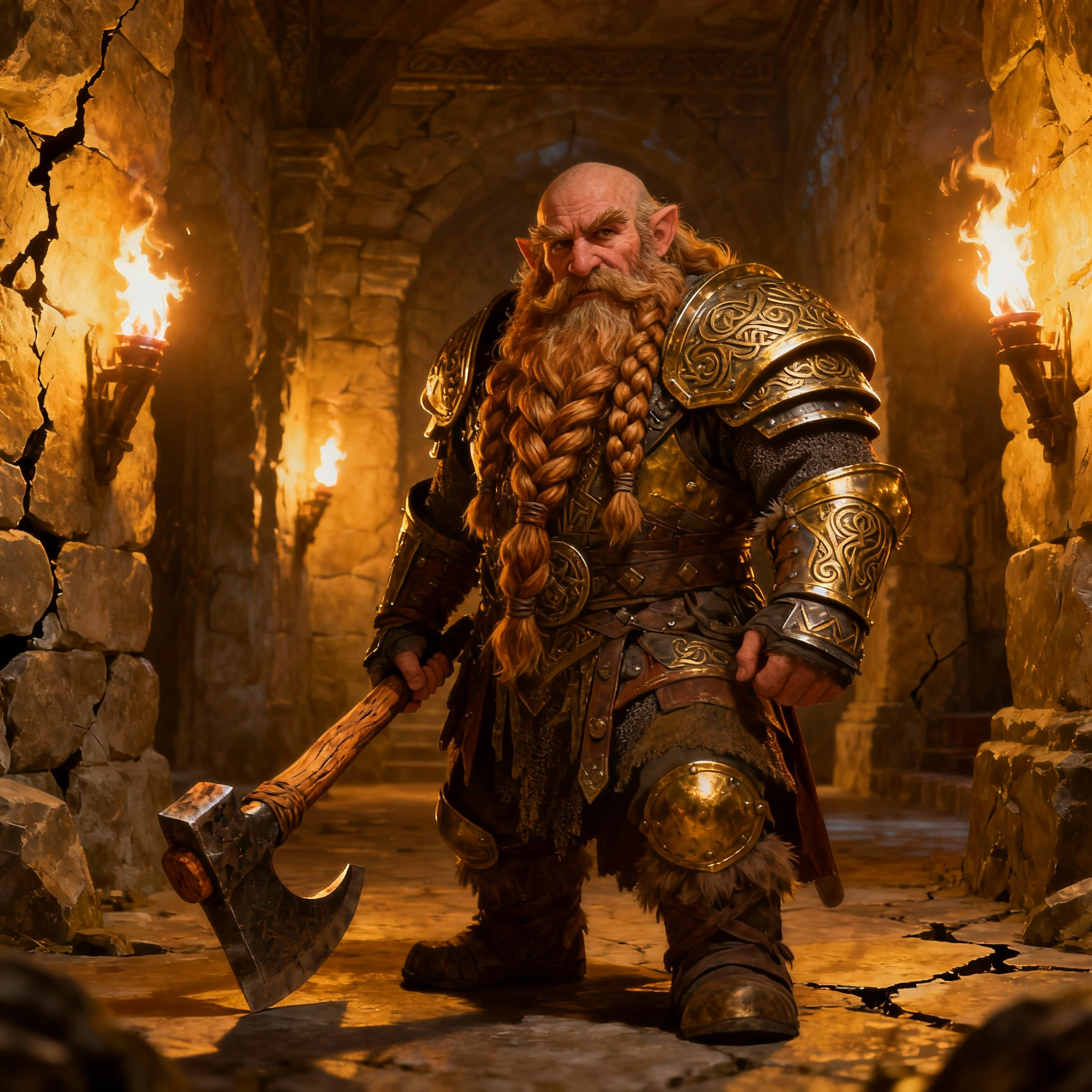
Dwarves stand among fantasy gaming's most recognizable species—stout, bearded warriors and craftsmen whose stonecunning, poison resistance, and martial traditions have remained consistent across decades of evolving game design. The dwarf name generator serves as the foundational tool for dwarven naming, producing options appropriate for characters before subrace distinctions further refine their cultural identity.
Traditional dwarven names draw from Germanic and Nordic linguistic roots, creating phonetic patterns that feel appropriately ancient and substantial. Each generated name includes meaning and etymology tracing roots through Norse, Germanic, Old English, and Dwarven constructed language traditions.
Example Dwarf Names:
- Balin Ironbeard — Meaning: Powerful warrior; One with metal facial hair — Etymology: Norse; English
- Dain Stoneaxe — Meaning: From Denmark; Wielder of rock weapon — Etymology: Norse; Old English
- Hilda Goldforge — Meaning: Battle woman; Crafter of precious metal — Etymology: Germanic; English
- Fundin Deepstone — Meaning: Found one; Rock from below — Etymology: Norse; Old English
- Kira Hammerfell — Meaning: Throne ruler; Place where tools land — Etymology: Norse; English
Frequently Asked Questions About Fantasy Race Names
What is a fantasy race name generator?
A fantasy race name generator is a digital tool producing randomized naming suggestions tailored to specific species populating fantasy worlds. Unlike generic name generators, these specialized tools understand that dragonborn require different phonetic patterns than halflings, and tiefling naming conventions differ fundamentally from dwarven traditions. The algorithm combines linguistic elements—prefixes, suffixes, and phonetic patterns—drawn from fantasy literature, mythological sources, and constructed languages to produce culturally appropriate options.
Each generated name includes a detailed meaning explaining what both the first name and the surname represent, plus etymology tracing linguistic origins back to Germanic, Old English, Latin, Norse, Celtic, and other historical roots. Dungeon masters use these generators when campaigns require numerous NPCs across multiple species. Authors employ them when populating fantasy fiction with characters whose names reinforce worldbuilding rather than contradicting it.
How do I choose the right fantasy race name?
Selecting appropriate names involves considering several factors beyond simple phonetic appeal. First, evaluate whether the name fits your character's cultural background—an orc raised among elves might bear elvish naming influences, while one from traditional tribal upbringing needs authentically orcish options. Second, consider how the name sounds spoken aloud during gameplay; overly complex constructions frustrate tables trying to reference characters consistently.
Third, examine what backstory the meaning and etymology imply. A tiefling named after an infernal duke suggests a different heritage than one bearing a virtuous name like "Redemption." Finally, verify the name doesn't accidentally duplicate existing fictional characters. Use the advanced options to filter by gender preference, name length, syllable count, or specific starting and ending letters until discovering perfect matches for your character concept.
What do the meaning and etymology tell me about a name?
Every generated name includes two components of linguistic information. The meaning explains what each part of the name represents—for example, "Milo Burrows" means "Soldier from the borders; Dweller in a fortified place." The first portion describes the first name's meaning, while the second explains the surname's significance. This allows you to select names whose meanings align with character backstories, occupations, or personality traits.
The etymology traces each name component's linguistic origins. "Milo" derives from Germanic roots, while "Burrows" comes from Old English. Understanding etymology helps maintain consistency—a character from pseudo-Norse culture should bear names with Norse etymology, while one from Mediterranean-inspired regions might feature Latin or Greek linguistic roots. These details transform random sounds into meaningful character elements.
How do the advanced options work?
The advanced options provide granular control over generated names. Gender preference filters results to produce traditionally masculine, feminine, or any-gender appropriate options. Name length settings (short, medium, long) control overall character count, useful when you need quick battlefield names versus elaborate noble titles. Syllable count (1, 2, 3, 4+) affects pronunciation complexity and cultural feel.
The "Starts With" and "Ends With" fields let you specify particular letters or phonemes, useful for maintaining naming consistency within families or cultures. If your campaign's dwarven clan uses names beginning with "Th-" or ending in "-in," these filters ensure all generated options follow established patterns. Combine multiple advanced options to narrow results precisely matching your worldbuilding requirements.
Can I use these names for commercial projects?
The names generated through this fantasy race name generator are procedurally created combinations not subject to trademark restrictions, making them suitable for commercial projects, including published novels, video games, and tabletop RPG supplements. However, you should verify that specific generated names don't accidentally match trademarked terms from existing intellectual properties—a coincidental match could create legal complications regardless of independent creation.
For commercial applications, consider generating multiple options and selecting those most distinctive to your project. Generic-sounding names risk confusion with existing works even without trademark issues, while highly distinctive combinations establish stronger brand identity. The detailed meaning and etymology provided help you understand what associations each name carries, informing better selection decisions.
Why do different fantasy races have different naming conventions?
Fantasy naming conventions reflect fictional cultures just as real-world names reflect actual human societies. Dwarven names sound Germanic because fantasy literature established dwarves as analogous to Norse mythology's craftsmen gods. Elvish names flow melodically because Tolkien constructed elvish languages, emphasizing beauty and grace. These associations became genre conventions that audiences expect and recognize.
Different naming patterns serve practical storytelling functions beyond mere tradition. When players hear a name, its phonetic structure immediately suggests which fantasy race bears it—useful information for dungeon masters introducing NPCs or authors establishing characters. The meaning and etymology provided with each generated name reinforce these cultural associations, revealing information about fictional societies through linguistic construction.
How many names can I generate?
This fantasy race name generator produces unlimited suggestions—generate as many options as needed until discovering names that perfectly suit your characters. The randomized algorithm ensures each generation produces fresh combinations rather than cycling through predetermined lists, meaning even extensive generation sessions continue yielding novel options with unique meanings and etymologies.
Most users generate batches of five names at a time, reviewing the meaning and etymology for each before regenerating. Dungeon masters preparing campaign rosters might generate dozens across multiple species, creating databases of potential NPC names for improvisational use during sessions. Authors' worldbuilding of entire civilizations sometimes generates hundreds, establishing naming patterns for fictional cultures.
Do these names work for all fantasy settings?
The generator produces names suited for traditional high fantasy settings inspired by Tolkien, Dungeons Dragons, and similar foundational works. These names work excellently for D&D 5e campaigns, Pathfinder adventures, and fantasy fiction following genre conventions. The meaning and etymology draw from real-world linguistic traditions that established fantasy naming standards.
Settings deviating significantly from traditional fantasy might require adaptation. Science fantasy blending technological and magical elements, grimdark settings emphasizing moral ambiguity, and non-Western fantasy drawing from different mythological traditions may need modified approaches. However, the detailed etymology information helps you understand each name's cultural associations, enabling informed adaptation for unconventional settings.
What makes a good fantasy race name memorable?
Memorable fantasy names balance several competing factors. Phonetic distinctiveness ensures names stand apart from both real-world associations and other characters within the same narrative. Appropriate length matters—excessively long names become burdensome while single-syllable options may lack gravitas. The name should suggest something about the character's species through phonetics that match cultural expectations.
The meaning component adds memorability layers. A dwarf named "Thorin Ironbeard" becomes more memorable when you know the meaning—"Bold, daring one; One with metal facial hair"—because that meaning reinforces visual imagination. Etymology deepens this further, connecting fictional characters to linguistic traditions that feel authentically ancient. Use the advanced options to find names balancing all these factors.
Should I match character names to their class or abilities?
Matching names to character capabilities represents one valid approach, but not the only option. A dwarf fighter named "Battlehammer" telegraphs martial focus clearly—useful for NPCs whose functions players should immediately recognize. The meaning provided with each generated name helps identify options that align with specific character classes or abilities.
However, player characters often benefit from names leaving room for development rather than defining destinies prematurely. A tiefling warlock named "Shadowpact" might feel less nuanced than one called "Hope"—a virtue name creating interesting tension with dark magical pursuits. Review the meaning and etymology for each generated option, selecting names that either reinforce or intentionally contrast with character mechanics depending on your storytelling goals.
Can these names be used for tabletop RPGs like D&D and Pathfinder?
Absolutely. This fantasy race name generator specifically supports tabletop RPG character creation across Dungeons Dragons 5th Edition, Pathfinder, and similar systems. The naming conventions follow patterns established in official sourcebooks, ensuring generated names fit seamlessly alongside canonical characters within those game worlds. The meaning and etymology information adds worldbuilding depth that enriches roleplay.
Dungeon masters find particular value in generators producing campaign-ready NPC names without extensive preparation. When players unexpectedly interact with unnamed shopkeepers, guards, or tavern patrons, having generated names with detailed backgrounds available maintains immersion. Players creating characters benefit from options that sound appropriately fantastical while remaining pronounceable—use the advanced syllable options to control complexity.
How do I create names for homebrew fantasy races?
Creating names for original fantasy races requires establishing phonetic conventions before generating specific options. Consider what real-world languages or existing fantasy races your homebrew species resembles, then use appropriate generators as starting points. A crystalline species might draw from elvish naming patterns; fungal creatures could borrow from orcish phonetics with modifications.
Generate names for existing races closest to your homebrew, then examine the etymology patterns to understand their linguistic construction. Modify outputs to establish a distinct identity by replacing common phonemes with unusual alternatives or adjusting syllable structures. The detailed etymology information helps you understand how names are constructed, enabling informed adaptation for original species that feel authentically fantastical.