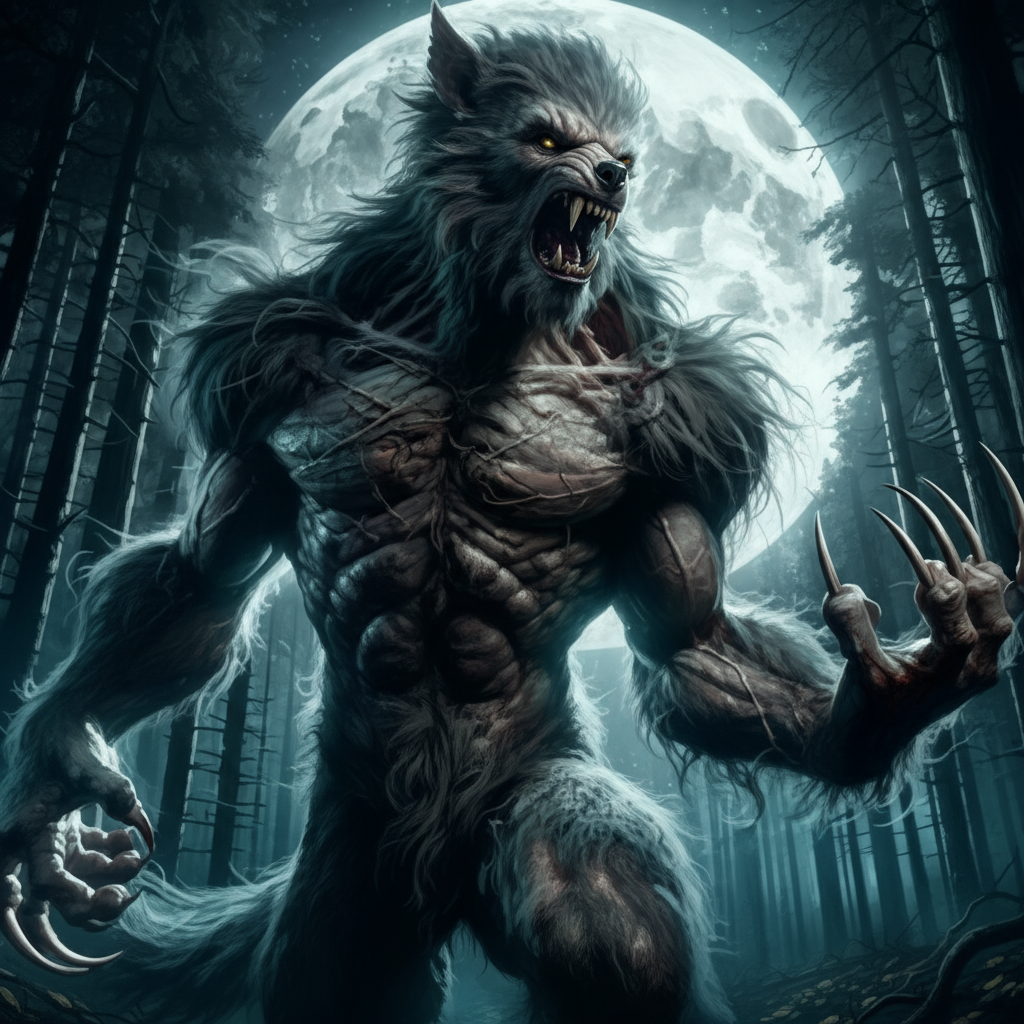
Werewolf Name Generator
Howl at the moon with our werewolf name generator! Generate lycanthrope names perfect for World of Darkness, DnD 5e, or shapeshifter fantasy stories.
Gender Preference
Generating magical names...
Forge Your Lycanthrope Identity
Choosing a name for your werewolf character isn't just about slapping together some guttural syllables and calling it done. A werewolf's name carries the weight of their dual existence—the human they were and the beast they've become. Whether you're building a lycanthrope for D&D 5e, crafting a Garou for World of Darkness, or developing a shapeshifter for your dark fantasy novel, the right name anchors your character's identity in ways that ripple through every scene they inhabit.
After years of helping players and writers develop compelling supernatural characters, I've learned that the most memorable werewolf names acknowledge the inherent tension between humanity and primal instinct. These aren't creatures of pure savagery—they occupy a liminal space where civilized restraint battles with ancient hunger. Your werewolf's name should reflect that complexity.
This guide explores the linguistic roots, symbolic elements, and cultural traditions that make werewolf names resonate. You'll discover how to balance masculine power with feminine mystique, create cohesive pack identities, and use our generator to craft names that feel authentically wild yet emotionally grounded.
The Duality of the Wolf: Naming Between Two Worlds
Werewolves exist in constant flux. During daylight hours, they might be merchants, scholars, or warriors. But when the full moon rises, something primal takes hold. This transformation isn't just physical—it's a fundamental shift in consciousness that your character's name should acknowledge.
The most compelling lycanthrope names contain echoes of both states. Consider how "Wulfric" suggests authority (from the Old English "ric" meaning "ruler" or "power") while grounding that dominance in the wolf itself. The name doesn't hide the beast—it proclaims it while maintaining human linguistic structure.
This duality manifests in several naming approaches:
The Hidden Beast: Names that sound completely human but carry wolfish meanings. "Lycia" translates to "wolf woman" in Greek, allowing your character to move through human society undetected while you, the creator, know her true nature.
The Obvious Predator: Names that announce their lycanthropic nature upfront. "Fangshadow" or "Moonhowl" leave no doubt about what your character is, which works brilliantly for werewolves who've embraced their curse and abandoned human pretense.
The Balanced Approach: Compound names that honor both aspects. "Ulric Shadowpaw" acknowledges the "wolf ruler" etymology while adding a surname that speaks to stealth and predation.
The key is matching your naming strategy to your character's relationship with their curse. A newly turned werewolf still clinging to humanity might retain their birth name. A centuries-old lycanthrope who leads a pack would likely adopt something that commands respect from both wolves and humans.
Linguistic Roots: Old World Traditions in Werewolf Naming
Werewolf folklore spans cultures, and the linguistic heritage you choose adds depth to your character's backstory. These aren't arbitrary choices—they suggest geography, pack lineage, and cultural influences that shaped your werewolf before (and after) their transformation.
Norse and Germanic Foundations
Old Norse gave us some of the most powerful wolf-related terminology. The word "lycanthropy" itself derives from ancient Greek: "lykos" (wolf) + "anthropos" (human), literally meaning "wolf-man." But Norse mythology offers rich naming territory:
- Úlfhéðnar (wolf-coats): The legendary Norse warriors who wore wolf pelts and fought with berserker fury. Names like "Ulfr" (wolf) or "Geirolf" (spear wolf) connect your character to this warrior tradition.
- Fenrir: The monstrous wolf of Norse mythology, destined to devour Odin during Ragnarök. While using this exact name might seem heavy-handed, variations like "Fenrick" or "Fenris" capture the essence.
- Sköll and Hati: The wolves that chase the sun and moon across the sky. These names work beautifully for twin werewolves or rivals within a pack.
French and Romance Language Influences
The French term "loup-garou" (inherited from Old French "leu garoul") is a pleonastic compound—"leu" means wolf, and "garoul" means werewolf, which itself came from Frankish "werawulf." This linguistic evolution created rich naming possibilities:
- Garoux: A surname suggesting French werewolf lineage
- Louvel: Meaning "little wolf" in Old French
- Raoul: A French given name with wolf roots, from Germanic "Radulf" (counsel wolf)
Romance language influences work particularly well for European-set campaigns or characters from regions with Latin heritage.
Old English and the Birth of "Werewolf"
The modern English "werewolf" comes from Old English "werwulf"—"wer" (man) combined with "wulf" (wolf). This linguistic structure gave us powerful name elements:
Wulfric (wolf ruler): The name Wulfric combines the Old English elements "wulf" and "ric," creating a name that has appeared throughout history. The name embodies commanding authority while acknowledging the beast within.
Ulric (wolf power): A variant of Wulfric, Ulric traces its origins to the English language, derived from "ulfr" (wolf) and "ric" (ruler or king). This compound name was commonly used in medieval England during periods when wolves symbolized strength and leadership.
These Anglo-Saxon foundations provide gravitas without feeling archaic. They suggest lineages that stretch back centuries while remaining pronounceable in modern games.
Symbolic Elements: Moon, Fear, and Ferocity
Beyond linguistic roots, the most resonant werewolf names incorporate symbolic elements tied to lycanthropic mythology. These symbols operate on a subconscious level, triggering associations even when players don't consciously recognize the reference.
Lunar Connections
The moon governs werewolf transformation in most traditions. Names that reference lunar cycles, phases, or lunar deities immediately signal your character's nature:
- Selene: Greek goddess of the moon, perfect for a female werewolf with mystical or religious connections
- Luna: Roman moon goddess, more approachable than Selene but equally powerful
- Crescent: Works as either a given name or a pack identifier (Crescent Fang Pack)
- Eclipse: Suggests the moment when darkness overtakes light—a powerful metaphor for transformation
Fear and Shadow
Werewolves inspire primal terror. Names that evoke darkness, shadows, or fear tap into this psychological reality:
- Shadowmere: Combines darkness with bodies of water (where reflection and transformation myths often intersect)
- Duskclaw: The transitional time between day and night mirrors the werewolf's dual nature
- Grimsnarl: "Grim" suggests death and darkness, while "snarl" is purely bestial
Predatory Power
Don't neglect the sheer physical dominance that werewolves embody. Names can emphasize:
- Strength: "Ironmaw," "Steelspine," "Stoneheart"
- Speed: "Swiftclaw," "Quickfang," "Flashfur"
- Ferocity: "Ragehowl," "Bloodmoon," "Savagefang"
The key is avoiding names that sound like 13-year-olds created them in a notebook during math class. "Deathdestroyer Bloodkiller" fails because it's trying too hard. "Fenrir Blackwood" succeeds because it balances mythological weight with grounded naturalism.
Masculine Werewolf Names: Power and Dominance
Male werewolf names often emphasize authority, physical prowess, and pack hierarchy. These aren't limitations—they're starting points for characters who may subvert or embody traditional masculine archetypes.
Wolf Power Names
Ulric stands as one of the quintessential werewolf names. The etymology—"wolf ruler"—perfectly encapsulates the alpha male archetype. A character named Ulric carries implicit authority. Other pack members instinctively recognize his dominance, even before he proves it through action.
Wulfric shares similar roots but carries slightly different connotations. Where Ulric might suggest political cunning, Wulfric implies raw martial power. This is the name of a werewolf who leads through demonstrated strength rather than strategic maneuvering.
Aldric ("old and wise ruler") works for elder werewolves who've survived decades or centuries. The name suggests a lycanthrope who's learned to balance human wisdom with bestial instinct—perhaps serving as mentor to younger pack members still struggling with their curse.
Battle and Hunt Names
Cayden embodies "spirit of battle," perfect for werewolves who embrace their predatory nature. This name suggests a character who doesn't merely hunt—they revel in it, finding purpose in the chase and the kill.
Theron means "hunter" in Greek, offering a more subtle approach. Where Cayden announces aggression, Theron implies patience, strategy, and the long game. This is a werewolf who tracks his prey for days before striking.
Skoll ("chase") and Hati ("he who hates") come from Norse mythology—the wolves pursuing the sun and the moon. These names work brilliantly for rival werewolves locked in eternal conflict, or for a single character defined by the relentless pursuit of an impossible goal.
Authority and Legacy Names
Remus: One of Rome's legendary founders (raised by a she-wolf), Remus immediately suggests civilization built on primal foundations. Perfect for werewolves trying to create stable communities or pack structures.
Berthold ("bright ruler"): This Germanic name balances light and leadership, ideal for a werewolf who maintains his humanity even during transformation—perhaps fighting to protect human settlements from more savage lycanthropes.
Radolf ("counsel wolf"): Suggests a werewolf whose value to the pack comes through wisdom rather than physical dominance. This could be your pack's historian, keeper of traditions, or advisor to the alpha.
Feminine Werewolf Names: Celestial Mystery and Lunar Grace
Female werewolf names often incorporate celestial imagery, mystery, and connections to lunar cycles. But don't mistake these patterns for weakness—some of the most terrifying lycanthropes in folklore were female.
Celestial Names
Astra connects to the stars themselves, suggesting a werewolf whose transformation transcends earthly concerns. This name works for mystically inclined characters or those who view lycanthropy as a spiritual awakening rather than a curse.
Aurora (dawn) represents the moment of transformation's end—when the werewolf returns to human form as sunlight breaks. A character named Aurora might be defined by that liminal moment, perhaps retaining memories of her wolf self when others don't.
Lucian (though typically masculine, it works for any gender) means "illuminated" or "light-bringing." This creates interesting tension for a creature of the night—perhaps a werewolf who believes her curse serves a higher purpose.
Wolf Woman Names
Lycia translates directly to "wolf woman" in Greek. Unlike subtle names, Lycia announces exactly what she is. This works for characters who've accepted or embraced their lycanthropy, integrating wolf and human identities into a unified self.
Accalia: In Roman mythology, this was the name of the she-wolf who nursed Romulus and Remus. The name carries connotations of nurturing and maternal protection—but remember, mother wolves are fiercely protective and absolutely deadly when threatened.
Ulrica (the feminine form of Ulric): "Wolf ruler" applies equally to female pack leaders. An Ulrica commands the same authority as any male alpha, proving dominance through strength, cunning, or both.
Dark and Mysterious Names
Dusk: Simple yet evocative, suggesting the transitional moment when day becomes night. A werewolf named Dusk exists perpetually in that liminal space between states.
Twilight: Similar to Dusk but carrying additional literary weight (though perhaps now too associated with certain vampire novels). Still, the concept remains powerful—neither day nor night, neither fully human nor fully beast.
Smoke: Intangible, impossible to grasp, capable of choking and suffocating. A werewolf named Smoke might be impossible to pin down, always escaping before enemies can strike.
Elemental Force Names
Thora (thunder): Suggests raw power and sudden violence. When Thora transforms, everyone nearby feels it—like thunder announcing an approaching storm.
Avalon (falling star): Mythological weight combined with celestial imagery. This name works for werewolves with destiny hanging over them, perhaps prophesied to unite warring packs or destroy an ancient evil.
Sierra: A mountain range name suggesting immovability and ancient permanence. A werewolf named Sierra isn't easily swayed or intimidated—she's as steadfast as stone.
Surnames and Pack Names: Building Collective Identity
Individual names establish character, but surnames and pack names create context. They answer crucial questions: Where does this werewolf come from? What traditions shaped them? Who do they run with under the full moon?
Surname Strategies
Werewolf surnames often reference:
Nature and Landscape: Blackwood, Thornfield, Shadowmere, Ironoak, Stormridge. These surnames ground your character in specific environments, suggesting rural origins or connection to wild places.
Animal Traits: Quickfang, Steelclaw, Keeneye, Swiftpaw. These descriptive surnames work like Native American naming traditions, identifying characteristics that distinguish one wolf from another.
Colors: Greyback, Whitefang, Redfur, Blackmane. Simple color descriptors that often reference the werewolf's pelt in its transformed state.
Occupations or Roles: Bloodhunter, Moonkeeper, Packwarden, Shadowstalker. These surnames describe function within the pack hierarchy or relationship to lycanthropy itself.
Pack Identity Construction
Pack names follow different rules from individual names. They must:
- Establish Territory: "Crescent Wolves Legion" suggests both a lunar connection and a military organization. "Rotten Waters Circle" implies territory around fetid swamps or polluted rivers.
- Define Hierarchy: "Alpha Hunters Band" vs. "Omega Midnight Hounds" tells you exactly where these packs stand in regional lycanthrope politics.
- Signal Allegiance: In World of Darkness campaigns, pack names might reference tribal totems (Silver Fangs) or auspice roles (Children of Gaia). In D&D, they might honor specific moon goddesses (Selûne's Chosen) or reference hunting grounds (Neverwinter Wood Pack).
- Convey Philosophy: "Gentle Warriors Manes" suggests werewolves trying to maintain humanity. "Wicked Growlers Gang" implies lycanthropes who've abandoned human morality entirely.
Some effective pack name structures:
- [Descriptor] + [Noun] + [Group Term]: "Ancient Heart Team," "Wild Fang Manes," "Bronze Hunters Gang."
- [Time/Celestial] + [Predator Term] + [Plural]: "Dawn Biters Band," "Eclipse Midnight Claws," "Sundown Hide Pack."
- [Quality] + [Body Part] + [Collective]: "Sharp Nails Circle," "Iron Jaws Prowlers," "Stone Claws Legion."
When creating pack names for your campaign, consider whether packs choose their own names or whether these titles are given by others (possibly as insults that became badges of honor).
How to Use a Werewolf Name Generator Effectively
Name generators serve as inspiration engines, not a replacement for creativity. The key is understanding how to work with generated results rather than accepting them wholesale.
For D&D 5e Campaigns
In Dungeons & Dragons, lycanthropy functions as either a curse or an inherited condition. The Monster Manual (p. 206-207) specifies that lycanthropes who embrace their curse can transform at will "with time and experience," while those resisting it transform uncontrollably during the full moon. This mechanical reality should influence naming:
Cursed Characters (resisting transformation) might retain human names: "Marcus Thornfield" or "Elena Greystone." Their struggle against the beast doesn't necessitate adopting a predatory name.
Embracing Lycanthropy (accepting transformation) often leads to name changes. As the curse becomes part of identity, these characters adopt names reflecting their dual nature: "Marcus becomes Vargrim Thornfield" or "Elena takes the name Silverfang."
Inherited Lycanthropy (born as werewolves) typically carry family names with lupine heritage built in: "Wulfric of the Moonclaw Line" or "Lycia Bloodmoon."
When using a generator for D&D characters, run it multiple times and combine elements. Take a first name from one result, a surname from another, and modify both until they feel right for your character's backstory.
For World of Darkness (Werewolf: The Apocalypse)
World of Darkness approaches werewolf identity differently. Garou (as werewolves are called in this system) often receive "deed names"—titles earned through notable actions or gifts that spirits recognize them by. Your character might have a human name, a wolf name from birth, and a deed name they earned at their First Change.
The Garou also use a specific tongue for communicating with spirits. While your human name might be "Sarah Chen," your deed name could be "Breaks-the-Shadow" or "Moon 's-Swift-Daughter," describing achievements or characteristics that spirits value.
When generating names for World of Darkness:
- Start with a human name appropriate to your character's cultural background
- Consider a wolf name if your character knows their lupus heritage (often simpler, more instinctual: "Grey," "Swift," "Scar")
- Develop a deed name based on character accomplishments or destiny (generators can inspire these, but they're best created through play)
For Dark Fantasy Settings
Outside specific game systems, you have maximum freedom. Dark fantasy werewolf names can lean into horror ("Skullcrusher Darkwater"), maintain subtlety ("William Grey"), or split the difference ("Fenris Ashwood").
Consider your setting's tone:
Grimdark Settings reward names that sound actively threatening: "Bonegnawer," "Fleshrender," "Corpsewalker."
Low Fantasy (closer to real-world medieval) benefits from period-appropriate names with subtle wolfish elements: "Wulfgar," "Ethelwulf," "Wulfstan."
High Fantasy allows more obvious supernatural names: "Moonwhisper," "Shadowfang," "Starwolf."
Generator Best Practices
When using any werewolf name generator:
Run it multiple times: Don't accept the first result. Generate 20-30 names and note which elements resonate.
Mix and match components: Combine a first name you like with a surname from a different generation. "Ulric Shadowmere" might work better than either "Ulric Thornfield" or "Fenris Shadowmere."
Modify results: If a generator produces "Bloodfang," consider variations: "Bloodfen," "Redfang," "Crimsontooth." Small changes create something that feels personally tailored.
Check pronunciation: Say generated names aloud. If you stumble over them, your players will too. "Ghrkkwulf" might look cool, but it proves impractical in play.
Verify meaning: If using names with real-world linguistic roots, verify their actual meanings. You don't want to discover mid-campaign that your fearsome alpha's name means "little rabbit" in Old Norse.
Frequently Asked Questions
What makes a good werewolf name?
A good werewolf name balances recognizable human elements with suggestions of the beast within. It should be pronounceable, memorable, and appropriate to your setting's tone. The strongest names carry meaning—either through etymology (like Ulric's "wolf ruler") or through symbolic associations (like Dusk evoking transformation's timing). Avoid names that try too hard to sound edgy or intimidating.
Should werewolf names be different from human names?
This depends on your character's relationship with lycanthropy. Newly cursed werewolves often retain their human names, emphasizing their desire to maintain humanity. Long-established lycanthropes or those born as werewolves typically adopt names reflecting their dual nature. In World of Darkness, characters often have multiple names: human, wolf, and deed names earned through significant actions.
How do I create a pack name?
Effective pack names combine descriptive elements (time, color, quality) with predatory terms (fang, claw, tooth) and collective nouns (pack, band, legion). Consider what distinguishes your pack: territory (Shadowmere Pack), philosophy (Gentle Warriors), or reputation (Wicked Growlers). The name should answer basic questions about who these werewolves are and what they value.
Can I use real historical names for werewolves?
Absolutely. Names like Wulfric, Ulric, and Aldric come from actual historical usage. These names ground your character in real linguistic traditions while carrying appropriate meaning. Just ensure you understand what the name means and whether it fits your character concept—claiming a name meaning "wolf ruler" for an omega werewolf creates unintended irony.
What's the difference between a lycanthrope and a werewolf?
"Lycanthrope" derives from Greek "lykos" (wolf) + "anthropos" (human), creating the technical term for wolf-human shapeshifters. "Werewolf" comes from Old English "wer" (man) + "wulf" (wolf), creating a more colloquial term. They mean essentially the same thing, though "lycanthrope" often appears in medical/clinical contexts (clinical lycanthropy, where someone believes they're transforming) while "werewolf" dominates folklore and popular culture.
How important is a character's name to their backstory?
Names function as compressed storytelling. A werewolf named "Ashenfur Greyback" immediately suggests certain things about appearance and possibly personality. "Dr. Michael Sterling," who transforms into a savage beast, creates narrative tension through the contrast between civilized name and monstrous nature. Your character's name should complement their backstory, not contradict it—unless that contradiction is intentional and explored through roleplay.
Should female werewolf names be softer than male names?
Not necessarily. While feminine werewolf names often incorporate celestial imagery (Astra, Aurora), many of the most effective female lycanthrope names emphasize power and danger: Accalia (the she-wolf who nursed Rome's founders), Ulrica (wolf ruler), or Thora (thunder). Choose names based on your character concept, not gender expectations. A nurturing male werewolf might be named Silverlight, while a savage female lycanthrope could be Bonecrusher.
Can I change my werewolf's name during a campaign?
Name changes often mark significant character development. A D&D character who initially resisted their curse might adopt a lupine name after accepting their nature. World of Darkness characters earn new deed names through notable accomplishments. These transitions create powerful roleplay moments—announce the name change in-character, perhaps through a ritual where the pack recognizes the transformation. Just ensure that other players and the DM agree that this serves the story rather than confusing.
Embrace Your Inner Beast
Creating a compelling werewolf name means honoring both halves of your character's identity. The human side brings cultural context, linguistic heritage, and emotional connection to civilization. The wolf side demands recognition of primal power, predatory instinct, and the savage beauty of transformation under moonlight.
Whether you're using a generator as a starting point or building names from scratch through research and creativity, remember that your werewolf's name serves as their introduction to the world. It's the first impression they make, the title by which allies and enemies will know them, and the identity that binds their fractured selves together.
The most memorable werewolf characters balance their dual nature rather than rejecting it. Names like Wulfric acknowledge power while maintaining human linguistic structure. Names like Astra suggest celestial mystery without denying the beast's ferocity. Names like Shadowmere evoke the liminal space between states that werewolves permanently inhabit.
Start with meaning. Whether you're drawing from Old Norse traditions, Greek etymology, or French linguistic heritage, understand what your chosen elements signify. Build from that foundation, adding layers that reflect your character's personality, pack affiliation, and relationship with their curse. Test names aloud to ensure they flow naturally in conversation. And don't be afraid to evolve the name as your character grows—transformation, after all, defines the lycanthrope experience.