Vampire Name Generator
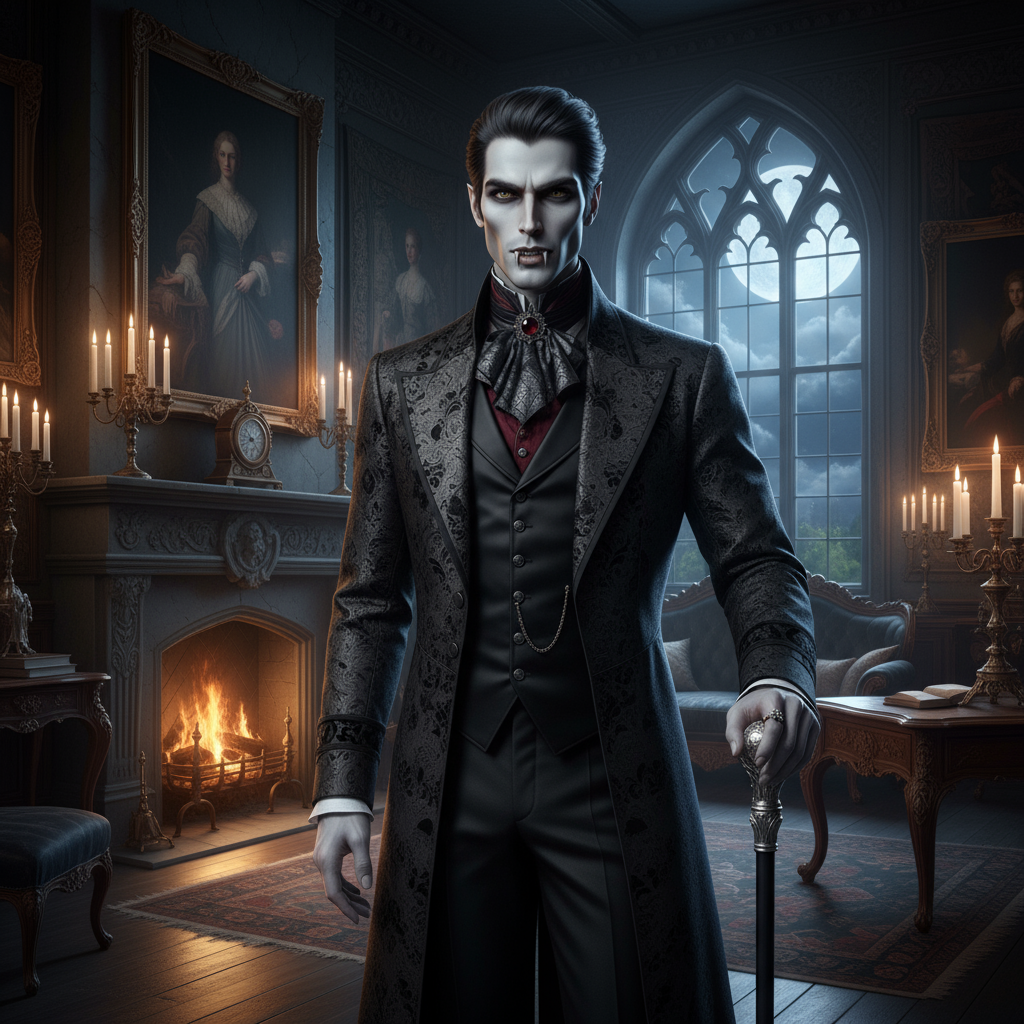
Embrace eternal night with our vampire name generator! Create seductive immortal names perfect for gothic RPG, Vampire: The Masquerade, or horror fantasy.
Gender Preference
Generating magical names...
Create the Perfect Immortal Identity
The allure of vampires has captivated storytellers and audiences for centuries. From the shadowy crypts of Eastern European folklore to the glittering ballrooms of modern gothic romance, these immortal beings have evolved while maintaining their fundamental mystique. Whether you're crafting a character for Vampire: The Masquerade, writing gothic fiction, or simply exploring the darker corners of creative expression, the right name can transform a forgettable bloodsucker into a legendary figure of the night.
A vampire name generator serves as more than a random word producer—it's a gateway to understanding the rich cultural traditions that have shaped vampire mythology across continents and centuries. The most memorable vampire names balance historical authenticity with creative flair, drawing from linguistic roots that span from ancient Slavic legends to the romantic literature of the 19th century.
This guide explores the fascinating origins of vampire naming conventions, practical tips for choosing names that resonate, and how to leverage name generators to spark inspiration for your next dark fantasy character.
The Dark History Behind Vampire Names
The word "vampire" itself carries a compelling etymology that mirrors the creature's journey from folklore to popular culture. According to historical records, the term first appeared in Western Europe during the early 18th century, derived from the German Vampir, which in turn came from the Serbian вампир (vampir). The Serbian word traces back to Old Slavic forms like upyr or upir, with similar variants appearing across Eastern European languages—wąpierz in Polish, vrykolakas in Greek, and strigoi in Romanian.
The vampire phenomenon gained widespread attention in 1725 when the Austrian newspaper Wienerisches Diarium published reports from two Serbian villages, Kisiljevo and Medvedja, where mysterious deaths had allegedly been caused by the undead. Austrian officials investigating these incidents documented cases like that of Petar Blagojevic, whose neighbors claimed he returned from death to haunt them. These reports, prepared between 1725 and 1732, spread rapidly throughout Europe and established the foundation for vampire lore as we know it today.
What's particularly fascinating is how these folk beliefs transformed over time. The original Serbian vampire was far from the sophisticated aristocrat we recognize today—these were bloated, ruddy-faced revenants that terrorized rural villages. The elegant, pale-skinned vampire of modern fiction emerged later, during the Romantic period of the 19th century, when writers like John Polidori (1819's The Vampyre) and Bram Stoker (1897's Dracula) reimagined these creatures as charismatic, refined predators.
This evolution explains why vampire names today draw from such diverse linguistic traditions. Eastern European names like Vladimir ("great ruler") or Vladislav ("eternal ruler") carry the weight of ancient folklore, while French names such as Lestat ("eternal wanderer") embody the sophisticated seducer archetype that emerged in Gothic literature.
Understanding Male Vampire Names
Male vampire names typically emphasize power, authority, and timeless dominance. These names often incorporate elements that suggest leadership, darkness, and an aristocratic bearing befitting creatures who have walked the earth for centuries.
Slavic and Eastern European Influences
Names from this region carry a brooding intensity perfectly suited to vampiric characters. Consider:
- Vladimir – "Great ruler" or "world possessor," a name that immediately establishes authority
- Dmitri – Often associated with "follower of Demeter" or "blood drinker" in vampiric contexts
- Nikolai – "Victory of the people," though in dark fantasy it's often reinterpreted as "night stalker."
- Dragomir – Combining "dragon" and "peace/world," evoking the legendary Vlad Dracula
These names work particularly well for characters embracing traditional vampire tropes—ancient elders, clan leaders, or those maintaining Old World traditions.
Latin and Mediterranean Grace
For vampires who embody seduction and refinement, Latin-derived names offer sophisticated alternatives:
- Lucius – "Light" or "bringer of dawn," creating ironic tension for a creature of darkness
- Valerian – "Strong" or "immortal heart," suggesting enduring power
- Marcus – "Warlike," suitable for vampires with martial histories
- Vesperus – "Evening star," perfectly capturing the twilight existence
Gothic and Literary Traditions
Modern vampire fiction has introduced names that sound both timeless and darkly romantic:
- Lysander – "Liberator" or "bringer of twilight."
- Theron – "Hunter" or "night's shadow."
- Dante – "Enduring," with literary associations that add depth
- Raziel – "Secret of God" from Hebrew, suggesting forbidden knowledge
Exploring Female Vampire Names
Female vampire names balance elegance with danger, often emphasizing seduction, beauty, and the predatory grace that makes these characters so compelling. The best names suggest both allure and the lethal power beneath the surface.
Classic Elegance
These names draw from romantic and Gothic traditions, perfect for vampires who use charm as their primary weapon:
- Seraphina – "Heavenly enchantress" or "fiery one," combining angelic imagery with passion
- Isabella – "Devoted to God," creating compelling irony for the undead
- Evangeline – "Bearer of good news" or "bearer of light," another ironic choice
- Isolde – "Eternal beauty" from Celtic legend, tied to tragic romance
Dark Mystique
For vampires embracing their monstrous nature, these names carry more overtly sinister connotations:
- Lilith – The legendary "Queen of the Night" from Hebrew mythology
- Morana – Slavic goddess of death and winter
- Selene – "Moonlit seductress" or simply "moon" from Greek
- Nyx – Greek goddess of night, primordial and powerful
Exotic and Mysterious
Names from diverse cultural traditions can add a unique flavor to vampire characters:
- Cassandra – "Mistress of shadows" or "she who entangles men," from Greek mythology
- Thalassa – "Sea" in Greek, but often reinterpreted as "sea of blood."
- Akasha – "Ether" or "sky" from Sanskrit, popularized by Anne Rice
- Ligeia – "Siren of the abyss" from Greek, suggesting both beauty and danger
The Power of Epithets and Surnames
In vampire fiction and gaming, full names often include titles, epithets, or surnames that establish lineage, reputation, and legend. These additions transform simple given names into complete identities.
Noble Titles and Honorifics
Vampires often retain or claim aristocratic titles from their mortal lives or undead achievements:
- Count, Countess, Baron, Baroness – Traditional European nobility
- Prince, Princess – In Vampire: The Masquerade, these denote city rulers
- Lord, Lady – Broad terms suggesting authority and age
- Elder, Ancient – Age-based honorifics in vampire societies
Descriptive Epithets
These descriptors become part of the vampire's legend, earned through actions or characteristics:
- "The, Impaler" – Vlad III's infamous epithet, tied to brutal methods
- "Bloodseeker" – Suggesting relentless hunting
- "Shadowwalker" – Emphasizing stealth and darkness
- "The Eternal" – Highlighting ancient origins
- "Nightbane" – Evoking both darkness and destructive power
Dark Surnames
Surnames can instantly convey atmosphere and heritage:
- Darkmoore – Combining darkness with moorland desolation
- Shadowend – Suggesting the boundary between light and dark
- Vespertine – "Of the evening," a more subtle darkness
- Crimson – Obviously blood-related without being heavy-handed
- Nightshade – Both a poisonous plant and evocative of darkness
Naming Characters for Vampire: The Masquerade
Vampire: The Masquerade presents unique considerations for character names, as the game emphasizes both ancient lineages and modern integration into human society.
Consider Your Clan Archetype
Each clan in VtM has distinct characteristics that should influence naming:
- Ventrue – Favor traditional, powerful names suggesting nobility: Augustus, Victoria, Maximilian
- Toreador – Embrace artistic, beautiful names: Lestat, Seraphina, Dante
- Nosferatu – May adopt ironic, beautiful names or embrace monster imagery: Grendel, Quasimodo (though often use mundane names to blend in)
- Tremere – Often academic or occult-influenced: Cornelius, Morgana, Thaddeus
- Brujah – Mix rebellion with history: names like Che, Marcus (after Cato), or Boudicca
- Malkavian – Names might reference madness, prophecy, or contradiction: Cassandra, Janus
Balance Mortal Name and Kindred Identity
Remember that VtM vampires were once human and may:
- Retain their mortal name entirely
- Adopt a new identity upon Embrace
- Use different names in different contexts (mortal alias, Kindred identity, true name)
- Accumulate epithets and titles over centuries
Time Period Matters
A vampire Embraced in different eras should have names appropriate to their origin:
- Medieval (1000-1500) – Alaric, Godric, Matilda, Eleanor
- Renaissance (1500-1700) – Lorenzo, Lucrezia, Beatrice, Alessandro
- Victorian (1800-1900) – Reginald, Constance, Percival, Adelaide
- Modern (1900+) – Contemporary names from the appropriate decade and culture
Crafting Names for Gothic Fiction
Writing vampire fiction requires names that serve both character and atmosphere. The right name should evoke a mood while remaining memorable and pronounceable.
Establish Era and Setting
Gothic fiction often emphasizes specific time periods and locations:
- Victorian Gothic – Formal, multi-syllabic names: Cornelius Blackwood, Arabella Thornfield
- Modern Gothic – Contrast old and new: ancient vampires with contemporary aliases, or modern vampires reclaiming archaic names
- Southern Gothic – Regional American names with dark twists: Beauregard Devereaux, Magnolia LeStrange
Use Sound and Rhythm
The best vampire names have a certain musicality:
- Sibilant sounds (S, Z, V) suggest serpentine menace: Vesper, Azrael, Seraphine
- Hard consonants (K, T, D) convey strength: Viktor, Konstantin, Dante
- Flowing vowels create elegance: Aurelia, Eliana, Liora
Consider Symbolic Meanings
Names with ironic or meaningful definitions add layers to characters:
- Light/dark contrasts – Lucifer ("light-bringer") for a creature of darkness
- Life/death juxtapositions – Vita ("life") or Mortimer ("dead sea")
- Religious irony – Seraphina (angelic) or Eden (paradise) for the damned
How to Use a Vampire Name Generator Effectively
Name generators work best as inspiration catalysts rather than final answers. Here's how to maximize their value:
1. Generate Multiple Options
Don't settle for the first result. Create lists of 5 names and look for patterns in what appeals to you. Notice whether you're drawn to:
- Shorter, punchy names or longer, elaborate ones
- Specific cultural origins
- Certain sounds or letter combinations
- Meanings over aesthetics (or vice versa)
2. Mix and Match Elements
Generators often produce first and last names. Try combining:
- First name from one generation, with surname from another
- Generated names with your own epithets or titles
- Multiple generated options into compound names
3. Research the Components
If a generator produces a name you like, investigate:
- Its cultural and linguistic origins
- Historical figures who bore that name
- Variations in different languages
- Related names with similar sounds or meanings
4. Customize and Personalize
Use generated names as foundations to build upon:
- Modify spelling for uniqueness (but maintain pronounceability)
- Add aristocratic titles or descriptive epithets
- Create a backstory explaining the name's significance
- Develop a "true name" versus a public identity
5. Test for Practical Use
Before committing, ask:
- Can players/readers pronounce it easily?
- Does it fit the character's personality and backstory?
- Does it sound distinct from other characters in your story/game?
- Will it remain memorable after a single hearing?
Frequently Asked Questions
What makes a good vampire name?
A good vampire name balances several elements: cultural authenticity (drawing from real linguistic traditions), atmospheric quality (evoking darkness, elegance, or power), memorability (easy to recall without being overly simplistic), and character alignment (matching the vampire's personality, origin, and story role). The best names feel both ancient and timeless while avoiding clichés that make characters forgettable.
Should vampire names always sound dark or sinister?
Not necessarily. While many vampire names embrace obviously dark elements, some of the most compelling choices create ironic contrast—names meaning "light," "holy," or "blessed" for creatures of darkness can add fascinating layers to characters. Modern vampires in urban fantasy might also deliberately choose mundane names to blend with human society, reserving elaborate names for use among their own kind.
How do I choose between cultural naming traditions?
Consider your character's origin story. A vampire Embraced in medieval Romania should draw from Romanian/Slavic traditions, while one created in modern-day Tokyo might have Japanese heritage. However, vampires who've lived for centuries often adopt names from multiple cultures throughout their existence. A 500-year-old vampire might use their birth name privately while adopting contemporary aliases as needed.
What's the difference between a vampire name for RPGs versus fiction?
RPG names need to be easily spoken aloud and distinguished from other player characters, making clarity and pronounceability crucial. Fiction names can be more elaborate since readers can reread them, and written context helps clarify pronunciation. RPG names also benefit from "table appeal"—they should be fun to say and hear repeatedly during gameplay.
Can I use names from popular vampire media?
While names like Dracula, Lestat, or Edward are iconic, directly copying them makes characters feel derivative. Instead, use them as inspiration: study what makes them work (Dracula's historical weight, Lestat's French elegance, Edward's modern simplicity) and apply those principles to original names. You might create variations or homages while maintaining originality.
How important are name meanings?
Meanings add depth but shouldn't override sound and feel. A name that sounds perfect for your character matters more than its dictionary definition. That said, meaningful names create opportunities for symbolism and thematic resonance. Consider whether your audience will know the meaning—names with obvious connotations work differently than obscure translations requiring research.
Should vampire names change over time?
This depends on your setting's mythology. In games like Vampire: The Masquerade, many vampires adopt new identities every few decades to avoid suspicion, accumulating names like layers of history. In other settings, vampires might cling to original names as connections to their mortal lives. Both approaches work—choose based on your character's relationship with their immortality.
What if I can't find a name that feels right?
Start with the character's core traits rather than browsing name lists. Write down adjectives describing them (elegant, savage, scholarly, seductive) and research names associated with those qualities. Consider their origin, occupation, and defining moments. Sometimes the perfect name emerges from understanding who the character is rather than searching name databases.
Bringing Your Vampire to Life
The perfect vampire name serves as more than mere identification—it's the first impression, the calling card, the whisper that lingers after the character has left the scene. Whether you're rolling dice in a tabletop RPG, crafting the next great Gothic novel, or simply exploring the darker corners of creative imagination, your vampire's name should feel as immortal as the creature itself.
Draw inspiration from the rich tapestry of vampire mythology spanning from 18th-century Serbian villages to contemporary urban fantasy. Use generators as starting points, but remember that the best names often emerge from understanding your character's essence—their history, their hunger, their hidden humanity or complete absence thereof.
Let your vampire's name carry the weight of centuries, the elegance of the eternal, and the darkness that makes these creatures endlessly fascinating. After all, a name is the first bite—make it memorable.