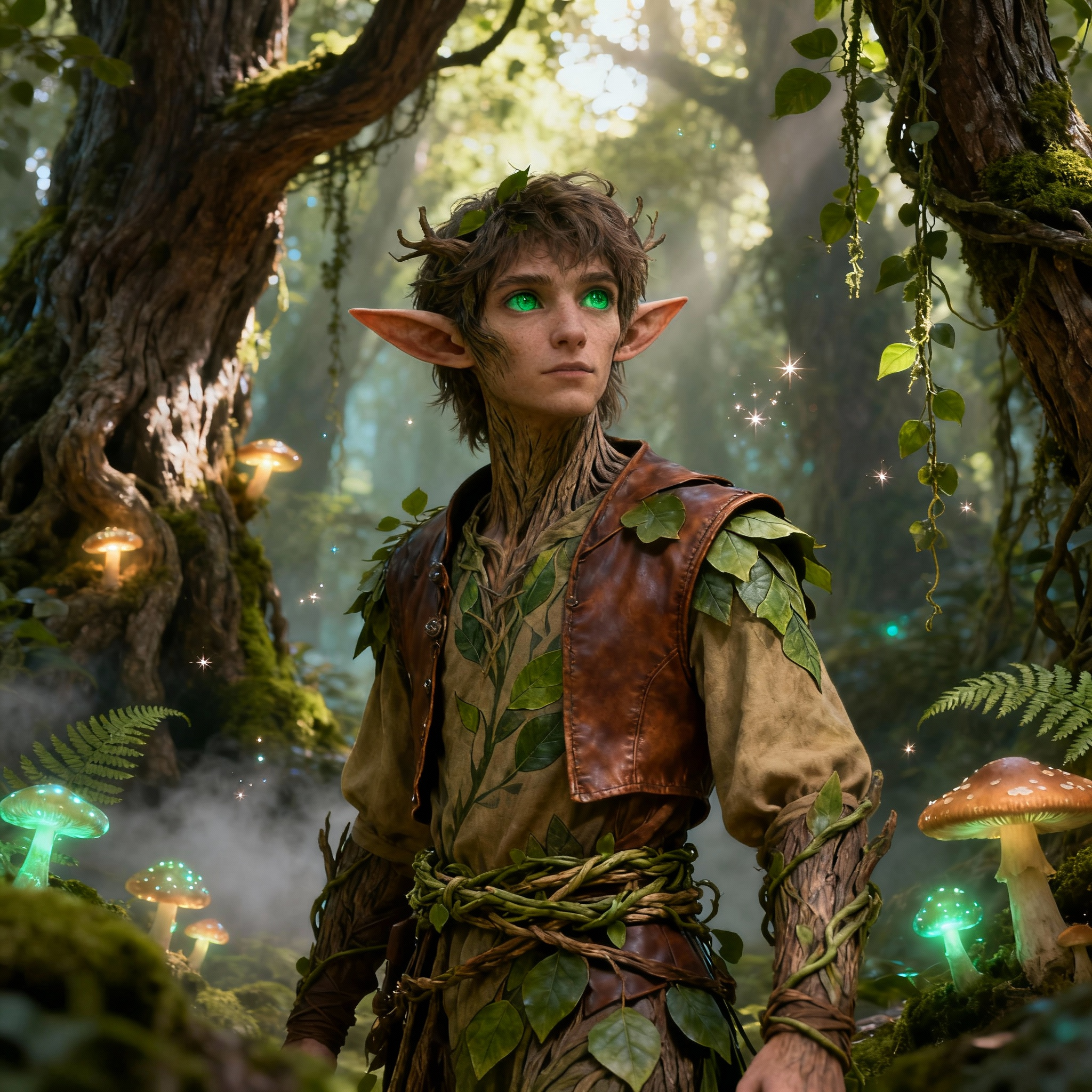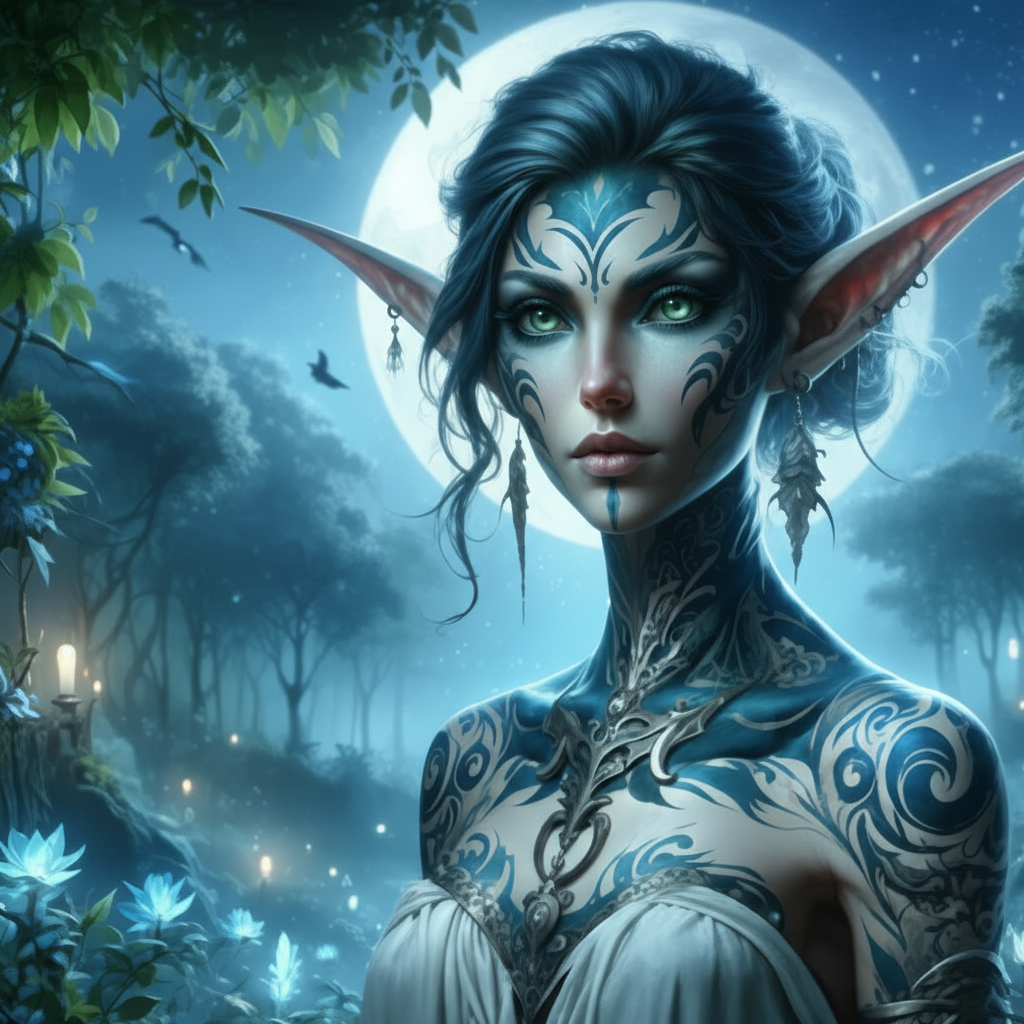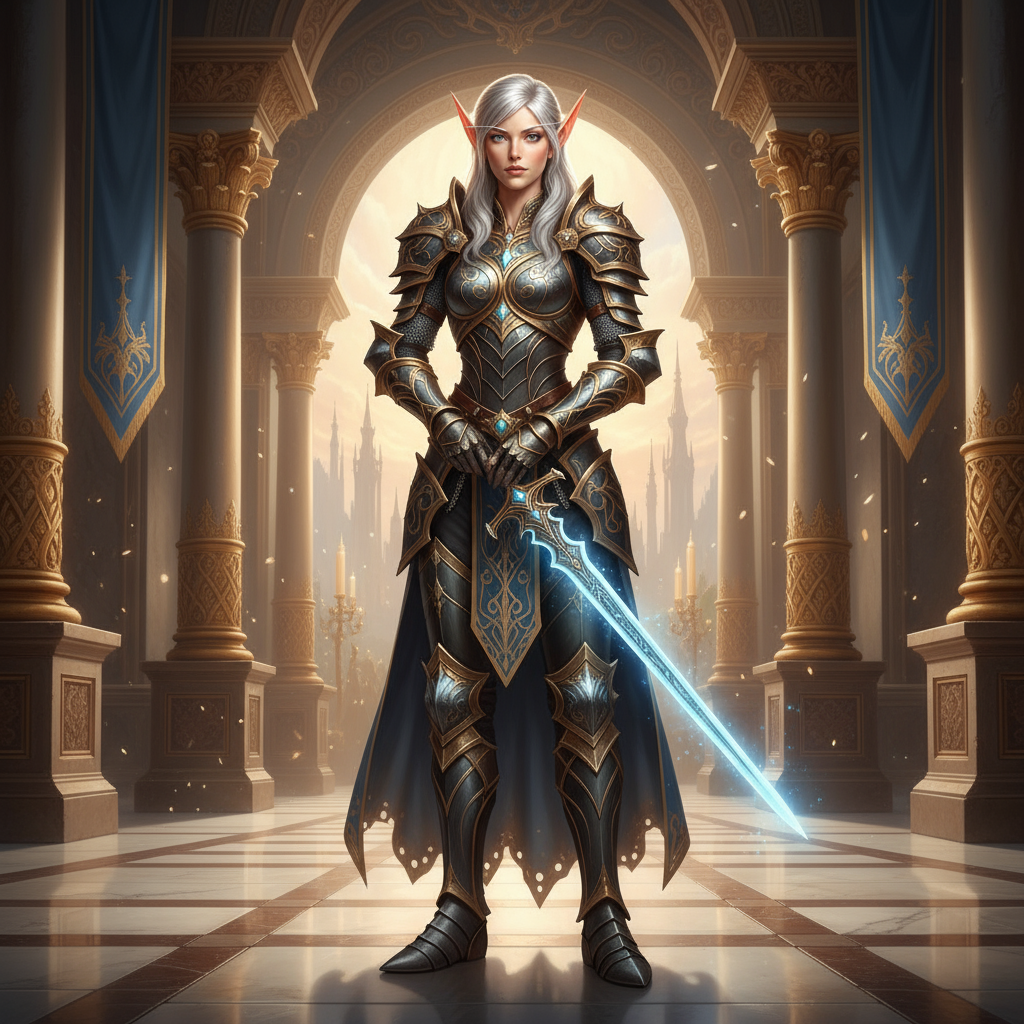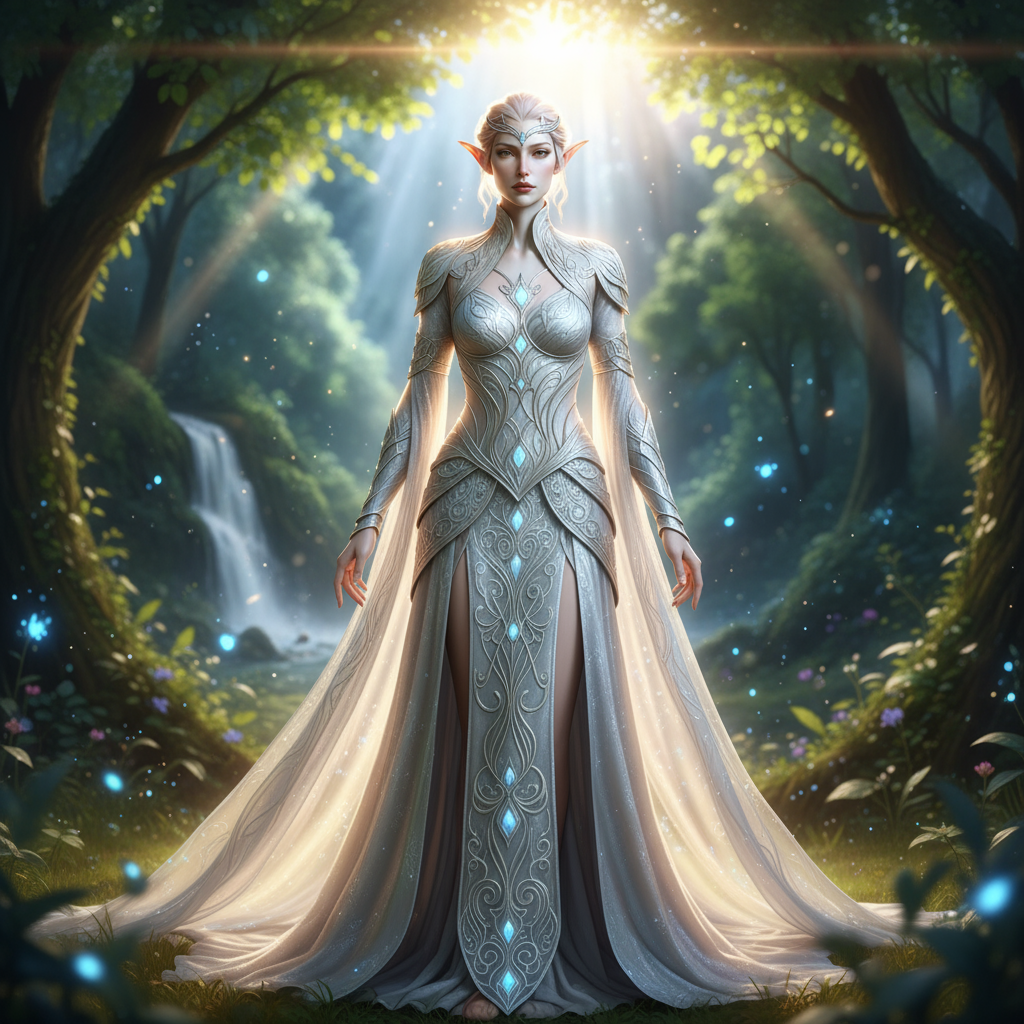
Half-Elf Name Generator
Bridge two worlds with our half-elf name generator! Create unique hybrid names great for DnD 5e, Pathfinder, or fantasy RPG characters torn between cultures.
Gender Preference
Generating magical names...
Craft Names for Characters Between Two Worlds
Half-elves occupy one of fantasy's most compelling narrative spaces—too human for elven society, too elvish for human acceptance. Their names carry the weight of this dual heritage, blending the lyrical elegance of elven phonetics with the grounded practicality of human naming traditions. Whether you're rolling up a diplomatic envoy for your next D&D campaign or designing a brooding ranger for Pathfinder, the right name establishes who your character is before they ever speak a word.
A half-elf name generator helps you navigate this delicate balance. These tools draw from both human and elven naming pools to create identities that reflect the complexity of existing between cultures. Some half-elves embrace names that honor their elven lineage—flowing, multisyllabic constructions with soft consonants. Others adopt human nomenclature as an act of pragmatic survival or personal rebellion. Many settle somewhere in the middle, creating hybrid identities that announce their mixed ancestry to anyone listening.
The Identity Crisis That Shapes Every Name
Half-elves in most fantasy settings don't have their own distinct naming conventions. According to established lore from both D&D and Pathfinder, they typically adopt either human or elven names depending on which culture raised them. This absence of a unique naming tradition isn't an oversight—it's a feature that reinforces their fundamental struggle for belonging.
The emotional weight of this choice runs deep. A half-elf raised among humans might receive an elvish name from well-meaning parents attempting to honor their heritage. Instead of feeling celebrated, that character grows up as a walking reminder that they don't quite fit. Every introduction becomes a small declaration: "I am other." Conversely, a half-elf given a purely human name like John or Sarah while living among elves faces constant questions about why they don't sound like what they appear to be.
This tension creates rich character development opportunities. Your half-elf rogue might have abandoned their birth name entirely, adopting a street alias that belongs to neither culture. A half-elf cleric could insist on using both names in every formal introduction—a public statement that they refuse to choose sides. The name becomes the first battleground where your character negotiates their place in the world.
Pathfinder source material describes half-elves as beings "caught between destiny and derision," often viewing themselves as "the middle children of the world." Their lack of a unified homeland forces them to remain versatile, adapting to whatever society they inhabit. This adaptability extends to their names, which shift and morph based on context and audience.
How Half-Elves Navigate Naming Traditions
The practical mechanics of half-elf naming follow predictable patterns, though individual characters subvert these norms constantly. Most half-elves receive names from the parent whose culture they'll be raised within. This creates an immediate irony—the human-raised half-elf often carries an elaborate elvish name like Anastrianna or Seltyiel, while their elf-raised counterpart answers to something mundane like Thomas or Margaret.
Elvish names tend toward the poetic and multisyllabic. They incorporate soft sounds, flowing vowels, and often reference natural phenomena or celestial bodies. Names like Caelynn ("innocent"), Naivara ("moonlight"), or Tharivol ("wise leader") carry meaning beyond simple identification—they're aspirational, describing qualities parents hope their children will embody. The Quenya and Sindarin linguistic roots that inform many elvish naming conventions prioritize euphony and symbolism over brevity.
Human names, by contrast, embrace simplicity and cultural specificity. A Calishite human might name their half-elf child Bardeid ("brave heart"), while Rashemi traditions could produce Immith ("powerful"). These names ground characters in specific geographic and cultural contexts within your campaign world. They're easier to pronounce, quicker to remember, and far less likely to require spelling out during tavern introductions.
Surnames add another layer of complexity. Elven family names often describe lineage through nature imagery—Oakenheart, Mistrivynn, Windriver. Human surnames evolved from occupations, locations, or patronymics—Smith, Hill, O'Connell. A half-elf might inherit either or create something entirely new when striking out on their own.
Using a Half-Elf Name Generator Effectively
A quality half-elf name generator offers more than random syllable combinations. The best tools provide options for customizing results based on your character concept and campaign needs.
Gender selection remains the most basic filter. While half-elf names don't rigidly adhere to gendered patterns the way some cultures do, certain phonetic tendencies appear. Female-coded names often feature softer endings (Elowyn, Lyria, Illyria), while male-coded options favor harder consonants (Riardon, Caladon, Thyrian). Many generators now include neutral or non-binary options, recognizing that fantasy naming conventions can transcend real-world gender norms.
Name length settings help match your character's personality and background. Short names (1-2 syllables) suggest characters who've simplified their identities for practical reasons. A half-elf scout operating in human settlements might shorten Thalindra to Thal. Medium-length names (2-3 syllables) balance memorability with elvish flavor—Erdan, Caelynn, Mival. Longer constructions (4+ syllables) signal characters who embrace or were forced to accept their elvish heritage fully.
Cultural emphasis sliders let you weight the generator toward human or elven influences. Set it heavily toward elven, and you'll receive names like Aelarion or Elyndra—clearly marking your character's fey ancestry. Lean human, and the generator produces Dorn or Katernin—names that help your character blend into mortal society. The middle ground yields true hybrids where neither influence dominates.
Syllable count controls fine-tune phonetic complexity. Single-syllable names (rare for half-elves) create memorable, punchy identities. Two to three syllables hit the sweet spot for most players—complex enough to feel fantastical without becoming tongue twisters. Four or more syllables work beautifully for noble characters or those raised in formal elven courts.
Prefix and suffix filters let you mandate specific beginnings or endings. Want your character's name to echo their elven mother's? Search for names starting with "El-" to invoke common elven prefixes. Need something that signals a specific regional human tradition? Filter for names ending in "-son" or "-dottir" for Norse-inspired patronymics.
The Stories Names Tell: Deep Dives into Meaning
Every name carries an embedded narrative. Examining specific examples reveals how the right choice can communicate volumes about your character's history, values, and internal conflicts.
Fiona MacLeod exemplifies a half-elf who leans fully into human cultural identity. "Fiona" derives from Gaelic roots meaning "fair" or "white"—a common human name across Celtic-inspired fantasy regions. The "Mac" prefix signals Scottish/Irish patronymic tradition: son or daughter of Leod. This naming structure tells us Fiona either grew up in Human Lands or made a deliberate choice to present herself as human-first. Perhaps her elven parent abandoned the family, leaving bitter feelings toward that heritage. Or maybe Fiona works as a spy, and the aggressively human name provides cover. The absence of any elvish elements speaks as loudly as their presence would.
Liam O'Connell follows similar logic but adds interesting texture. "Liam" means "strong-willed warrior" in Irish tradition—a name chosen for its meaning as much as its cultural weight. The "O'" prefix (meaning "descendant of") connects Liam to a human family lineage. Yet there's subtext here: why does a character with pointed ears and fey grace carry a name that emphasizes warrior strength? Perhaps Liam's human father was a soldier who raised him alone after his elven mother returned to her people. The name becomes both inheritance and challenge—can this half-elf live up to the martial expectations embedded in his identity?
Eärendil Starseeker swings in the opposite direction. This name drips with elvish ancestry and cosmic significance. "Eärendil" translates to "sea-lover" in Quenya, immediately evoking images of long voyages, distant horizons, and wanderlust. The surname "Starseeker" compounds this imagery—here's a character who looks upward and outward, never quite content with terrestrial concerns. This half-elf likely grew up among elves, absorbed their values, and perhaps struggles to understand human urgency and short-term thinking. The name signals someone caught between mortal shores and immortal dreams.
Caelynn Thornwood achieves true synthesis. "Caelynn" carries elvish phonetic patterns and means "innocent"—a quality often lost to half-elves as they navigate prejudice from both parent races. But "Thornwood" grounds the name with natural imagery common to both cultures. Thorns suggest protection, boundaries, wariness—qualities any half-elf develops quickly. Wood evokes forests where elves traditionally dwell, but also human settlements on woodland borders. This character's name announces their dual nature without apologizing for it or privileging one side over the other.
Building Backstory Through Nomenclature
Your character's name should connect directly to their personal history. The right name opens storytelling doors and creates hooks for your DM to pull.
Honoring (or rejecting) lineage represents the most straightforward approach. A half-elf who took their elven parent's surname signalsan attempted connection to that heritage. Did it work? Are they accepted in elven society, or does the name feel like costume jewelry—pretty but hollow? Conversely, a half-elf who abandoned their birth name for something self-chosen declares independence from both bloodlines. What happened to make that choice necessary?
Diplomatic bridges and bitter divides emerge through naming patterns. Half-elves raised to serve as ambassadors between human and elven populations might carry names deliberately constructed to appeal to both: Elara Brightwood, Lorandor Silverstream. These names sound pleasant in Common and Elvish alike, marking their bearers as professional middlemen. But what happens when diplomacy fails? Does the character resent being reduced to their hybrid status, forever the neutral party who belongs nowhere?
Names as armor or weapons offer rich character development. A half-elf who grew tired of explaining their complicated identity might adopt the most aggressively simple name available: "Jack." Just Jack. No surname, no explanation, no further questions. That blunt refusal to engage with identity politics tells its own story. Alternatively, a half-elf activist fighting for recognition of mixed-heritage individuals might deliberately choose an unpronounceable elvish name, forcing everyone they meet to slow down and engage with their complexity.
Nicknames and street names often matter more than birth certificates. Your character might introduce themselves formally as Elendilmir Starweaver at nobles' gatherings, but everyone at the tavern knows them as "Silver." These casual identities create space for characters to control how others perceive them, choosing which aspects of their heritage to emphasize in different contexts.
Common Questions About Half-Elf Names
Do half-elves have their own unique naming conventions?
No. Half-elves typically adopt naming traditions from either their human or elven parents' culture. This absence of distinct conventions reinforces their narrative role as beings caught between two worlds without a cultural home of their own.
Should I choose a human or elven name for my half-elf character?
Base this decision on your character's upbringing and personal identity. A half-elf raised in human lands will likely carry a human name, while those raised among elves often receive elven names. Some characters deliberately choose names from their non-raised culture as adults, making statements about where their loyalties lie.
Can half-elves change their names?
Absolutely. Name changes represent one of the most powerful tools half-elves have for asserting control over their identity. Characters might adopt new names when leaving home, joining organizations, or experiencing a significant personal transformation.
How do I pronounce complex Elvish names?
Most elvish names prioritize flowing, euphonic sounds. Emphasize vowels, soften consonants, and avoid harsh stops. When in doubt, say it slowly and let the syllables blend. Many players create simplified pronunciations for table use while keeping the "proper" version for character backstory.
Should half-elf surnames reflect both heritages?
They can, but don't have to. Some half-elves create hybrid surnames (Oakheart-Smith, Windriver O'Brien) to explicitly claim both backgrounds. Others stick with a single surname from whichever parent was more present in their life. A few reject family names entirely, adopting descriptive surnames based on deeds or personality.
Are there half-elf names that work for any gender?
Yes. Names like Caelynn, Elowyn, Thyrian, and Caladon see use across gender presentations in many campaigns. Fantasy settings often have more fluid gender-name associations than real-world cultures.
How important is name meaning in character creation?
Meaning adds depth but shouldn't constrain you. A name that sounds right for your character matters more than perfect semantic alignment with their personality. That said, researching name meanings can spark unexpected character development ideas.
Finding the Perfect Name for Your Character
The right half-elf name achieves several goals simultaneously. It sounds good when spoken aloud—a practical concern for tabletop sessions where you'll say it hundreds of times. It fits your character's background and personality without being on-the-nose. And it opens narrative possibilities rather than closing them down.
Start by identifying your character's relationship with their dual heritage. Are they proud of both lineages, resentful of one, or indifferent to the whole matter? This emotional foundation guides every subsequent choice. A character at peace with their mixed ancestry might choose a name that honors both sides equally. Someone bitter about never fitting in anywhere might select the most generic name imaginable as an act of quiet rebellion.
Consider your campaign's cultural context. A half-elf in a cosmopolitan trade city has different naming pressures than one in an isolated elven enclave or human frontier settlement. Urban characters can blend in more easily regardless of their name's origin. Rural characters face higher scrutiny and may choose names strategically to minimize conflict.
Test the name's memorability and pronounceability with your gaming group. If everyone struggles to say it correctly or remembers it, even the most meaningful name becomes a liability. Complexity has its place, but clarity matters more.
Use a half-elf name generator as a starting point, not a final destination. Generate twenty options, flag your favorites, then modify them to better fit your vision. Drop a syllable here, adjust a vowel there, substitute a consonant for better mouth feel. The generator provides raw material; your creative instincts shape it into something perfect for your character.
Step Into Two Worlds at Once
Half-elves embody one of fantasy's most enduring themes: the struggle to belong while honoring all parts of yourself. Their names—whether elegantly elven, pragmatically human, or defiantly hybrid—serve as the first introduction to characters navigating impossible choices about identity and loyalty.
The perfect half-elf name doesn't erase this tension. Instead, it embraces the complexity, using phonetics and cultural references to signal exactly who your character is and where they've been. Whether you're creating a silver-tongued bard who weaponizes their diplomatic heritage or a bitter sellsword who rejected both parent cultures, let your character's name tell the first chapter of their story.
Your half-elf doesn't need to choose between worlds. Their name can honor both, reject both, or forge something entirely new.