Dark Elf Name Generator
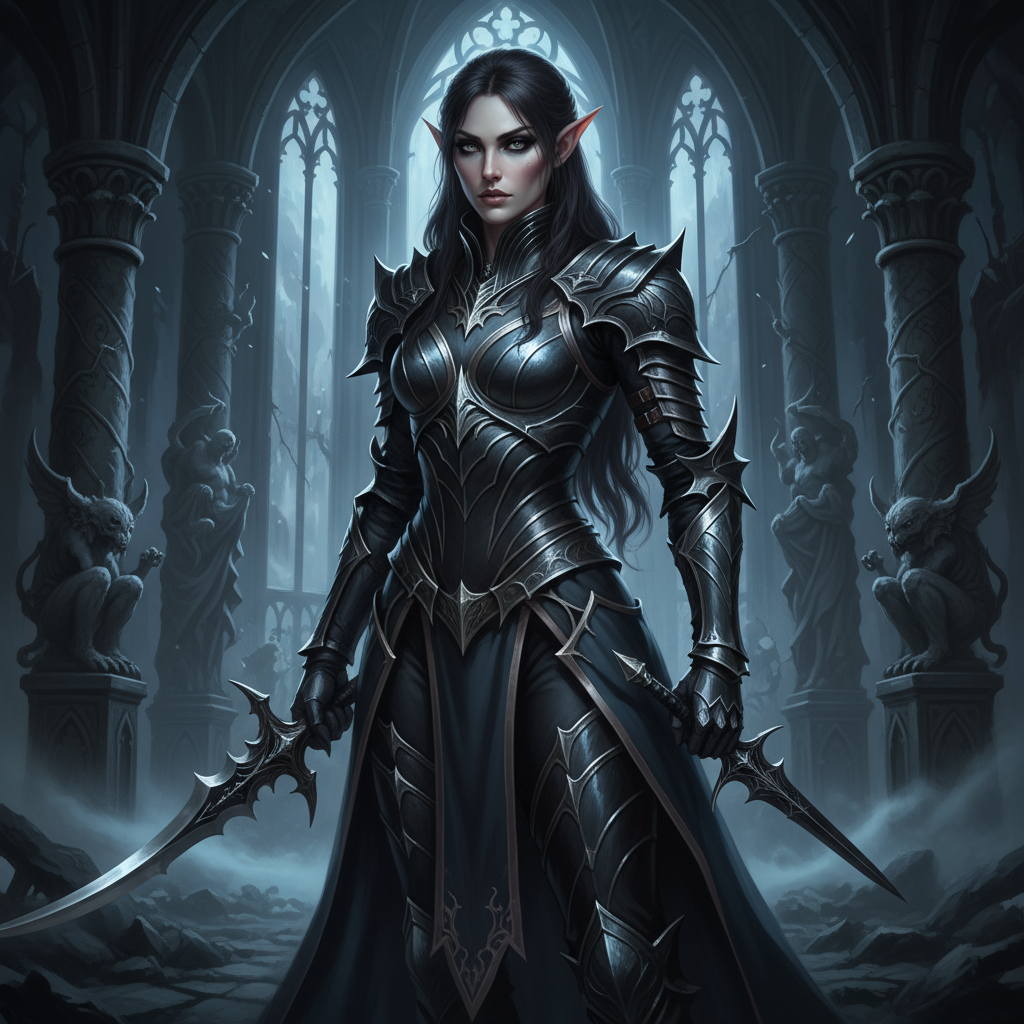
Descend into the Underdark with our dark elf name generator! Forge Drow names perfect for DnD 5e, Pathfinder campaigns, or Forgotten Realms adventures.
Gender Preference
Generating magical names...
Create Authentic Drow & Dunmer Names
Whether you're building a shadowy rogue for your next D&D campaign, crafting a Dunmer mage in Skyrim, or developing a character for Pathfinder, choosing the right dark elf name can transform your roleplay experience. Dark elves—known as Drow in Dungeons & Dragons and Dunmer in The Elder Scrolls—carry names that echo their mysterious origins, complex cultures, and the shadowy realms they inhabit.
This guide explores the rich history behind dark elf naming conventions, from ancient Norse mythology to modern fantasy gaming. You'll discover how to craft authentic names that capture the essence of these enigmatic beings, understand the linguistic patterns that make dark elf names distinctive, and learn how to use a dark elf name generator to create the perfect moniker for your character.
The Origins of Dark Elves: From Dökkálfar to Drow
Norse Mythology: The Dökkálfar
Dark elves trace their roots to Norse mythology, where they were known as Dökkálfar or Svartálfar. According to Snorri Sturluson's Prose Edda, written in the 13th century, these beings dwelled in Svartálfheim, a dark underground realm that stood in stark contrast to Álfheimr, the bright home of the light elves (Ljósálfar).
The Dökkálfar were described as having a complexion "darker than pitch," embodying the very essence of shadow and night. Unlike their luminous counterparts, these elves were associated with the earth, darkness, and hidden knowledge. While Christian influence later aligned them with concepts of evil and malevolence, their original Norse portrayal was more nuanced—they represented the necessary balance between light and darkness in the cosmos.
The Evolution in Modern Fantasy
The transformation of dark elves from Norse mythology to modern gaming owes much to the creative interpretations of fantasy authors and game designers:
Dungeons & Dragons (1970s-present): Gary Gygax and others developed the Drow, a sophisticated dark elf society dwelling in the Underdark. R.A. Salvatore's iconic character Drizzt Do'Urden brought Drow culture to life, showcasing their complex social hierarchies, devotion to the spider goddess Lolth, and internal struggles between tradition and morality.
The Elder Scrolls (1994-present): Bethesda created the Dunmer (literally "Dark Elves" in their Aldmeris language), giving them ash-grey skin, red eyes, and a proud culture centered in Morrowind. Unlike the typically evil Drow, Dunmer occupy a morally complex space with rich cultural traditions.
Pathfinder: Initially featured Drow similar to D&D, but following the Pathfinder Second Edition Remaster Project, dark elves were retroactively removed from official Pathfinder lore, with locations like Zirnakaynin becoming haunted ruins shrouded in mystery.
Understanding Dark Elf Cultures
Drow Society (Forgotten Realms)
Drow culture in Dungeons & Dragons presents one of fantasy's most intricate social structures:
Matriarchal Hierarchy: Drow society revolves around powerful matron mothers who lead noble houses. These priestesses of Lolth wield both divine magic and political power, making house politics a deadly game of intrigue and assassination.
Noble Houses: Cities like Menzoberranzan are dominated by noble houses that compete ruthlessly for position and favor. Major houses include Baenre (the First House), Barrison Del'Armgo, and the infamous Do'Urden house. Each house maintains its own armed forces, trade interests, and alliances.
Language and Communication: Drow speak Deep Drow (also called Low Drow or Drowic), with each isolated community maintaining its own dialect. High Drow, a more complex runic language, is reserved for priestesses and nobles. Additionally, Drow Sign Language allows silent communication in the dangerous Underdark.
Dunmer Culture (The Elder Scrolls)
The Dunmer of Morrowind represent a different dark elf tradition:
Great Houses: Dunmer society is organized into Great Houses (Redoran, Hlaalu, Telvanni, Indoril, Dres) that control different regions and aspects of society. Each house has distinct philosophies and traditions.
Naming Patterns: Dunmer names follow consistent patterns with recognizable prefixes and suffixes. Early games used simple combinations (12 prefixes + 12 suffixes for males), but later entries introduced more complex naming conventions reflecting family lineage and cultural heritage.
Ancestral Worship: Many Dunmer surnames are associated with Ancestral Tombs, indicating ancient family lines. Names like Hlaalu, Redoran, and Telvanni immediately signal house affiliation and social standing.
The Anatomy of Dark Elf Names
Phonetic Characteristics
Dark elf names across different fantasy settings share several distinctive features:
Sibilant Sounds: The frequent use of 'S', 'Z', and 'Th' creates a hissing quality that evokes both serpentine cunning and whispered secrets. Examples include Zirnakaynin, Szith Morcane, and Sshamath.
Liquid Consonants: 'L' and 'R' sounds add fluidity and elegance, preventing names from becoming too harsh. Names like Lloth, Drizzt, and Liriel demonstrate this balance.
Apostrophes and Compound Elements: Many dark elf names feature apostrophes (Do'Urden, Fey-Branche) or complex compound structures (Xorlarrin, Barrison Del'Armgo) that suggest linguistic sophistication.
Guttural Endings: Suffixes like -ar, -ik, -on, -dra, and -ath give names weight and authority. Consider Malthyr, Faendal, or Neloth.
D&D Drow Naming Conventions
Drow names in Dungeons & Dragons follow specific patterns that reflect their culture:
Prefixes with Meaning:
- Akor (beloved)
- Alaun (lightning)
- Driz (dreaming)
- Jar (ambitious)
Suffixes with Significance:
- -da (illusionist)
- -dra (lover)
- -cyrl (ally)
- -stra (spider)
Example Male Names: Drizzt Do'Urden (dreaming rogue), Jarlaxle Baenre (ambitious spider), Zaknafein (silent blade), Pharaun Mizzrym
Example Female Names: Malice Do'Urden, Qilué Veladorn, Liriel Baenre, Yvonnel Baenre
House Names: Drow house names often combine harsh consonants with flowing elements: Baenre, Oblodra, Xorlarrin, Mizzrym, Duskryn, Hunzrin, Shobalar
Dunmer Naming Patterns
The Elder Scrolls' Dunmer follow different conventions:
Common Male Prefixes: Azar, Cas, Ereb, Hel, Nis, Shal, Shur, Tur, Ul, Vanik, Zan, Zir
Common Male Suffixes: -ain, -ath, -far, -ien, -ik, -il, -imal, -imar, -kan, -on, -par, -seth
Example Male Names: Azarain (enduring flame), Neloth, Divayth Fyr, Teldryn Sero, Brelyna Maryon
Common Female Prefixes: Cru, Dem, Golg, Hek, Lil, Lol, Neph, Shel, Sher, Tab, Vayn, Verm
Common Female Suffixes: -atah, -elle, -ethys, -iah, -inah, -ith, -ithah, -ivah, -obah, -onah, -othah, -th
Example Female Names: Lolith, Nephithah, Almalexia, Vivec, Sotha Sil
House Surnames: Many Dunmer carry house surnames that indicate family lineage: Hlaalu, Redoran, Telvanni, Dres, Indoril, Sadras, Dagoth
How to Use a Dark Elf Name Generator
Choosing Your Setting
Before generating names, consider which fantasy universe your character inhabits:
For D&D 5e and Forgotten Realms: Focus on Drow names with harsher consonants, apostrophes, and meanings tied to darkness, spiders, or underground life. Consider house affiliations if your character comes from Menzoberranzan or another major city.
For Skyrim/ESO: Select Dunmer names that follow Elder Scrolls conventions. These typically have a more structured prefix-suffix pattern and may include Great House surnames.
For Pathfinder: While official Pathfinder dark elves have been retconned, you can adapt either D&D Drow or create your own dark elf culture using elements from both traditions.
For Generic Fantasy: Mix and match conventions to create unique names that fit your world's specific lore.
Generator Features to Look For
An effective dark elf name generator should offer:
Gender Options: Separate male and female name generation, as dark elf naming conventions often differ by gender.
Length Control: Options for short (1-2 syllables), medium (3-4 syllables), or long (5+ syllables) names to match different character concepts.
Cultural Filters: Settings to generate specifically Drow names, Dunmer names, or generic dark elf names.
Meaning Integration: Some generators provide meanings or etymological hints for generated names, adding depth to your character.
Customization Options: Advanced generators let you specify starting letters, ending patterns, or exclude certain sounds.
Tips for Selecting the Perfect Name
Consider Your Character's Background:
- Noble characters might have longer, more elaborate names
- Outcasts or rebels might adopt shorter, simpler monikers
- Characters from powerful houses should incorporate appropriate surnames
Match Name to Class:
- Rogues and assassins: Sharp, quick names with sibilants (Ssz'ik, Xyndra)
- Mages and wizards: Complex, scholarly-sounding names (Pharaun, Gromph)
- Warriors: Strong, harsh names with guttural sounds (Dantrag, Uthegental)
- Clerics: Names incorporating religious elements (Lloth, Vhaeraun)
Test Pronunciation: Say the name out loud several times. If you stumble over it repeatedly, your fellow players will too. A good dark elf name should be pronounceable yet distinctive.
Check for Unintended Meanings: Search your generated name online to ensure it doesn't accidentally mean something inappropriate in another language or reference something unintended.
Consider Nicknames: Long formal names often have shorter nicknames. Drizzt Do'Urden goes by "Drizzt," while Jarlaxle Baenre is simply "Jarlaxle."
Deep Dive: Name Meanings and Etymology
Symbolic Elements in Dark Elf Names
Dark elf names aren't random combinations of sounds—they carry cultural weight and meaning:
Shadow and Darkness: Many names reference night, shadows, or darkness: Drizzt (dreaming), Nimue (enigmatic sorceress), Vornal (nocturnal wanderer)
Nature Elements: Despite living underground, dark elves often reference natural phenomena: Alaun (lightning), Azarain (enduring flame), Nephiah (whispering wind)
Weapons and Combat: Martial prowess is honored: Zaknafein (silent blade), Ryltar (duskenblade), Ziraxle (twilight trickster)
Magic and Mystery: Arcane power features prominently: Demethys (mysterious enchantress), Eclavina (chaos adept), Shyntlara (dark priestess)
Spider Imagery: Particularly in Drow culture: Jhaelstra (ambitious spider), Llothien (moonlit seductress, referencing Lolth)
House Name Meanings
Drow house names often reveal something about the family's character or history:
House Baenre: The most powerful house in Menzoberranzan, ruling for millennia. The name suggests permanence and dominance.
House Oblodra: Known for psionic abilities, destroyed by Lolth herself during the Time of Troubles. The name's harsh sounds reflect their unconventional power.
House Do'Urden: A minor noble house from which Drizzt hailed. The apostrophe and flowing sounds give it an ancient, prestigious quality despite the house's lower rank.
House Xorlarrin: Master wizards and creators of Gauntlgrym's successor city. The X-beginning immediately signals uniqueness and arcane power.
Creating Names for Different Character Archetypes
The Noble Matron Mother
For female drow priestesses and house leaders:
- Use longer, more elaborate names (3-4 syllables)
- Incorporate softer sounds alongside harsh consonants
- Consider adding titles: Matron Mother Yvonnel Baenre
Examples: Quenthel Baenre, Triel Baenre, Malice Do'Urden, Eclavdra
The Warrior Champion
For weapons masters and house soldiers:
- Shorter, punchier names (1-2 syllables)
- Emphasize hard consonants and guttural sounds
- Keep them easy to shout in battle
Examples: Dantrag Baenre, Uthegental Armgo, Berg'inyon Baenre, Zaknafein
The Cunning Rogue
For scouts, assassins, and spies:
- Medium length with sibilants
- Names that seem to slip off the tongue
- Often incorporates meanings related to shadows or stealth
Examples: Jarlaxle Baenre, Entreri (though human, exemplifies the aesthetic), Valas Hune, Xyndra
The Arcane Scholar
For wizards and sorcerers:
- Complex, scholarly-sounding names
- Often 3-4 syllables
- May include unusual letter combinations
Examples: Pharaun Mizzrym, Gromph Baenre, Halisstra Melarn, Quenthel Baenre
The Outcast Ranger
For surface-dwelling dark elves or exiles:
- May retain traditional structure but with slightly simpler pronunciation
- Sometimes adopt Common names or nicknames
- Reflect independence from house politics
Examples: Drizzt Do'Urden, Liriel Baenre, Fyodor (adopted name), Valas Hune
The Dunmer Mage (Elder Scrolls)
For TES magic-users:
- Follow Dunmer prefix-suffix patterns
- Consider Great House affiliations
- Often includes scholarly or arcane implications
Examples: Divayth Fyr, Neloth, Gothren, Baladas Demnevanni
FAQs About Dark Elf Names
Q: What's the difference between Drow and Dunmer?
A: Drow and Dunmer are dark elves from different fantasy universes. Drow appear in Dungeons & Dragons (particularly Forgotten Realms), with ebony skin and white hair, living in matriarchal underground societies devoted to Lolth. Dunmer are from The Elder Scrolls, featuring ash-grey skin and red eyes, with a culture centered in Morrowind organized into Great Houses. Their naming conventions, languages, and cultural practices differ significantly.
Q: Are dark elves always evil?
A: No. While D&D Drow society is traditionally portrayed as evil and devoted to the chaotic evil goddess Lolth, individual Drow like Drizzt Do'Urden and Jarlaxle demonstrate that members of this species can choose different paths. The Elder Scrolls' Dunmer are not inherently evil—they're a morally complex people with their own ethical frameworks. In Norse mythology, the Dökkálfar weren't necessarily evil, just associated with darkness and earth.
Q: How do I pronounce Drow?
A: According to official Forgotten Realms sources, "Drow" rhymes with "how" and "cow," not "grow." The pronunciation is established in the 2nd edition boxed set adventure "Beneath the Twisted Tower."
Q: Can I use apostrophes in dark elf names?
A: Yes, apostrophes are common in both Drow and some Dunmer names, indicating compound elements or linguistic breaks. Examples include Do'Urden, Fey-Branche, and various house names. However, not every dark elf name requires an apostrophe—use them purposefully rather than randomly.
Q: Should my character's name reflect their house?
A: In D&D Drow culture, yes—house names are essential identifiers of status and allegiance. The format is typically [Personal Name] [House Name]: Drizzt Do'Urden, Jarlaxle Baenre. For Dunmer, Great House surnames (Hlaalu, Redoran, Telvanni) indicate political affiliation, though not all Dunmer belong to Great Houses.
Q: How long should a dark elf name be?
A: This depends on the character's role and importance. Noble characters often have longer, more elaborate names (Quenthel Baenre), while soldiers or commoners might have shorter names (Berg'inyon, Valas). As a rule, 2-4 syllables work well for most characters, with important NPCs potentially having longer names.
Q: Can I mix Drow and Dunmer naming conventions?
A: If you're creating a character for a homebrew setting or generic fantasy world, absolutely! However, if you're playing in an established setting (Forgotten Realms, Tamriel), stick to that setting's conventions to maintain consistency with existing lore.
Q: What if I want a dark elf name that doesn't sound typically "evil"?
A: Choose names with softer sounds, fewer harsh consonants, and meanings related to nature or positive qualities rather than darkness. Names like Liriel (musical), Merise (pleasant), or Valenri (graceful) maintain dark elf phonetics while avoiding sinister connotations.
Forge Your Dark Elf Legacy
Whether you're descending into the Underdark with a Drow mercenary, exploring the ashlands of Morrowind as a Dunmer mage, or creating an entirely new dark elf culture for your homebrew campaign, the right name brings your character to life. A well-chosen name doesn't just identify your character—it tells their story, hints at their history, and sets expectations for roleplay.
The linguistic patterns of dark elf names—those sibilant hisses, liquid consonants, and guttural endings—create a distinctive soundscape that immediately transports players to shadow-drenched realms. By understanding the cultural contexts behind Drow and Dunmer naming conventions, you can craft names that feel authentic and meaningful rather than random.
Remember that the best names balance memorability with authenticity. Your fellow players should be able to pronounce your character's name after hearing it a few times, yet it should still feel distinctly dark elvish. Don't be afraid to generate dozens of options, mix and match elements, or modify generated names until you find the perfect fit.
Ready to create your perfect dark elf identity? Use a dark elf name generator to explore thousands of possibilities, combining ancient linguistic traditions with modern fantasy sensibilities. Whether you're building a noble matron mother, a deadly assassin, a scholarly wizard, or a rebellious ranger, your character's name is the first step in their epic journey through shadow and intrigue.