English Name Generator
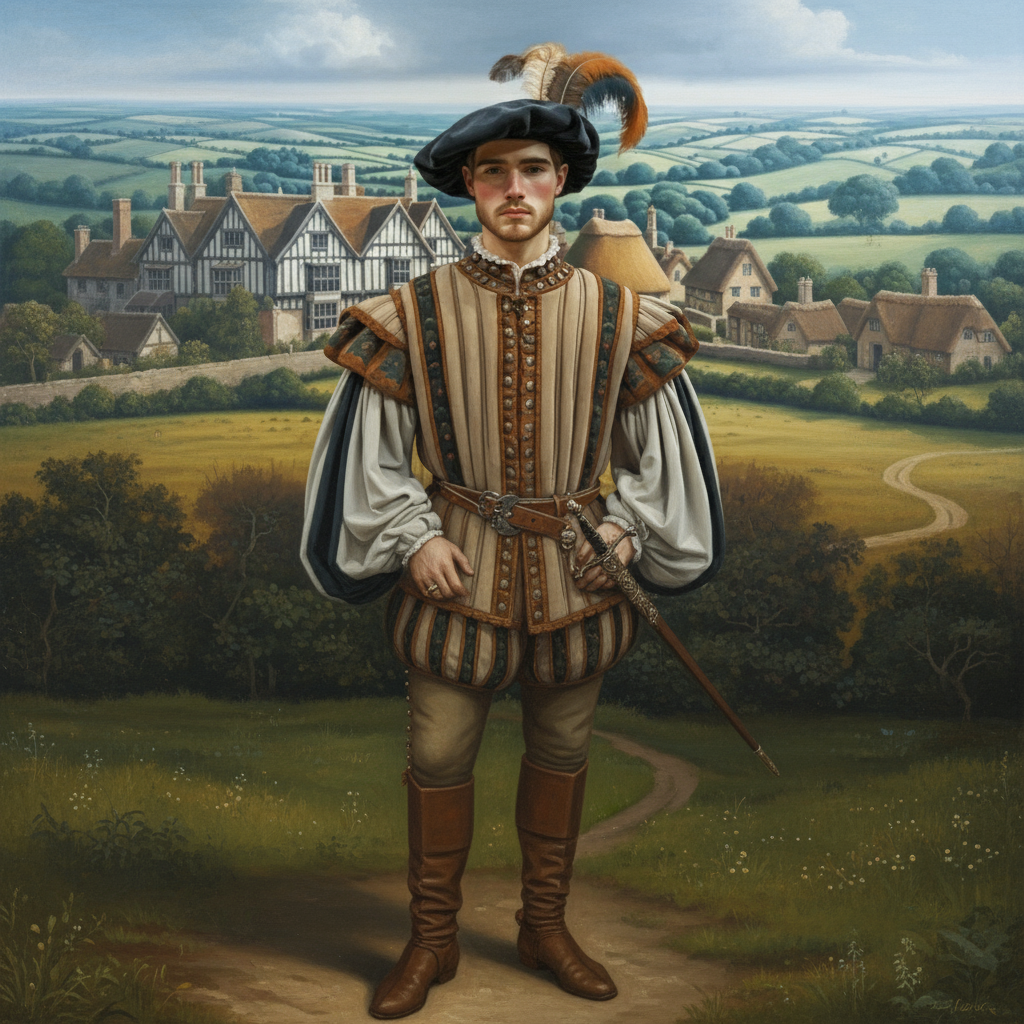
Rule with nobility using our English name generator! Generate medieval aristocrat names perfect for fantasy kingdoms, Arthurian legends, or royal court campaigns.
Gender Preference
Generating magical names...
Find Your Perfect English Name: A Complete Guide
Choosing the right name is more than picking something that sounds nice. Names carry history, meaning, and cultural weight that can shape how we see ourselves and how others perceive us. An English name generator offers a modern solution to this age-old challenge, combining centuries of linguistic tradition with the convenience of AI-powered tools.
English names draw from a rich tapestry of influences—Anglo-Saxon warriors, Norman nobles, Celtic poets, and Norse explorers all left their mark on the names we use today. Understanding these origins helps you make informed choices, whether you're selecting a name for a character in your novel, choosing a professional alias, or exploring names for a newborn.
This guide explores how English name generators work, examines the cultural roots of popular names, and provides practical strategies for finding a name that truly resonates with your identity and heritage.
How the English Name Generator Works
Modern name generators use sophisticated algorithms to create authentic English names based on your specific preferences. The process begins with selecting basic parameters like gender preference (male, female, or any), which filters the database to show relevant options.
Advanced features let you refine your search further. You can specify name length (short, medium, or long), choose the number of syllables, or even set starting and ending letters. These filters help narrow thousands of possibilities into a manageable selection.
Behind the scenes, these tools draw from extensive databases of historical records, census data, and linguistic patterns. The best generators don't just randomly combine letters—they analyze phonetic structures, cultural contexts, and historical usage to produce names that sound natural and feel authentic.
Some generators also incorporate meaning-based searches, allowing you to find names associated with specific traits or characteristics. Want a name that suggests strength? The tool can filter for names with etymologies related to power, protection, or courage.
Deep Dive Into Cultural Origins
Irish Names: Tales of Warriors and Saints
Irish names carry the melodic quality of Gaelic, shaped by centuries of Celtic tradition and early Christian influence. Names like Liam—the Irish short form of William—exemplify this heritage. Liam derives from the Germanic name Willehelm, meaning "will helmet" or "helmet of protection," composed of the elements willo (will, desire) and helm (helmet, protection). The name became popular in Ireland and has since topped baby name charts worldwide.
Fiona represents another fascinating Irish contribution. The name was first used by Scottish poet James Macpherson in his 1761 poem Fingal. It's a feminine form of Fionn, derived from Scottish Gaelic meaning "white" or "fair." While some sources connect it to a Gaelic word for wine, the color association remains most common.
Scottish Names: Highland Heritage
Scottish names blend Gaelic roots with Norse and Norman influences from centuries of migration and conquest. Many Scottish surnames follow patronymic patterns—naming conventions that indicate family lineage.
MacLeod exemplifies this tradition. The name is an Anglicized form of Scottish Gaelic Mac Leòid, meaning "son of Leòd." The "Mac" prefix (Gaelic for "son") appears throughout Scottish naming customs. Leòd itself derives from the Old Norse personal name Liótr, interestingly meaning "ugly"—a common Norse name despite its unflattering translation.
The Clan MacLeod traces its origins to Leòd, who was born around 1200. His sons became known as MacLeod, establishing one of Scotland's major Highland clans. Dunvegan Castle has served as the clan's seat since Leòd's time, representing centuries of continuous family history.
Welsh Names: Poetry in Sound
Welsh names showcase the beauty of the Celtic language, with distinct phonetic patterns that set them apart from other English names.
Bronwen (also spelled Bronwyn in some modern variants) derives from Welsh elements bron (breast) and gwen (white, blessed). The name has been used in Wales since the 19th century, though it gained broader recognition through Richard Llewellyn's 1939 novel How Green Was My Valley.
It's worth noting that -wen endings indicate feminine names in Welsh, while -wyn endings traditionally appear in masculine names. The modern spelling Bronwyn, popular in the United States, technically represents a masculine form grammatically, though it's now used for girls—a shift in usage that reflects evolving naming conventions.
Understanding Patronymic Surnames
Patronymic surnames—those indicating "son of" or "descendant of" a particular ancestor—form a crucial part of English naming heritage. Different cultures use distinct prefixes to signal these family relationships.
The Irish Ó Prefix
In Irish surnames, Ó (sometimes anglicized as O') means "descendant of." O'Connell, for instance, is the Anglicized form of Gaelic Ó Conaill, meaning "descendant of Conall." The personal name Conall likely combines con (genitive of cú, meaning hound or wolf) with gal (valor). Early Irish chieftains and warriors bore this name, including the Ulster hero Conall Cearnach.
The prefix was widely dropped during the 18th century when Gaelic culture faced suppression, but many families resumed using it from the 1890s onward as part of cultural revival movements.
The Scottish and Irish Mac Prefix
Mac in Scottish and Irish Gaelic means "son." According to Britannica, it's equivalent to the Anglo-Norman Fitz and the Welsh Ap. The prefix appears in countless surnames, from MacDonald to MacKenzie.
Gaelic-speaking regions were among the earliest to adopt hereditary surnames, with their introduction in Ireland dating from the 10th century. Initially, Mac simply indicated direct parentage—Domhnall Mac Gormain meant "Domhnall, son of Gorman." Only later did these patronymics become fixed family surnames passed down through generations.
The Welsh Ap Prefix
Welsh patronymic surnames traditionally used Ap (formerly Map), meaning "son of." Davies represents a patronymic equivalent to Welsh ap Dafydd, meaning "Dafydd's son" (Dafydd being the Welsh form of David). The name is especially numerous in South Wales and likely shows the influence of Davy, the common English form of David, in the late medieval and early modern periods.
The Significance of Name Meanings
Names aren't just identifiers—they carry symbolic weight through their meanings and associations. Understanding these meanings adds depth to your naming choices.
Names Suggesting Strength and Protection
Many English names derive from words related to power, defense, or martial prowess. William (and its derivative Liam) embodies this through its "will helmet" meaning, suggesting both determination and protection. The name's popularity among English kings reinforced these associations of strength and leadership.
Names like Charles (meaning "free man"), Richard (meaning "brave ruler"), and Harold (meaning "army ruler") similarly project strength and authority.
Names Indicating Fairness and Light
Other names emphasize qualities like beauty, fairness, or luminosity. Fiona's connection to "white" or "fair" places it in this category, alongside names like Blanche (French for "white"), Alba (Latin for "white"), and Clara (Latin for "bright" or "clear").
These color associations often carried deeper symbolic meaning in medieval contexts, with white suggesting purity, nobility, or spiritual enlightenment.
Names Reflecting Valor and Heritage
The Irish surname O'Connell, with its roots in con (hound/wolf) and gal (valor), exemplifies names that combine animal symbolism with warrior virtues. Wolves and hounds represented fierce loyalty, hunting prowess, and protective instincts in Celtic culture.
Similar animal-based names include Arden (meaning "eagle valley"), Griffin (mythical creature combining eagle and lion), and Lowell (meaning "little wolf").
Practical Tips for Selecting Your English Name
Consider Your Purpose
Different contexts call for different naming approaches. A character name for historical fiction demands period accuracy, while a gaming alias might prioritize uniqueness over authenticity. Professional pen names often balance memorability with appropriate tone for your genre.
Define your purpose before exploring options. This clarity helps you make faster, more confident decisions when faced with hundreds of possibilities.
Explore Less Common Options
Popular names like James, Emma, or Oliver have undeniable appeal, but less common choices can set you apart. Look beyond the top 100 lists to discover names with similar sounds or meanings that haven't reached oversaturation.
Names like Caspian, Evangeline, or Thaddeus offer distinctive alternatives while maintaining classic English qualities. Many name generators let you filter by popularity, helping you find hidden gems.
Test Pronunciation and Spelling
A beautiful name on paper can become frustrating if people constantly mispronounce or misspell it. Say your top choices aloud. How do they sound in full (first and last together)? Do they create awkward alliterations or unintended meanings?
Consider nicknames, too. Most formal names naturally shorten—Elizabeth becomes Liz, Elizabeth, or Beth. Make sure you're comfortable with the likely shortened versions.
Research Cultural Context
If you're drawn to names from specific cultural traditions, take time to understand their proper usage. Some names carry religious significance, while others might be traditionally reserved for particular occasions or family roles.
Using names respectfully means acknowledging their origins and avoiding appropriation. When in doubt, research the name's history and consult members of that cultural community.
Balance Tradition and Individuality
The best names often strike a balance between honoring heritage and expressing individual identity. You might choose a traditional first name paired with a more unique middle name, or vice versa.
Family names can be honored through middle names, allowing you to maintain connections to ancestry while giving yourself (or your character) a fresh identity.
Use Name Generators as Starting Points
Don't expect a name generator to serve up the perfect choice on the first try. Instead, use it to spark ideas and explore combinations you wouldn't have considered. Generate multiple lists, note the options that catch your eye, then research their meanings and histories more deeply.
The best naming decisions come from informed choice, not algorithmic randomness.
Frequently Asked Questions
What makes a name "English"?
English names encompass those with Anglo-Saxon, Norman French, Celtic (Irish, Scottish, Welsh), Latin, Greek, and Norse origins that have become established in English-speaking countries. The English language absorbed influences from successive waves of migration and conquest, creating a diverse naming tradition that continues to evolve.
How do I know if a name's meaning is accurate?
Verify name meanings through reputable sources like Behind the Name, Oxford University Press references, or academic etymology resources. Many online name lists perpetuate inaccurate meanings, so cross-reference multiple scholarly sources before settling on a definition.
Can I use a surname as a first name?
This practice has become increasingly common, particularly in American naming culture. Surnames like Cooper, Hunter, Harper, and Taylor now frequently appear as first names. Consider whether the surname-as-first-name carries any unintended cultural baggage or sounds natural in your specific context.
What's the difference between Mac and Mc in surnames?
Despite common misconceptions, Mac and Mc are simply variant spellings of the same Gaelic prefix meaning "son." Neither is exclusively Scottish or Irish—both appear in surnames from both countries. Mc is simply an abbreviation of Mac, as is the now-obsolete M'.
How do I choose between similar name variants?
Consider factors like cultural authenticity, ease of spelling, and personal preference. Catherine versus Katherine, for instance, involves choosing between French-influenced and Greek-influenced spellings. Both are valid; your choice might depend on family heritage, aesthetic preference, or which spelling appears in names you admire.
Are there gender-neutral English names?
Many English names work across genders, including Blake, Riley, Jordan, Cameron, and Quinn. Additionally, traditionally gendered names increasingly cross over—Ashley and Leslie were once masculine names, while names like James and Ryan now see some feminine usage. Cultural attitudes toward gendered naming continue to shift.
How can I find names from specific historical periods?
Historical name databases, period-specific fiction, and genealogical records offer authentic examples. Medieval English names differ significantly from Victorian-era choices, which in turn differ from contemporary options. Research the specific time period you're interested in to ensure appropriate choices.
Should meaning or sound take priority when choosing a name?
Both matter, but in different ways. A name with beautiful meaning but awkward pronunciation won't serve you well in daily use. Conversely, a pleasant-sounding name with a meaning that bothers you might create subtle discomfort. Ideally, find options where both elements align.
Leveraging AI for Meaningful Name Discovery
An English name generator transforms the daunting task of exploring thousands of names into an efficient, focused process. By combining historical databases with intelligent filtering, these tools help you discover options that align with your specific needs.
The key is approaching name generators as collaborative tools rather than decision-makers. Use them to expand your horizons, expose you to names you hadn't considered, and provide the raw material for your own informed choice. The perfect English name exists at the intersection of sound, meaning, cultural resonance, and personal connection—and with the right tools and knowledge, you can find it.
Whether you're seeking a name that honors Irish heritage, evokes Scottish strength, captures Welsh lyricism, or simply sounds distinctively English, understanding the rich history behind these names empowers you to make choices with confidence and authenticity.