Celtic Name Generator
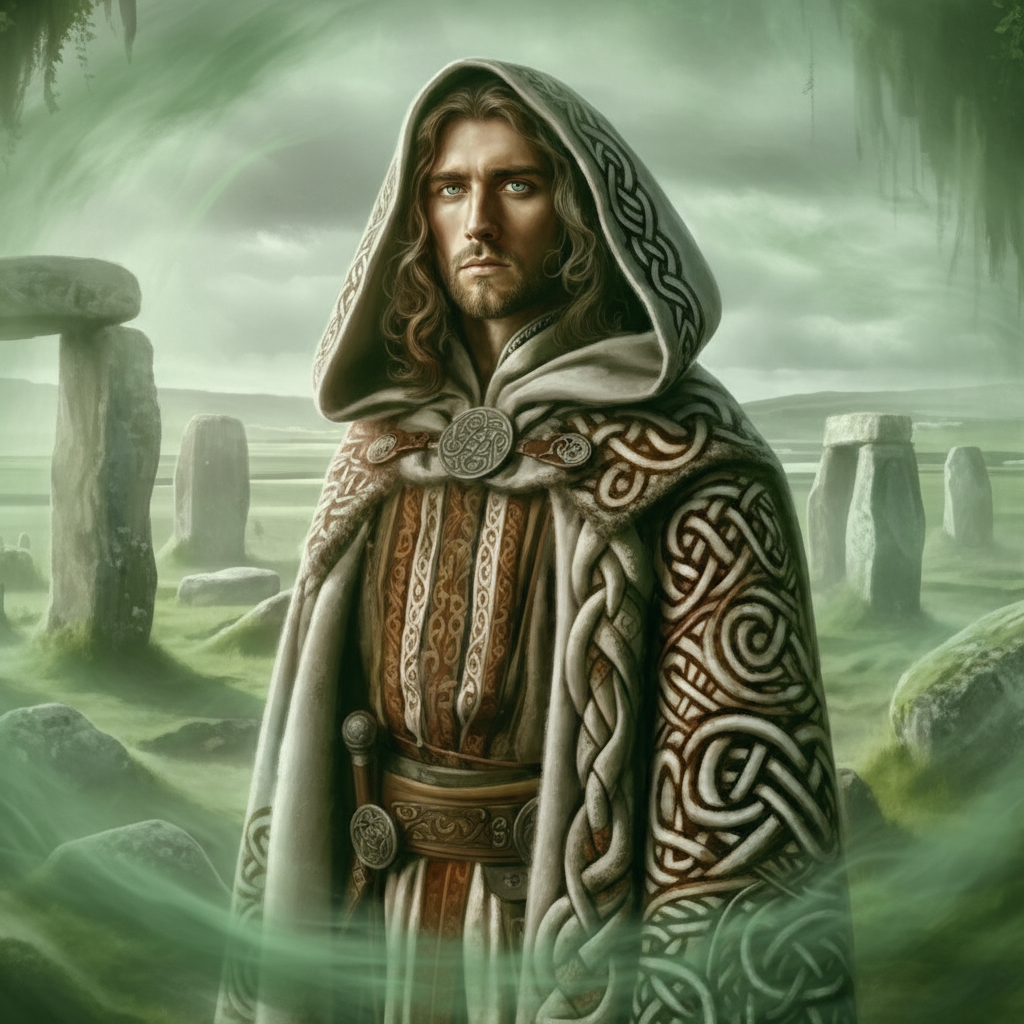
Honor ancient traditions with our Celtic name generator! Discover mystical Irish and Scottish names perfect for fantasy RPG druids, medieval warriors, or Celtic mythology.
Gender Preference
Generating magical names...
Discover Your Celtic Heritage: A Complete Name Generator Guide
Celtic names possess a magic that transcends mere sound—they carry centuries of mythology, warrior spirit, and connection to the natural world in every syllable. Whether you're naming a fantasy character, searching for the perfect baby name, or exploring your Irish, Scottish, or Welsh roots, understanding Celtic naming traditions opens a door to a rich cultural tapestry woven with stories of gods, heroes, and ancient landscapes.
The Celtic peoples—spanning Ireland, Scotland, Wales, Brittany, and parts of continental Europe—developed naming systems that weren't simply labels. Each name served as a declaration of identity, a marker of heritage, and often a prophecy of the bearer's destiny. From the misty hills of Ireland to the rugged highlands of Scotland and the valleys of Wales, these names echo with the voices of druids, bards, and warriors who shaped Western mythology.
This guide explores how to use a Celtic name generator effectively, delves into the meanings behind popular names, and provides practical tips for choosing a name that resonates with the authentic Celtic spirit.
How to Use the Celtic Name Generator
Modern Celtic name generators offer powerful tools for discovering authentic names rooted in Gaelic and Brythonic traditions. Start by selecting your gender preference—many generators offer male, female, or gender-neutral options that reflect historical naming patterns across Irish, Scottish, and Welsh cultures.
The advanced options unlock the generator's full potential. Adjust the name length settings to find short, punchy names like Bran or Rhys, or longer, more elaborate choices like Vercingetorix or Fionnuala. Syllable count matters too—single-syllable names carry a different weight than multi-syllable options, affecting how memorable and pronounceable your chosen name will be.
Phonetic preferences help you capture authentic Celtic sounds. Try starting with specific letters that appear frequently in Celtic languages: the soft consonant clusters of Irish Gaelic, the distinctive "Ll" sound of Welsh, or the guttural "Ch" of Scottish names. Similarly, ending preferences can guide you toward traditional suffixes like the diminutive "-án" (little) or patronymic markers like "Mac" (son of).
The best generators draw from historical sources—medieval manuscripts, mythology records, and linguistic databases—rather than randomly assembling syllables. Look for tools that provide etymological information alongside each generated name, explaining the meaning and cultural context that gives Celtic names their distinctive character.
Popular Celtic Names and Their Rich Meanings
Fiona: The Fair One
Fiona derives from the Gaelic word fionn, meaning "white" or "fair." Though popularized in literature by Scottish writer James Macpherson in his 18th-century Ossianic poems, the name has ancient roots in Celtic culture's appreciation for fairness and purity. The name carries connotations of light, clarity, and the valued trait of fair skin in Celtic society, where physical descriptors often became permanent markers of identity.
Liam: The Resolute Protector
Liam serves as the Irish short form of William, which itself comes from the Germanic elements wil (will, desire) and helm (helmet, protection). While not originally Celtic in origin, Liam has been thoroughly adopted into Irish naming tradition and now ranks among the most popular Irish names worldwide. The name embodies strength, determination, and protective instincts—qualities highly valued in Celtic warrior culture.
Maeve: The Intoxicating Queen
Maeve anglicizes the Irish name Medb, meaning "intoxicating" or "she who intoxicates." In Irish mythology, Queen Maeve of Connacht stands as one of the most powerful figures—a warrior queen who led armies and challenged the greatest heroes of Ulster. The name carries connotations of power, sovereignty, and the divine feminine, reflecting the Celtic tradition of sovereignty goddesses who embodied the land itself.
Ronan: Little Seal
Rónán derives from rón, the Irish word for "seal," with the diminutive suffix -án meaning "little." The name appears in Irish hagiography—twelve saints named Ronan are commemorated in the Martyrology of Donegal. In Celtic mythology, seals held special significance as creatures that could move between sea and land, often appearing in selkie legends where they transformed into human form. The name suggests adaptability, connection to the sea, and the mystical boundary between worlds.
Bronwyn: White Breast
Bronwyn combines the Welsh elements bron (breast) and gwen (white, blessed). Used as a given name in Wales since the 19th century, it gained wider recognition through Richard Llewellyn's 1939 novel How Green Was My Valley. The name reflects Celtic naming conventions that drew from physical descriptions and natural imagery, with "white" carrying connotations of purity, blessing, and nobility in Welsh culture.
Understanding Celtic Naming Traditions
Celtic naming systems developed sophisticated patterns that reveal family connections, regional origins, and social standing. The Irish patronymic system used Ó (meaning "descendant of" or "grandson of") and Mac (meaning "son of") before ancestral names. Thus, Ó Néill means "descendant of Niall," while Mac Cárthaigh means "son of Carthach." These prefixes created surnames that functioned as miniature genealogies, tracing lineage through generations.
Scottish Gaelic followed similar patterns, with Mac serving as the primary patronymic marker. Welsh traditions used ap (or ab before vowels) meaning "son of" and ferch (or verch) meaning "daughter of." A medieval Welshman named Dafydd, son of Llywelyn, would be known as Dafydd ap Llywelyn. Women used ferch: Gwenllian ferch Gruffydd meant Gwenllian, daughter of Gruffydd. This patronymic system meant surnames changed with each generation until the practice of fixed surnames gradually replaced it.
Celtic names often reflected the natural world—animals (Bran for raven, Rónán for seal), landscape features (Doireann from doire meaning oak grove), and natural phenomena (Dylan meaning "son of the sea"). Gods and goddesses lent their names to mortals: Brigid, the triple goddess of fire, healing, and poetry, became a popular name; Lugh, the many-skilled deity, inspired names like Lughaidh.
Diminutive suffixes added an affectionate or descriptive nuance. The Irish -án and -ín both mean "little"—Ciarán is "little dark one," while Ailbhe becomes Ailbhín. These weren't merely cute additions; they distinguished between family members sharing the same root name and often stuck as permanent identifiers.
Tips for Choosing the Perfect Celtic Name
Consider Pronunciation and Spelling
Celtic languages employ sounds unfamiliar to English speakers. The Irish "Siobhán" is pronounced "shiv-AWN," while Welsh "Llywelyn" starts with a sound that doesn't exist in English. If you're choosing a name for everyday use, consider whether you're comfortable correcting pronunciation repeatedly. Some parents opt for anglicized spellings (Shavonne instead of Siobhán) to ease pronunciation, though this sacrifices the visual authenticity of the original.
Match Names to Heritage
If you're honoring specific ancestry, align your choice with the correct Celtic tradition. Irish names suit Irish heritage, Scottish names for Scottish roots, and Welsh names for Welsh lineage. Mixing traditions—giving a child an Irish first name and Welsh surname, for example—may seem attractive but can appear culturally inauthentic to those familiar with Celtic naming conventions.
Research the Meaning
Celtic names carry layers of meaning that extend beyond surface translations. Deirdre means "sorrowful" because of the tragic figure in Irish mythology whose beauty brought war and death. Morrígan evokes the Phantom Queen of war, fate, and prophecy. Understanding these associations helps you choose names that align with the qualities you want to embody or celebrate.
Test the Full Name
Say the first, middle, and last names together multiple times. Celtic first names pair beautifully with Celtic surnames, but they also work with names from other traditions. Consider how formal and informal versions sound—will Fionnuala shorten to Nuala? Does Cormac work with your last name's rhythm?
Consider Character Appropriateness
For fictional characters, match the name to personality and role. Warrior characters suit strong names like Conall (strong wolf) or Maeve (intoxicating queen). Scholars and druids fit names like Tadhg (poet) or Brigid (exalted one, associated with learning). Gentle characters work with softer names like Caoimhe (gentle, beautiful) or Callum (dove).
Honor Authenticity Over Popularity
While names like Liam and Niamh have gained international popularity, lesser-known options like Oisín (little deer) or Aoife (beautiful, radiant) maintain stronger connections to Celtic roots. Don't shy from authentic choices simply because they're unfamiliar—their uniqueness becomes part of their charm.
The Enduring Legacy of Celtic Names
Celtic naming traditions have survived centuries of cultural shifts, linguistic changes, and political upheaval. From the ancient druids who preserved oral histories to medieval scribes who illuminated manuscripts like the Book of Kells, from emigrants who carried names across oceans to modern parents rediscovering their heritage—these names represent an unbroken thread connecting past to present.
The mystical quality that draws people to Celtic names stems from their inherent poetry. They sound like incantations, like words that could summon ancient powers or unlock hidden realms. This isn't accidental—the Celts valued verbal artistry, and their bards held positions of honor equal to warriors. Names were chosen to be memorable, meaningful, and beautiful when spoken aloud.
Whether you use a Celtic name generator as your starting point or dive deep into historical texts and mythology, the goal remains the same: finding a name that resonates with the strength, magic, and natural wisdom that defined Celtic culture. These aren't merely names—they're doorways to a world where every word carried weight, where naming was an art form, and where the past continues to speak through every syllable we preserve.
Frequently Asked Questions
What makes a name authentically Celtic?
Authentic Celtic names originate from the historical Celtic languages—Irish Gaelic, Scottish Gaelic, Welsh, Breton, Cornish, or Manx. They follow traditional phonetic patterns, use genuine word elements from these languages, and often appear in historical records, mythology, or medieval manuscripts. Names invented by combining Celtic-sounding syllables without a linguistic basis aren't authentically Celtic, even if they sound plausible.
Can I use a Celtic name if I don't have Celtic ancestry?
Yes. While many people choose Celtic names to honor their heritage, cultural appreciation (when done respectfully) differs from appropriation. If you're drawn to Celtic naming traditions for their meanings, sounds, or mythological associations, research thoroughly to understand the cultural context. Avoid treating these names as exotic accessories—appreciate the rich history they represent.
How do I pronounce difficult Celtic names correctly?
Celtic languages include sounds that don't exist in English. For Irish names, resources like Forvo.com provide native speaker pronunciations. Welsh names follow consistent pronunciation rules once learned—"dd" sounds like "th" in "the," while "ll" is a lateral fricative unique to Welsh. Scottish Gaelic often softens consonants in ways that surprise English speakers. When in doubt, consult pronunciation guides specific to the language of origin.
Are Celtic names suitable for babies in non-Celtic countries?
Celtic names have gained international popularity, with names like Liam, Niamh, and Dylan topping charts worldwide. However, consider practical factors: will teachers and peers be able to pronounce the name? Will your child face constant spelling corrections? Some parents choose names with intuitive spellings in their country of residence, while others embrace the uniqueness even if it requires explanation.
What's the difference between Irish, Scottish, and Welsh names?
Irish names come from Irish Gaelic (Goidelic branch of Celtic languages), Scottish names from Scottish Gaelic (also Goidelic), and Welsh names from Welsh (Brythonic branch). Irish names often use patronymic prefixes Ó and Mac, feature distinctive sounds like "bh" (pronounced "v"), and slender consonants. Scottish names share similarities with Irish but have unique developments. Welsh names use different phonetic patterns, including sounds like "ll" and "ch," and historically used "ap/ab" and "ferch" patronymics. Each tradition has distinct mythology, saints, and cultural heroes reflected in its naming pools.
Can I create my own Celtic-inspired name?
Creating new names that sound Celtic risks producing something linguistically inauthentic. However, you can combine authentic Celtic elements in historically plausible ways. Study how Celtic names form—common prefixes, suffixes, and root words. For example, knowing that fionn means "fair" and -án means "little" allows you to understand how names are constructed. Still, using an existing historical name ensures cultural authenticity and provides a rich backstory that invented names lack.