Healer Name Generator
Restore life and hope with our healer name generator! Generate compassionate names great for fantasy RPG clerics, support characters, or medieval medics.
Gender Preference
Generating magical names...
Craft Names That Restore Hope
Every adventuring party needs someone who can mend broken bones, cure poison, and offer comfort when darkness threatens to overwhelm. Healers serve as the lifeline between defeat and victory, transforming desperate situations into tales of survival. Whether you're creating a divine cleric channeling holy power, a druid drawing strength from ancient forests, or a battlefield medic armed with herbal knowledge, the right name establishes your character's identity before they cast their first restorative spell.
This guide will walk you through everything you need to know about healer names—from understanding different healer archetypes to using our generator's advanced features. You'll discover how etymology shapes character depth, explore curated name lists organized by gender, and learn practical tips for choosing designations that embody grace, wisdom, and the gentle strength required to pull allies back from death's door.
Understanding Healer Archetypes in Fantasy RPGs
Healers come in many forms across fantasy settings, each bringing their own flavor of restoration magic and philosophy to your campaign. Recognizing these archetypes helps you select names that align with your character's approach to mending the wounded.
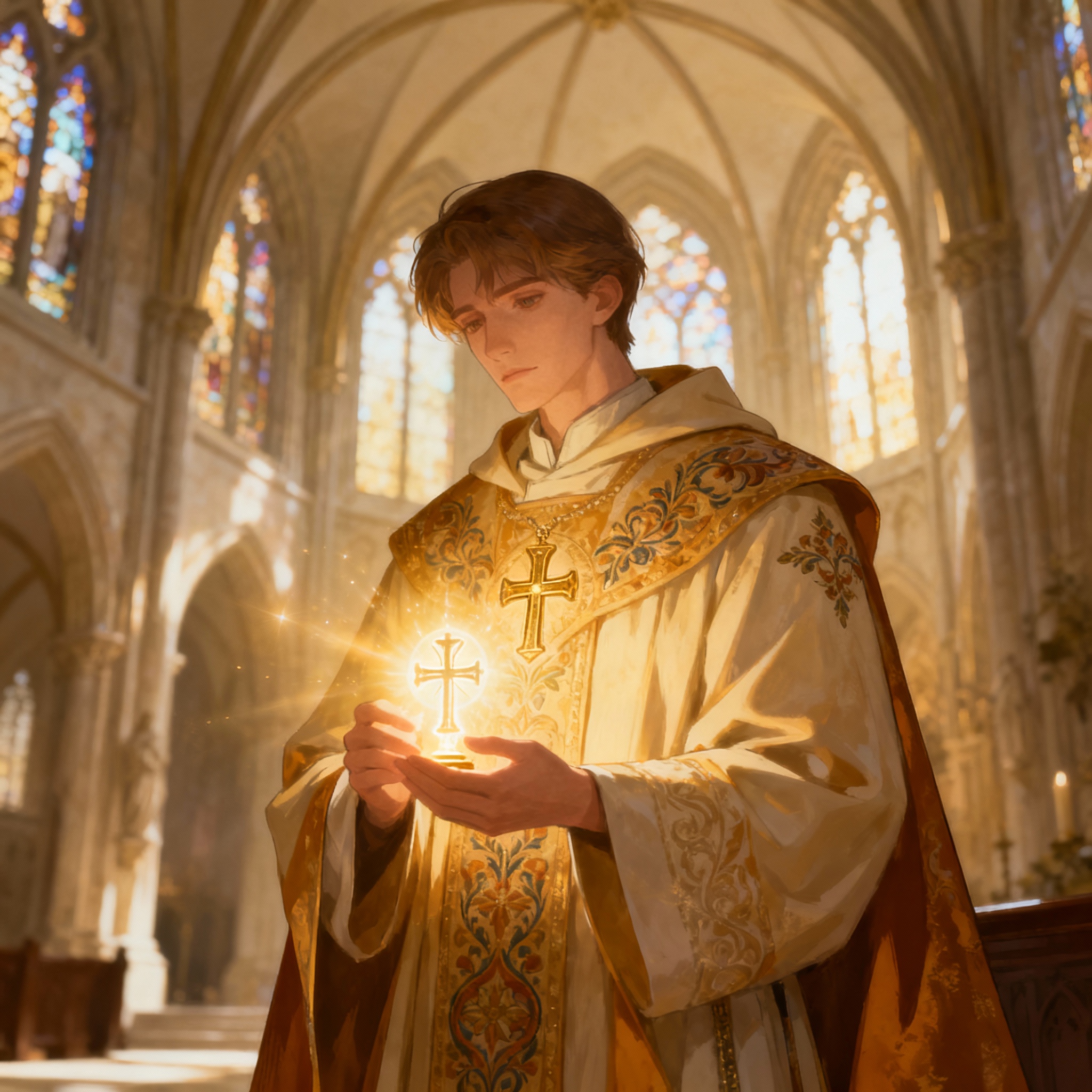
Divine Clerics and Holy Practitioners
Clerics channel divine power granted by deities, making them powerful healers who combine restoration with protective magic. According to the D&D 5th Edition System Reference Document, clerics can "evoke healing energy that can restore a number of hit points equal to five times your cleric level" through their Channel Divinity feature. Their healing stems from devotion to higher powers, and their names often reflect religious titles or virtues.
Names like Brother Silas or Sister Anya work beautifully for clerics, incorporating monastic titles that suggest dedication to sacred orders. The prefix "Saint" immediately conveys divine favor, while suffixes like "-bane" (as in Plaguesbane) or "-grace" signal their protective role.
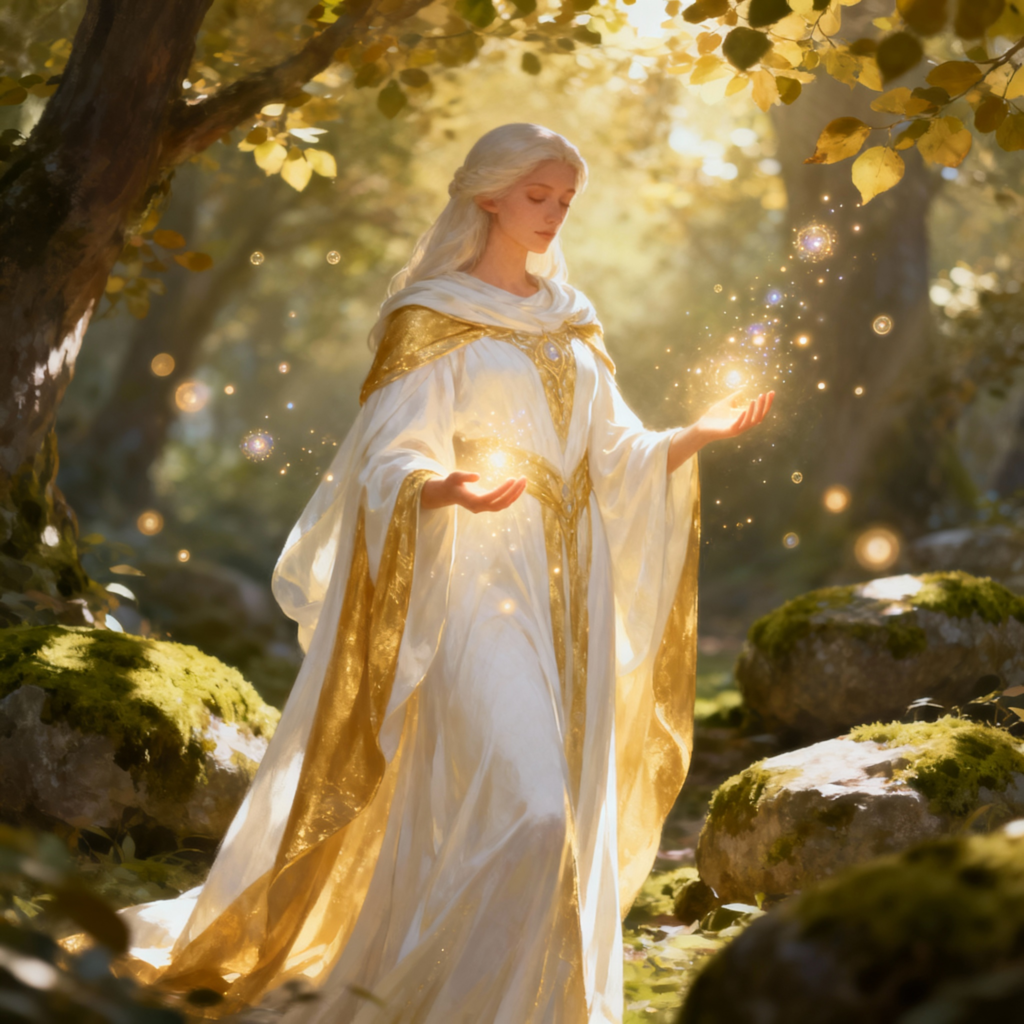
Nature-Based Healers and Druids
Druids draw healing power from the natural world, using herbs, poultices, and primal magic to restore vitality. Their connection to forests, rivers, and seasons influences both their methods and their naming conventions. Names rooted in botanical terms or natural phenomena—like Thornwhisper, Willowmend, or Rainweaver—capture this earth-bound healing philosophy.
The druid spell list includes restoration spells such as Cure Wounds and Healing Word, but their approach feels organic rather than ceremonial. These healers might be called "Herbalist," "Greenward," or "Rootkeeper," titles that emphasize their role as stewards of living things.
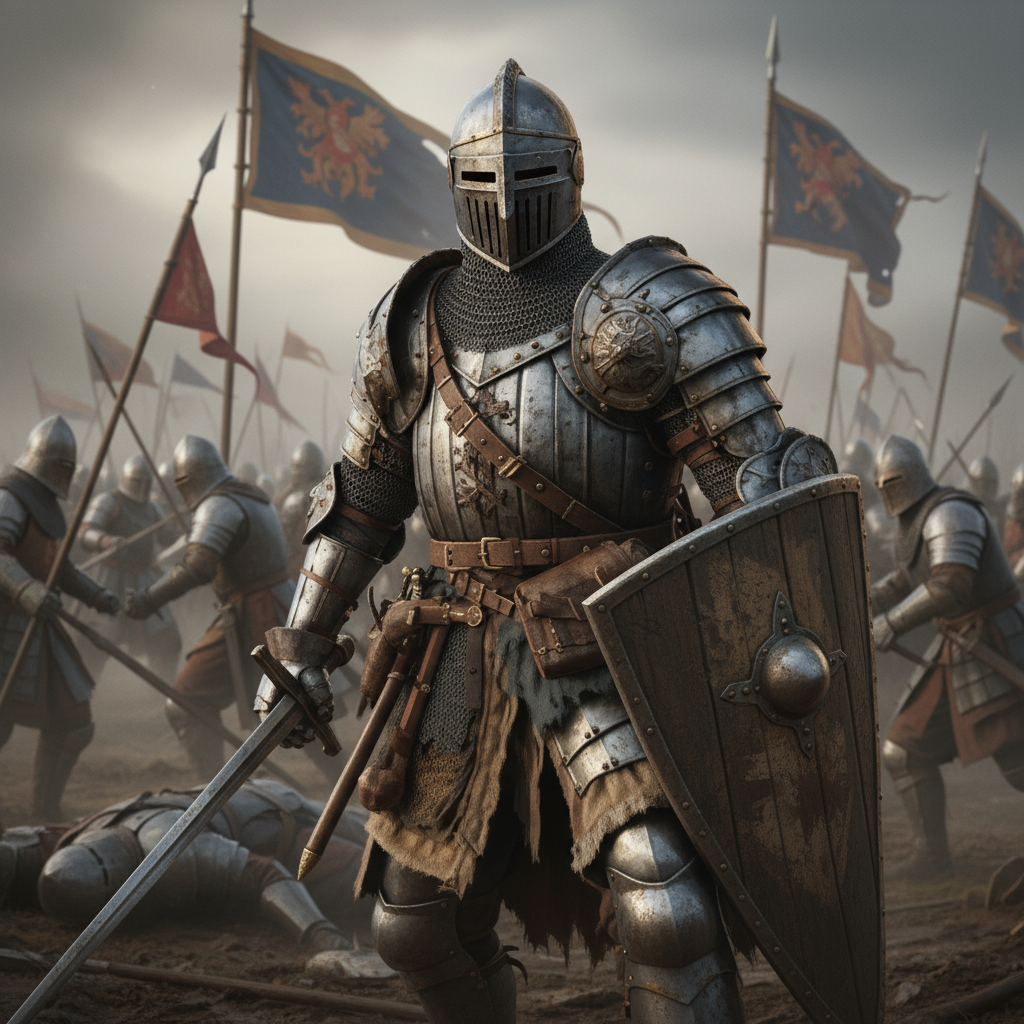
Battlefield Medics and Combat Healers
Not all healers work from temple sanctuaries or peaceful groves. Combat medics operate in chaos, patching wounds between sword strikes and keeping soldiers fighting through grueling battles. Their names tend toward practicality—Ironhand, Quickstitch, Fieldmender—reflecting the harsh conditions under which they practice their craft.
These characters blend medical knowledge with survival instincts. While they may lack the divine power of clerics or the mystical connection of druids, their hands-on expertise saves lives when magic fails or runs dry.
How to Choose the Perfect Healer Name
Selecting a healer's name requires more thought than randomly picking pleasant-sounding syllables. The best names communicate your character's healing philosophy, cultural background, and personal history in just a few carefully chosen words.
Consider Your Healing Source
Start by identifying where your character's restorative abilities originate. Divine healers blessed by gods of mercy might carry names like Benedictus (from Latin, meaning "blessed") or Celeste (suggesting heavenly origins). Those who learned herbalism from village elders could be named after plants—Sage, Rosemary, or Bryony—that directly reference their medicinal expertise.
The Greek god Asclepius, deity of medicine and healing, provides rich naming inspiration. According to etymological research, Asclepius is "of unknown origin" but became synonymous with medical practice in the ancient world. Modern medical terms like "Asclepiades" (meaning healer) derive from this mythological figure, offering a historical foundation for fantasy names.
Embrace Soft Sounds and Gentle Syllables
Healers embody compassion, so names with harsh consonant clusters often feel mismatched. Soft sounds—particularly "l," "m," "n," and vowel combinations—create a soothing quality that mirrors the comfort healers provide.
Compare "Malakai Ironforge" with "Melora Lightbloom." The first suggests a warrior or blacksmith, while the second evokes someone who nurtures growth and radiates warmth. Names like Elowen (meaning "elm tree"), Seraphine (from seraph, an angelic being), or Althea (Greek for "with healing power") carry this gentle phonetic quality naturally.
Incorporate Meaningful Etymology
Names gain depth when their meanings reinforce your character's role. Latin and Greek roots provide particularly strong options for healer names, as these languages shaped Western medical terminology.
From Latin, consider:
- Vita (life) or derivatives like Vivienne
- Salus (health, safety) as in Salome
- Sanitas (soundness, health)
Greek contributions include:
- Iaomai (to heal), root of "iatrós" (physician)
- Therapeia (medical treatment), source of "therapy."
- Hygieia (goddess of health), origin of "hygiene."
Creating compound names from these roots produces authentic-sounding results. "Vitanor" combines life (vita) with a fantasy suffix, while "Theryn" echoes therapeutic origins without being overly literal.
Think About Titles and Honorifics
Professional titles immediately establish your healer's training and social standing. "Physician" comes from the Greek "physikos" (pertaining to nature), while "medicus" (Latin for healer) gives us "medic." In fantasy settings, you might adapt these into titles like:
- Adept (skilled practitioner)
- Physicker (archaic term for physician)
- Chirurgeon (from Greek "cheirourgos," meaning hand-worker—the origin of surgeon)
- Apothecary (one who prepares medicines)
Pair these with personal names for formal introductions: "Adept Corvin Ashwell" or "Physicker Elara Moonbrook" sound both professional and fantastical.
Using the Healer Name Generator
Our healer name generator offers multiple customization options to help you find the perfect designation for your character. Understanding these features ensures you get results tailored to your specific needs.
Basic Generation Options
Start with gender preference—select "Any," "Male," or "Female" depending on your character concept. The generator produces 10 names per click, giving you variety without overwhelming choice. Don't like the first batch? Generate again until something resonates.
Each generated name appears with potential meanings or thematic connections, helping you understand what the name conveys. This context proves invaluable when you're trying to match a name to your character's personality or backstory.
Advanced Filtering Features
Click "Show Advanced Options" to access filters that refine your results significantly:
Name Length controls overall syllable count and verbal weight. "Short" names (1-2 syllables) like Bren or Kira feel direct and memorable. "Medium" names (3 syllables) such as Elara or Dorian balance accessibility with sophistication. "Long" names (4+ syllables) like Seraphina or Benedictus carry gravitas and formality.
Syllable Count offers precise control over pronunciation complexity. Single-syllable names pack a punch but can feel abrupt for nurturing characters. Two to three syllables typically work best for healers, creating melodic flow without becoming cumbersome during gameplay.
Starts With and Ends With fields let you specify exact letters. Want alliteration with your party members? Set "Starts With: S" to generate names like Silas, Seren, or Sage. Need a name ending in "-el" to match your character's celestial heritage? The filter handles that too.
Interpreting Generated Results
Pay attention to the meanings provided with each name. When you see "Althea - With Healing Power," that's not arbitrary—it's rooted in Greek etymology where "althainō" means "to heal." Similarly, "Galen - Calm" references Galen of Pergamon, one of history's most influential physicians from the 2nd century AD.
Use these etymological hints as springboards for character development. A healer named Lucan ("Light, Illumination") might specialize in radiant magic that both heals and reveals hidden ailments. Someone called Silas ("Of the Forest, Natural Healer") clearly belongs to a druidic tradition.
Exploring Name Meanings and Etymology
Understanding the linguistic roots behind healer names transforms them from random labels into meaningful character statements. Let's examine how history and language shape identity through specific examples.
Names from Classical Medicine
Ancient Greek and Roman physicians established medical practices that influenced healing traditions for centuries. Their names and the terms they coined continue to resonate in modern fantasy.
Asclepius, the Greek god of medicine, lends his name to healing-focused characters. The rod of Asclepius—a snake-entwined staff—remains a symbol of medicine today. Names like "Asclepiades" (meaning healer in Greek) or modern adaptations like "Askel" or "Ascelin" carry this mythological weight.
Hippocrates (c. 460–c 370 BC), known as the "Father of Medicine," introduced systematic observation to healing practices. While using his full name might feel heavy-handed, variations like "Hippias" or incorporating "Crates" into surnames work for scholarly healers who follow methodical diagnostic approaches.
Galen of Pergamon represents another giant in medical history. This name means "calm" or "healer" in Greek, making it perfect for composed, analytical characters who approach medicine as both art and science.
Medieval and Monastic Healing Traditions
Medieval monasteries served as centers of medical knowledge, with monks and nuns caring for the sick. This tradition gives us naming conventions tied to religious orders.
Titles like "Brother" and "Sister" immediately signal monastic training. Brother Silas Thorne suggests a male healer who took religious vows, with "Thorne" hinting at either sharp medical instruments or perhaps a prickly bedside manner softened by genuine compassion. Sister Anya Bellweather evokes a female healer whose presence signals hope (weather turning favorable), with the bell suggesting her religious community.
The term "infirmarian" described monks responsible for monastery infirmaries. While not typically used as a personal name, it could work as a title: "Infirmarian Eldric" or adapted into a surname like "Firmian."
Nature-Inspired Healer Names
Healers who work with herbs and natural remedies often carry names reflecting botanical knowledge or elemental connections.
Elowen derives from Cornish, meaning "elm tree." Elm bark was used in traditional medicine for its anti-inflammatory properties, making this name both beautiful and functionally appropriate for herbalists.
Rosemary, Sage, and Bryony work as both personal names and direct references to medicinal plants. Rosemary traditionally symbolizes remembrance (useful for healers who must recall countless remedy recipes), sage represents wisdom, and bryony was used in various historical treatments despite its toxicity—suggesting a healer who understands that healing sometimes requires dangerous knowledge.
Compound names create more fantastical options: Thornwhisper (one who quietly works with sharp, medicinal plants), Willowmend (combining the flexible willow with restoration), or Rainweaver (suggesting someone who works with water-based healing magic).
Linguistic Construction Patterns
Many powerful healer names follow recognizable structural patterns:
Virtue + Descriptive Noun: Graceheart, Hopebringer, Mercyhand
Element + Action Verb: Lightweaver, Starshaper, Windcaller
Plant/Nature + Healing Term: Rootmender, Leafwhisper, Bloomward
Title + Personal Name + Surname: Adept Corvin Ashwell, Physicker Elara Moonbrook
These patterns work because they communicate both function (what the healer does) and essence (who they are as a person).
Categorized Healer Name Lists
Sometimes inspiration strikes when you see examples organized by type. These curated lists showcase different naming approaches for various healer character concepts.
Male Healer Names
Traditional/Classical
- Galen Stormwright - "Calm storm-worker," suggesting controlled power
- Dorian Lighthand - "Gift of the ocean" with gentle touch
- Lucan Silverleaf - "Light" combined with healing herbs
- Jasper Thornward - "Bringer of treasure" who guards with thorns
- Silas Greenmantle - "Forest dweller" clothed in nature
- Eiran Morningdew - "Peaceful one" of fresh beginnings
- Asa Brightwater - "Healer" of clear, pure sources
Fantasy/Compound
- Aldric Healwhisper - "Old ruler" who quietly restores
- Finnian Herbmaster - "Fair one" commanding botanical knowledge
- Garrick Softspice - "Spear ruler" with gentle seasonings
- Theron Lifebinder - "Hunter" who captures and preserves life
- Eldrin Soulkeeper - "Elven friend" who safeguards spirits
- Brennan Starweave - "Teardrop," who threads celestial power
- Kellan Shieldmend - "Slender", one who repairs protection
Female Healer Names
Nature-Inspired
- Elowen Moonbrook - "Elm tree" by lunar waters
- Seren Wildrose - "Star" with untamed beauty
- Maeve Silverstream - "She who intoxicates," flowing purely
- Iris Dewfall - "Rainbow" of morning moisture
- Eirlys Thornbloom - "Snowdrop" flowering through barriers
- Niamh Sunleaf - "Bright one" of healing foliage
- Bryony Stargrace - "Climbing plant" blessed by stars
Divine/Elegant
- Seraphine Lightbringer - Angelic illumination carrier
- Althea Gracewind - "Healing power" in a gentle breeze
- Celeste Mercyheart - "Heavenly" compassion center
- Vivienne Hopesong - "Alive" with melodious optimism
- Cordelia Brightward - "Heart" guarding with light
- Isadora Lifespring - "Gift of Isis" from vital source
- Elara Dawnkeeper - "Bright" guardian of new beginnings
Gender-Neutral Healer Names
Elemental/Abstract
- Sage Whisperwind - Wisdom in soft air currents
- Rowan Emberlight - Tree of protection with warm glow
- Phoenix Ashenmend - Rebirth, repairing what burned
- River Moonstone - Flowing lunar-blessed gem
- Aspen Starweaver - Trembling tree threading constellations
- Storm Peacekeeper - Tempest maintaining calm
- Wren Brightmorrow - Small songbird of hopeful futures
Mystical/Compound
- Rune Lifescribe - Sacred symbol writing existence
- Echo Soulwhisper - Reflection quietly touches spirits
- Vale Healgrasp - Valley holding restoration firmly
- Ember Gracewarden - Glowing coal guarding blessing
- Vesper Starmend - Evening star repairing the heavens
- Quinn Lightweave - "Wise" one threading illumination
- Cypress Morningward - Eternal tree protecting dawn
Frequently Asked Questions
What makes a good healer name in D&D or fantasy RPGs?
Strong healer names balance gentle phonetics with meaningful etymology. They should evoke comfort and competence rather than aggression or darkness. Names containing soft consonants (l, m, n, s) and flowing vowels typically work better than harsh, guttural sounds. Incorporating healing-related meanings—whether from plant names, virtues like "Grace" or "Mercy," or medical terminology roots—adds depth that enhances roleplaying opportunities.
Should I use real medical terms or create fantasy alternatives?
Both approaches work depending on your setting's tone. Games inspired by medieval Europe might use authentic titles like "Physicker," "Apothecary," or "Chirurgeon." High fantasy settings often benefit from invented terms that sound medical without directly copying real-world vocabulary—"Lifebinder," "Soulkeeper," or "Restorationist." Consider your campaign's level of realism when making this choice.
How do I choose between divine, natural, and medical healer names?
Match the name to your character's power source. Clerics channeling deity-granted magic suit names with religious overtones: Brother, Sister, Saint, or virtue-based names like Benedict or Seraphine. Druids drawing from nature need botanical or elemental names: Thornwhisper, Willowmend, Rainweaver. Mundane healers relying on learned medicine work better with professional titles: Physician Corvin, Medic Elara, or Herbalist Rowan.
Can I use the same name for different character classes?
Absolutely. Names like "Galen" or "Sage" work equally well for clerics, druids, bards with healing magic, or even paladins who channel divine restoration. What distinguishes the character is how you describe their methods and roleplaying, not the name alone. That said, certain names carry strong class associations—"Brother Silas" heavily implies cleric, while "Thornwhisper" suggests druid—so consider whether you want that immediate recognition or prefer flexibility.
How long should a healer's full name be?
For gameplay practicality, keep commonly-used names to 2-3 syllables. Players will naturally shorten longer names during sessions, so "Seraphine Lightbringer" becomes "Sera" at the table. Full formal names can extend longer for character sheets and important story moments: "Adept Corvin Ashwell of the Silver Circle" works for official introductions, but "Corvin" handles moment-to-moment dialogue. Consider creating both a formal full name and a casual shortening that your party will actually use.
Should healer names differ between cultures in my campaign world?
Yes, this adds authenticity and worldbuilding depth. Elven healers might favor flowing, nature-connected names (Elowen Starweave), while dwarven medics could use sturdy, stone-related designations (Thorin Ironmend). Human cultures might mirror real-world linguistic patterns—Greek/Latin for scholarly traditions, Germanic for martial cultures, Celtic for druidic societies. Establishing these patterns makes your world feel lived-in and gives players naming conventions to follow for their own characters.
How do I avoid healer name clichés?
Steer clear of overly obvious combinations like "Healy McHealface" or names that literally describe the character's function without creativity ("Cure Wounds" as a personal name). While virtue names work well, choosing less common virtues prevents repetition—instead of Grace or Hope for the hundredth time, try Solace, Clemency, or Respite. Mix unexpected elements: "Thorne Gentleheart" creates an interesting contrast, suggesting a prickly exterior with hidden compassion.
Can I modify generated names to better fit my character?
Absolutely—treat generator results as starting points. Swap syllables between different names, adjust spellings to match your setting's linguistic patterns, or combine parts of multiple suggestions. "Elara" + "Moonbrook" might become "Elara Brook" or "Moonara." If you love the sound of a name but dislike its meaning, keep the phonetics and reassign significance through your character's backstory. The generator provides raw material; you sculpt the final product.
Creating Characters Who Embody Hope
Choosing the perfect healer name goes beyond simple aesthetics—it establishes your character as the beacon that guides parties through their darkest moments. Whether you select a time-honored designation rooted in classical medicine, craft a nature-inspired compound that speaks to primal restoration, or adapt a generated suggestion to match your unique vision, that name becomes synonymous with survival and second chances.
The best healer names carry weight earned through countless saved lives and desperate moments where death retreated before gentle hands and a determined will. They whisper promises of dawn following darkness, of wounds closing and poison purged, of comrades standing when they should have fallen.
Use this generator, explore the etymology that gives names power, and create a healer whose very identity offers comfort. Your party doesn't just need someone who can cast Cure Wounds—they need a name they'll call out when hope seems lost, a presence that reminds them healing exists even in the harshest fantasy realms.
Now go forth and name the character who will become your party's greatest treasure: not the one who deals the killing blow, but the one who ensures everyone lives to fight another day.